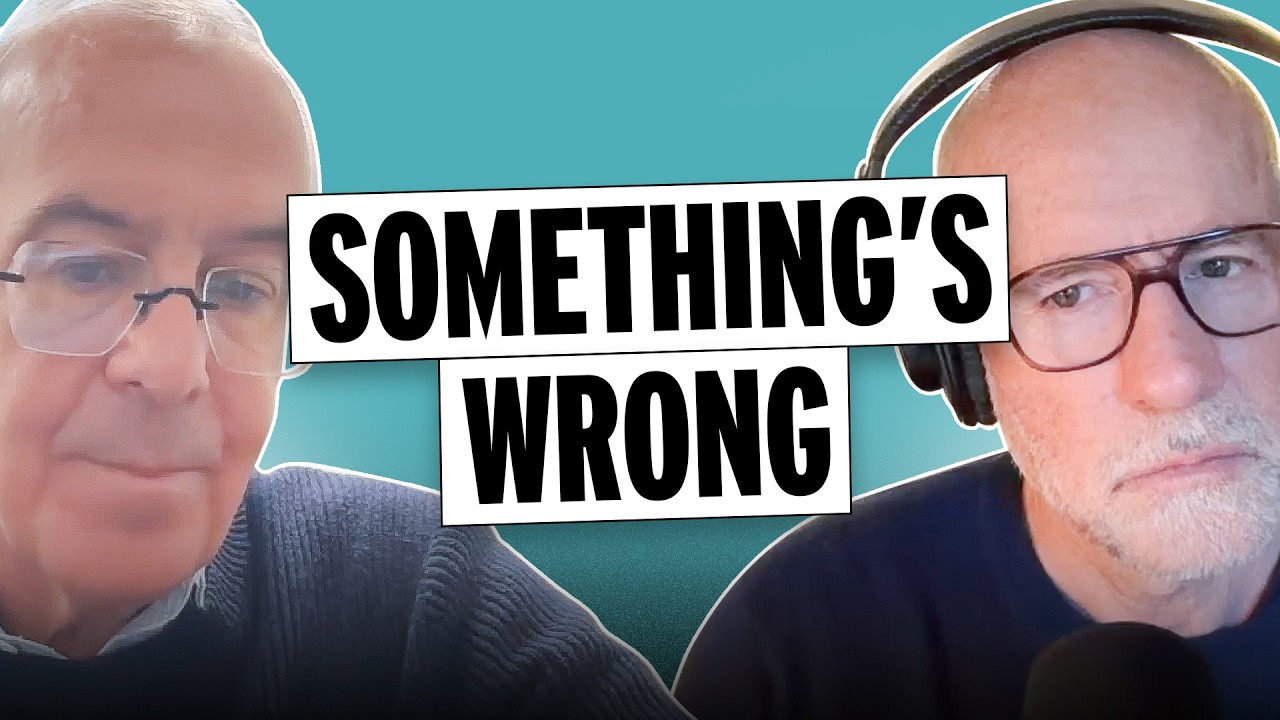
In this episode of Prof G Conversations, host Scott Galloway interviews author, New York Times veteran, and Atlantic writer David Brooks. The discussion centers around what Brooks views as a deep-seated human and moral crisis in modern America, rather than a purely political one…
1. Leaving The New York Times for The Atlantic
- A Shift to Sub-Political Issues: Brooks shares his decision to leave The New York Times after 22 years 01:12 Opens in a new window . He explains that America’s core issues are currently sub-political—rooted in a lack of purpose, humanistic values, and a pervasive “culture of resentment” 01:52 Opens in a new window .
- The Luxury of Length: Moving to The Atlantic allows him to write extensive pieces (5,000 to 10,000 words) to unpack these complex social and moral dynamics rather than focusing on daily political horse-races 02:22 Opens in a new window .
2. The Loss of “Moral Knowledge”
- The Culture of Resentment: Brooks analyzes how deep-seated resentment leads people to devalue higher-order human behaviors, viewing virtues like kindness and generosity as weak or purely performative 03:15 Opens in a new window .
- Privatized Morality: He references sociologist Christian Smith and philosopher Alasdair MacIntyre to argue that society has privatized morality, leaving younger generations “morally inarticulate” 07:45 Opens in a new window . Without shared concepts of sin, grace, and redemption, people struggle to evaluate character or articulate deep moral dilemmas 09:38 Opens in a new window .
- Abandoning Moral Formation: Educational institutions have largely stepped away from intentional moral and character formation 10:54 Opens in a new window . Brooks emphasizes that morality is primarily found in day-to-day actions—like learning how to navigate breakups or sit respectfully with a grieving friend—rather than just debating high-level political hot topics 12:09 Opens in a new window .
3. Emotional Intelligence and Parenting
- The Value of Passion and Emotion: Brooks highlights how cognitive science over the last 40 years has debunked the Platonic view that reason must entirely suppress passion 24:17 Opens in a new window . Emotions act as critical guides that assign value to our options; learning “emotional granularity” is essential for functioning wisely in the world 25:33 Opens in a new window .
- Providing a Secure Base: Reflecting on his own parenting, Brooks discusses providing a “secure base” for his children rather than forcing them into “meritocratic madness” 19:18 Opens in a new window . He warns against conditional love, which makes young people risk-averse 20:35 Opens in a new window , and advises parents to let their children explore “three adventures a decade” during their twenties 49:03 Opens in a new window .
4. The State of Media and The Impact of AI
- The Traps of Modern Journalism: Brooks addresses the critique that media outlets over-rely on a “Trump-bashing industrial complex” due to audience engagement incentives 38:19 Opens in a new window . He also points out the severe lack of class and ideological diversity within elite newsrooms 40:30 Opens in a new window .
- The Cognitive Divide of AI: Discussing AI tools like Claude, Brooks worries about the psychological effects on human thought 44:05 Opens in a new window . He predicts a split: 20% of the population (who enjoy cognitive challenges) will use AI to supercharge their output, while the other 80% risk becoming “cognitive misers,” using the tech as a crutch and losing their own capacity to think deeply 45:06 Opens in a new window .
5. Looking Ahead to the 2028 Election
- The Appetite for Change: Brooks expresses optimism that American political culture shifts rapidly in cycles 35:04 Opens in a new window . He predicts that by 2028, the country will hunger for a candidate who is not just a policy opposite of the current status quo, but the moral, social, and emotional opposite—someone genuinely upbeat, positive, and unifying 36:37 Opens in a new window .
For the full breakdown on modern humanism, generational divides, and Brooks’ current media diet, you can watch the entire discussion on The Prof G Pod YouTube Channel.
 Bright, Shiny Objects!
What do you think?