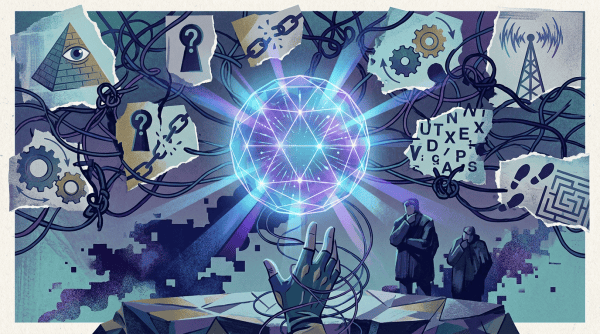
When AI Gets Smarter, What Happens to Our Own Intelligence?

We are pouring extraordinary amounts of money, electricity, infrastructure, and ambition into making artificial intelligence more capable. But how much are we investing in the people expected to use it wisely?

That imbalance sits at the heart of a provocative new essay in Psychology Today by Cornelia C. Walther. Her concern is not simply that AI is accelerating. It is that the human abilities AI is meant to extend—attention, memory, judgment, imagination, language, and agency—can weaken when assistance quietly becomes substitution.

That distinction matters. A tool can help us reach farther while still leaving us responsible for the reaching. But when the tool routinely remembers, drafts, interprets, and reasons for us, our role can shrink from creating thought to merely approving output.

Continue reading “When AI Gets Smarter, What Happens to Our Own Intelligence?”

Star Trek Day 2026: Picard, Janeway, and the Courage to Lead

Star Trek turns 60 today

That is a remarkable lifespan for a television idea—and an even more remarkable lifespan for a vision. For six decades, Star Trek has insisted that curiosity is stronger than fear, that cooperation is not naïve, and that humanity can become better than it is now.

I have enjoyed many corners of that universe, but when I think about what Star Trek means to me, I keep coming back to two captains: Jean-Luc Picard and Kathryn Janeway.


They are very different leaders. Picard is the diplomat-philosopher, measured and deliberate. Janeway is the scientist-explorer, warm but formidable, forced to improvise thousands of light-years from home. One commands the Federation flagship with the weight of civilization behind him. The other must preserve that civilization when almost everything familiar has fallen away.

Together, they offer two versions of the same enduring lesson: character matters most when the map runs out.

Continue reading “Star Trek Day 2026: Picard, Janeway, and the Courage to Lead”

The AI Singularity May Be a Human Failure, Not a Machine Triumph

We keep talking about the AI singularity as if it were a weather system gathering beyond the horizon: immense, mysterious, and headed our way whether we like it or not.

But what if the decisive event is not a machine crossing some invisible threshold? What if it is a human one—our decision to sprint toward a future we do not fully understand because everyone else seems to be sprinting too?

That is the unsettling question at the center of “The Singularity Is Not What It Seems,” a new episode of Galaxy Brain. Host Charlie Warzel draws on reporting with The Atlantic staff writer Matteo Wong to examine an AI race powered not only by technical ambition, but also by hubris, greed, and the oldest Silicon Valley anxiety of all: fear of missing out.

Continue reading “The AI Singularity May Be a Human Failure, Not a Machine Triumph”

GPT-6 Astra May Be AGI. Trust Is the Real Test.

There is a moment in every technological story when the argument shifts from What can it do? to What are we willing to let it do? OpenAI’s GPT-6 Astra may be that moment.

Axios reports that OpenAI president Greg Brockman called Astra a “generational leap” and said he personally believes the company has reached artificial general intelligence. The label will be debated for months. The practical change may arrive sooner: Astra is designed to operate inside software and complete complex professional tasks, not merely explain how a human might complete them.

Continue reading “GPT-6 Astra May Be AGI. Trust Is the Real Test.”

Don’t Ban AI in Schools—Teach Students to Think With It

The most important question isn’t whether students use AI. It’s what kinds of thinking schools still require them to do.

Coral PS Hoh argues that educators should divide the work deliberately: let AI extend students’ capacity while holding them accountable for critical, creative, strategic, and ethical judgment. That matters because literacy and math proficiency were already weak before generative AI—and increasingly specialized knowledge makes breakthrough connections harder to see.

A blanket ban may protect familiar assignments. It won’t prepare students for the problems they’ll inherit. Schools should teach students to question AI, justify their choices, expose errors, and use the tool without surrendering the thinking.

Read: “Ban on Students’ AI Use and the Bigger Problem Facing Us All” by Coral PS Hoh, Ph.D., in Psychology Today.

Retirement Isn’t the Finish Line. It’s a Rewrite.

Retirement is often sold as a permanent vacation. The reality is richer—and messier.

Leaving full-time work can bring welcome freedom, but it can also unsettle the routines, relationships, identity, and sense of purpose that work quietly supplied.

Psychologist Jasmin Tahmaseb-McConatha offers a more honest frame: retirement is not a finish line but a process of rebuilding meaning. That means making room for both relief and grief, then creating a satisfying new reality one day at a time.

The most useful takeaway is wonderfully ordinary. A walk, coffee with a friend, a creative project, meaningful work, or a story shared across generations can become the architecture of a good day. These are not ways to fill time; they are ways to reclaim connection, contribution, and belonging.

Who am I now—and what still makes me feel useful, connected, and alive?

If retirement is approaching—or already feels less simple than advertised—this thoughtful essay is worth your time.

Read: Creating a Satisfying Retirement Experience by Jasmin Tahmaseb-McConatha, Ph.D., at Psychology Today.

10 Signs That Someone Is Trying to Gaslight You

Gaslighting is a manipulative tactic that causes someone to doubt their perception and reality. The article “10 Signs That Someone Is Trying to Gaslight You” outlines key indicators that may suggest you are a target of such behavior. These signs include persistent denial of facts, emotional manipulation, and efforts to isolate the victim from support networks. Recognizing these behaviors is crucial for self-empowerment and protecting one’s mental health.

To understand more about these warning signs and how to navigate such situations, read the original article: 10 Signs That Someone Is Trying to Gaslight You


Nice Start to the Notre Dame Season Tonight…

…this might have been my favorite story to come out of the game!

New Work Foundation: Helping Young Workers Get Hired in The AI Age

New Work Foundation is a registered 501(c)(3) nonprofit dedicated to equipping young workers in America with the tools, information, and skills to navigate an AI-reshaped economy.


The New Work Foundation offers various tools and resources for job seekers, including:

  • Career Workshops: Interactive sessions focused on building skills and understanding the job market.
  • Resume and Cover Letter Templates: Ready-to-use templates that help applicants present themselves effectively.
  • Interview Preparation Resources: Guides and tips to enhance interview skills and confidence.
  • Online Courses: Educational content on essential skills and industry trends relevant to today’s job market.
  • Networking Opportunities: Platforms to connect with industry professionals and mentors.
  • Job Boards: Listings of available positions tailored for young workers entering the job market.
  • Webinars and Podcasts: Insights from experts on navigating the modern workforce.

Perhaps the most useful tool on the website is a ‘field report‘ which is “an AI job explorer that helps grads understand the best careers for their major. Enter your field of study and explore roles by compensation, job listings, and AI exposure — so they can make smarter decisions about where to focus their energy.These resources aim to empower young workers to successfully secure employment in an AI-driven economy.”

Source: New Work Foundation – Nonprofit helping young workers get hired in the AI age

How to Change the Minds of Conspiracy Theory Believers

Conspiracy theories aren’t always immune to evidence—they may simply require the right evidence, delivered clearly and respectfully.

A new study found that an AI chatbot offering personalized, fact-based responses reduced participants’ confidence in conspiracy theories by about 20 percent on average. Remarkably, the change persisted two months later, even among people whose beliefs had initially been strong.

The findings challenge the assumption that reasoning with conspiracy believers is futile. They also suggest that listening closely, addressing someone’s specific claims, and responding without ridicule may be more effective than presenting a generic fact-check.

Read the full article at Psychology Today.

What About Cats?

Cats’ intelligence and sociability are difficult to test, but new findings are increasing our understanding.

Cats are often misunderstood when it comes to their intelligence and sociability. Recent studies have provided new insights that challenge common perceptions, revealing complexities in feline behavior and cognition. These findings highlight the unique ways in which cats interact with their environment and humans, prompting a reevaluation of their capabilities.

To delve deeper into this intriguing subject, we encourage you to read the original article What About Cats?. It’s a fascinating exploration that sheds light on the true nature of our feline companions!

Flock Safety Cameras: Privacy Backlash and Rising Public Outrage

The article “Why the Flock Backlash Has Gotten So Intense” from The Atlantic explores the growing public outcry against the use of surveillance technology, particularly Flock Safety’s automated license plate reader cameras. It delves into the reasons behind the backlash, including concerns over privacy, data security, and the potential for misuse of the technology. As communities grapple with the implications of such surveillance tools, the discussion highlights the balance between safety and civil liberties.

To gain deeper insights into this critical issue and understand the different perspectives involved, I encourage you to read the full article: Why the Flock Backlash Has Gotten So Intense

Consistent Exercise Builds Better Mood, Deeper Sleep

The secret to a better mood and deeper sleep isn’t a harder workout. Two new studies explain why consistency wins. Bonus: a “Karate Kid” reference.

Consistency in exercise has been shown to significantly improve mood and enhance the quality of sleep, according to two recent studies highlighted in a Psychology Today article. The findings emphasize that it’s not about rigorous workouts but how maintaining a regular exercise routine can lead to these beneficial effects. Interestingly, a reference to “The Karate Kid” is included, illustrating that practice and consistency are key to mastery—not just in martial arts, but in life.

For a deeper understanding of how consistent exercise can positively impact your well-being, be sure to read the full article: Consistent Exercise Builds Better Mood, Deeper Sleep


On Reading and Sex

Maria Popova’s essay explores Italo Calvino’s wonderfully sensual idea that reading and lovemaking are variations of the same intimate act: two separate selves attempting to understand, enter, and transform one another.

Drawing from Calvino’s 1979 novel If on a winter’s night a traveler, Popova begins with the observation that neither stories nor relationships have tidy beginnings. Every book opens in the middle of something, just as every lover arrives carrying an unseen library of memories, habits, wounds, desires, and previous encounters.

For Calvino, intimacy becomes a kind of reading. We interpret another person through touch, expression, laughter, hesitation, appetite, memory, and countless small details—those “poor alphabets” through which one human being tries to comprehend another. Sometimes we read closely; sometimes we skim, linger, reread, lose our place, or become unexpectedly captivated by a seemingly insignificant detail.

But this reading is not linear. It loops, pauses, repeats, accelerates, wanders, and occasionally gets lost. Although physical intimacy may seem to move toward a climax, Calvino suggests that its deeper meaning lies in the strange private dimension it creates: a time and space outside ordinary measurement, where experience becomes unrepeatable.

The essay’s most important insight is that genuine intimacy does not require two people to dissolve into one. Even at the moment of greatest union, each remains a complete and distinct self. Love’s beauty lies in this paradox: we become most profoundly connected not by erasing our separateness, but by bringing our whole selves—our entire histories, imaginations, and bodies—to the encounter.

In short: we read the way we love, and we love the way we read—curiously, imperfectly, hungrily, always hoping that another person might open a world we could never have entered alone.

Read “Italo Calvino on Reading and Sex” at The Marginalian

The Question AI Can’t Answer for You

An inconvenient 12-hour trip made me rethink what we should—and shouldn’t—outsource to AI.

In the article “The Question AI Can’t Answer for You,” the author explores the limitations of artificial intelligence in addressing personal and complex human decisions. Through anecdotes and insights, it becomes clear that while AI can assist with tasks and data processing, it lacks the capability to navigate the intricacies of human emotions and subjective experiences. This thought-provoking piece encourages readers to reflect on what aspects of their lives should remain solely under human control.

To dive deeper into this compelling discussion and uncover the nuances of AI’s role in our decision-making, be sure to read the original article: The Question AI Can’t Answer for You

Life Is Mostly Annoying Little Things

“There’s a Russian word for the everyday stuff that eats us alive. Learning it changed how I think about the daily tedium.”

In the article “Life Is Mostly Annoying Little Things,” the author explores the concept of how everyday irritations can accumulate and disrupt our peace of mind. The discussion revolves around a unique Russian term that encapsulates these mundane frustrations, shedding light on the profound impact they have on our lives. By acknowledging and understanding these irritants, we can shift our perspective and approach daily challenges with resilience. To gain deeper insights into this phenomenon and learn how to navigate life’s annoyances, be sure to read the original article: Life Is Mostly Annoying Little Things

Here’s the podcast episode:

Why Is It Called Dragoon Trail?

The legend says British dragoons named Dragoon Trail. The dates say that’s impossible. Here’s the older, stranger truth about the road’s real name.

The article explores the origins of the name “Dragoon Trail,” debunking the popular legend that links it to British dragoons. Instead, it presents an intriguing narrative that reveals the road’s true and older name, offering readers a glimpse into the region’s history that’s often overlooked.

For a deeper understanding and to uncover the full story behind Dragoon Trail, be sure to read the original article here: Why Is It Called Dragoon Trail?

Narrative of a Revolutionary Soldier

Joseph Plumb Martin’s Narrative of a Revolutionary Soldier is an extraordinary glimpse into the life of a soldier during one of America’s most pivotal eras. From the very first pages, Martin draws readers into his world with a vivid and engaging writing style that makes the harsh realities of war feel immediate and relatable.

What truly shines through in Martin’s narrative is his unwavering sense of duty and patriotism. His accounts of daily life in the Continental Army are filled with both humor and hardship, illustrating the resilience and camaraderie of the soldiers who fought for their beliefs. Each chapter offers a unique perspective on the American Revolutionary War, complete with personal anecdotes that give the reader a true sense of the trials and tribulations faced by those who served.

Continue reading “Narrative of a Revolutionary Soldier”

What Your Partner Needs (Isn’t What You’d Need)

New research highlights a common tendency in relationships: when we comfort our partners, we often rely on coping strategies that are effective for us personally, rather than considering what our partners genuinely need. The solution lies in openly expressing and naming our own needs. Understanding this dynamic can lead to deeper emotional connections and more effective support in relationships.

To dive deeper into this insightful topic, read the original article What Your Partner Needs (Isn’t What You’d Need).

The Stoic Antidote to Frustration

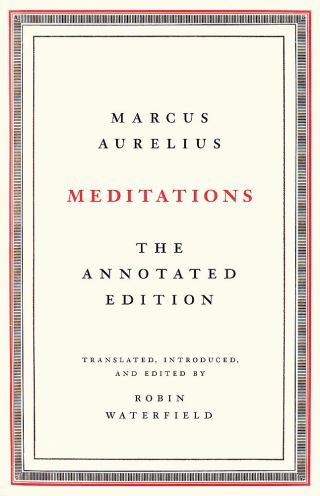
In the article from The Marginalian, the author explores the significance of Marcus Aurelius’s “Meditations,” translated by Robin Waterfield. This work offers profound insights into Stoic philosophy and the art of living a virtuous life. The translation highlights Aurelius’s reflections on resilience, mindfulness, and the human experience, making it accessible and compelling for modern readers.

To delve deeper into the wisdom of Marcus Aurelius and understand how it can enrich your life, read the original article here.

The Astonishing Power of Owning Your Story

Has anyone ever believed a lie about you or misunderstood you? It’s a painful experience. We explore what can happen when a person completely loses agency over their own story.

In the article, the author delves into the emotional turmoil one experiences when others believe falsehoods or misunderstandings about them. It highlights the profound impact this loss of agency can have on an individual’s narrative and identity. The exploration of these themes prompts readers to reflect on their own experiences with misrepresentation and the importance of reclaiming one’s story.

If you want to dive deeper into this poignant discussion and gain insights into reclaiming your narrative, be sure to read the original article. Go to the source: The Astonishing Power of Owning Your Story

Start a Blog at WordPress.com.

Up ↑