What This Fourth of July Is Really About

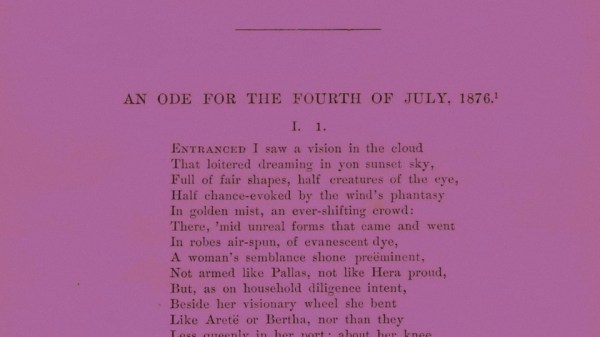
An unfinished ode from 1876 offers a lesson for America’s 250th. Open this link in incognito or private mode: What This Fourth of July Is Really About

George Washington’s Rules of Civility (and Decent Behaviour in Company and Conversation)

George Washington’s “Rules of Civility and Decent Behaviour in Company and Conversation” is a collection of 110 maxims that emphasize proper conduct and etiquette in social interactions. Originally derived from a set of French rules, Washington adopted and translated them in his youth. The rules cover various aspects of behavior, including:

  1. Respect for Others: Treating people with kindness and dignity, acknowledging their presence, and showing proper deference in conversation.
  2. Politeness and Modesty: Maintaining humility and refraining from boasting, as well as speaking appropriately according to the situation.
  3. Listening and Understanding: The importance of listening attentively and allowing others to express their thoughts without interruption.
  4. Avoiding Controversy: Steering clear of topics that could lead to disagreements or discord, particularly in mixed company.
  5. Good Manners: Practicing etiquette during meals and gatherings, sharing space amicably, and being gracious in both victories and losses.

Collectively, these maxims provide insight into the social expectations of Washington’s time and reflect timeless principles of civility that are still relevant today.

Could you imagine what our current president’s book would look like?

Media, Technology, and Stress At America’s 250th

“The United States is in a strange position. Even as we prepare to celebrate our 250th anniversary we are dissatisfied with how things stand. A recent Pew Poll indicated that 69% of Americans don’t like the way things are going right now but that may have always been true in this country; historians believe that only 30-40% of American Colonists actively supported the Revolutionary War, with 20% remaining loyal to the crown, and the remainder being neutral or disengaged.”

Go to the source and read the whole article if you’re interested: Media, Technology, and Stress At America’s 250th

David Brooks: America Has a Moral Problem, Not a Political One

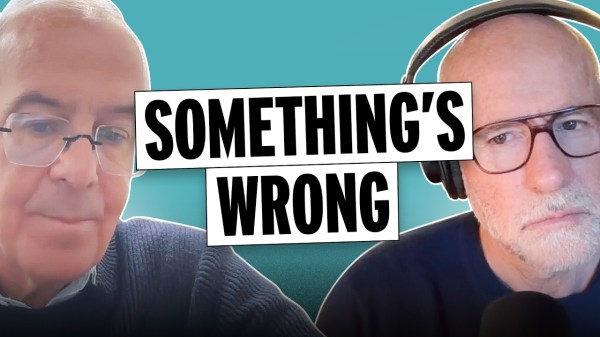
In this episode of Prof G Conversations, host Scott Galloway interviews author, New York Times veteran, and Atlantic writer David Brooks. The discussion centers around what Brooks views as a deep-seated human and moral crisis in modern America, rather than a purely political one…

Continue reading “David Brooks: America Has a Moral Problem, Not a Political One”

How America Recovers from All This

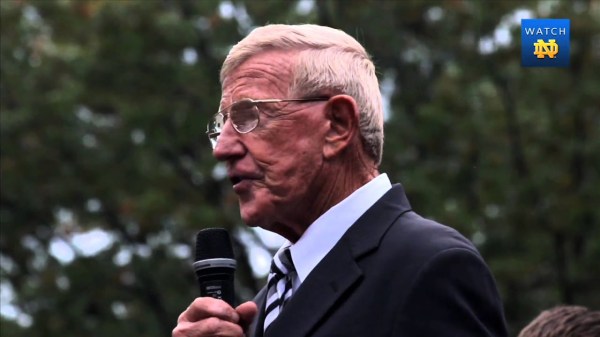
Lou Holtz Notre Dame-USC Pep Rally Speech

Lou Holtz was a retired American football coach, motivational speaker, and author, born on January 6, 1937, in Follansbee, West Virginia. He began his coaching career in college football, working with various teams, including the University of Massachusetts and the University of Arkansas. Holtz gained national prominence during his tenure as the head coach at the University of Notre Dame from 1986 to 1996, where he led the Fighting Irish to a national championship in 1988.

Holtz is known for his unique coaching style, ability to motivate players, and his keen understanding of the game. After retiring from coaching, he became a celebrated speaker and author, sharing his philosophies on leadership and success. Holtz was inducted into the College Football Hall of Fame in 2008, leaving a lasting legacy in the world of sports. Throughout his life, he has emphasized the importance of attitude, effort, and integrity in achieving one’s goals.

Dark news for the future of ‘ethical AI’

Questions about ethical AI may go out the window when democratic norms are collapsing.

The article discusses how the Pentagon pressured artificial intelligence companies before military strikes on Iran, raising concerns about the future of ethical AI. It highlights the tension between national security interests and the ethical considerations of AI development, suggesting that when democratic norms weaken, the emphasis on ethical practices in AI may be compromised. The situation underscores the complex relationship between military actions and the principles of ethical AI, prompting a reevaluation of what ethical standards mean in the context of real-world applications.

Go to the source: The Pentagon strongarmed AI firms before Iran strikes – in dark news for the future of ‘ethical AI’

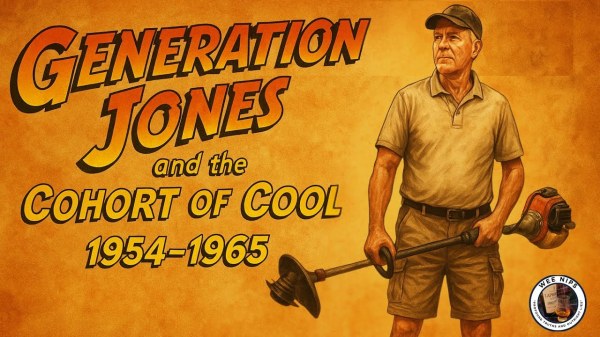
Generation Jones EXPLAINED: The Lost Generation Nobody Talks About

Generation Jones refers to a demographic cohort that is typically defined as individuals born between the mid-1950s and the mid-1960s. This generation falls between the Baby Boomers and Generation X. The term was coined by sociologist Jonathan Pontell to encapsulate the unique cultural, social, and economic experiences that this group faced.

Members of Generation Jones often experienced a range of significant historical events during their formative years, such as the Vietnam War, the Watergate scandal, and the rise of new technologies. They are characterized by their transitional identity, bridging the idealism of the Baby Boomers and the pragmatism of Generation X. This generation is often noted for its skepticism and disillusionment, influenced by the cultural shifts of the late 20th century.

Overall, Generation Jones reflects the complexities and nuances of this specific age group, emphasizing their distinct position in the generational landscape.

American Obituary

Add U2 to the ever-growing list of artists penning protest songs about the Trump administration’s Operation Metro Surge in Minnesota. 

The band released an unexpected new five-song EP, “Days of Ash,” on Wednesday, and it includes a track titled “American Obituary.” On it, the band directly responds to the situation in Minnesota, including a verse about the death of Renee Good, who was shot and killed by an ICE agent on Jan. 7.

America Isn’t Ready for What AI Will Do to Jobs

Does anyone have a plan for what happens next?

The article “America Isn’t Ready for What AI Will Do to Jobs” discusses the potential transformative impact of artificial intelligence on the labor market. It highlights that many workers may face job displacement due to rapid advancements in AI technology. The piece emphasizes the need for proactive planning and policies to address these changes, including reskilling workers and adapting to new job landscapes. Overall, the author warns that without a clear plan, the workforce could be inadequately prepared for the shifts that AI will bring to various industries.

Go to the Source: America Isn’t Ready for What AI Will Do to Jobs

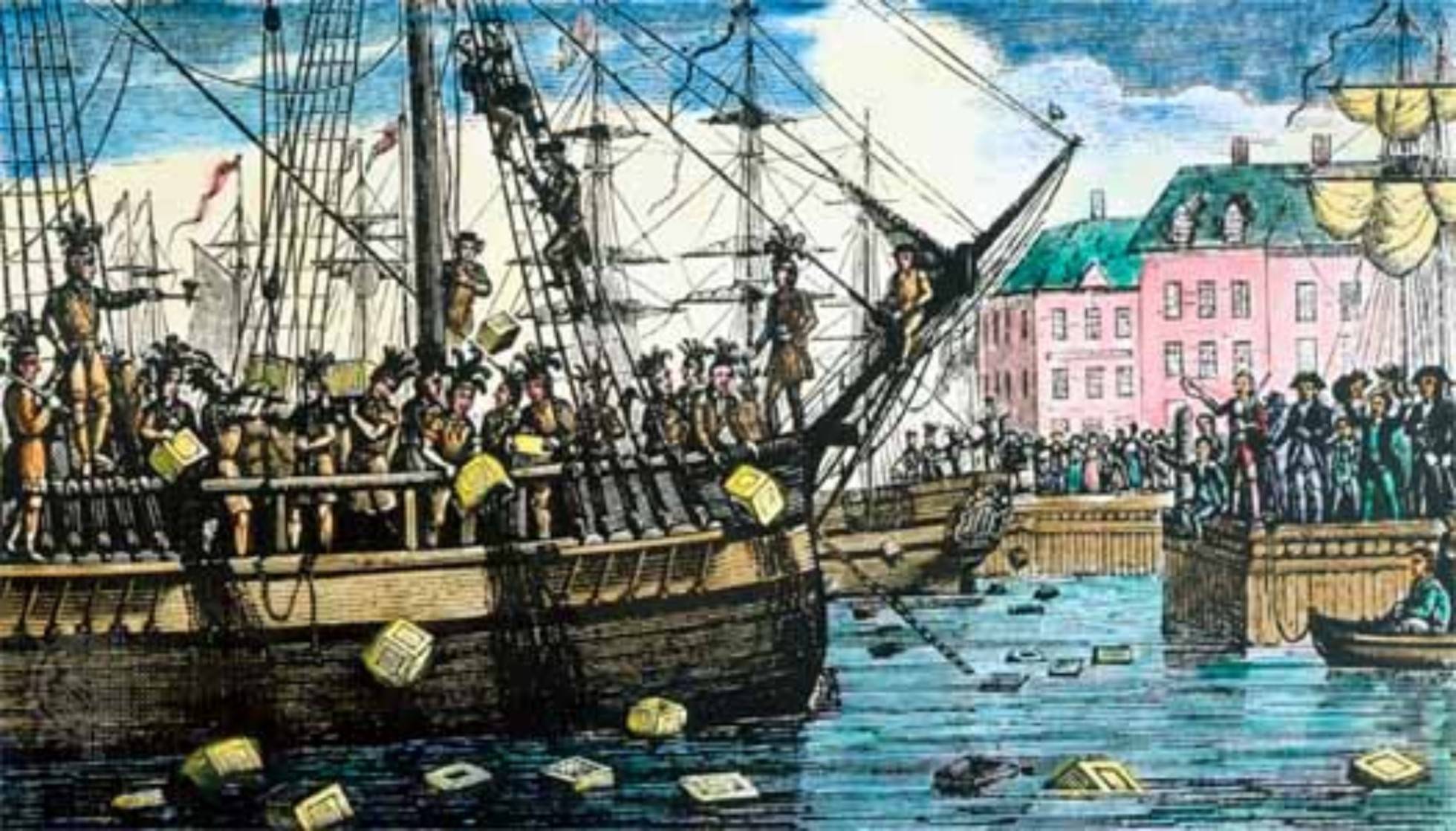
American Minute for December 16th; The Boston Tea Party

boston-tea-party-3


Bill Federer writes:

The British passed taxes on the American colonies, stifling the economy:

1764 Sugar Act-taxing sugar, coffee, wine;

1765 Stamp Act-taxing newspapers, contracts, letters, playing cards and all printed materials; and the

1767 Townshend Acts-taxing glass, paints, paper.

Beginning in 1768, British troops quartered in American homes.

When citizens gathered in protest, March 5, 1770, British troops fired into crowd, killing five, in what was called “the Boston Massacre.”

Just three years later, in 1773, the British passed yet another tax, the “Tea Act.”

While American merchants paid taxes, British allowed the East India Tea Company to sell a half million pounds of tea in the Colonies with no taxes, giving them a monopoly by underselling American merchants.

The citizens of Boston had enough, and on DECEMBER 16, 1773, led by Samuel Adams, a band of patriots called Sons of Liberty, disguised themselves as Mohawk Indians, left the South Meeting House toward Griffin’s Wharf, boarded the ships Dartmouth, Eleanor and Beaver, and threw 342 chests of tea into the harbor.

This was called the Boston Tea Party.

The men of Marlborough, Massachusetts, declared:

“Death is more eligible than slavery. A free-born people are not required by the religion of Jesus Christ to submit to tyranny, but may make use of such power as God has given them to recover and support their liberties…

We implore the Ruler above the skies that He would bare His arm…and let Israel go.”

via American Minute for December 16th.

Start a Blog at WordPress.com.

Up ↑