Defensiveness can mean trying to counter or deny criticisms in areas where you feel sensitive, afraid, guilty, or deceitful. In some cases, defensiveness may arise if you felt the need to use specific coping skills in childhood or adolescence to survive, and those skills were helpful at the time. As an adult, however, defensiveness may no longer serve you. Additionally, defensive habits may cause difficulties in pushing others away or communicating. Source: Understanding Defensiveness As A Coping Skill | BetterHelp
I used to start my day every morning by saying ‘Alexa, start my day’ and I’d get a mix of the latest national, state and local news and I’d listen in the background while I’d drink my coffee and wake up. Last week I changed that habit and instead I now say ‘Alexa, shuffle the ‘Start me up’ playlist on everywhere’ and my entire apartment is filled with my favorite upbeat music. I start my day singing and dancing and I continue to listen while I walk a couple of miles, stretch and meditate and my life is better as a result. Here’s my list in case you’d like to use it — I think my taste in music’s pretty good thanks to decades of listening to 93XRT in Chicago and I think that with the help of Spotify I’m a pretty good curator. If you think you can do better do it! The question is what can you do to get your day off to a better start?
Recently, I said to a good friend ‘I accept that my life is fucked. Now I need to know what to do to UNFUCK it.’ and that reminded me of author Gary John Bishop and his book Unfuck Yourself:
“It’s not that you have to find the answer, you are the answer.” This book will require you to seek the answer, not out there, but inside of yourself. It’s not that you have to find the answer, you are the answer. As I’ve said to my clients many, many times, people spend their lives waiting for the cavalry, all the while never realizing they are the cavalry. Your life is waiting on you to finally show up.
Bishop, Gary John. Unfu*k Yourself: Get Out of Your Head and into Your Life (pp. 15-16). HarperOne. Kindle Edition.
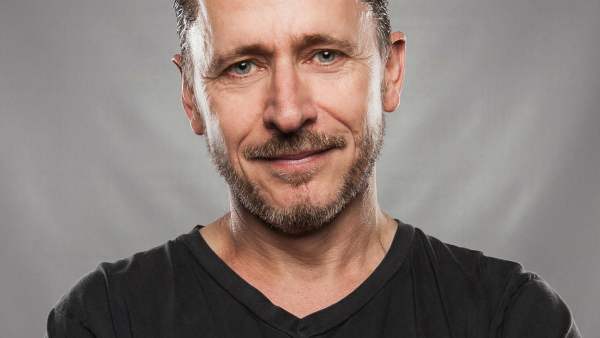
If you’re the kind of person that sometimes needs a good Scottish coach to tell you to get your shit together, then Gary John may be just what you need!
If you like the video then you’ll love the book!
If this kind of talking to gets you energized, then check out his YouTube channel and you can get his podcasts on your favorite player.
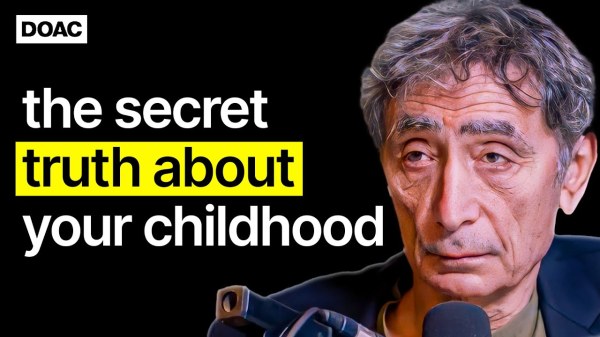
Dr. Maté generously shares his deep understanding of childhood trauma, vulnerability, grief, and emotional distress. He explains what real trauma is and how time doesn’t necessarily lead to healing, how vulnerability is ingrained in us since we are young and the importance of these formative years to mold our emotional health, and the societal expectations we always try to meet but have never truly given us real fulfillment. We also exchange thoughts on dealing with grief, how we struggle to identify with the people we look up to, and how childhood experience varies for every child even when they are raised in a similar environment.
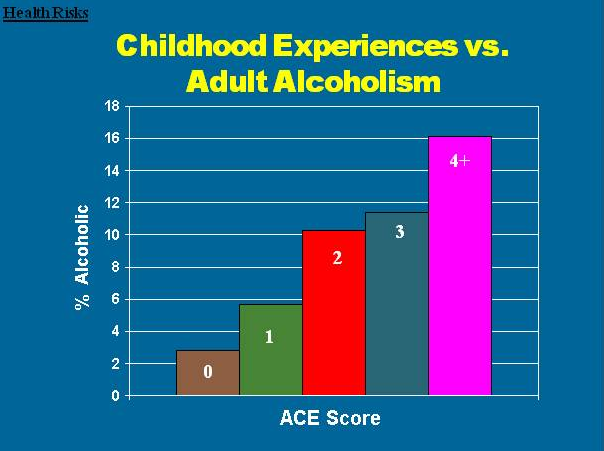
What ACEs do you have? There are 10 types of childhood trauma measured in the CDC-Kaiser Permanente Adverse Childhood Experiences Study. The number of ACEs and offsetting PCEs play a huge role in your childhood growth and development and could give you insight into addictive behaviors. Go to the source: What ACEs/PCEs do you have?
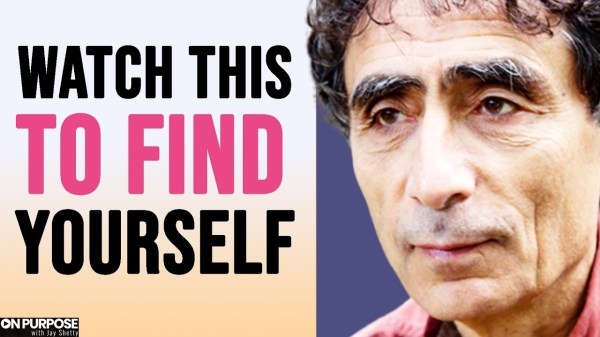
Gabor Mate explains the significance of childhood trauma here:
Gabor Mate is a multi-bestselling author and a world leading expert on trauma and how it effects us throughout our whole lives. A holocaust survivor and a first generation immigrant, Gabor’s knowledge and wisdom on the scars trauma leaves behind is deep and drawn from personal experience.














 Bright, shiny objects!
You must be logged in to post a comment.