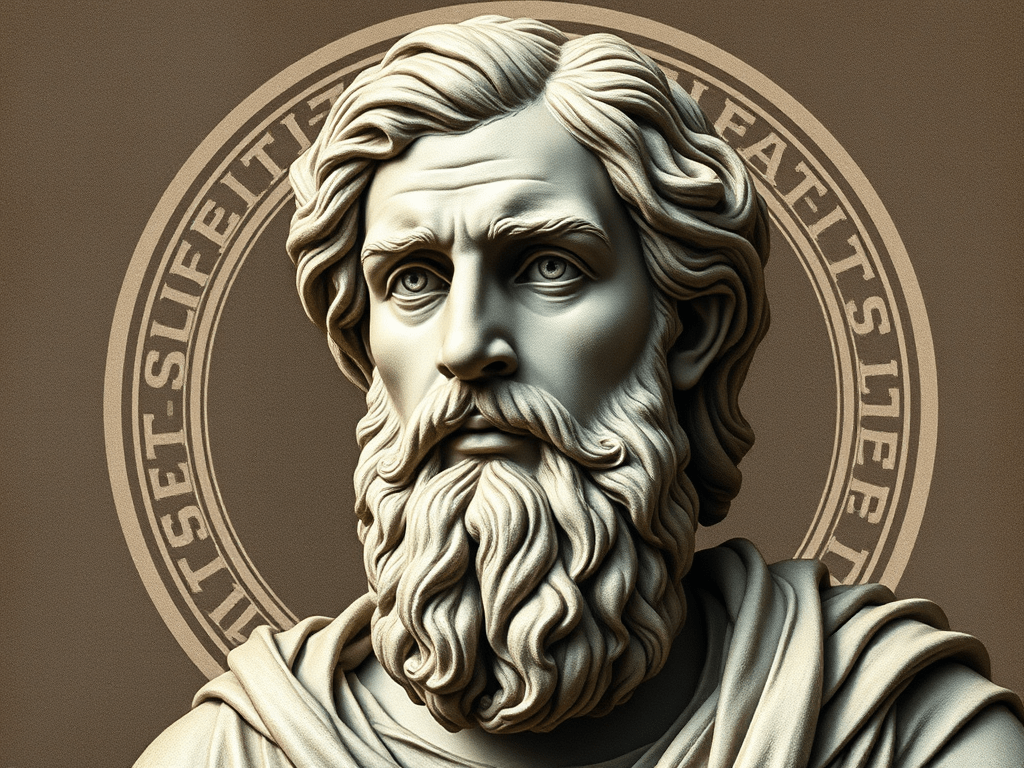
Socrates was a major influence on the development of Stoicism.1 While he didn’t directly found the school (that was Zeno of Citium in the early 3rd century BCE), several core tenets of Stoic philosophy have their roots in Socratic thought. Here’s a breakdown of the key connections:
- Emphasis on Virtue: Socrates believed that virtue is the only true good and the key to happiness. This idea is central to Stoicism as well. Stoics also see virtue (wisdom, justice, courage, and temperance) as the sole good and the ultimate goal in life.2 External factors like wealth, health, or reputation are considered indifferent – neither good nor bad in themselves.3
- Self-Control and Reason: Socrates stressed the importance of self-examination and the use of reason to guide one’s actions.4 He believed that wrongdoing stemmed from ignorance, and that by understanding what is truly good, people would naturally act virtuously.5 Stoics also placed a strong emphasis on the power of reason to control emotions and live in accordance with nature.6 They believed that through rigorous self-discipline and the application of logic, individuals could achieve inner peace and tranquility.7
- Cosmopolitanism: Socrates famously said, “I am a citizen of the world.” This idea of universal citizenship, of belonging to a larger human community, resonated with the Stoics. They believed in the natural law that governs the universe and saw all people as part of this cosmic order, emphasizing the importance of social duty and treating others with fairness and respect.8
- Focus on Inner Life: Socrates encouraged people to focus on their inner well-being rather than external appearances or possessions.9 The Stoics adopted this focus, emphasizing the importance of one’s thoughts and character as the source of happiness and resilience.10 They taught that external events are often beyond our control, but our reactions to them are within our power.
- Acceptance of Fate: While Socrates’ views on fate are not as explicitly detailed as in Stoicism, his acceptance of his own death sentence demonstrates a certain level of resignation to what he could not control. The Stoics developed this further, advocating for the acceptance of what we cannot change and focusing our efforts on what lies within our control – our thoughts and actions.11
In essence, the Stoics built upon the ethical framework laid by Socrates, systematizing his ideas into a comprehensive philosophy of life focused on virtue, reason, and living in harmony with nature.12 They took Socrates’ emphasis on inner strength and rational self-governance and developed it into a practical guide for navigating the challenges of life.13
 Bright, shiny objects!
What do you think?