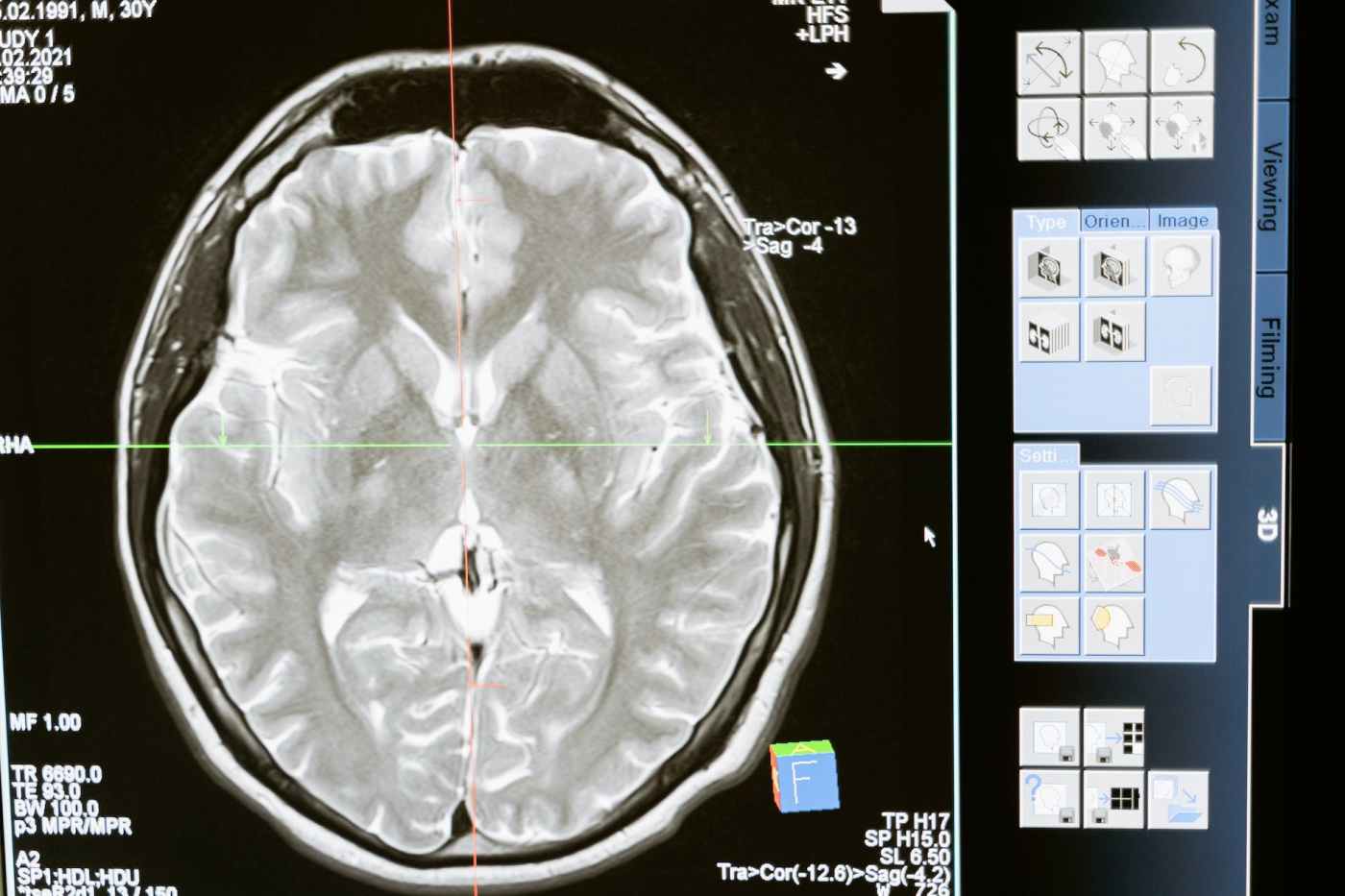
Neuroplasticity, the brain’s remarkable ability to change and adapt, has captivated the minds of researchers and scientists for decades. This phenomenon refers to the brain’s capacity to reorganize itself by forming new neural connections in response to learning, experience, and even injury. In this blog post, we will delve into the fascinating world of neuroplasticity and explore its implications for human development and rehabilitation.
At its core, neuroplasticity challenges the long-held belief that the brain is a fixed and unchanging organ. Instead, it highlights the brain’s inherent malleability, allowing it to continuously refine and rewire its neural pathways. This adaptability is not limited to specific regions of the brain but extends across its entirety, opening up a world of possibilities for growth and transformation.
One significant factor contributing to neuroplasticity is learning. Every time we acquire new knowledge or develop a skill, our brain undergoes changes at the cellular level. This process involves various mechanisms, such as synaptic pruning, where weak or unused connections are eliminated, and synaptic potentiation, which strengthens existing connections. These adaptations enable us to learn and adapt to new situations, ultimately aiding in our personal and professional development.
Moreover, neuroplasticity plays a vital role in rehabilitation following brain injuries. In the past, it was believed that once the brain was damaged, recovery was highly unlikely. However, research has shown that the brain has an astonishing capacity to reorganize itself to some extent, even after significant injury. Through intensive therapy and targeted exercises, individuals can rewire their brain, allowing undamaged regions to assume the functions of the damaged ones. This process highlights the potential for recovery and offers hope to those affected by traumatic brain injuries or strokes.
Interestingly, neuroplasticity is not confined to the early years of life. While the brain exhibits higher plasticity during childhood, it retains its ability to change throughout adulthood. This finding challenges the notion that brain development only occurs during the early stages of life. Consequently, adults can continually learn, develop new skills, and sharpen existing ones, benefiting from neuroplasticity’s lifelong potential.
Harnessing the power of neuroplasticity requires intentional effort and practice. By engaging in activities that stimulate the mind, such as reading, solving puzzles, or learning a musical instrument, we can actively promote the formation of new neural connections. Additionally, leading a physically active lifestyle and prioritizing a healthy diet can also contribute to neural plasticity, creating an optimal environment for brain growth and development.
In conclusion, neuroplasticity revolutionizes our understanding of the brain’s capabilities. It highlights the brain’s capacity to adapt, change, and grow throughout life, contrary to previous beliefs. By embracing neuroplasticity and actively engaging in activities that promote brain stimulation, we can unlock our full potential and embark on a journey of lifelong learning and personal growth. So, let us embrace the power of neuroplasticity and nurture our brains to thrive in an ever-changing world.
 Bright, shiny objects!