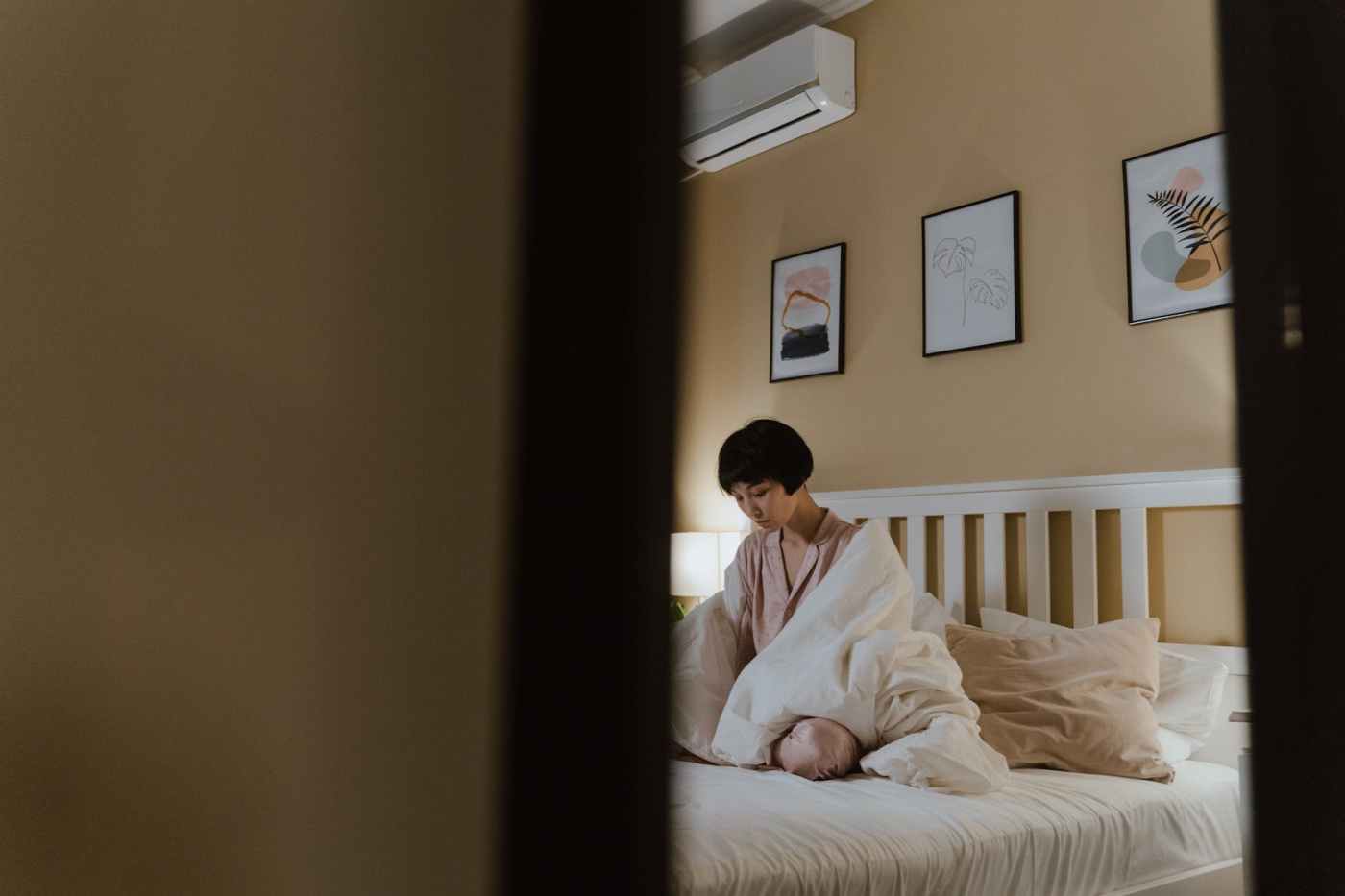
Loneliness and being alone may appear similar but have distinct differences. Being alone refers to physical solitude, where a person is by themselves without the presence of others. It is a state of being without companionship.
On the other hand, loneliness is an emotional state that arises from a sense of isolation or dissatisfaction with one’s social connections. It is possible to feel lonely even when surrounded by others, as it is more about the quality and depth of social interactions rather than the mere absence of people.
Being alone can be a choice and may provide an individual with solitude and self-reflection. It doesn’t necessarily lead to negative feelings. In fact, it can be a source of creativity, relaxation, and personal growth.
However, loneliness is generally considered undesirable and can have negative effects on mental and physical well-being. It can lead to feelings of emptiness, sadness, and a longing for meaningful connections. Loneliness can be temporary or chronic, and it’s important to address and alleviate it by nurturing social relationships, seeking support, and engaging in activities that foster a sense of belonging.
Are you alone or lonely? Your perspective may have a lot to do with how socially isolated you are or how much agency or choice you feel you have in the matter. Author and podcaster Andrew Marshall takes on this topic here with guest Dr. Sam Carr:
 Bright, shiny objects!
What do you think?