I’d venture to say that one of the reasons we don’t care enough about what’s happening in Ukraine is we see them as an ‘unreal other’ but Ukrainians are people like us and the Russians are raping their beautiful country. Perhaps this will help someone see the Ukrainians as people and take action to help them.
You Have Just Five Minutes Left to Live – What Are Your Deathbed Regrets? via @TinyBuddha
By contemplating our deathbed regrets, we learn that the secret to the art of dying well is right under our noses in how we live our lives. Source: You Have Just Five Minutes Left to Live – What Are Your Deathbed Regrets? – Tiny Buddha
The 8 Different Types of Dementia According to Science

Most people don’t know that eight different types of dementia exist that could impact the brain as we age. These are good to know. Source: The 8 Different Types of Dementia According to Science
What Can Be Done About Our Deep Political Divisions? via @PsychToday

“Long-form journalism traditionally prompted us to “stop and think.” By contrast, today’s partisan news and social media outlets often encourage us to “hurry up and feel.” As a result, our ability to think and argue with our fellow citizens has regrettably atrophied. Accordingly, we have to start exercising our deliberative social skills and discerning media habits once more.” Source: What Can Be Done About Our Deep Political Divisions? | Psychology Today
What a Healthy Partnership Looks Like

For those who don’t have a good reference in their own lives. Source: What a Healthy Partnership Looks Like
The Calling of These Times via @tarabrach

The Dalai Lama invites us to trust in the power of heart and awareness to awake through all circumstances. What does that look like in the midst of our current global crises? Source: The Calling of These Times – Part 1 – Tara Brach
50 Cover Songs Better Than the Originals
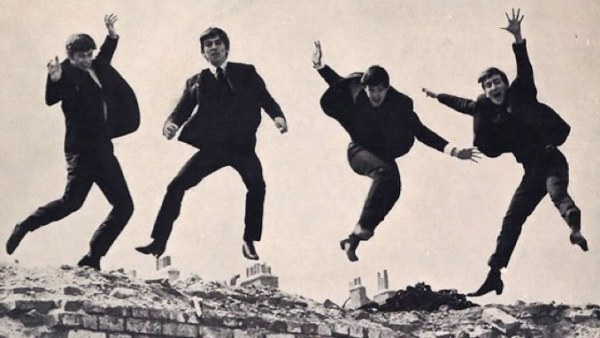
There are some songs that you don’t truly appreciate until another artist takes it on and makes it their own. Oftentimes the newer version draws out the original’s complexities in a way you never would have noticed before. Source: 50 Cover Songs Better Than the Originals
My favorite came in at #8:
America Is Pursuing Happiness in All the Wrong Places

The U.S. is undergoing a crisis of our personal and shared sense of meaning as polarization rises and institutions erode. The solution is as simple as it is difficult: Love one another. Source: America Is Pursuing Happiness in All the Wrong Places
Does Any Good Come From Spanking Children?

Spanking children remains a complex and controversial issue. Go to the source: Does Any Good Come From Spanking Children?
A New Formula for Happiness

I’m a huge fan of Arthur Brook’s content on happiness. Here’s an example of his work. ‘The happiness we seek can require investing earlier than we think—and may help us align our expectations and reality at the end of life’: A New Formula for Happiness
Elton John, Paul McCartney Talk ‘Sacred’ Abbey Road Studios in Documentary Trailer

“It felt natural to explore the wealth of stories, and unearth so many unheard gems that I had not known about,” director Mary McCartney tells Rolling Stone about the new Disney+ film: Elton John, Paul McCartney Talk ‘Sacred’ Abbey Road Studios in Documentary Trailer
Watch 1971: The Year That Music Changed Everything
In a tumultuous era, 1971 was a year of musical innovation and rebirth fueled by the political and cultural upheaval of the time. Go to the source: Watch 1971: The Year That Music Changed Everything | Apple TV+
Here’s the Spotify playlist:
How Emotionally Immature Parenting Affects Our Adult Lives

Recognizing 4 types of emotionally immature parents and the long-term effects. Source: How Emotionally Immature Parenting Affects Our Adult Lives
Behold the power of art!

Had you heard that Banksy is in Ukraine? NPR reports “Banksy’s work, which the artist posted on Instagram Friday to 11.2 million followers, features a gymnast balancing on a pile of rubble with her hands”. Go to the source: A new Banksy mural adorns a destroyed building in Ukraine
Here are some examples:



10 Basic Needs Men Have In Relationships

Wait…do guys have feelings too?! Source: 10 Basic Needs Men Have In Relationships
7 Ancient Stoic Tenets To Keep In Mind Today And Every Day
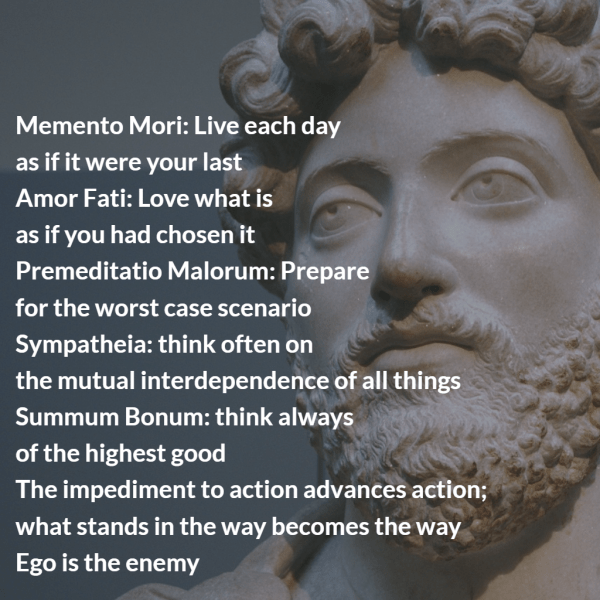
Could some ancient and obscure pages—the private diaries of one of Rome’s greatest emperors (Marcus Aurelius), the personal letters of one of Rome’s best playwrights and wisest power brokers (Seneca), the lectures of a former slave and exile, turned influential teacher (Epictetus)—really contain anything relevant to modern life? The answer, it turns out, is yes. Source: 7 Ancient Stoic Tenets To Keep In Mind Today And Every Day
The tenets are:
Memento Mori: Live each day as if it were your last
Amor Fati: Love what is as if you had chosen it
Premeditatio Malorum: Prepare for the worst case scenario
Sympatheia: Think often on the mutual interdependence of all things
Summum Bonum: Think always of the highest good
The impediment to action advances action; what stands in the way becomes the way
Ego is the enemy..
Former Wings guitarist Henry McCullough dies, aged 72
The Ulsterman also played with Joe Cocker’s Grease Band, as well as Marianne Faithfull and Donovan. Source: Former Wings guitarist Henry McCullough dies, aged 72. You can see Henry at work in this rough recording of the Wings song that was banned in the UK.
Angels Cry: A Tribute to Sandy Hook Elementary School
I don’t understand why this song didn’t go viral…
 Bright, Shiny Objects!
You must be logged in to post a comment.