I don’t know about you Coach. But I hope that either all of us or none of us are judged by the actions of our weakest moments, but rather by the strength we show when and if we’re ever given a second chance.
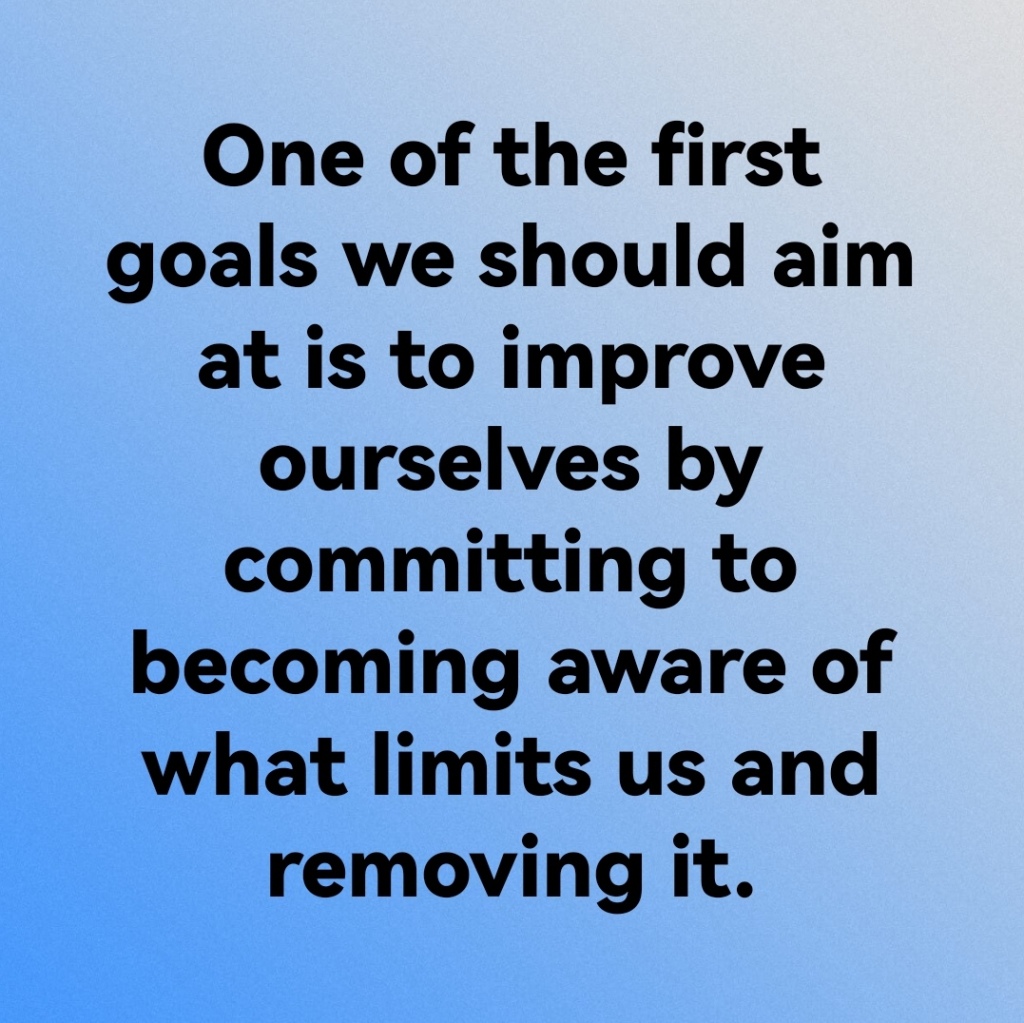
I have always believed that learning more was a mission as I am sure that the more I will know, the better I will be able to help, serve, and take care of those I follow and support.
Learning is an activity that gives impressive results when done with attention and commitment. And the positive thing is that we can learn from everyone and everything, every single moment of our lives.
Image taken from Internet
Over the years, I have developed a way to learn better, to foster curiosity, interest, commitment, motivation, and purpose.
Learning can be the key to whatever we want and hope to achieve. It’s how we set ourselves free from what limits us, allowing us to help other people.
Buddhism and Greek Orthodoxy are two of the world’s oldest religions, and they share a number of similarities. Here are a few of the things that Buddhism and Greek Orthodoxy have in common:
A focus on the individual: Both Buddhism and Greek Orthodoxy emphasize the importance of individual spiritual development. In Buddhism, this is achieved through the practice of meditation and mindfulness, while in Greek Orthodoxy, it is achieved through prayer, fasting, and good works.
A belief in karma: Both Buddhism and Greek Orthodoxy believe in the law of karma, which states that every action has a reaction. This belief encourages people to live moral lives and to avoid doing harm to others.
A focus on compassion: Both Buddhism and Greek Orthodoxy emphasize the importance of compassion for others. This compassion is expressed in both religions through acts of charity and kindness.
A belief in the afterlife: Both Buddhism and Greek Orthodoxy believe in an afterlife, although they have different views on what happens after death. In Buddhism, the goal is to achieve nirvana, which is a state of perfect peace and enlightenment. In Greek Orthodoxy, the goal is to be reunited with God in heaven.
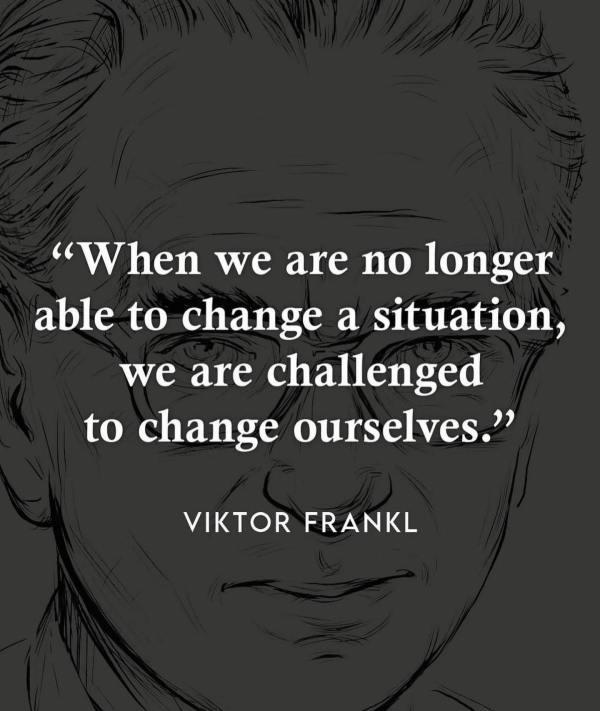
Viktor Frankl, born on the 26th of March 1905 in Vienna, was an Austrian born neurologist, psychiatrist and philosopher. Frankl founded a school of thought called logotherapy, proposing that a search for meaning is the ultimate purpose in a person’s life. Through meaning we have direction and purpose. Go to the source to learn more: Viktor Frankl: Greatest Quotes
Do you think peace requires an end to war? Or tigers eating only vegetables? Does peace require an absence from your boss, your spouse, yourself? Do you think peace will come some other place than here? Some other time than Now? In some other heart than yours?
Peace is this moment without judgment. That is all.This moment in the Heart-space where everything that is is welcome. Peace is this moment without thinking that it should be some other way, that you should feel some other thing, that your life should unfold according to your plans.
Peace is this moment without judgment, this moment in the Heart-space where everything that is is welcome.
The reason? She knows her name. Actually, that’s not fair. I did a lot of hard, really hard work while I was here. It was that hard work that made room for her in my life.
Ice cream is delicious. But it’s also a direct line to daydreams and memories—of leisure, of afternoons in the sun, of the excitement you felt as a 5-year-old meeting the ice-cream truck as it rolled down your street. In 2017, the culture writer Matt Siegel noted an Austrian study that found that “only ice cream lowered the human startle response in men and women (at least when ingested by syringe), whereas chocolate and yogurt did not produce statistically significant outcomes across genders.” This suggests that the comfort of ice cream goes much deeper than “the physiological effects of sugar, fat, temperature, and perceived sweetness,” Siegel writes. “The phenomenon, it appears, is largely psychological.” The writer Margaret Visser argues that ice cream evokes two kinds of nostalgia: one for childhood memories, which recall that feeling of comfort, and the other for “Elsewhere”—summer vacations, beaches, whatever elsewhere means to the rememberer in question. The psychological benefits of ice cream were so ingrained in America’s consciousness by World War II that in 1945, the U.S. Navy spent $1 million to convert a barge into a floating ice-cream factory that was towed around the Pacific, distributing ice cream to ships so troops could enjoy it. Source: Why Is Ice Cream So Easy to Love?

















 Bright, Shiny Objects!
You must be logged in to post a comment.