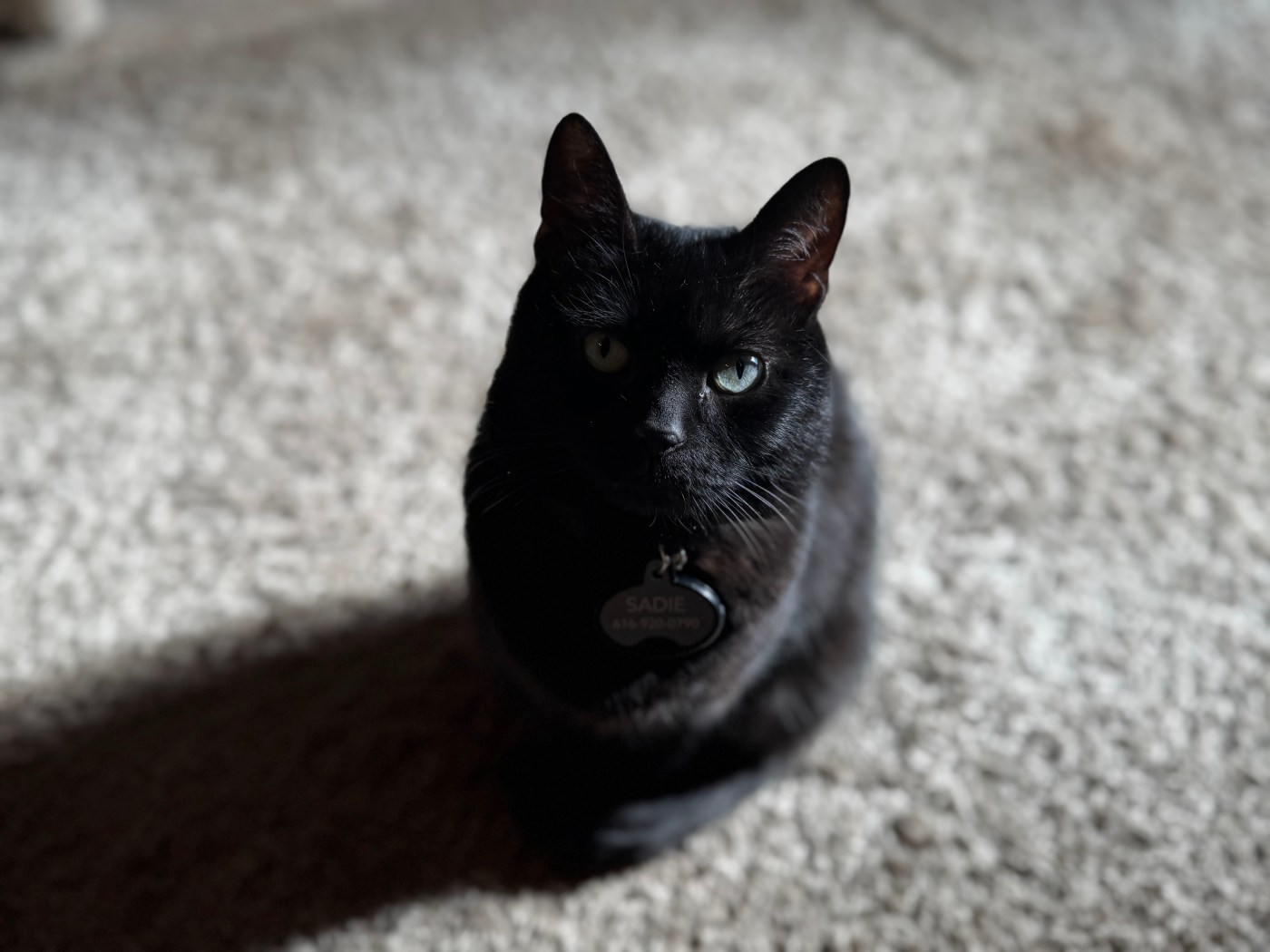
I’m moving to a new home and need new furniture. I used Google Gemini deep research to help me make a decision and the results are astounding…
Feline Scratching Behavior and Furniture Material Interactions: An Analysis of Deterrent Strategies
1. Introduction
The propensity for domestic cats (Felis catus) to scratch household furniture presents a common challenge for pet owners, often leading to significant property damage and frustration. This behavior, while undesirable in a domestic setting, stems from deeply ingrained natural instincts essential for feline well-being.1 Understanding the multifaceted reasons behind scratching is the first step toward developing effective management strategies. This report analyzes the factors influencing feline scratching preferences, evaluates the characteristics of various furniture materials in relation to scratch resistance, and examines behavioral management techniques, including the provision of appropriate scratching alternatives and the use of deterrents. The objective is to provide an evidence-based overview to guide furniture selection and behavioral modification efforts for households with cats.
2. The Etiology of Feline Scratching Behavior
Scratching is a complex, innate behavior in cats, serving multiple physiological and psychological functions that were crucial for the survival of their wild ancestors.2 It typically emerges around 8 weeks of age.2 Understanding these underlying motivations is critical for redirecting the behavior appropriately rather than attempting to suppress it entirely.
- Claw Maintenance: Scratching helps remove the dead outer layer, or husk, of the claws, exposing the sharp, new growth underneath.2 This keeps claws conditioned for activities such as climbing, hunting, and defense.2 It also prevents the claws from growing into the paw pads.3
- Territory Marking: Cats possess interdigital scent glands in their paws.1 When scratching, they deposit pheromones onto the surface, leaving a chemical signal for other cats regarding their presence, health, and status.1 Concurrently, the visible marks left by scratching serve as a visual territory marker.1 In natural environments, upright tree trunks are common targets, placing marks at eye and nose level for other felines.2
- Stretching and Exercise: The act of scratching provides a full-body stretch, particularly for the muscles of the forelimbs, shoulders, and back.1 This physical exertion helps maintain flexibility and muscle tone.6
- Stress Relief and Emotional Regulation: Scratching can act as a self-soothing behavior, potentially releasing calming chemicals in the brain that help cats manage anxiety, excitement, or frustration.1 Increased scratching may sometimes indicate underlying stress or boredom.1
Given these essential functions, preventing scratching entirely is neither feasible nor humane. Instead, management strategies must focus on redirecting this natural behavior towards acceptable outlets.6
3. Furniture Materials and Feline Scratching Preferences
While no furniture material can be guaranteed as entirely “cat-proof,” certain materials are demonstrably less appealing or more resistant to feline scratching than others.9 Conversely, some materials seem particularly attractive to cats due to their texture and the satisfying resistance they offer to claws.11 Material choice is therefore a significant factor in mitigating furniture damage.
3.1 Materials Generally Less Appealing to Cats
These materials often lack the properties cats seek for satisfying scratching, primarily due to their weave structure, smoothness, or density.
- Microfiber and Microsuede: These synthetic fabrics feature an extremely tight weave composed of very fine fibers.10 This density makes it difficult for cats to hook their claws into the material effectively.14 The smooth texture is generally less appealing for scratching compared to rougher surfaces.9 Microfiber is also noted for being relatively easy to clean regarding pet hair and stains.10 However, some types can attract static, causing fur to cling 9, and while resistant, determined cats might still cause damage, particularly at seams.16 Many users report success with microfiber.16
- Velvet: High-quality performance velvets, particularly those made with synthetic fibers like polyester rather than cotton, are frequently recommended.9 Like microfiber, velvet possesses a dense, tight weave with a cut pile (no loops), making it difficult for claws to snag.21 Many anecdotal reports suggest cats lose interest quickly after attempting to scratch velvet.21 However, experiences vary; some cats reportedly do scratch velvet, although the damage may be less severe than on other fabrics.21 Velvet can attract pet hair, but it is often easily removed by vacuuming or brushing.22
- Leather (Specific Types): Leather presents a complex case with highly variable outcomes depending on the type and the individual cat.13
- Other Tightly Woven Fabrics: Canvas, denim, and tightly woven synthetic performance fabrics (like olefin, Crypton) are often cited as durable options.7 The tight weave prevents easy claw penetration.7 Outdoor fabrics, designed for weather resistance, can also be durable choices for indoor use.13 Ultrasuede, a synthetic microfiber, is noted for stain resistance and not attracting hair.13
- Resistance Factors: Genuine leather is generally thick and tough, making it harder to puncture or shred compared to fabric.13 Its smooth surface can be less appealing for scratching than textured fabrics.15 It’s also easy to wipe clean of pet hair.17
- Vulnerability Factors: Many cats do scratch leather, sometimes finding the resistance satisfying.1 Scratches, even superficial ones, can be highly visible as small holes or lines, particularly if the dye doesn’t penetrate the hide fully.15 Faux leather, bonded leather, and split leather are generally thinner and much less durable, tearing easily.26
- Better Leather Choices:
- Top-Grain/Full-Grain Leather: These are the thickest and most durable types, offering better resistance.31
- Pigmented (Protected) Leather: This leather has a protective surface coating that enhances resistance to scratches, stains, and fading, making it the most durable finish type.32 It offers a uniform appearance.
- Semi-Aniline Leather: Offers a balance between the natural look of aniline and the durability of pigmented leather, with a light protective coating.36 More resistant than pure aniline.
- Distressed/Waxed/Oil Pull-Up Leather: These types are designed to show marks and develop a patina; scratches may blend in more easily or even be “healed” by rubbing or heat application (for waxed types).29 Requires acceptance of a “lived-in” look.29
- Aniline Leather: Softest and most natural-looking, but lacks a protective coating, making it highly susceptible to scratches, stains, and fading.35 Generally not recommended for homes with pets unless scratches are accepted.38
- Split, Bonded, Faux Leather: Significantly less durable and prone to tearing.26
3.2 Materials Often Targeted by Cats
Cats are often drawn to materials that offer good resistance for claw-sharpening and allow for easy hooking and shredding.
- Loosely Woven Fabrics: Materials like tweed, boucle, some chenilles, and linen often have prominent loops or a looser weave structure that cats can easily snag their claws into.9 These provide a satisfying tearing sensation for the cat but result in rapid destruction of the upholstery. While some tightly woven linens might fare better, many users report issues.3
- Textured Fabrics: Any fabric with a nubby or highly textured surface can be appealing for scratching.9 Running fingernails across a fabric sample can sometimes indicate its susceptibility; if it feels ridged or catches easily, a cat might find it attractive.20
- Traditional Carpet Upholstery: Standard carpet, especially looped pile, is often targeted by cats, mirroring their attraction to carpeted scratching posts.2 This makes carpeted furniture a risky choice.
- Sisal Fabric: While the preferred material for many scratching posts due to its durability and satisfying texture 2, sisal upholstery would likely be an irresistible target for scratching.
3.3 Furniture Construction and Durability Metrics
Beyond the fabric itself, certain construction elements and durability metrics can influence furniture’s resilience.
- Exposed Legs and Frames: Furniture with exposed wood or metal legs and frames may be less appealing for scratching compared to fully upholstered pieces, although some cats will scratch wood.3 Metal legs are generally impervious.
- Tight Weave: As repeatedly emphasized, a tight weave is a key characteristic of more scratch-resistant fabrics.7
- Rub Count (Wyzenbeek or Martindale Test): This metric measures a fabric’s resistance to abrasion (wear from rubbing), not specifically scratch resistance.48 A higher rub count indicates greater general durability.40 Pet owners are often advised to look for fabrics with a minimum of 30,000, and ideally 45,000 or higher double rubs (Wyzenbeek method) for furniture expected to receive heavy use.40 While not a direct measure of claw resistance, higher durability suggests the fabric may better withstand overall wear, potentially including incidental contact from pets.40 However, a high rub count doesn’t guarantee a fabric won’t snag if it has a looped or loose weave.40
- Fabric Durability Tests (Beyond Rub Count): More comprehensive testing for upholstery includes tensile strength (force needed to break fabric), tearing strength (force needed to tear), seam slippage (movement at seams under pressure), and dimensional stability (resistance to shrinking/stretching).12 Fabrics performing well in these tests, like those marketed by FibreGuard, are designed for overall durability, which can be beneficial in homes with pets, although no fabric is entirely indestructible against determined scratching.12
Table 1: Comparative Properties of Furniture Materials for Cat Owners
Material Category | Key Characteristics Related to Scratching | Scratch Resistance Potential | Cleanability (Hair/Stains) | Potential Downsides | Example Snippet Support |
Microfiber/Microsuede | Very tight weave, smooth texture, difficult for claws to grip | High | Good to Excellent | Can attract static/hair; seams may be vulnerable | 13 |
Performance Velvet | Tight weave, cut pile (no loops), difficult for claws to snag | High (Variable User Exp.) | Good to Excellent | Attracts hair (but often easily removed); some cats may still scratch | 21 |
Leather (Pigmented) | Protective coating, thick hide (if top/full grain), smooth surface | Moderate to High | Excellent (Hair) | Scratches can be visible; less natural feel | 35 |
Leather (Aniline) | No protective coating, soft, natural texture | Low | Good (Hair) | Scratches easily, stains, fades; expensive | 35 |
Leather (Distressed) | Designed to show wear, marks may blend in | Low to Moderate | Good (Hair) | Requires acceptance of patina/marks | 31 |
Canvas/Denim | Heavy-duty, tight weave | Moderate to High | Good | Can feel less plush | 10 |
Tightly Woven Synthetics | Tight weave structure resists claw penetration | Moderate to High | Variable (Often Good) | Appearance/feel varies | 7 |
Loosely Woven Fabrics | Easy for claws to snag/hook/shred (e.g., Tweed, Boucle, some Chenille, Linen) | Very Low | Variable | Prone to rapid damage | 9 |
Standard Carpet | Often looped pile, attractive texture for scratching | Very Low | Variable | Easily damaged by scratching | 44 |
4. Managing Scratching Behavior: A Multi-Pronged Strategy
Choosing a more resistant furniture material is only one part of the solution. Effectively managing unwanted scratching requires a comprehensive approach that addresses the cat’s needs, modifies the environment, and employs consistent training techniques. Relying solely on material choice or deterrents without providing suitable alternatives is unlikely to succeed long-term.
4.1 Providing Appropriate Scratching Alternatives: The Cornerstone Strategy
The most crucial element in preventing furniture damage is providing cats with ample, attractive, and strategically placed scratching outlets that meet their instinctual needs.1
- Variety of Materials: Offer scratching posts or pads made from different materials, as individual cats develop preferences.1 Common options include sisal rope (often preferred for its tree-bark-like texture), corrugated cardboard (shreddable and holds scent well), carpet (use remnants, perhaps Berber), and wood.2 Observing which surfaces your cat currently targets can provide clues to their preference.2
- Multiple Orientations: Cats naturally scratch on vertical, horizontal, and angled surfaces to stretch different muscle groups and mark territory effectively.2 Provide a mix of upright posts, flat pads, angled scratchers, and multi-level cat trees to cater to these different styles.2 If a cat scratches vertically on furniture (like sofa arms), ensure a tall, vertical post is available nearby.2 Horizontal scratchers appeal to cats targeting carpets or rugs.2
- Stability and Size: Scratching posts must be stable and sturdy, incapable of wobbling or tipping over during vigorous use, which could frighten the cat.5 Vertical posts should be tall enough for the cat to achieve a full upward stretch.5
- Strategic Placement: The location of scratching posts is paramount (“Location. Location. Location.” 44). Place posts directly adjacent to the furniture items the cat is currently scratching.1 Other effective locations include near favorite sleeping areas (cats often stretch and scratch upon waking) 5, near windows for added environmental interest 44, and in high-traffic zones where cats feel compelled to leave their mark.5 Avoid placing posts in undesirable locations like near litter boxes, noisy appliances, or isolated areas the cat avoids.44 Having multiple posts throughout the home ensures an acceptable option is always readily available.5
- Enhancing Attractiveness: Encourage use of new posts by rubbing them with catnip or spraying catnip spray.2 Hanging toys from the post can also attract attention.7 Use positive reinforcement: offer praise, petting, or treats immediately when the cat uses the designated scratcher.1 Gently lead the cat to the post using a wand toy.6
- DIY and Furniture-Mounted Options: Creating custom scratching posts or panels can be cost-effective and tailored to specific needs.46 Materials like lumber, cardboard boxes, sisal rope, sisal fabric, or carpet remnants can be used.46 Commercial or DIY scratching panels made of sisal or carpet can be attached directly to furniture corners or arms, protecting the furniture while providing an acceptable scratching surface in the exact location the cat prefers.11
4.2 Deterrents Demystified: Tools for Training and Protection
Deterrents serve to make the undesirable scratching target (furniture) less appealing or inaccessible.1 They function best as temporary training aids used in conjunction with providing attractive alternatives, rather than as standalone, long-term solutions.55 Punitive methods should be avoided as they can induce fear and anxiety, potentially worsening behavior.1
- Physical Barriers/Covers: Covering furniture temporarily blocks access. Options include blankets, throws, or dedicated slipcovers.1 Choosing durable, washable materials like microfiber or canvas is practical.13 Clear plastic sheeting can also be used.2 Commercial rigid plastic or flexible vinyl shields offer targeted protection, often for corners, and can be secured with pins (though pins may pose a risk if pulled out).11 While effective at preventing access, covers can be aesthetically undesirable and may only be a temporary fix.8
- Textural Deterrents (Sticky): Double-sided sticky tape applied to furniture surfaces creates an unpleasant tactile sensation for cats’ paws, discouraging scratching.1 It is widely available in large sheets or rolls, often transparent to minimize visual impact.11 Many users find tape effective in deterring scratching.33 However, potential drawbacks exist: the tape can lose adhesion over time, collect dust and pet hair 11, potentially damage delicate surfaces like leather (product warnings should be checked carefully 11), be difficult to remove cleanly 67, or some cats may ignore it or even attempt to remove or chew it.57 For training purposes, the tape may need to remain in place for several weeks.57 Some behaviorists caution that simply blocking the behavior without addressing the underlying need can lead to frustration and other unwanted behaviors.55
- Textural Deterrents (Other): Aluminum foil placed on surfaces can deter some cats, although they may simply move to an uncovered area.44 Other options include sandpaper 50, plastic carpet runners placed knobby-side-up on or around furniture 50, or commercially available “Scat Mats” with flexible plastic spikes.69
- Scent-Based Deterrents (Sprays): Commercial sprays often utilize scents generally disliked by cats, such as citrus (lemon, orange), rosemary, vinegar, citronella, peppermint, cinnamon, lemongrass, thyme, or various essential oils.1 DIY recipes using vinegar, lemon juice, and herbs exist.77 Bitter-tasting sprays (like bitter apple) are also available.52 Pheromone sprays (e.g., Feliway Classic) contain analogues of feline facial pheromones, which cats deposit when marking familiar territory by rubbing; applying these to furniture might reduce a cat’s motivation to scratch-mark the same area.1
- Motion-Activated Deterrents: These devices trigger a deterrent when a cat enters their sensor range. Options include compressed air canisters that emit a hiss or puff of air (e.g., SSSCAT) 2, ultrasonic devices emitting high-frequency sounds unpleasant to cats but often inaudible to humans 64, and motion-activated sprinklers primarily for outdoor use.70
- Cleaning Previously Scratched Areas: It is vital to thoroughly clean areas where the cat has previously scratched using an enzymatic cleaner designed to break down pet odors and pheromones.2 Cats are drawn back to their own scent markings, so removing these olfactory cues reduces the motivation to re-scratch the same spot.2
- Effectiveness and Limitations: Results with scent sprays are highly variable; they may work for some cats but not others.44 Some users report success 28, while others find them ineffective.65 Crucially, sprays require frequent and consistent reapplication – often multiple times daily initially, then tapering off – to maintain the repellent scent and break the cat’s habit.7 It is essential to test sprays on an inconspicuous area first to check for colorfastness or damage to the furniture material.72 The scent may also be unpleasant for humans.64 There’s potential for cats to become habituated to the scent over time.79
- Effectiveness and Limitations: These can effectively startle cats away from protected areas.2 However, cats may learn the boundaries of the sensor field and simply avoid it, or they may become habituated to the stimulus over time.79 Loud or startling deterrents should be used cautiously, as they can increase fear and anxiety in sensitive cats.2 Ultrasonic devices may affect other pets (like dogs) and should generally not be used indoors if they cause distress to any household animal.64 Some studies suggest ultrasonic devices can become more effective over time as cats learn to associate the area with the unpleasant sound.80
Table 2: Overview of Cat Scratching Deterrents
Deterrent Type | Examples | How It Works | Reported Effectiveness Notes | Key Considerations |
Physical Barrier/Cover | Blankets, Throws, Slipcovers, Plastic Sheeting | Blocks physical access to furniture surface | Effective while in place; may be temporary or aesthetically unpleasing | Durability/washability of cover material; potential for cat to get under/around it |
Physical Shield | Commercial Plastic/Vinyl Protectors | Rigid/flexible barrier prevents claw contact | Can be effective; often transparent; pins may pose risk | Aesthetics; proper fit/securement; potential for pins to damage furniture or be ingested if removed |
Textural (Sticky) | Double-Sided Tape (Sheets/Rolls) | Unpleasant sticky sensation on paws | Widely used, often effective; requires consistency; some cats ignore/remove | Potential surface damage (esp. leather); collects dirt/hair; can be difficult to remove; may cause frustration |
Textural (Other) | Aluminum Foil, Sandpaper, Plastic Runner (knobs up), Scat Mats | Unpleasant/uncomfortable texture under paws | Variable effectiveness; cats may avoid foil/move elsewhere; mats can deter digging/walking | Aesthetics; practicality; potential for cat to simply avoid the specific deterrent area |
Scent-Based Spray | Citrus, Vinegar, Essential Oils, Bitter Apple | Unpleasant odor/taste deters approach/contact | Highly variable (cat/product dependent); requires frequent reapplication; some find effective | Test for colorfastness; scent may be unpleasant to humans; potential for habituation |
Pheromone Spray | Feliway Classic | Mimics facial pheromones (calming/familiarity) | May reduce marking motivation in treated areas; addresses underlying stress | Best used as part of broader stress reduction; not a direct physical deterrent |
Motion-Activated (Air) | SSSCAT | Startles cat with hiss/puff of air | Can be effective deterrent; startle effect | Requires battery/refills; noise may cause anxiety in some cats; potential habituation |
Motion-Activated (Sound) | Ultrasonic Devices | Emits high-frequency sound unpleasant to cats | Can deter cats from areas; effectiveness may increase over time; primarily for outdoors | Potential to bother other pets; should not be used indoors if distressing; potential habituation |
Motion-Activated (Water) | Sprinklers | Startles cat with burst of water | Effective for outdoor areas; cats learn to avoid zone | Requires water source (hose/reservoir); not suitable for freezing weather; outdoor use only |
4.3 Essential Cat Care and Environmental Management
Complementary strategies focusing on the cat’s physical needs and emotional state are crucial for long-term success.
- Nail Trimming: Regularly trimming the sharp tips of a cat’s claws significantly reduces the potential for damage, even if scratching occurs.1 This should be done carefully, avoiding the quick (the pink part containing nerves and blood vessels). It is important to distinguish nail trimming from declawing (onychectomy), an amputation procedure considered inhumane by many veterinary and animal welfare organizations due to potential for chronic pain and behavioral problems.8 Nail trimming does not eliminate the behavior of scratching but minimizes its impact.1
- Claw Caps: Soft vinyl or plastic caps (e.g., Soft Paws) can be glued onto trimmed nails.2 These caps prevent the claws from causing damage when the cat scratches. They are temporary, typically lasting 4-6 weeks, and require periodic reapplication.32 The cat must be tolerant of the application process.8
- Play and Enrichment: Providing ample opportunities for interactive play (using toys like feather wands or balls) helps expend energy and reduces boredom, a common trigger for destructive scratching.1 Environmental enrichment, such as cat trees for climbing, window perches for observation, puzzle feeders, and varied toys, keeps cats mentally stimulated and less likely to seek inappropriate outlets for their energy.2
- Stress Reduction: Identifying and mitigating sources of stress in the cat’s environment is important, as anxiety can exacerbate scratching behaviors.1 Maintaining predictable routines, ensuring adequate resources (food, water, litter boxes, resting spots) especially in multi-cat households, and using calming pheromone diffusers (like Feliway) can contribute to a less stressful environment.2
The evidence strongly suggests that managing unwanted scratching is most effectively achieved through a synergistic combination of strategies. Modifying the environment by choosing less appealing furniture materials and using deterrents judiciously makes the unwanted behavior less likely or less rewarding. Simultaneously, providing highly attractive and appropriate scratching alternatives addresses the cat’s fundamental need to scratch. Finally, managing the cat’s physical capacity for damage through regular nail care, and addressing underlying behavioral triggers like boredom or stress through enrichment and play, completes the holistic approach. Attempting to solve the problem by focusing on only one aspect—such as solely relying on deterrents without offering alternatives, or choosing a specific fabric without managing the cat’s nails—is less likely to produce lasting, humane results.
Furthermore, achieving success requires consistent effort and patience from the owner. Whether it involves the regular reapplication of deterrent sprays during the training phase, the consistent positive reinforcement of desired scratching behavior, or the routine task of nail trimming, managing this instinctual behavior is an ongoing process, not a single event.1 Understanding that scratching is a natural feline need necessitates a management approach grounded in redirection and environmental modification, rather than punishment, fostering a better human-animal bond.59
5. Making the Right Choice: Recommendations for Cat Owners
Selecting furniture when sharing a home with cats involves balancing aesthetic preferences, budget, and the practicalities of feline behavior. Based on the analysis of material properties and scratching deterrent strategies, the following recommendations can be made:
- Prioritize Less Appealing Materials:
- Observe Your Cat: Pay close attention to the materials and orientations your specific cat prefers to scratch. This information is invaluable for selecting appropriate scratching posts and predicting which furniture might be most at risk.2
- Implement a Multi-Pronged Strategy: Do not rely solely on material choice. Combine furniture selection with:
- Consider Pet-Focused Brands (Cautiously): Several furniture brands are frequently discussed by pet owners or market themselves as offering pet-friendly options, often highlighting durable fabrics like performance weaves, velvets, or specific leathers. Examples mentioned in consumer discussions and reviews include Burrow 40, Albany Park 41, Pottery Barn 18, Article 41, Inside Weather 40, Joybird 40, Lovesac 26, and IKEA.27 When considering these or any brand, scrutinize the specific fabric properties (weave, material type, rub count if available) rather than relying solely on marketing labels. Requesting fabric swatches is advisable to assess texture and potential appeal to your cat.
- Generally Safer Choices: Microfiber, microsuede, and other tightly woven synthetic performance fabrics (e.g., canvas, denim, Crypton, olefin) represent the most consistently recommended options.7 Their structure inherently resists snagging and is often easier to clean.
- Potential Options (with Caveats): Performance velvet can be effective due to its tight weave, but individual cat reactions vary, and it may attract hair.21 Certain types of leather, specifically thick top/full-grain leather with a pigmented (protected) finish, offer good durability and cleanability.32 Distressed or waxed leathers can camouflage minor scratches but require accepting a patina.29 However, many cats do scratch leather, and damage can be very noticeable on less suitable types (aniline, faux, bonded, split).15
- Materials to Generally Avoid: Upholstery with loose weaves, prominent textures, or loops (tweed, boucle, some chenilles, traditional linen, standard carpet) should be avoided as they are highly attractive scratching targets.9
- Abundant, Attractive Alternatives: Provide multiple scratching posts/pads of preferred materials and orientations in strategic locations.
- Judicious Use of Deterrents: Employ deterrents (tape, covers, sprays) primarily as temporary training aids while establishing appropriate scratching habits.
- Consistent Cat Care: Maintain a regular nail trimming schedule and provide sufficient play and enrichment.
6. Conclusion: Coexisting Peacefully with Your Cat and Couch
The quest for furniture completely impervious to cat scratching is likely futile, as scratching is an essential feline behavior. However, a harmonious coexistence between cats and couches is achievable through informed choices and proactive management. Selecting furniture upholstered in materials with tighter weaves and smoother textures, such as microfiber, performance velvet, or specific types of protected leather, can significantly reduce the appeal and vulnerability to claw damage compared to loosely woven or highly textured fabrics.
Ultimately, material selection is just one component of a successful strategy. Understanding the underlying reasons for scratching—claw maintenance, territory marking, stretching, and stress relief—underscores the critical importance of providing cats with ample, varied, and strategically placed scratching alternatives that cater to their individual preferences. Combining suitable furniture choices with highly desirable scratching posts, employing deterrents humanely and temporarily as training tools, maintaining regular nail care, and ensuring adequate environmental enrichment and stress reduction offers the most comprehensive and effective path forward. Achieving a scratch-free sofa while ensuring a cat’s behavioral needs are met requires patience, consistency, and a commitment to understanding and working with, rather than against, feline nature.
Works cited
- Why Cat Scratch Leather Furniture And How To Stop It? – Happy & Polly, accessed May 4, 2025, https://happyandpolly.com/blogs/cat/why-cat-scratch-leather-furniture-and-how-to-stop-it
- How to Stop Cats From Scratching the Furniture – PetMD, accessed May 4, 2025, https://www.petmd.com/cat/behavior/how-to-stop-cats-from-scratching-furniture
- Do cats prefer to scratch on soft materials like carpet, blankets, or pillows instead of hard surfaces like furniture, walls, etc.? – Quora, accessed May 4, 2025, https://www.quora.com/Do-cats-prefer-to-scratch-on-soft-materials-like-carpet-blankets-or-pillows-instead-of-hard-surfaces-like-furniture-walls-etc
- The Ultimate Guide to Cat Scratch Pads – Catenary Home, accessed May 4, 2025, https://catenaryhome.com/blogs/catenary-blogs/a-comprehensive-guide-to-decoding-cat-scratch-pads-and-cat-scratchers
- Cats Need More Than One Type of Scratching Surface | PurrfectPost.com, accessed May 4, 2025, https://www.purrfectpost.com/cats-need-more-than-one-type-of-scratching-surface/
- Cats and Leather Sofas: A Guide to Address All Those Scratches, accessed May 4, 2025, https://leathermedic.com/cats-and-leather-sofas/
- How to Keep Cats from Scratching Furniture | Idler’s Home | Central California, accessed May 4, 2025, https://www.idlershome.com/blog/how-to-keep-cats-from-scratching-furniture
- Clever Ways To Keep Cats From Scratching Leather Furniture, accessed May 4, 2025, https://www.supernovafurniture.com/Contents/Site/BLOG1/BLOG1/102
- The Best Cat Proof Upholstery Fabric For Living Room Furniture – pophomefabric, accessed May 4, 2025, https://pophomefabric.com/blogs/news/the-best-cat-proof-upholstery-fabric-for-living-room-furniture
- Best Couch Material for Cats | Cat-Friendly Upholstery – KOVI Fabrics, accessed May 4, 2025, https://www.kovifabrics.com/blog/best-couch-material-for-cats/
- The 5 Best Cat Scratch Deterrents – Cats.com, accessed May 4, 2025, https://cats.com/best-cat-scratch-deterrents
- Here’s what cat owners need to know about choosing furniture upholstery – FibreGuard, accessed May 4, 2025, https://fibreguard.com/sell/blog/heres-what-cat-owners-need-to-know-about-choosing-furniture-upholstery
- Cat-Proof Fabrics: A Comprehensive Guide – OPA Living, accessed May 4, 2025, https://www.opaliving.co.uk/blogs/news/cat-proof-fabrics-a-comprehensive-guide
- How to Protect Furniture From Your Cat Scratching | 10 Tips – Autonomous, accessed May 4, 2025, https://www.autonomous.ai/ourblog/how-to-protect-furniture-from-your-cat-scratching
- Best couch material to deter cats from scratching? : r/Pets – Reddit, accessed May 4, 2025, https://www.reddit.com/r/Pets/comments/p6ld0r/best_couch_material_to_deter_cats_from_scratching/
- fabrics that are most cat claw resistant – Houzz, accessed May 4, 2025, https://www.houzz.com/discussions/5738911/fabrics-that-are-most-cat-claw-resistant
- What is the Best Couch Material to Repel Pet Hair? – Lavender & Laurel, accessed May 4, 2025, https://www.lavenderandlaurelhome.com/post/what-is-the-best-couch-material-to-repel-pet-hair
- Ideas on cat proof couches? : r/BuyItForLife – Reddit, accessed May 4, 2025, https://www.reddit.com/r/BuyItForLife/comments/13x0foy/ideas_on_cat_proof_couches/
- Cat-Proof Couches? – Houzz, accessed May 4, 2025, https://www.houzz.com/discussions/3826484/cat-proof-couches
- What’s the best fabric for a couch my cat can’t claw up? : r/CatAdvice – Reddit, accessed May 4, 2025, https://www.reddit.com/r/CatAdvice/comments/1i37wbc/whats_the_best_fabric_for_a_couch_my_cat_cant/
- The Best Couch Material For Cats (Plus, My Search For A New Sofa), accessed May 4, 2025, https://www.addicted2decorating.com/the-best-couch-material-for-cats.html
- What’s the best type of fabric for my sofa if I have a cat? | Blog – Roger + Chris, accessed May 4, 2025, https://www.rogerandchris.com/blog/277/whats-the-best-type-of-fabric-for-my-sofa-if-i-have-a-cat
- The Best Upholstery Fabric To Use When You Have Cats (Plus, My Search For A New Sofa), accessed May 4, 2025, https://www.addicted2decorating.com/the-best-upholstery-fabric-to-use-when-you-have-cats-plus-my-search-for-a-new-sofa.html
- How To Keep Your Cats From Destroying All Your Stuff | – WhyCatWhy, accessed May 4, 2025, https://www.whycatwhy.com/how-to-keep-your-cats-from-destroying-all-your-stuff/
- What are good couch and rug options for cat owners? : r/HomeDecorating – Reddit, accessed May 4, 2025, https://www.reddit.com/r/HomeDecorating/comments/16tmixi/what_are_good_couch_and_rug_options_for_cat_owners/
- What’s the best couch fabric when you have pets/cats & dogs : r …, accessed May 4, 2025, https://www.reddit.com/r/HomeDecorating/comments/189ybjt/whats_the_best_couch_fabric_when_you_have/
- Looking to buy our first couch – best upholstery fabrics for … – Reddit, accessed May 4, 2025, https://www.reddit.com/r/CatAdvice/comments/jkgy5t/looking_to_buy_our_first_couch_best_upholstery/
- What fabrics are known scratch deterrents for cats? – Reddit, accessed May 4, 2025, https://www.reddit.com/r/cats/comments/1grhczr/what_fabrics_are_known_scratch_deterrents_for_cats/
- Should I avoid leather furniture with a cat? – Reddit, accessed May 4, 2025, https://www.reddit.com/r/cats/comments/13jmvof/should_i_avoid_leather_furniture_with_a_cat/
- What furniture do cats NOT enjoy scratching? – Houzz, accessed May 4, 2025, https://www.houzz.com/discussions/2366835/what-furniture-do-cats-not-enjoy-scratching
- Pet Friendly Leather Furniture • Leather Creations Furniture – Custom leather furniture in Atlanta and Chicago, accessed May 4, 2025, https://www.leathercreationsfurniture.com/pet-friendly-leather-furniture/
- Choosing Leather Furniture For Homes With Cats | Cat Boarding Hotel Laguna, Mission Viejo, Anaheim, Santa Ana, CA | Cats Luv Us, accessed May 4, 2025, https://www.catsluvus.com/cat-care/leather-furniture-cats/
- Is there a way to prevent a cat from scratching a leather couch? – Reddit, accessed May 4, 2025, https://www.reddit.com/r/CatAdvice/comments/yx7qun/is_there_a_way_to_prevent_a_cat_from_scratching_a/
- Cat scratches on leather – http://www.leather-dictionary.com, accessed May 4, 2025, https://www.leather-dictionary.com/index.php/Cat_scratches_on_leather
- Selecting Leather Furniture For Homes With Cats | Cat Boarding Hotel Laguna, Mission Viejo, Anaheim, Santa Ana, CA | Cats Luv Us, accessed May 4, 2025, https://www.catsluvus.com/cat-grooming/leather-furniture-for-cats/
- Leather Types – Cortina Leathers Choosing the best leather type for your project, accessed May 4, 2025, https://www.cortinaleathers.com/resources/leather-types/
- Cat Scratches On Leather – Leather Repair Company, accessed May 4, 2025, https://prorestorers.co.uk/knowledgebase/cat-scratches-on-leather/
- Aniline vs Semi-Aniline vs Pigmented Leather | Castlery US, accessed May 4, 2025, https://www.castlery.com/us/blog/aniline-semi-aniline-pigmented-leather
- DIY Tips: How to fix scratches in leather – Fibrenew, accessed May 4, 2025, https://www.fibrenew.com/blog/how-to-fix-scratches-in-leather/
- Pet-Friendly Fabrics – The Sofa Review, accessed May 4, 2025, https://www.thesofareview.com/guides/pet-friendly-fabrics
- 7 Best Cat-Proof Couches That Are Durable, Comfortable And Stylish – Forbes, accessed May 4, 2025, https://www.forbes.com/sites/forbes-personal-shopper/article/best-cat-proof-couch/
- What Fabric Is Cat Scratch Proof? A Comprehensive Guide To Protecting Your Furniture, accessed May 4, 2025, https://northshorecrafts.com/what-fabric-is-cat-scratch-proof/
- Fabrics You Didn’t Know Were Cat-Friendly – Catenary Home, accessed May 4, 2025, https://catenaryhome.com/blogs/catenary-blogs/fabrics-you-didnt-know-were-cat-friendly
- How to Stop Your Cat From Scratching Furniture, Naturally, accessed May 4, 2025, https://catwisdom101.com/how-to-stop-your-cat-from-scratching-furniture-naturally/
- What’s Your Cat’s Scratching Style? – PetMD, accessed May 4, 2025, https://www.petmd.com/cat/behavior/whats-your-cats-scratching-style
- Fabric rec needed for “furniture-like” upholstered cat scratching post : r/crafts – Reddit, accessed May 4, 2025, https://www.reddit.com/r/crafts/comments/1dk1m3g/fabric_rec_needed_for_furniturelike_upholstered/
- catenaryhome.com, accessed May 4, 2025, https://catenaryhome.com/blogs/catenary-blogs/a-comprehensive-guide-to-decoding-cat-scratch-pads-and-cat-scratchers#:~:text=While%20some%20cats%20may%20enjoy,satisfy%20their%20natural%20scratching%20instincts.
- The Martindale Test: Fabric Rub Count | Just Fabrics, accessed May 4, 2025, https://www.justfabrics.co.uk/inspiration/the-martindale-test-fabric-rub-count/
- Fabric Rub Count: What Does it Mean and Does it Really Matter? – Couch.com, accessed May 4, 2025, https://couch.com/blogs/couch-research/fabric-rub-count-what-does-it-mean-and-does-it-really-matter
- Destructive Scratching | ASPCA, accessed May 4, 2025, https://www.aspca.org/pet-care/cat-care/common-cat-behavior-issues/destructive-scratching
- How do you make your own cat scratch post? – Quora, accessed May 4, 2025, https://www.quora.com/How-do-you-make-your-own-cat-scratch-post
- How to keep my couches from getting destroyed by my cat (that isn’t de-clawing) – Reddit, accessed May 4, 2025, https://www.reddit.com/r/lifehacks/comments/14bdk4t/how_to_keep_my_couches_from_getting_destroyed_by/
- How to Make a DIY Scratch Board for Your Cat – Pet Assure, accessed May 4, 2025, https://www.petassure.com/maxscorner/how-to-make-a-diy-cat-scratch-board/
- How to Make a (Low-Budget!) Cat Scratching Corner – Essentials PetCare, accessed May 4, 2025, https://essentialspetcare.com/cat-scratching-corner-post-diy/
- Protecting Your Furniture From Cat Scratching – Class Act Cats, accessed May 4, 2025, https://classactcats.com/blog/protecting-furniture-from-cat-scratching/
- Natural Sisal Furniture Protection, Corner cat Scratcher for Couch for Couch Sofa Chair Furniture, Easy Installation.(Bright Blue, Right) – Amazon.com, accessed May 4, 2025, https://www.amazon.com/Scratcher-Natural-Furniture-Protection-Installation/dp/B0CKXCY4G7
- How do you protect your sofas from scratches? : r/CatAdvice – Reddit, accessed May 4, 2025, https://www.reddit.com/r/CatAdvice/comments/1adxt0a/how_do_you_protect_your_sofas_from_scratches/
- What ACTUALLY Worked to Stop My Cat’s Furniture Scratching… – YouTube, accessed May 4, 2025, https://www.youtube.com/watch?v=OKzB79vcDBM
- It’s Time to Stop Spraying Cats with Water! – Feline Behavior Solutions, accessed May 4, 2025, https://felinebehaviorsolutions.com/stop-spraying-cats-with-water/
- I have a cat, and I’m just about to get a new couch. What can do to prevent him from doing what a cat does to a couch? – Reddit, accessed May 4, 2025, https://www.reddit.com/r/CatAdvice/comments/1h5d2ux/i_have_a_cat_and_im_just_about_to_get_a_new_couch/
- FixZilla Anti Cat Scratch Furniture Protector, 10-Pack Couch Protector from Cat Claws – Heavy-Duty, Easy-to-Apply Scratching Deterrent and Shield for Sofa Corners, Walls, Doors- with 50 Twist Pins – Amazon.com, accessed May 4, 2025, https://www.amazon.com/Cat-Furniture-Protector-Protection-Scratching/dp/B07Z2L8T27
- Specially Designed for Leather Furniture, Easy to Remove Anti-Scratch Couch Protector from Cat, No Pins, 16 Pack – Amazon.com, accessed May 4, 2025, https://www.amazon.com/Cat-Scratch-Furniture-Protector-Anti-Scratch/dp/B0DG52SSLW
- Heavy Duty Cat Scratch Deterrent Furniture Protectors for Sofa, Doors, Clear Couch Protectors from Cats Scratching, Anti Cat Scratch Tape Guards (Transparent, 10 Sheets 17×12) – Amazon.com, accessed May 4, 2025, https://www.amazon.com/Scratch-Deterrent-Furniture-Protectors-Scratching/dp/B0B2KJBWWD
- The 8 Best Cat Repellents of 2025, Tested and Reviewed – The Spruce Pets, accessed May 4, 2025, https://www.thesprucepets.com/best-cat-repellents-4153850
- Do anti-scratch sprays work? : r/CatTraining – Reddit, accessed May 4, 2025, https://www.reddit.com/r/CatTraining/comments/p9i9ve/do_antiscratch_sprays_work/
- Sticky Paws – Cat Chat Feline Forum, accessed May 4, 2025, https://www.catchat.org/felineforum/viewtopic.php?t=5255
- Anti-Scratch Tape for Furniture – Stop Cats from Scratching Couch, Chair Corners, Door Frames, Countertops, and Carpets, Clear Double-Sided Cat Training Tape, 2.5″ x 16 Yards Roll – Amazon.com, accessed May 4, 2025, https://www.amazon.com/Anti-scratch-Cat-Tape-Furniture-Scratching/dp/B07JGBXJF9
- What is anti-scatch cat tape? – Gaffer Power, accessed May 4, 2025, https://www.gafferpower.com/blogs/gaffer-power-blog/anti-scratch-cat-tape
- Cat Scratching Deterrent – Walmart, accessed May 4, 2025, https://www.walmart.com/c/kp/cat-scratching-deterrent
- Humane Outdoor Cat Deterrents | Best Friends Animal Society, accessed May 4, 2025, https://bestfriends.org/pet-care-resources/humane-outdoor-cat-deterrents
- Humane Cat Deterrents-Problem Solving Outdoor Free Roaming Cat Issues, accessed May 4, 2025, https://www.nokillpimacounty.org/humane-cat-deterrents-problem-solving-outdoor-free-roaming-cat-issues/
- Advanced Platinum Cat Scratch – Nature’s Miracle, accessed May 4, 2025, https://www.naturesmiracle.com/products/training-aids/advanced-platinum-cat-scratch
- Top 10 Tips – How to Stop Your Cat Scratching the Furniture or Carpet, accessed May 4, 2025, https://rumrivervet.com/wp-content/uploads/2022/02/HowToTrainCatToStopScratchingFurniture.pdf
- Effective Cat Scratch Furniture for Pet Behavior Training – Protector Stay Away from Restricted Areas – Indoor & Outdoor Deterrent – 7.0 fl.oz,(2Pcs*100ml) – Amazon.com, accessed May 4, 2025, https://www.amazon.com/Cat-Deterrent-Spray-Indoor-Restricted/dp/B0DVR178WJ
- Cat Deterrent Spray, Cat Furniture Door Sofa Anti-Scratch Spray,Rosemary Ingredients Specifically Effective for Cats – Walmart.com, accessed May 4, 2025, https://www.walmart.com/ip/Cat-Deterrent-Spray-Cat-Furniture-Door-Sofa-Anti-Scratch-Spray-Rosemary-Ingredients-Specifically-Effective-for-Cats/5668720092
- Cat-Proof Your Patio: Effective Strategies to Keep Cats off Your Furniture – F&J Outdoors, accessed May 4, 2025, https://fj-outdoors.com/blogs/guide/cat-proof-your-patio-effective-strategies-to-keep-cats-off-your-furniture
- Friendly (but Effective) Cat Repellent : 5 Steps (with Pictures) – Instructables, accessed May 4, 2025, https://www.instructables.com/Friendly-but-Effective-Cat-Repellent/
- Do any cat repellent sprays actually work? – Quora, accessed May 4, 2025, https://www.quora.com/Do-any-cat-repellent-sprays-actually-work
- How to keep stray cats away | Humane World for Animals, accessed May 4, 2025, https://www.humaneworld.org/en/resources/how-keep-stray-cats-away
- Do ultrasonic cat deterrents work? – Cat Repellent Expert, accessed May 4, 2025, https://www.catrepellentexpert.com/do-ultrasonic-cat-deterrents-work/
- Cat owners – what is the most durable yet comfortable couch you’ve purchased? – Reddit, accessed May 4, 2025, https://www.reddit.com/r/homeowners/comments/14effgt/cat_owners_what_is_the_most_durable_yet/
- Top 13 Cat Friendly Couches for Pet Owners (Stop Chasing Your Tail Around!), accessed May 4, 2025, https://couch.com/blogs/the-couch-awards/top-13-cat-friendly-couches-for-pet-owners-stop-chasing-your-tail-around
- The 8 Best Pet- and Kid-Friendly Couches, Tested by BHG, accessed May 4, 2025, https://www.bhg.com/best-kid-and-pet-friendly-couches-7255001
- I Tried This Couch With My Cat Who Scratches Everything, and It Is Actually Cat-Proof – HGTV, accessed May 4, 2025, https://www.hgtv.com/shopping/product-reviews/burrow-cat-proof-couch-review
- 7 Best Cat-Proof Couches, Tested and Reviewed by Our Team’s Felines – Reader’s Digest, accessed May 4, 2025, https://www.rd.com/list/cat-proof-couches/
- Take It From a Cat Lady: This Bouclé Article Couch Is the Answer to Your Cat-Scratch Woes, accessed May 4, 2025, https://www.purewow.com/home/kayra-article-couch-review
 Bright, shiny objects!
What do you think?