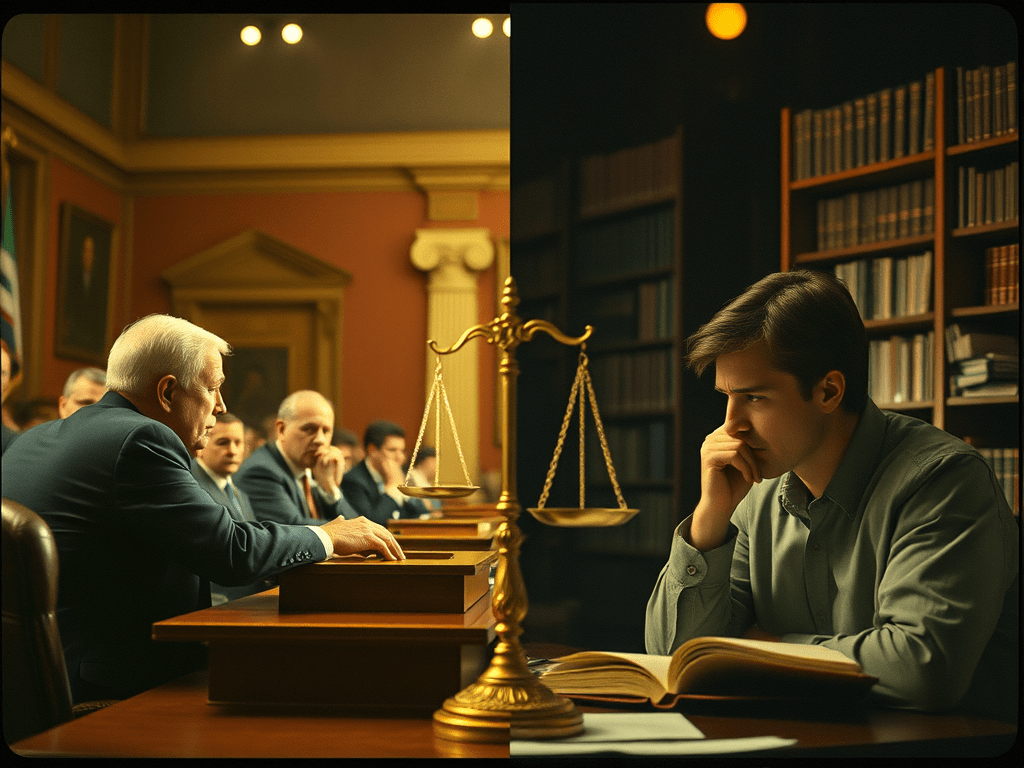
In our modern society, politics and personal beliefs often intersect, creating a complex web of ideologies and opinions. Understanding the distinctions between these two concepts can help us navigate discussions and debates more effectively.
Definition of Politics
Politics refers to the processes, actions, and policies associated with governance and decision-making within a community or society. It encompasses a wide range of activities, including the formulation of laws, the exercise of power, and the management of public resources. Political ideologies, such as liberalism, conservatism, and socialism, play a significant role in shaping how individuals and groups engage with political systems.
Key Features of Politics:
- Governance: Politics involves how groups and societies organize themselves and make decisions.
- Public Interest: Political actions are often intended to serve the common good or address social issues.
- Collective Decision-Making: Politics focuses on group consensus and majority rule, as opposed to individual preferences.
Definition of Personal Belief
Personal belief refers to an individual’s convictions, values, and perceptions regarding various aspects of life, including morality, religion, and personal identity. These beliefs are shaped by personal experiences, upbringing, culture, and education. Unlike political ideologies, personal beliefs are often deeply ingrained and can influence how an individual perceives the world around them.
Key Features of Personal Belief:
- Individual Perspective: Personal beliefs are subjective and unique to each individual.
- Influence of Experience: They are often informed by personal experiences, upbringing, and cultural background.
- Moral Foundation: Many personal beliefs are tied to a sense of right and wrong, shaping ethical behavior.
Key Differences
- Scope:
- Politics operates at a societal level, focusing on governance and public policies.
- Personal beliefs are individual and often deal with personal ethics and values.
- Nature of Influence:
- Political decisions can affect a large group, potentially altering the lives of many.
- Personal beliefs primarily influence individual behavior and perspective.
- Flexibility:
- Political views may change with new information or shifts in societal norms.
- Personal beliefs tend to be more stable, though they can evolve with personal growth and experiences.
- Interaction:
- While politics may be influenced by personal beliefs, it is essential to recognize that not all personal beliefs translate directly into political action or ideology.
- Individuals can have personal beliefs that align with various political viewpoints, leading to a diverse range of opinions within a single ideology.
Conclusion
Understanding the difference between politics and personal belief is crucial for effective communication and engagement in today’s polarized environment. By recognizing that our personal convictions may not always align with political ideologies, we can foster more respectful dialogues and bridge the gap between differing opinions. Ultimately, both politics and personal beliefs play essential roles in shaping our society, but they operate on different levels and dimensions.
 Bright, shiny objects!
What do you think?