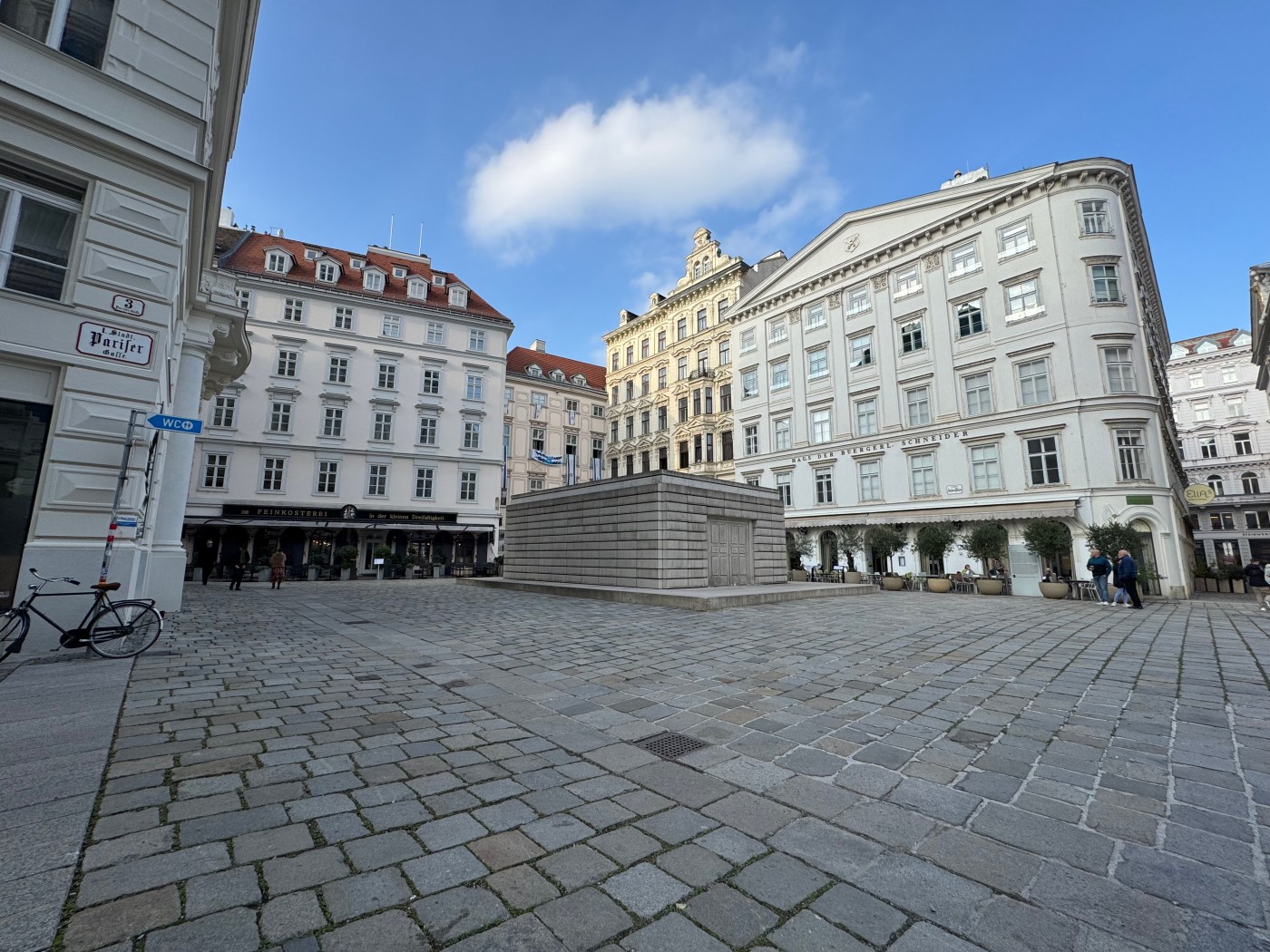
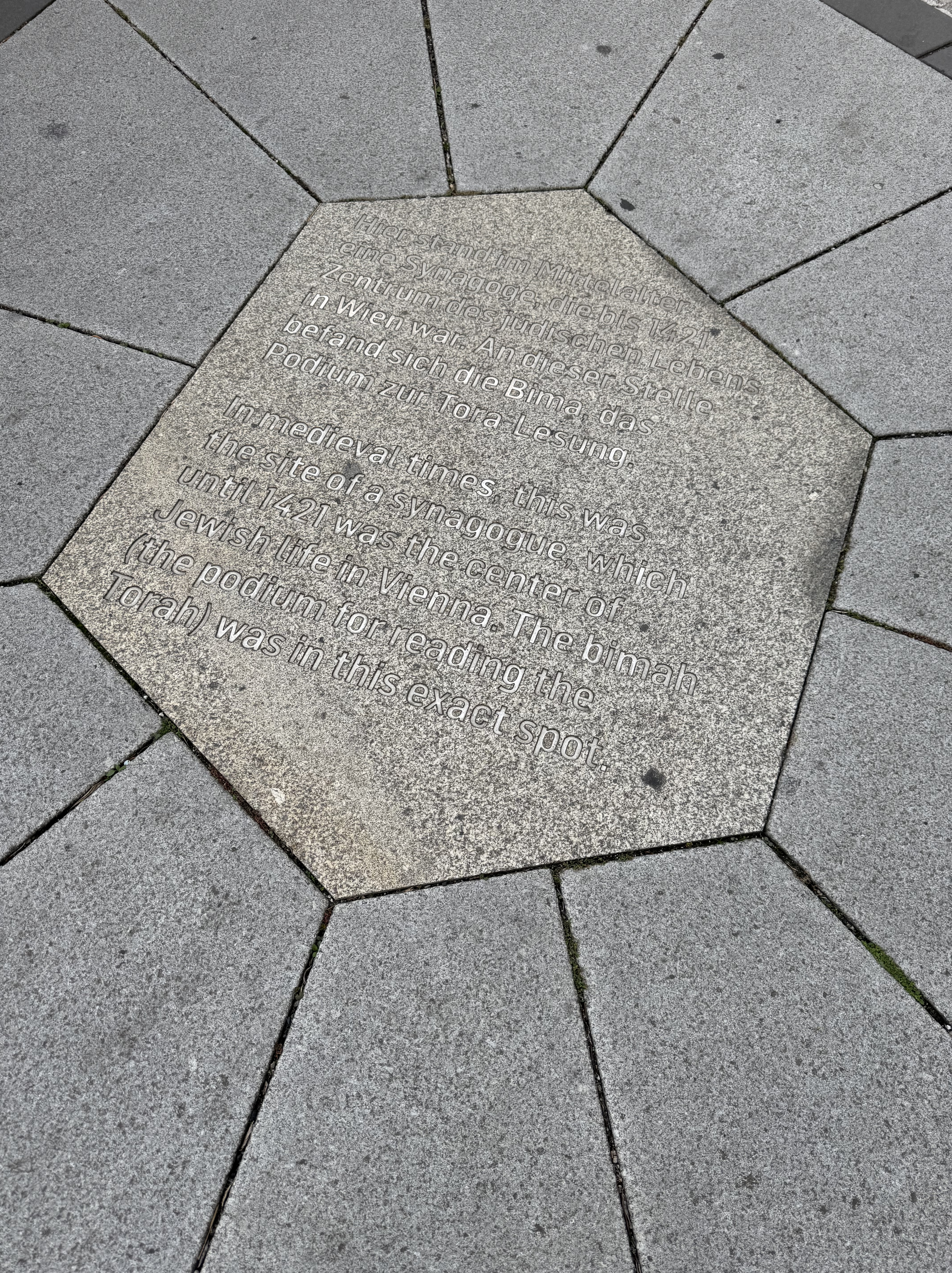
The history of the Jewish community in Vienna is long and rich, dating back to at least the 12th century when Jews were first documented in the city. However, the era of the Nazis marks a profoundly tragic chapter in this history, characterized by persecution, displacement, and genocide.
Early 20th Century and the Jewish Community
Before the rise of the Nazi regime, Vienna was home to one of the largest and most vibrant Jewish communities in Europe. By the early 20th century, approximately 200,000 Jews lived in Vienna, contributing significantly to the cultural, political, and economic life of the city. They played prominent roles in various fields, including science, the arts, and politics. This community was known for its rich cultural legacy, symbolized by figures such as Sigmund Freud and Theodor Herzl.
The Rise of Nazism
The ascent of Adolf Hitler and the Nazi Party in the 1930s brought devastating changes. The Nazis promoted a virulently anti-Semitic agenda, depicting Jews as the scapegoats for Germany’s problems. Following the annexation of Austria (Anschluss) in March 1938, anti-Jewish measures rapidly intensified. The Austrian Jewish population faced immediate threats, including public humiliation, economic exclusion, and violence.




Restrictive Laws and Persecution
In September 1938, the Nazis imposed a series of restrictive laws aimed at marginalizing Jews. They were barred from professions, businesses were Aryanized, and public life became increasingly hostile. Jewish children were expelled from public schools, and synagogues were vandalized or destroyed. The infamous Kristallnacht (or “Night of Broken Glass”) on November 9-10, 1938, marked a turning point. During this nationwide pogrom, Jewish homes, businesses, and synagogues were attacked in Vienna, resulting in widespread destruction and the arrest of thousands of Jewish men who were sent to concentration camps.
Emigration and the Final Solution
As conditions worsened, many Jews sought to flee Austria. However, immigration restrictions made this increasingly difficult. Despite the challenges, thousands managed to escape to countries such as the United States, Britain, and Palestine. Those who remained faced the horrors of the Holocaust. In 1941, the Nazis began implementing the Final Solution, which led to the mass deportation of Vienna’s Jews to extermination camps. By the end of the war, an estimated 65,000 Jews from Vienna had been murdered.
Post-War Vienna and Remembrance
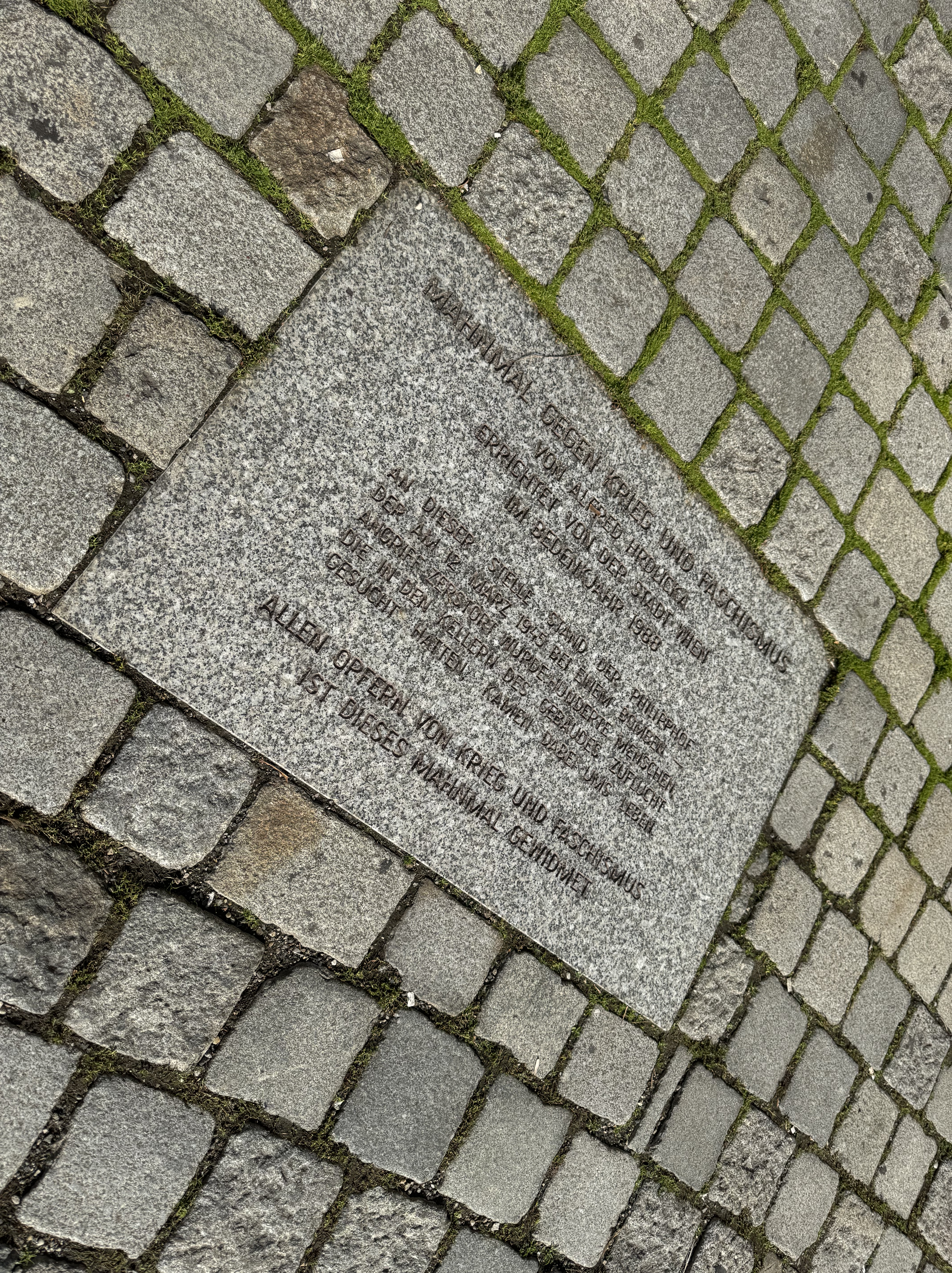
After World War II, Vienna’s Jewish community was left devastated. The survivors faced immense challenges in rebuilding their lives and community. In the decades since, Vienna has made efforts to remember and honor the Jewish victims of the Holocaust. Memorials and educational programs have been established to ensure that the lessons of history are not forgotten.
Today, the Jewish community in Vienna, although smaller, is active and continues to contribute to the cultural and social life of the city. The Jewish Museum Vienna and various cultural festivals serve as reminders of the rich heritage of Jews in Austria and the importance of remembrance and education in preventing future atrocities.
Conclusion
The story of the Jews of Vienna during the Nazi era serves as a poignant reminder of the dangers of intolerance and hatred. As we reflect on this dark chapter of history, it is essential to reaffirm our commitment to fighting anti-Semitism and all forms of discrimination. Ensuring that such atrocities are never repeated takes not only remembrance but also action in our present-day society.
 Bright, shiny objects!
What do you think?