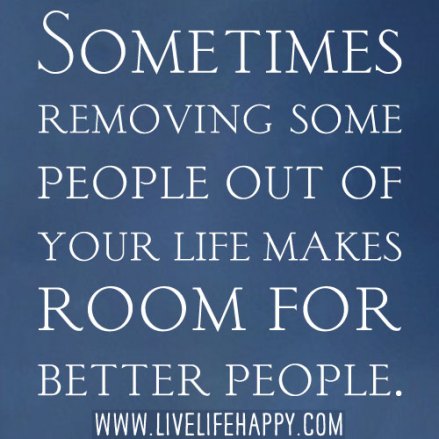
The best of ‘what I see’ for 11/25/2012

  1. The human relationship system is guided fundamentally by needs for relational value, navigated on the dimensions of power, love, and freedom. Neurotic relationship patterns emerge when people adopt rigid styles or express extreme interpersonal reactions in response to fears that their relational value needs won’t be met. Susan’s needs for relational value drove her to respond in a maladaptive way. Individuals who hide in their apartments out of social anxiety, individuals who hunt for any signs of betrayal, and individuals who vacillate between being needy and fearing control all engage in neurotic relational patterns in that they each are attempting to manage their needs for relational value, but are doing so in a way that ultimately produces intense conflict or pushes others away leaving such needs fundamentally unmet. Our defenses are the way we manage tension between conflicting goals and filter stuff out of our full consciousness. The defensive system tries to bring harmony to the various other systems of adaptation, but sometimes does so at significant costs. Two very common defenses are repression and rationalization. Repression is when material is blocked out of self-conscious recognition (see here for an example). Rationalization is when we make up reasons that hide our true needs or feelings. Research on cognitive dissonance offers some compelling examples, and I highly recommend the book, Mistakes were Made but Not by Me, for an excellent analysis of ego defensive processes via rationalization and how such processes lead to maladaptive patterns.
  2. Neurotic emotional patterns come in two basic flavors, over-regulated (meaning suppressed and not expressed) and under-regulated (meaning hyper-sensitized and over-expressed). Feeling states per se are almost never bad. However, feeling states can become hyperactive (or chronically accessible) such that they can be triggered at the slightest stimuli and can then dominate the individual’s mind set. Individuals with depressive or anxious disorders are generally under-regulated in those feeling states and need help containing them. Often, however, the problem isn’t that an individual is feeling too much, but that he or she is walled off from some or all of their emotions. Some common examples are the “always nice” person who “never” feels angry, the competitor who attacks others instead of feeling shame, the unemotional distancing person who can’t feel anything at all. These individuals usually have a form of “affect phobia,” which is maladaptive because it blocks them from key aspects of their human experience.
  3. Neurotic habits are automatic or ritualized patterns of overt behavior that people engage in to alleviate anxiety and provide a sense of familiar security. The problem is that, carried out over the long term, the habitual patterns are maladaptive. A classic example is the anxious drinker. Stressed all day, riddled with achievement and relational anxieties, alcohol becomes a short term, medicating balm. Unfortunately over time, it comes with significant costs (hangovers, weight gain, health problems, etc). Binging and purging, ritualistic ordering or cleaning, nail biting or trichotillomania (hair pulling) are all common examples of neurotic, maladaptive habits.
  4. “When you are immune to the opinions and actions of others, you won’t be the victim of needless suffering.” ~Miguel Ruiz
  5. “Worthiness, in very simple terms, means, I have found a way to let the Energy reach me, the Energy that is natural, reach me. Worthiness, or unworthiness, is something that is pronounced upon you by you. You are the only one that can deem yourself worthy or unworthy. You are the only one who can love yourself into a state of allowing, or hate yourself in a state of disallowing. There is not something wrong with you, nor is there something wrong with one who is not loving you. You are all just, in the moment, practicing the art of not allowing, or the art of resisting.” – Esther Hicks
  6. “Challenges come so we can grow and be prepared for things we are not equipped to handle now. When we face our challenges with faith, prepared to learn, willing to make changes, and if necessary, to let go, we are demanding our power be turned on.” – Iyanla Vanzant

One thought on “The best of ‘what I see’ for 11/25/2012

Add yours

What do you think?

Start a Blog at WordPress.com.

Up ↑