To let ourselves wholly grieve our losses is how we surrender to the process of life and recovery. Some experts, like Patrick Carnes, call the Twelve Steps “a program for dealing with our losses, a program for dealing with our grief.”
How do we grieve?
Awkwardly. Imperfectly. Usually with a great deal of resistance. Often with anger and attempts to negotiate. Ultimately, by surrendering to the pain.
The grief process, says Elisabeth Kubler Ross, is a five stage process: denial, anger, bargaining, sadness, and, finally, acceptance. That’s how we grieve; that’s how we accept; that’s how we forgive; that’s how we respond to the many changes life throws our way.
Although this five-step process looks tidy on paper, it is not tidy in life. We do not move through it in a compartmentalized manner. We usually flounder through, kicking and screaming, with much back and forth movement – until we reach that peaceful state called acceptance.
When we talk about “unfinished business” from our past, we are usually referring to losses about which we have not completed grieving. We’re talking about being stuck somewhere in the grief process. Usually, for adult children and codependents, the place where we become stuck is denial.. Passing through denial is the first and most dangerous stage of grieving, but it is also the first step toward acceptance.
We can learn to understand the grief process and how it applies to recovery. Even good changes in recovery can bring loss and, consequently, grief. We can learn to help others and ourselves by understanding and becoming familiar with this process. We can learn to fully grieve our losses, feel our pain, accept, and forgive, so we can feel joy and love.
Today, God, help me open myself to the process of grieving my losses. Help me allow myself to flow through the grief process, accepting all the stages so I might achieve peace and acceptance in my life. Help me learn to be gentle with others and myself while we go through this very human process of healing.” via Just For Today Meditations – Maintaining A Life.
Whatever your losses, they will hang in there until you work the grieving process. Long ago a priest friend of mine told me that all loss is a death of sorts so applying Ross’ stages is appropriate for just about anything…
 Melody Beattie writes: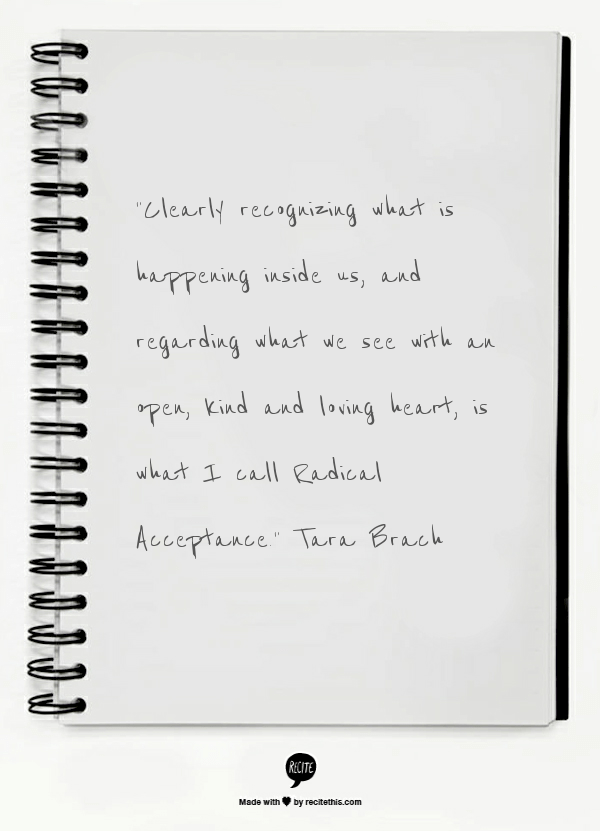

 Bright, shiny objects!
You must be logged in to post a comment.