Delving into the continuous process of individual growth in your relationships. Source: The Lifelong Journey of Personal Development
The Lifelong Journey of Personal Development

Content From a Curious Curator
Delving into the continuous process of individual growth in your relationships. Source: The Lifelong Journey of Personal Development

If mementos of personal triumphs are starting to make you feel like a has-been, you might be better off without them. Source: Why You Might Want to Toss Out Your Trophies
btw, if you’re interested in the ‘science’ of happiness, you might want to follow Arthur C. Brooks and his column in The Atlantic for more like this!
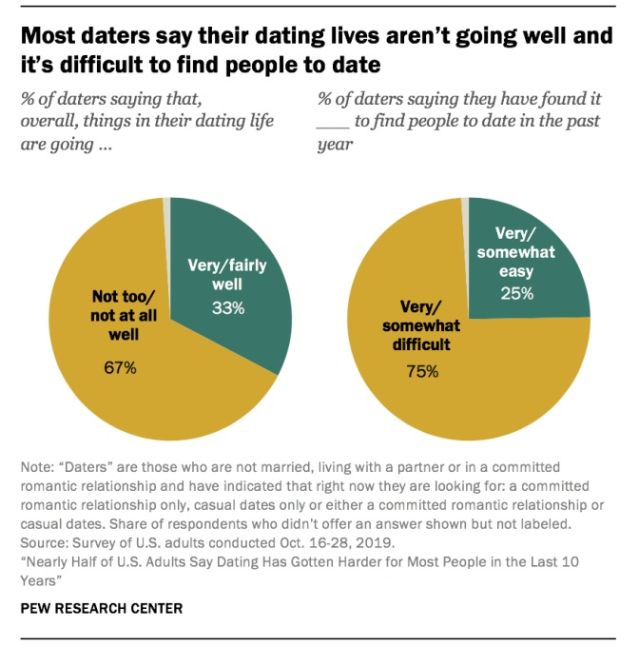
Dating: What is it good for? Source: Learning How to Make the Most of Dating

You don’t have to jingle anybody’s bells if you’re not in the mood. Source: Are Holidays Not Your Thing?

Kindness has significant benefits for the giver and the receiver. Source: The Profound Impact of Deliberate Acts of Kindness
“If you have someone who looks at you with love, who puts up with your baggage, who is willing to actually listen and respond in kind, who doesn’t disappear only to return a few days later with excuses, who doesn’t leave you behind on a Saturday, keep that guy around.
A man who is nice is not a red flag! It might seem like it would be boring and not a challenge, but the truth is, if you have someone who loves you a lot, don’t push them away. Try opening your heart to someone who might be different from people you have dated before.
In most relationships, there’s always one person who loves the other more. And that dynamic can often flip. If you have someone who likes you more, don’t run. You might find that the shoe is on the other foot sometime in the not too distant future.
So, take a risk. Try out a nice guy. You might be very happy you did.” Source: 5 Traits Of Sweet, Committed Men That May Seem Like Red Flags At First

Be aware of wanting inside your own mind. Source: Look for Pleasant Things or Avoid Unpleasant Things

Christmas is a joyous time, but it can be difficult for many. Source: Navigating Christmas Day

Evidence-based strategies to foster a more fulfilling holiday experience. Source: Navigating Loneliness During the Holidays

Shaming others, or yourself, won’t help you feel or be better. Source: Is Shaming Effective?
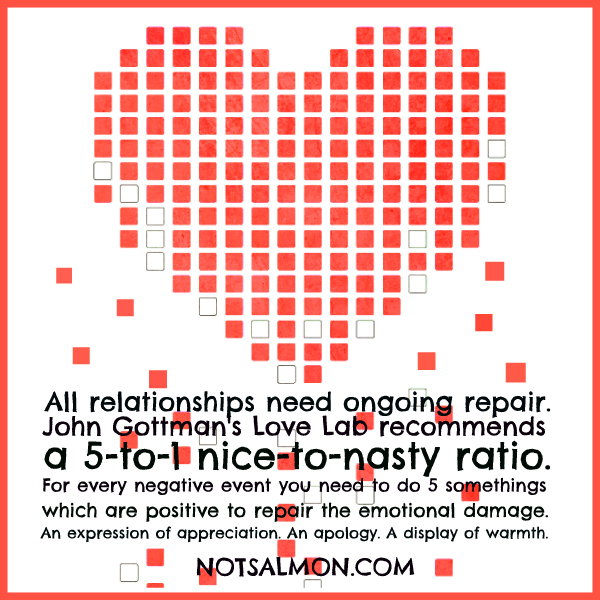
From it’s historic origins in 1986 at a research lab at the University of Washington, the world-renowned Love Lab, founded by Dr. John Gottman, has developed the most powerful relationship assessment available today. This evidence-based assessment is designed to help clinicians diagnose the most complex relationship challenges.
Pursuing the Gottman mission of democratizing global access to even the most powerful therapeutic tools, in 2019, Affective Software, in partnership with the Gottman Institute, leveraged the latest in cutting-edge technological advancements to bring the Love Lab into the 21st century. With the release of Gottman Connect, an easy-to-use online platform, clinicians and couples all around the world can now leverage the power of the Gottman Love Lab.
Since the 1980s, Gottman has brought more than three thousand married couples into his “love lab” near the University of Washington campus. Here’s what it’s all about! Source: Love Lab
Heeding Viktor Frankl’s call is more important than ever. Source: From Crisis of Meaning to Call for Meaning

“When it comes to relationships, we tend to overcomplicate things.
We start wondering if this person is “the one” and if everything will remain perfect. Inevitably, reality falls short of our expectations. When we encounter problems, it can feel overwhelming. Or perhaps we start to feel adrift in love.
How will you deal with this? What should you do? You could read the scientific literature, go to counseling, or wade through all of the questionable relationship advice, hoping to uncover something useful.
It’s a lot to process, making you want to do nothing and hope for the best. While that may make you feel better temporarily, it’s not what will ultimately make your relationship better.
Ready for some good news? Relationship improvement is simpler than it may seem. It comes down to three basic strategies.” Go to the Source: 3 Simple Ways to Improve Any Relationship

How doing less can mean more for your love life. Source: The Christmas Tree Effect in Dating and Relationships

YouTube, TikTok, Snapchat and Instagram remain the most widely used online platforms among U.S. teens. And teens are less likely to be using Facebook and Twitter (recently renamed X) than they were a decade ago. Source: Teens, Social Media and Technology 2023

Is it possible to feel alone while in a relationship? Absolutely! Here are two thoughts from this article I that resonated with me:
“Insecurely attached people may confuse sexual chemistry with authentic connection, or may seek out sexual relationships in lieu of more intimate ones. For example, a more anxiously attached person may ignore or downplay the red flags of incompatibility because of the rush of sexual chemistry with someone. They may begin fantasizing the relationship “potential” instead of examining things from a more realistic perspective. Contrarily, those who are more avoidantly attached may choose casual physical relationships as more comfortable than exploring emotional intimacy with someone. Red flags that this may be happening include using one relationship to get over another, or the focus of the relationship being based on sex. However, a deeper dive often reveals feelings of emptiness and loneliness within the relationship because of a lack of intimate conversation, no emotional connection, and feelings of boredom around the person. Perhaps the biggest sign of confusing sexual chemistry with connection is that many people report feeling lonelier in the relationship than they did before it.“
And…
“First, it is important to be real with yourself and your motivations surrounding romantic relationships, any unresolved attachment insecurities, and where you are in your own healing journey. Hence, it is important to address any unresolved trauma with a psychologist that may be influencing your relationship choices or patterns. Loneliness in a relationship typically stems from a lack of meaningful connection with your partner. Building connection is more than just spending your free time with that person, or being sexually compatible. It’s based on quality time, in building healthy, intimate, and deep communication, and establishing shared experiences together. It is also based on learning where your unmet emotional needs are, and in engaging in healthy conflict resolution. These all require becoming more comfortable with being vulnerable both with yourself and your partner.”
Go to the source to read the entire article if you’re interested: Are You Feeling Lonely in Your Relationship? | Psychology Today

The Christmas advertisement for Charlie’s Bar in Enniskillen, has become an internet sensation, touching the hearts of the thousands who have viewed it. Source: Deirdre Heenan: The lethality of loneliness

Interacting with farm animals can benefit your health. Source: Why You Should Hug a Cow

Amor Fati. Source: Daily Stoic – Amor Fati.

Sixty-six percent of people report feeling lonely during the holidays, while 64% of people with mental illness say that the holidays make their condition worse. Source: Could the most magical time of year be so full of loneliness, anger and stress?
 Bright, Shiny Objects!
You must be logged in to post a comment.