How I Started Enjoying Solo Adventures

Familiarity felt safe, but the cost of playing it safe was missing out on having a sense of purpose, adventure, and space to breathe. Source: How I Started Enjoying Solo Adventures and How You Can Make a Big Life Change – Tiny Buddha

The Mysterious and Haunting Requiem of Mozart

Fans of Amadeus and Mozart scholars know that Mozart believed he was writing the requiem — the funeral mass — for himself. The requiem holds a special place in the classical music world and has captivated audiences for centuries. Let’s delve into the enigmatic beauty and the history behind Mozart’s requiem.

The Genesis of a Masterpiece

Mozart’s requiem, composed in 1791, remains shrouded in mystery. Commissioned anonymously, the circumstances surrounding its creation add an air of intrigue to this masterwork. As Mozart toiled on this composition during his final days, he confided in his wife about his premonition that he was writing the requiem for his own funeral. This belief lends an ethereal and deeply personal quality to the music.

Continue reading “The Mysterious and Haunting Requiem of Mozart”

12 New Year’s Resolutions For Couples To Make Together

Make your relationship even better in 2024! Source: 12 New Year’s Resolutions For Couples To Make Together

Loneliness is about more than the need to belong

“Loneliness has always been explained as a deficit in the satisfaction of one’s communion or relational needs,” Ybarra says. “But in addition to communion needs, individuals also need agency, personal control and choice, and not meeting this need should also affect experienced loneliness.” What should people do if they believe someone in their social circle seems lonely? Try to be warm and supportive to that individual, but in a way that goes beyond hugs. Help them understand they have some control and choice in their lives, Ybarra says. “That is, support that propels people and also takes into account their need to be their own person,” he says. This is not the same as pushing them away to be self-sufficient, but a blend of being warm plus acknowledging their individual needs, wishes, and potential, he added. “It’s also letting them know they have a place to come back to when they get a little bruised by life,” Ybarra says. Source: Loneliness is about more than the need to belong – Futurity

Why Do We Kiss at Midnight on New Year’s Eve?

Before you plant a New Year’s kiss on a significant other (or a stranger), learn the origins of this popular tradition. Source: Why Do We Kiss at Midnight on New Year’s Eve?

How I rewired my brain in six weeks

There is growing evidence that simple, everyday changes to our lives can alter our brains and change how they work. Melissa Hogenboom put her own brain in the scanner to find out. Source: How I rewired my brain in six weeks

7 signs you’re more successful than you realize

“Success means many different things to different people. So, if you’re feeling a little bit unsure about whether you’re really doing well in life or not, there are a lot of other things you can look at besides whether or not you’ve got a yacht.” Source: 7 signs you’re more successful than you realize

The Seven Habits That Lead to Happiness in Old Age

Your well-being is like a retirement account: The sooner you invest, the greater your returns will be. Source: The Seven Habits That Lead to Happiness in Old Age

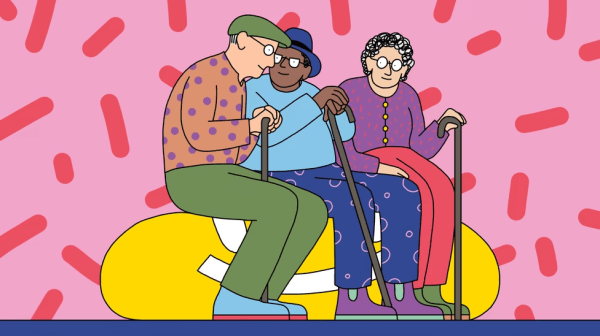
How to Be Happy Growing Older

Arthur C. Brooks writes “Next to one’s birthday, the passing of the calendar year induces us to reflect on the march of time in our life. This is not a welcome subject for many—which is perhaps why a lot of people simply redefine old age virtually out of existence. When Americans were asked in 2009 what “being old” means, the most popular response was turning 85. Yet the average life span in the United States in 2022 was only 76. Apparently, then, the average American dies nine years before getting old.

The impulse to define old age as “older than I am now” is not surprising, given all the ways our culture worships youth—its beauty, vitality, and entrepreneurial energy—and offers us any number of options for spending time and money to stop or slow down the clock of aging. And as if the adulation of youth weren’t enough, the stigmatization of seniors is always at hand, through overt discrimination, ageist stereotyping, and crass “OK Boomer”–style contempt.

Continue reading “How to Be Happy Growing Older”

Filter Bubbles Aren’t Just Online, They’re Also in Your Head

Just like on the internet, your brain is selectively distorting your reality. Source: Filter Bubbles Aren’t Just Online, They’re Also in Your Head

4 Ways to Recover from Disappointment

Disappointments don’t have to stop you. They can even make you better. Source: 4 Ways to Recover from Disappointment

How Your Thinking Creates Your Reality

What cognitive science has to say about how we experience life. Source: How Your Thinking Creates Your Reality

Heuristics

A heuristic is a mental shortcut that allows an individual to make a decision, pass judgment, or solve a problem quickly and with minimal mental effort. While heuristics can reduce the burden of decision-making and free up limited cognitive resources, they can also be costly when they lead individuals to miss critical information or act on unjust biases. Source: Heuristics

Caring for Yourself in the New Year

Strategies for mental and physical wellness. Source: Caring for Yourself in the New Year

When Things Have to Change: How to Find the Willpower to Achieve Your Goals

If you’re feeling discouraged & unmotivated to create change, these five strategies may help you increase your willpower & achieve your goals. Source: When Things Have to Change: How to Find the Willpower to Achieve Your Goals

7 Pillars of Mental Health: How to Feel Your Best (Almost) Every Day

If you focus on these seven areas of your life most days (if not every day), you will feel better for it! Source: 7 Pillars of Mental Health: How to Feel Your Best (Almost) Every Day – Tiny Buddha

9 key teachings from Buddha that can help you find inner peace

Discovering inner peace can often feel like a daunting task.

The teachings of Buddha, however, offer a roadmap to finding that tranquillity within ourselves.

We all know that Buddha was one heck of a wise guy. He wasn’t just about enlightenment; he left behind profound teachings that can guide us in our everyday lives.

You don’t need to become a Buddhist or meditate for hours on end to implement these philosophies. Source: 9 key teachings from Buddha that can help you find inner peace

Moving cities made me realise that loneliness can happen to us all. Here’s how I found my community…

Moving to a new city was a lonely and isolating experience at first but two years later, I have a new friendship circle and Melbourne feels like home. Source: Moving cities made me realise that loneliness can happen to us all. Here’s how I found my community

Paul McCartney’s Many Surprise Appearances: A Brief History

Read our list of 10 times Paul McCartney has turned up for surprise shows. Source: Paul McCartney’s Many Surprise Appearances: A Brief History

The Timeless Connection Between Mozart and McCartney

When it comes to influential musicians, the names Wolfgang Amadeus Mozart and Paul McCartney immediately spring to mind. Despite living in different centuries and composing in different musical genres, these two maestros share a surprising number of similarities that illuminate the enduring connection between their music.

Mozart, a prodigy of the Classical era, and McCartney, a founding member of The Beatles and a prolific solo artist, both revolutionized the music world in their own right. One of the most striking parallels between them is their innate gift for melody. Mozart’s intricately crafted compositions showcase his unparalleled ability to create beautiful, flowing melodies that tug at the heartstrings. Similarly, McCartney’s songwriting prowess is defined by unforgettable melodies that have resonated with audiences for decades.

Another common thread between these two musical geniuses is their mastery of instrumentation. Mozart’s command of a wide range of instruments allowed him to push the boundaries of orchestral music, while McCartney’s multi-instrumental talents were integral to The Beatles’ experimental and innovative sound.

Furthermore, both artists displayed an uncanny knack for blending different styles and influences in their work. Mozart’s compositions often featured elements of Italian opera, German counterpoint, and French elegance, demonstrating his fluency in various musical idioms. Similarly, McCartney seamlessly integrated rock, pop, classical, and avant-garde elements into his songs, showcasing his versatility and open-minded approach to music-making.

Despite the stark differences in the musical landscape of their respective eras, the impact of Mozart and McCartney’s groundbreaking work continues to reverberate through the ages. Their enduring legacies serve as a testament to the timeless nature of musical innovation and creativity, transcending generations and genres.

In conclusion, the interconnectedness of Mozart and McCartney’s musical genius reminds us that great art knows no boundaries. Their shared ability to captivate and inspire audiences speaks to the universal language of music, proving that the bridge between the classical and contemporary is indeed a harmonious one.


The age you feel means more than your actual birthdate

Subjective age, the age individuals perceive themselves to be, has a profound impact on their overall well-being. Research indicates that most people feel either younger or older than their actual chronological age, and this perception can significantly influence their physical and mental health. Those who feel younger than their true age tend to exhibit better cognitive function, physical mobility, and overall vitality, while individuals who feel older may experience greater health challenges and cognitive decline. This discrepancy between subjective and chronological age underscores the complex interplay between mind and body, highlighting the importance of addressing not only the biological aspects of aging, but also the subjective experiences that shape individuals’ perceptions of their own age and its implications for their well-being. These insights prompt a deeper exploration of the factors contributing to subjective age and its potential implications for interventions aimed at promoting healthy aging.

“Most people feel younger or older than they really are – and this ‘subjective age’ has a big effect on their physical and mental health.” Source: The age you feel means more than your actual birthdate

Bonus read

THE PUZZLING GAP BETWEEN HOW OLD YOU ARE AND HOW OLD YOU THINK YOU ARE. There are good reasons you always feel 20 percent younger than your actual age.

Start a Blog at WordPress.com.

Up ↑