In preparation for our trip to Ireland, I watch quite a few videos like this…
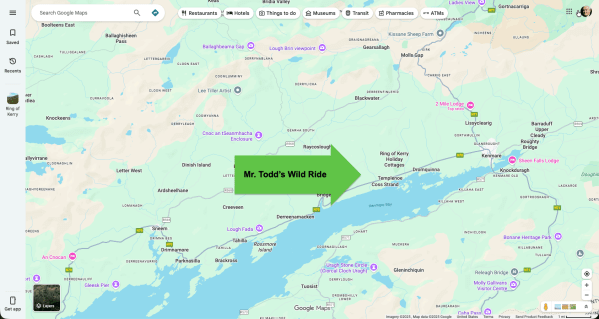
By the way, I highly recommend Laura Grace as a tour guide and I found her information quite valuable although there were a few times that we were forced to ignore it like “don’t drive in Dublin” and avoid local roads with grass in the middle. We did our best until Apple Maps sent us down this beauty to avoid a traffic accident along our route…
As artificial intelligence (AI) workloads grow exponentially, the energy demands of traditional electronic computing are becoming a major challenge. Enter photonic computing—a technology that uses light instead of electricity to process information. This innovation promises to revolutionize how we power and scale AI systems…
Humanity isn’t evolving fast enough for the tech we’re building. The AI singularity approaches—and our adaptation gap is the real crisis we need to tackle.
The article “Will Acceleration Exceed Adaptation at the Dawn of AI?” discusses the rapid pace of technological advancements, particularly in artificial intelligence, and highlights a concerning disparity between this acceleration and humanity’s ability to adapt. It posits that the impending AI singularity represents not just a technological shift but a significant adaptation challenge. As technology evolves quickly, the potential for societal and ethical crises increases, emphasizing the urgent need for proactive measures to bridge the adaptation gap.
Like dictators before him, Trump’s road to tyranny is paved with hate…
“I received a letter not long ago from a man who said, ‘You can go to Japan to live, but you cannot become Japanese. You can go to France to live and not become a Frenchman. You can go to live in Germany or Turkey, and you won’t become a German or a Turk.’ But then he added, ‘Anybody from any corner of the world can come to America to live and become an American.’”
Two strategies, based on decades of research, for building a love that lasts…
The article “2 Ways to Make Your Relationship More Resilient” outlines two key strategies for fostering enduring love based on extensive research. The first strategy emphasizes the importance of maintaining a positive perspective on each other, which helps couples navigate challenges more effectively. The second strategy focuses on the value of emotional support and open communication, allowing partners to address conflicts constructively. Implementing these strategies can bolster the resilience of a relationship, enabling couples to thrive despite obstacles.
Are you constantly telling yourself you are stupid, ugly, bad, a victim, incurably different, or destined to stay lonely? You may be trapped in a toxic self-story.
The article “What if Your Stories Are the Root Cause of Your Problems?” explores the concept of toxic self-narratives that individuals create, which can hinder personal growth and happiness. It emphasizes that negative self-perceptions, such as feeling stupid, ugly, or a victim, can trap people in harmful mindsets. The author suggests that by recognizing and reframing these damaging stories, individuals can begin to break free from self-imposed limitations and improve their overall well-being.
AI can make us faster, but it can’t make us human. Learn how to lead with connection and influence in a digital world.
In the article “Influence in the Age of AI: Human Skills Matter,” the author discusses the importance of human connection and influence in a rapidly evolving digital landscape driven by AI technologies. While AI can enhance productivity and speed, it lacks the essential human qualities necessary for effective leadership and relationship-building. The piece emphasizes that to thrive in an AI-influenced world, leaders must prioritize and cultivate interpersonal skills, empathy, and authentic connections to navigate the complexities of modern interactions.
Spoiler alert: Alcohol is probably not great for your brain.
The article “Wasting Your Brain Away in Margaritaville” from Psychology Today discusses the detrimental effects of alcohol on brain health. It highlights various studies showing that alcohol consumption can lead to cognitive decline, memory issues, and overall negative effects on mental functioning. The piece emphasizes that while social drinking may appear harmless, the long-term impacts of alcohol abuse on the brain can be significant and should be carefully considered.
Three ways to tell if your partner can love you through thick and thin.
The article “3 Signs That Your Partner Loves You Unconditionally” outlines three key indicators of unconditional love in a relationship. First, it emphasizes that a loving partner accepts you as you are, without trying to change you. Second, they demonstrate loyalty, standing by you during tough times and supporting you through challenges. Lastly, unconditional love is shown through effective communication, where both partners express their feelings openly and honestly. These signs are essential in recognizing a partner’s deep commitment and affection.
Both well-known and loved family stories and new stories yet to be heard can help build family bonds and communicate our values.
The article discusses the “Do You Know” Family Stories Game, a fun and engaging activity for Thanksgiving gatherings. It emphasizes how sharing both beloved family tales and new stories can strengthen family bonds and convey important values. By asking questions to uncover stories from relatives, it encourages connection and communication among family members, creating a deeper appreciation for their shared history.
When someone tells you that AI is going to replace human intelligence, you can honestly tell them that, as of this writing, it’s impossible. So far, AI only reproduces what we do.
So, indeed, ChatGPT is impressive. As was Logic Theorist and General Problem Solver. But at least for the time being, these machines impress because they can rely on human intelligence, not because they can replace it.
Michael L. Anderson Ph.D.
In the article “Why Natural General Intelligence (Still) Reigns Supreme,” Michael L. Anderson, Ph.D., argues that despite advancements in artificial intelligence, these systems cannot replicate human intelligence. He emphasizes that current AI, including models like ChatGPT, merely reproduce human thought processes rather than replace them. Anderson highlights historical AI projects, such as Logic Theorist and General Problem Solver, to illustrate the reliance of these technologies on human ingenuity. The piece ultimately underscores that human intelligence remains unmatched in its complexity and adaptability.
Pause, soften, and meet each moment with compassion. That’s how to bring a calm, grounded presence that turns simple exchanges into something meaningful.
The article “The Stance: How to Bring Your Best Self This Holiday Season” emphasizes the importance of approaching interactions during the holidays with mindfulness and compassion. It suggests that by pausing, softening, and meeting each moment with kindness, individuals can cultivate a calm and grounded presence. This approach transforms ordinary exchanges into meaningful experiences, enhancing connections with others during the festive season.
The most important relationship you have isn’t with your spouse, child, or even God. It’s one that most people never consider.
The article “The Relationship You Can’t Escape” explores the significance of an often overlooked relationship: the one individuals have with themselves. It emphasizes that this inner relationship is the foundation for all other connections in life, impacting emotional well-being and personal development. The piece highlights the necessity of self-awareness, self-acceptance, and self-care as essential components of a healthy relationship with oneself. Understanding and improving this relationship can lead to enhanced interactions with others, making it crucial for personal fulfillment and happiness.
The article “When Older Is Not Only Wiser, but Nicer” explores how older individuals often exhibit greater generativity, a characteristic associated with being caring, productive, and guiding future generations. It highlights that older adults can contribute positively to society through their wisdom and kindness, challenging common stereotypes that associate aging solely with decline. The author’s insights emphasize that age can bring not only wisdom but also improved interpersonal relationships and compassion, making aging a potential source of strength and support for younger generations.
We just returned from 10 days in Ireland less than a month ago and I’m still tracking down some of the interesting things I saw. I’m not the one to stand in museums and read a bunch of signs. Instead, I do my research after I get home and the other evening, I came across this gem which is available on Prime Video…
Bill Staines was an American folk musician and songwriter, known for his contributions to the folk music scene since the 1960s. Born on February 8, 1947, in Whitinsville, Massachusetts, he grew up in New England, where he developed a love for folk music. Staines gained popularity for his storytelling style, blending humor and heart in his songs. He often drew inspiration from the natural world and his experiences traveling across the United States, particularly New England.
“On November 17, 1968, the Oakland Raiders score two touchdowns in nine seconds to beat the New York Jets—and no one sees it, because they’re watching the movie Heidi instead. With just 65 seconds left to play, NBC switched off the game in favor of its previously scheduled programming, a made-for-TV version of the children’s story about a young girl and her grandfather in the Alps. Viewers were outraged, and they complained so vociferously that network execs learned a lesson they’ll never forget: “Whatever you do,” one said, “you better not leave an NFL football game.”
Discover the top 50 happiest songs of all time, scientifically proven to uplift your mood. Dive into a playlist of joy and positivity! Go to the source and add the playlist to your Spotify library…
The article from Mindbodygreen highlights four key nutrients believed to help reduce the risk of dementia. It emphasizes the importance of these neuroprotective nutrients in promoting cognitive longevity and suggests ways to incorporate them into your diet to support brain health. The article encourages readers to be mindful of their nutrient intake for better cognitive function as they age.









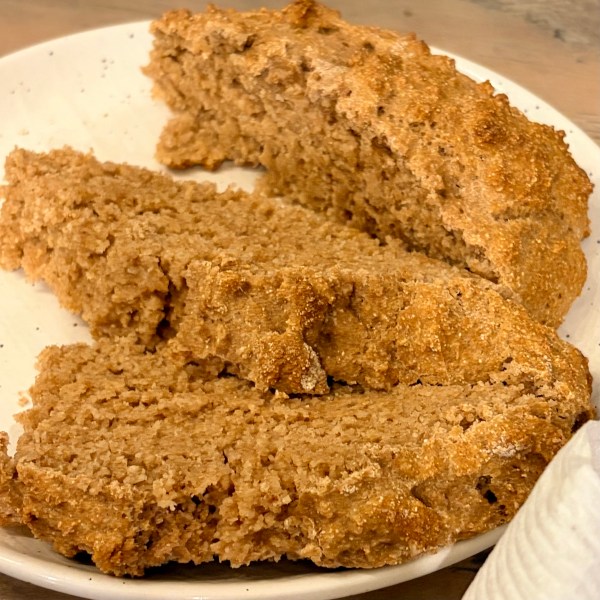




 Bright, shiny objects!
You must be logged in to post a comment.