5 Secrets to Self-Control

Self-control isn’t about forcing ourselves to do something we hate. It’s choosing to act in ways that fit our values and using practical strategies, no gritted teeth required.

The article “5 Secrets to Self-Control” from Psychology Today emphasizes that self-control is not merely about forcing oneself to perform unpleasant tasks. Instead, it highlights the importance of making choices in alignment with personal values and employing practical strategies to achieve desired outcomes. The piece encourages readers to adopt a more positive and values-driven approach to self-control, steering away from the notion of self-discipline as solely a struggle.

Source: 5 Secrets to Self-Control

The Buddha nature and Donald Trump

“It’s a fundament of Buddhist belief that everyone, without exception, is inherently a Buddha. Our Buddha-nature (and certainly I include myself here) is blocked from time to time by unresolved greed, anger, or delusion—negative energies known as kleshas. Disturbing as it might be to admit, I am not so unlike our former president or political figures for whom I have difficulty feeling compassion. I am a product of the same Universe, breathed by it, my heart beats according to its laws and principles. I also have the same brain, nervous system, and sense organs as those I ridicule. It requires effort for me to perceive the Buddha in Donald Trump, but here’s a test: Can you name a president in your memory who made it more graphically clear to millions of citizens the overriding importance of honesty, character, transparency, law, and social norms than Donald Trump? He taught by negative example, but the lessons were clear and irrefutable. His occupancy of the White House was instructive…”

Coyote, Peter. Zen in the Vernacular: Things As It Is (pp. 32-33). (Function). Kindle Edition.

Peter Coyote

Any fan of documentaries, particularly those of Ken Burns will recognize the iconic voice of Peter Coyote. As one of those fans, imagine my joy when I discovered that the voice behind many of my favorite historical documentaries such as The Civil War, The American Buffalo, and Lewis & Clark: The Journey of the Corps of Discovery is not only a great actor and voice artist, but also a Buddhist priest!

Continue reading “Peter Coyote”

Family Estrangement: What Do You Want Your Last Words to Be?

Dealing with estrangement is hard, but owning past mistakes, acknowledging you did the best you could, and taking responsibility for future actions can be wonderfully freeing.

The article “Family Estrangement: What Do You Want Your Last Words to Be?” discusses the challenges of dealing with estrangement from family members. It emphasizes the importance of owning past mistakes, recognizing one’s efforts at the time, and taking responsibility for future actions. This approach can lead to personal growth and emotional freedom, ultimately guiding individuals towards healthier relationships and a more peaceful mindset regarding their family dynamics.

Source: Family Estrangement: What Do You Want Your Last Words to Be?

Transforming Recovery: The Power of Reducing Effort

Examining two different life journeys, both of which eventually led to healing taking place.

The article “Reduce Effort Whenever Possible” discusses the importance of minimizing physical and mental effort in the recovery process from brain injury. It emphasizes that reducing effort can facilitate healing and improve quality of life. The author shares two different life journeys, illustrating how varying approaches to effort management can lead to different outcomes in recovery. The key takeaway is that by acknowledging limitations and adapting one’s strategies and expectations, individuals can create a more supportive environment for healing, thereby enhancing their overall well-being.

Source: Reduce Effort Whenever Possible

The Beauty That Moral Courage Creates

A lovely paradox of doing good in the world is that it does you good too.

In “The Beauty That Moral Courage Creates,” the author explores the concept of moral courage and its intertwined relationship with personal fulfillment. The article discusses how acts of kindness and ethical action not only contribute to societal betterment but also enhance one’s sense of purpose and happiness. Through various examples, it illustrates that engaging in altruistic behaviors can cultivate a profound inner beauty and resilience, highlighting the paradox of doing good for others while simultaneously benefiting oneself. The piece ultimately advocates for the pursuit of moral beauty as essential for both individual and collective uplift.

Source: The Beauty That Moral Courage Creates

Unlock Your Peak Performance with Purpose

Want to live in the zone like Jordan or Ruth? The secret isn’t talent—it’s purpose. Discover how a simple mindset shift can unlock peak joy, focus, and flow.

The article “How to Live Life in the Zone” emphasizes that achieving a state of peak performance and joy, akin to that of great figures like Michael Jordan and Ruth Bader Ginsburg, is not merely about inherent talent but rather about having a clear purpose. It explores the importance of a mindset shift, suggesting that focusing on one’s purpose can enhance concentration, happiness, and a sense of flow in daily activities. The piece encourages readers to cultivate this mindset to unlock their fullest potential and lead a fulfilling life.

Source: How to Live Life in the Zone

Where Did You Learn to Feel Less Than?

The negative things we hear in toxic environments can chip away at our sense of worth and self-confidence. Catch and challenge the resulting self-critical thoughts.

The article “Where Did You Learn to Feel Less Than?” discusses how negative influences in toxic environments can undermine an individual’s self-worth and confidence. It emphasizes the importance of recognizing and confronting self-critical thoughts that arise from these damaging interactions. By addressing and challenging these thoughts, individuals can work towards rebuilding their self-esteem and fostering a healthier self-image.

Source: Where Did You Learn to Feel Less Than?

The Psychology of the Divine Feminine

Under patriarchy, women were told to harden to survive. Now, reclaiming softness isn’t surrender—it’s rebellion. Here’s why the Divine Feminine is rising.

The article “The Psychology of the Divine Feminine” explores the concept of the Divine Feminine as a response to patriarchal societal structures. It argues that women have historically been conditioned to adopt hard, survival-oriented traits, but the current resurgence of softness and nurturing qualities signifies a powerful act of rebellion. This shift towards embracing feminine qualities is seen as a necessary movement for empowerment and healing, ultimately contributing to a more balanced and compassionate society.

Source: The Psychology of the Divine Feminine

What Is the Relationship Between Socrates and Stoicism?

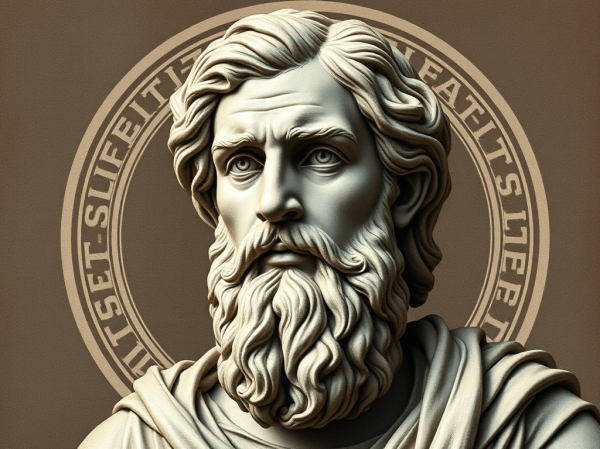
Socrates was a major influence on the development of Stoicism.1 While he didn’t directly found the school (that was Zeno of Citium in the early 3rd century BCE), several core tenets of Stoic philosophy have their roots in Socratic thought. Here’s a breakdown of the key connections:

Continue reading “What Is the Relationship Between Socrates and Stoicism?”

3 Signs That It’s Time to Let Go of a ‘Situationship’

The key question isn’t whether a situationship could become something more. It’s whether you’re receiving all that you need from the relationship right now.

The article “3 Signs That It’s Time to Let Go of a ‘Situationship'” discusses the complexities of undefined romantic relationships, often referred to as situationships. It emphasizes the importance of evaluating whether one is getting their emotional and physical needs met in such arrangements. The key takeaway is to assess the relationship’s current value rather than its potential future. The piece outlines indicators that may signal it’s time to move on, advocating for self-reflection and prioritizing one’s well-being in romantic connections.

Source: 3 Signs That It’s Time to Let Go of a ‘Situationship’

Meaningful Questions to Ask Your Parents Before They Die

As you prepare for Mother’s/Father’s Day, here is an article about meaningful questions to ask your parents before they die. Capture their wisdom, stories, and advice with our insightful guide to ensure lasting memories…

The article “Meaningful Questions to Ask Your Parents Before They Die” provides a valuable guide for individuals seeking to capture their parents’ wisdom and life stories. It encourages readers to engage in deep conversations by posing thoughtful questions that reveal personal experiences, beliefs, and advice. By exploring topics such as childhood memories, life lessons, and family values, individuals can create lasting memories and preserve their parents’ insights for future generations. This guide serves as a heartfelt reminder of the importance of connecting with loved ones and cherishing their legacy.

An AI search in Google gave me these:

Here are five questions to consider asking one’s mother before she passes: 

  1. “What is your happiest memory of us together?” This question invites the sharing of a treasured moment, allowing for the reliving of a positive experience and strengthening bonds.
  2. “What are you most proud of in your life?” This allows for reflection on achievements and the sharing of sources of personal fulfillment, providing insight into what is valued most.
  3. “What advice would you give me about living a good life?” Wisdom gained through a lifetime of experiences can be invaluable, offering guidance and perspective for the future.
  4. “Is there anything you want to tell me that you’ve never shared before?” This opens the door for sharing unspoken thoughts, feelings, or stories that may bring closure or deepen understanding of the relationship.
  5. “How do you want to be remembered?” This question honors legacy and allows for understanding how one sees their impact on the world, ensuring memory is cherished according to wishes. 
  6. “Why did you pick my name?” In 1958 the name Todd was #116 most popular but there’s no one in our family or friends with that name.

It is important to approach these conversations with sensitivity and respect for emotional states. The approach or pace may need to be adjusted depending on energy levels and willingness to engage. The goal is to create meaningful moments and strengthen connections during a difficult time. 

Source: Meaningful Questions to Ask Your Parents Before They Die

Finding Joy When the World Feels Heavy

In a world where joy feels hard to find, it’s more vital than ever. Learn how embracing it can fuel resilience, spark hope, and help us navigate today’s challenges.

In the article “Finding Joy When the World Feels Heavy,” the author discusses the importance of joy in our lives, especially during challenging times. It emphasizes that embracing joy can strengthen resilience, ignite hope, and assist individuals in overcoming obstacles. The piece serves as a reminder that seeking and nurturing joy is essential for mental well-being, even when external circumstances may seem overwhelming.

Source: Finding Joy When the World Feels Heavy

That One Annoying Coworker Might Just Be Your Best Teacher

We all have that one person who pushes our buttons. But what if they’re also holding up a mirror, challenging us to grow, shift our perspective, and show up better?

Source: That One Annoying Coworker Might Just Be Your Best Teacher

Want Better Answers? Start Asking Better Questions

In a fast-changing world, the questions we ask shape what we see, create, and pursue. Want better answers? Start by asking better questions.

Source: Want Better Answers? Start Asking Better Questions

Don’t Follow the Golden Rule

It makes sense to treat your partner the way you want to be treated, but they might respond better to you treating them the way they want to be treated.

The article “Don’t Follow the Golden Rule” discusses the shortcomings of the conventional wisdom that encourages treating others as one wishes to be treated. Instead, it emphasizes the importance of understanding and catering to an individual’s specific needs and preferences. By acknowledging that everyone has different ways they wish to be treated, the author suggests that focusing on others’ preferences can lead to more effective and fulfilling interpersonal relationships.

Source: Don’t Follow the Golden Rule

What is Netiquette? 20 Internet Etiquette Rules

What is netiquette? With these 20 rules, you and your children will learn the right behavior on the internet and in online communication…

Source: What is Netiquette? 20 Internet Etiquette Rules

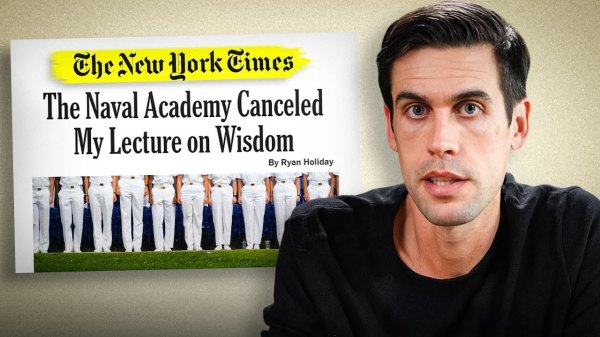
This Is The Stoicism Talk The Navy Banned

Ryan Holiday, a prominent author and proponent of Stoicism, found himself banned from speaking about the philosophy at the U.S. Naval Academy due to concerns over his unorthodox interpretations and his emphasis on certain controversial aspects of Stoicism. The academy typically seeks to maintain a strict adherence to traditional military values and teachings, which may not fully align with Holiday’s modern interpretations.

Continue reading “This Is The Stoicism Talk The Navy Banned”

Why Your Best Purchase Is One You Can’t Return

Experiences don’t just bring joy—they shape identity and deepen connections. Science explains why what you buy can change how you feel about yourself and others.

The article “Why Your Best Purchase Is One You Can’t Return” discusses how experiences, rather than material possessions, significantly influence our sense of identity and interpersonal connections. It emphasizes that the joy derived from experiences adds meaning to our lives and fosters deeper relationships. The author highlights scientific explanations behind the emotional benefits of experiential spending, suggesting that such purchases can enhance our self-perception and strengthen our bonds with others, contrasting with the fleeting satisfaction provided by physical items.

Source: Why Your Best Purchase Is One You Can’t Return

This Is What a Digital Coup Looks Like

If this is the status quo, how then do we we who aspire to mindfulness respond?

Why People Believe Things They Know Aren’t True

Why we rewrite history, ignore facts, and build stories that protect how we feel right now, even when we know they aren’t true.

Source: Why People Believe Things They Know Aren’t True

Start a Blog at WordPress.com.

Up ↑