The Oddly Healthy Reason People Choose Partners Who ‘Trigger’ Past Wounds

It is not about finding someone who does not trigger you. It is about finding someone who you feel safe being triggered by. Source: The Oddly Healthy Reason People Choose Partners Who ‘Trigger’ Past Wounds

Discussing Relationships and Core Wounds with @ashleyberges

I’ve been spending a lot of time lately trying to understand my anxious attachment style. Ashley Berges is a trusted source for great advice as you’ll see here:

If You Believe This About Love, You’re Going To Fail At It

Fairy tales are wonderful … but they’re not real…

Someday my prince/princess will come, and they will be the one that will complete me” comes originally from Plato, in his writing The Symposium.

His character Aristophanes proclaims: โ€œAccording to Greek mythology, humans were originally created with four arms, four legs, and a head with two faces. Fearing their power, Zeus split them into two separate parts, condemning them to spend their lives in search of their other halves … ‘Love’ is the name for our pursuit of wholeness, for our desire to be complete.โ€

This is a huge burden to bear if you think about it like that, and even Plato himself didn’t think that people could live up to the expectation.” Source: If You Believe This About Love, You’re Going To Fail At It

6 Things to Remember When You Feel Anxious in Your Relationships

Me? I have an anxious attachment style so I need to read articles like this because I learn things like this:

“When youโ€™re feeling anxious, you might cling, act controlling, or argue over minor issues that make you feel neglected or rejectedโ€”all behaviors that can cause someone to withdraw. I canโ€™t even count the number of times I caused unnecessary drama because I assumed that becauseย I feltย insecure, someone else had done something toย make me feelย that way.

Everything changed when I recognized I could pause, recognize how I was feeling (and why), and then choose to respond from a place of calm awareness.

If you can learn to recognize when youโ€™re feeling triggered, you can practice regulating your own nervous systemโ€”through deep breathing, for exampleโ€”instead of inadvertently pushing the other person away.”

Sooo…

“If you feel anxious in relationships and worry about being rejected or abandoned, it may help to read these six things.” Source: 6 Things to Remember When You Feel Anxious in Your Relationships – Tiny Buddha

If you can relate I recommend this book…

Dads โ€” Official Trailer

Lovely documentary on Dads that just popped up on Apple TV+. Me? I have six sons and all of them have turned out to be fine men in their own way. I’m also blessed that my father is still among the living. I wrote about him and his influence on me in a post entitled I Thank God Every Day For My Dad and I’ve never thought of anything better to say since then…

4 Unsexy Ways To Build A Rock-Solid Relationship

A couples therapist shares tips for how to find joy in each other again. Source: 4 Unsexy Ways To Build A Rock-Solid Relationship

The Path to Happiness Is Narrow But Easy

Tolstoy was onto something about unhappy families. The solution is to put your relationships first!

“Two psychologists came to a clear answer to this in a 2008 article helpfully titled โ€œWhat Do Happy People Do?โ€ To put it simply, they areย social. The scholars found that, on average, โ€œvery happyโ€ people socialize on 11 more occasions a year with relatives than unhappy people do, seven more times with neighbors, and five more times with friends. They also attend religious services seven more times each year. Happier people also rate the quality of their relationships more highly. According toย research from 2002, people who label themselves โ€œvery happyโ€ give the quality of their close friendships a 54 percent higher rating than โ€œvery unhappyโ€ people do. Their family relationships were 73 percent better, and their romantic relationships were 161 percent better.” Go to the Source: The Path to Happiness Is Narrow But Easy

What are the pros and cons of long distance relationships?

Long-distance relationships can be challenging, but they can also be rewarding. Here are some of the pros and cons to consider:

Pros:

  • Stronger emotional connection. When you can’t see each other in person, you have to rely on communication to stay connected. This can lead to a stronger emotional bond.
  • More time for yourself. When you’re not spending all of your time with your partner, you have more time for yourself to pursue your own interests and hobbies.
  • Less conflict. When you’re not living together, you’re less likely to get into petty arguments about things like chores or household chores.
  • More appreciation for each other. When you don’t see each other every day, you’re more likely to appreciate the time you do spend together.

Cons:

  • Lack of physical intimacy. One of the biggest challenges of a long-distance relationship is the lack of physical intimacy. This can be difficult to deal with, especially if you’re used to being close to your partner.
  • Feelings of loneliness and isolation. It can be easy to feel lonely and isolated when you’re in a long-distance relationship. This is especially true if you don’t have a strong support system of friends and family nearby.
  • Jealousy. It can be difficult to trust your partner when you’re not around them all the time. This can lead to feelings of jealousy, which can damage the relationship.
  • Uncertainty about the future. It can be difficult to know if a long-distance relationship will last. This can be a source of stress and anxiety for both partners.

If you’re considering a long-distance relationship, it’s important to weigh the pros and cons carefully. If you’re both committed to making the relationship work, it can be a rewarding experience. However, it’s important to be realistic about the challenges involved.

Here are some tips for making a long-distance relationship work:

  • Communicate regularly. This is the most important thing you can do to keep your relationship strong. Make sure to talk to each other on the phone, text, or video chat regularly.
  • Be honest with each other. It’s important to be honest with each other about your feelings, even if they’re negative. Bottling things up will only make things worse.
  • Trust each other. Trust is essential in any relationship, but it’s especially important in a long-distance relationship. If you can’t trust each other, the relationship will never work.
  • Visit each other as often as possible. Even if you can’t see each other every week, try to visit each other as often as you can. This will help you stay connected and keep the spark alive.
  • Be patient. Long-distance relationships take time and effort. Don’t expect things to be perfect right away. Be patient with each other and with the process.

If you’re both willing to put in the effort, a long-distance relationship can be a rewarding experience.

How to succeed in a long distance relationship

Long-distance relationships can be tough, but they can also be incredibly rewarding. Here are some tips on how to succeed in one:

  • Communicate regularly. This is probably the most important tip on this list. Make sure to talk to your partner on a regular basis, whether it’s through text, phone calls, video chats, or letters. The more you communicate, the closer you’ll feel to each other.
  • Be honest and open with each other. It’s important to be able to share your thoughts and feelings with your partner, even if they’re difficult or uncomfortable. Trust is essential in any relationship, but it’s especially important in a long-distance relationship.
  • Trust each other. This is another essential ingredient for a successful long-distance relationship. If you can’t trust your partner, then the relationship is doomed from the start.
  • Set realistic expectations. It’s important to remember that long-distance relationships aren’t easy. There will be times when you feel lonely, frustrated, or even tempted to give up. But if you can set realistic expectations and communicate openly with each other, you’ll be more likely to succeed.
  • Make plans to see each other in person as often as possible. Even if you can only see each other every few months, it’s important to make an effort to get together in person. This will help to keep the spark alive and remind you why you’re in a relationship in the first place.
  • Don’t give up! Long-distance relationships can be tough, but they’re also incredibly rewarding. If you’re both willing to put in the effort, you can make it work.

Here are some additional tips that may help you in your long-distance relationship:

  • Do things together virtually. There are many ways to stay connected with your partner even when you’re not in the same place. You can watch movies together, play games, or even cook dinner together over video chat.
  • Send each other gifts. Sending small gifts to your partner is a great way to show them that you’re thinking of them. It doesn’t have to be anything expensive or elaborate. Just a simple card or a thoughtful gift can make a big difference.
  • Be supportive of each other’s goals. When your partner is going through a tough time, be there for them. Offer your support and encouragement. Let them know that you’re there for them no matter what.
  • Celebrate your milestones together. Whether it’s your anniversary, your partner’s birthday, or any other special occasion, make sure to celebrate it together. Even if you can’t be together in person, you can still find ways to mark the occasion.

Long-distance relationships can be challenging, but they can also be incredibly rewarding. If you’re willing to put in the effort, you can make it work.

7 Things He Should Do For You Every Single Day โ€” If He’s Legit

Here’s how the both of you can make your relationship better. Source: 7 Things He Should Do For You Every Single Day โ€” If He’s Legit

What can attachment theory teach you about yourself and your relationships?

Confession. I struggle with attachment styles and I’m looking to change mine. It starts with an assessment you can find in the article I reference here: “How do you feel when your partner doesn’t respond to your text right away? Is it easy for you to express your feelings to friends or loved ones, or do you struggle? Do you stay in touch with exes? Worry your current partner will leave you?

How you answered those questions can offer some insight into your attachment style. According to the field of attachment theory, each person has a unique attachment style that informs how you relate to intimacy: secure, anxious, avoidant and a small subset who are anxious-avoidant.” Source: What can attachment theory teach you about yourself and your relationships? : Life Kit : NPR

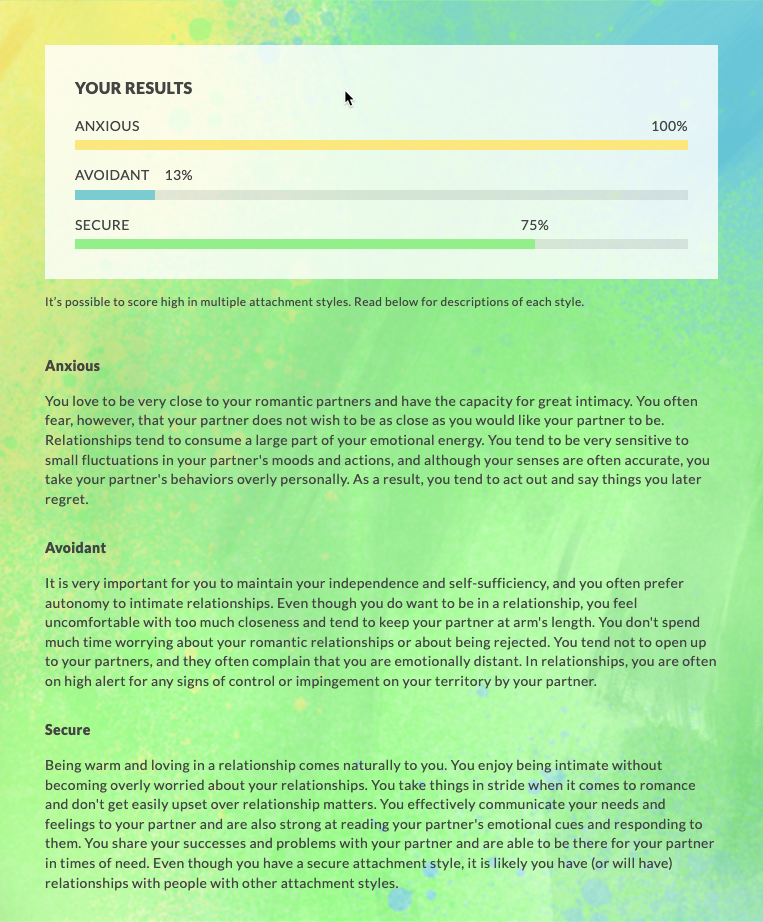
Here’s how I scored:

LOL. How can someone be secure and anxious at the same time? That’s what I need to understand! No doubt it has to do with my origin story but I can’t that narrative rule me for the rest of my life…

Survey Reveals The #1 Quality That Makes A Man Worth Marrying

What’s the ‘one thing’?

The survey says “the vast majority of respondents agree that the number one quality that makes a man worth marrying is his ability to communicate, followed closely by honesty and reliability.”

Survey Reveals The #1 Quality That Makes A Man Worth Marrying | YourTango

Love and ‘limerance’

No, you’re not crazy. Source: The Reason You’re So Obsessed With Him Isn’t Love, It’s Limerence

Why Being Broken Up With Is A Win-Win Situation

“It seems like couples are breaking up left and right. January is the #1 month for filing for divorce, and then in February, we all get attacked by heart-shaped candy boxes.Sure, the seductive holiday marketing might make you feel like being recently single is a double burn. But being alone on V-Day is better than being with someone who doesn’t think you’re as awesome as you are.

Why Being Broken Up With Is A Win-Win Situation | YourTango

New Research Shows There Are Actually Seven Love Styles, Not Five

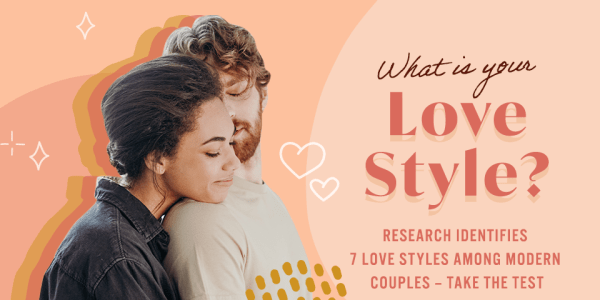
Truityโ€™s original research with over 500,000 volunteers drives the creation of a new 7 Love Styles test, showing how we give and receive love in modern relationships. Source: New Research Shows There Are Actually Seven Love Styles, Not Five

Reasons Not to Fall in Love

“Is love all you need? Current societal narratives tell us that romantic love is an โ€˜ultimate concern;โ€™ itโ€™s the highest goal a human being can attain. Weโ€™re all after it; many, if not most, books, poetry, music, and films revolve around it. Ultimately, beyond everything life offers, we all want a romantic relationship providing us with an undying love that allows us to live happily ever after and washes away our sorrows. But unfortunately, in the vast majority of cases, romantic love isnโ€™t what itโ€™s promised to be.”

Recommended reading: https://helenfisher.com/the-tyranny-of-love-love-addiction-an-anthropologists-view/

The ROOT CAUSE Of Trauma & Why You FEEL LOST In Life

Dr. Matรฉ generously shares his deep understanding of childhood trauma, vulnerability, grief, and emotional distress. He explains what real trauma is and how time doesnโ€™t necessarily lead to healing, how vulnerability is ingrained in us since we are young and the importance of these formative years to mold our emotional health, and the societal expectations we always try to meet but have never truly given us real fulfillment. We also exchange thoughts on dealing with grief, how we struggle to identify with the people we look up to, and how childhood experience varies for every child even when they are raised in a similar environment.

What ACEs/PCEs do you have?

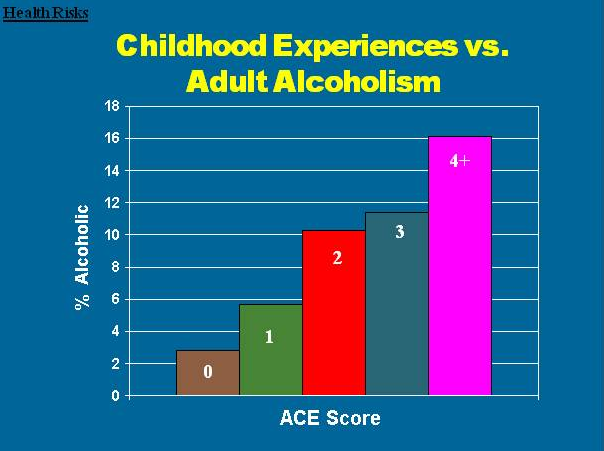
What ACEs do you have? There are 10 types of childhood trauma measured in the CDC-Kaiser Permanente Adverse Childhood Experiences Study. The number of ACEs and offsetting PCEs play a huge role in your childhood growth and development and could give you insight into addictive behaviors. Go to the source: What ACEs/PCEs do you have?

Gabor Mate explains the significance of childhood trauma here:

How Childhood Trauma Leads to Addiction

Gabor Matรฉ CM (born January 6, 1944) is a Hungarian-born Canadian physician. He has a background in family practice and a special interest in childhood development and trauma, and in their potential lifelong impacts on physical and mental health, including on autoimmune disease, cancer, ADHD, addictions, and a wide range of other conditions. Now retired from clinical practice, he travels and speaks extensively on these and related topics, both in North America and abroad. His books have been published internationally in over twenty-five languages. Matรฉ’s approach to addiction focuses on the trauma his patients have suffered and looks to address this in their recovery, with special regard to indigenous populations around the world.


Someone is talking behind your back and you want them to stop?

I love listening to Ashley Berges talk about mental health issues. Here’s a sample of her work that is relevant in my life today.

6 relationship resolutions to make this year

Making small changes in our connections with people โ€” whether itโ€™s our nearest and dearest or strangers at the store โ€” can yield big results. Source: 6 relationship resolutions to make this year

Start a Blog at WordPress.com.

Up ↑