As I get older and hopefully more emotionally mature, things like ‘THE truth trigger me’. As Khalil Gibran said ‘do not say I have found the truth, instead say I have found A truth’ — that’s the reason for the change in the title. Now, enjoy the article…
“You’re not angry; you feel powerless. Here’s what you can do about it. Source: The Truth About Anger“
Defensiveness can mean trying to counter or deny criticisms in areas where you feel sensitive, afraid, guilty, or deceitful. In some cases, defensiveness may arise if you felt the need to use specific coping skills in childhood or adolescence to survive, and those skills were helpful at the time. As an adult, however, defensiveness may no longer serve you. Additionally, defensive habits may cause difficulties in pushing others away or communicating. Source: Understanding Defensiveness As A Coping Skill | BetterHelp
Dr. Maté generously shares his deep understanding of childhood trauma, vulnerability, grief, and emotional distress. He explains what real trauma is and how time doesn’t necessarily lead to healing, how vulnerability is ingrained in us since we are young and the importance of these formative years to mold our emotional health, and the societal expectations we always try to meet but have never truly given us real fulfillment. We also exchange thoughts on dealing with grief, how we struggle to identify with the people we look up to, and how childhood experience varies for every child even when they are raised in a similar environment.
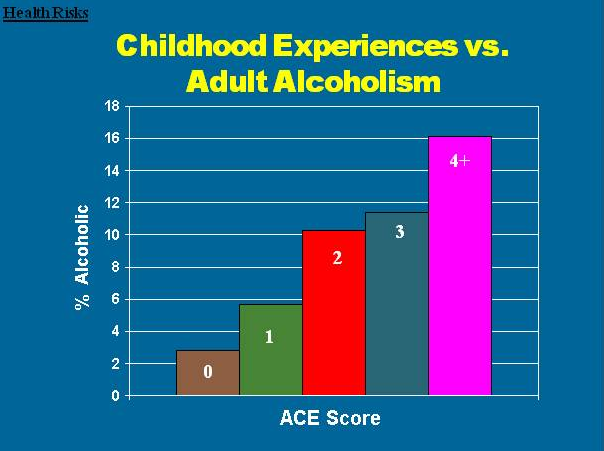
What ACEs do you have? There are 10 types of childhood trauma measured in the CDC-Kaiser Permanente Adverse Childhood Experiences Study. The number of ACEs and offsetting PCEs play a huge role in your childhood growth and development and could give you insight into addictive behaviors. Go to the source: What ACEs/PCEs do you have?
Gabor Mate explains the significance of childhood trauma here:
Gabor Mate is a multi-bestselling author and a world leading expert on trauma and how it effects us throughout our whole lives. A holocaust survivor and a first generation immigrant, Gabor’s knowledge and wisdom on the scars trauma leaves behind is deep and drawn from personal experience.
Gabor Maté CM (born January 6, 1944) is a Hungarian-born Canadian physician. He has a background in family practice and a special interest in childhood development and trauma, and in their potential lifelong impacts on physical and mental health, including on autoimmune disease, cancer, ADHD, addictions, and a wide range of other conditions. Now retired from clinical practice, he travels and speaks extensively on these and related topics, both in North America and abroad. His books have been published internationally in over twenty-five languages. Maté’s approach to addiction focuses on the trauma his patients have suffered and looks to address this in their recovery, with special regard to indigenous populations around the world.
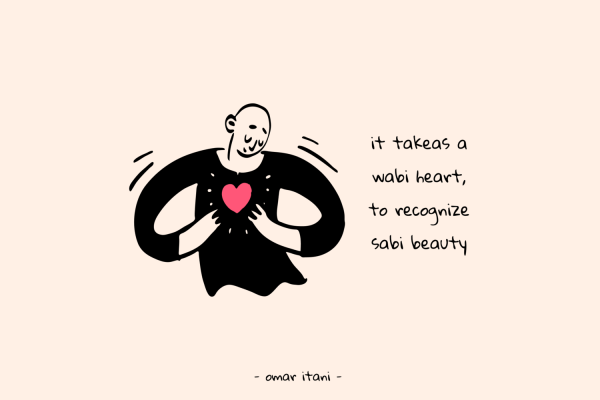
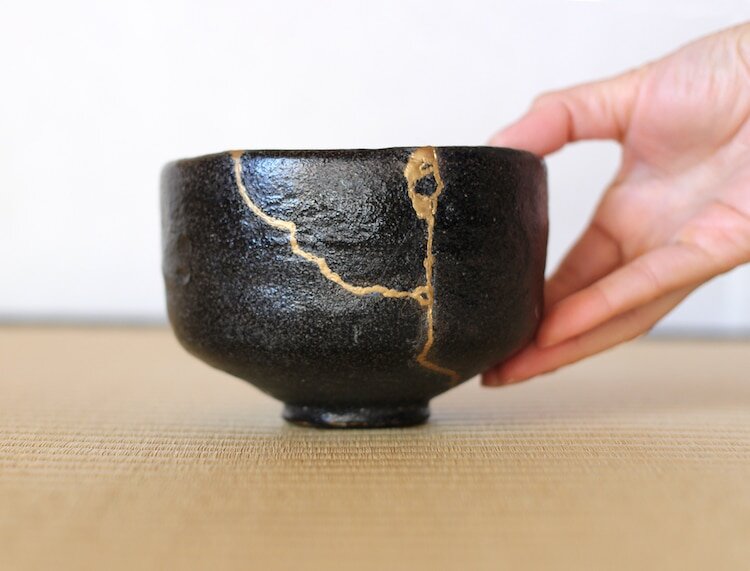
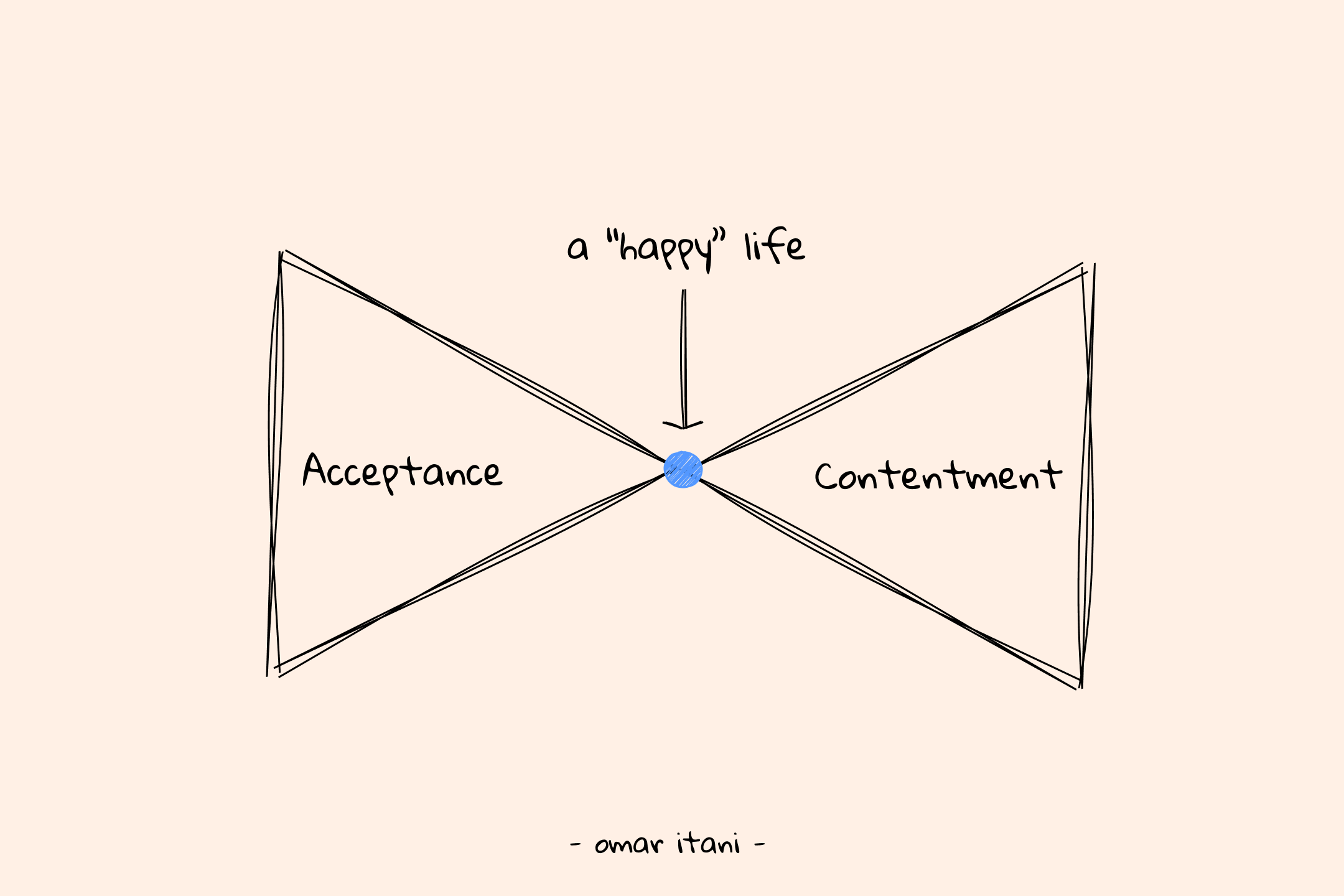
Wabi-sabi is a concept that motions us to constantly search for beauty in imperfection and accept the more natural cycle of life. It reminds us that all things including us and life itself, are impermanent, incomplete, and imperfect. Perfection, then, is impossible and impermanence is the only way. Go to the source: 5 Teachings From The Japanese Wabi-Sabi Philosophy That Can Drastically Improve Your Life — OMAR ITANI
This heart meditation guides us in how to cultivate a deep quality of friendliness in relating to our inner life and each other. The gift of this practice is a direct sense of belonging – knowing that we can never be alone.
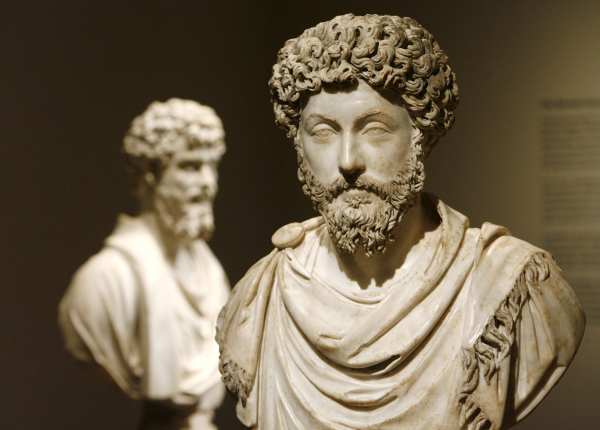
For those of us who live our lives in the real world, there is one branch of philosophy created just for us: Stoicism. It’s a philosophy designed to make us more resilient, happier, more virtuous and more wise–and as a result, better people, better parents and better professionals. Source: What Is Stoicism? A Definition & 9 Stoic Exercises To Get You Started
Want to go deeper? Check out this summary of Marcus Aurelius’ Meditations…
Brian Johnson offer’s a great overview here but you have to create a free account…











 Bright, shiny objects!
You must be logged in to post a comment.