5 Ways to Reengage With Life When Feeling Down

Embrace the magic of life, despite its hardships! This article contains 5 great ideas, including one that I unwittingly stumbled upon for myself a couple of decades ago. She also left out 1 way that I feel is worth mentioning: exercise or moving your body.

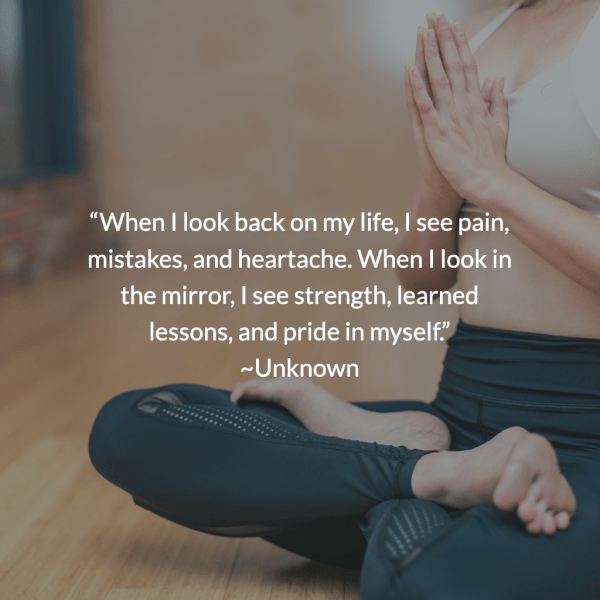
Exercise is not only beneficial for our physical well-being but also has a profound impact on our mood. Engaging in regular physical activity, whether it’s a brisk walk, a yoga session, or a vigorous workout, releases endorphins in our brain, which are known as “feel-good” hormones. These endorphins help to alleviate stress, reduce anxiety, and boost overall happiness. Moreover, exercise provides a much-needed break from our daily routines and allows us to shift our focus away from negative thoughts, enabling a sense of mental clarity and rejuvenation. So, next time you’re feeling down, remember that a simple workout can be a powerful tool to uplift your spirits and reinvigorate your zest for life.

Read about the other 5 ways: 5 Ways to Reengage With Life When Feeling Down

Everyone’s Doing The Best That They Can

Hailey Magee writes “My favorite principle is this simple truth: Everyone is doing the best that they can with the resources they have. Adopting this belief has radically changed my relationship to myself and to others. This idea has been explored by a constellation of religious, spiritual, and wellness practitioners. As Deepak Chopra said, “People are doing the best that they can from their own level of consciousness.” At first, it’s a hard concept for us to swallow. In a culture that constantly urges us to do more, to be better, and to excel,  “I’m doing the best that I can” sounds like complacency—like an excuse. But what if we took a step back from our culture’s infinite growth paradigm and considered, “What if, right now, there is a limit to what I can achieve? Can I be okay with that?”” Source: Everyone’s Doing The Best That They Can – Tiny Buddha

Can People Truly Change?

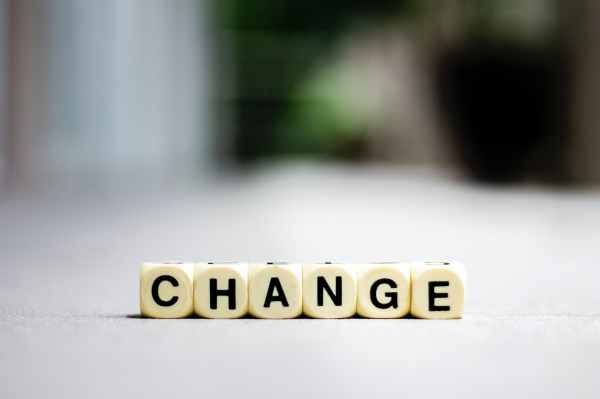
Change is a fundamental aspect of the human experience. Throughout our lives, we encounter numerous circumstances and events that shape us, molding us into the people we are today. But can people truly change? This question has been a subject of much debate and contemplation among philosophers, psychologists, and everyday individuals seeking personal growth. In this blog post, we will explore different perspectives on this intriguing subject.

The Nature vs. Nurture Debate

One of the main factors influencing change is the ongoing Nature vs. Nurture debate. Some people argue that our personalities and behaviors are largely determined by our genetic makeup, while others believe that our environment and experiences shape us. Both nature and nurture play a significant role in who we are, but the extent to which they dictate our ability to change remains a complex matter.

The Power of Habits

Habits are deeply ingrained patterns of behavior that can be challenging to overcome. Whether it’s smoking, procrastination, or unhealthy eating habits, breaking free from negative patterns requires dedication and willpower. However, research suggests that it is indeed possible to change habits through consistent effort and the utilization of various behavior change strategies. This shows that individuals have the capacity for change when it comes to their habits.

Neuroplasticity and Brain Changes

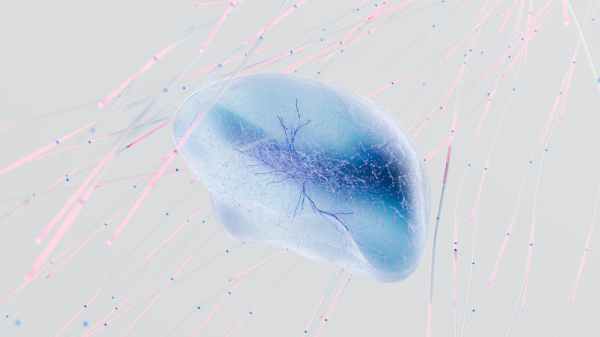
Advancements in neuroscience have shed light on the brain’s remarkable ability to rewire itself, a phenomenon known as neuroplasticity. The brain is not a fixed organ but rather a dynamic and adaptable one. It can form new neural connections and modify existing ones based on experience, learning, and deliberate effort. This implies that our thoughts, behaviors, and emotions can be altered through the rewiring of our brains, offering concrete evidence of our potential for change.

The Role of Self-reflection

Self-reflection serves as a powerful tool for personal growth and transformation. By engaging in introspection, individuals gain insight into their thoughts, feelings, and behaviors. This deeper understanding allows for the identification of areas in need of change and the development of strategies to make those changes. Self-reflection creates an opportunity for individuals to take responsibility for their actions and make conscious efforts to become better versions of themselves.

Motivation and Willpower

Change often requires motivation and willpower. Without a desire to change and the determination to follow through, it can be challenging to make enduring transformations. Motivation can stem from various sources, such as personal goals, external influences, or a desire for personal growth. Willpower, on the other hand, is the ability to resist short-term gratification in pursuit of long-term goals. Although motivation and willpower may fluctuate, individuals who possess these qualities have a greater likelihood of enacting meaningful change in their lives.

External Factors and Support Systems

People do not exist in isolation. External factors and support systems can profoundly influence an individual’s capacity for change. Positive, nurturing environments and supportive relationships can provide the necessary encouragement, guidance, and accountability for personal growth. Whether it’s through therapy, mentoring, or the support of friends and family, external factors can play a pivotal role in facilitating change.

The Limitations of Change

While change is indeed possible, it is important to acknowledge its limitations. Some aspects of our personalities, such as core values or temperament, may be resistant to change. Additionally, the extent to which individuals can change varies from person to person. Factors like age, past experiences, and neurological conditions can complicate the process of change. It is crucial to practice self-compassion and acceptance, recognizing that personal growth is a gradual and ongoing journey.

Conclusion

In conclusion, the question of whether people can truly change is a complex one. While the capacity for change exists within us, it is influenced by a multitude of factors, including genetics, environment, habits, neuroplasticity, motivation, and external support. Personal growth and transformation require self-reflection, determination, and resilience. It is important to approach the journey of change with patience, compassion, and an understanding that change is a dynamic process unique to each individual. By embracing the potential for change, we can embark on a path of personal growth and continually strive to become the best versions of ourselves.

How the Brain Really Generates Fear and Anxiety

A new documentary on neuroscientist Joseph LeDoux dispels myths. Source: How the Brain Really Generates Fear and Anxiety

Change the Painful History Channel Playing in Your Head

If your brain is stuck in a mental rut, it’s easier to get free than you think. Source: Change the Painful History Channel Playing in Your Head

How Wildfire Smoke Alters the Brain

The effects of biomass smoke inhalation on mental health. Source: How Wildfire Smoke Alters the Brain

A Video from Pam Lefkowitz of ROAR!

New blogger and old friend Pam Lefkowitz has finally gone public. She says:

“I used to speak on tech topics but discovered that I’m not very good at taking tech principles and operations from my brain and teaching them to audiences. I can translate tech-speak to muggle-speak, however. I just can’t do it tech to tech. I suspect it’s a case of Imposter Syndrome more than anything, to be honest.

Here’s your warning!

But I *am* very good at soft skills presentations. And, so, I’ve done a number of them. The most recent one was a lot of fun: Ageism in Tech, revisited. I talk about ageism, racism, and sexism in tech. I’ll post it here. I hope you enjoy it.”

If I recall correctly, Pam is the first woman to become authorized as an Apple Authorized Systems Engineer. She’s super smart and super funny. Follow her blog…

Source: A Video – ROAR!

Rumination, Worry and the Brain

Research indicates a potential biomarker for depressive rumination. Source: Rumination, Worry and the Brain

Keep Your Focus on What Is Important

Rick Hanson has always been one of my favorites. He says “the most important thing is to remember the most important thing.” (I prefer ‘the main thing is to keep the main thing the main thing.” but you get it) Source: Keep Your Focus on What Is Important

Finding the Calm Inside: How to Cultivate Self-Awareness to Create Inner Peace

Sarah Chauncey writes “In 2010, I decided I would try to rewire my wildly anxious brain for inner peace. Here are some of the key lessons I learned.” Source: Finding the Calm Inside: How to Cultivate Self-Awareness to Create Inner Peace – Tiny Buddha

Why Vacations Are So Good for the Brain

The power of a “brain-cation” in unleashing creativity. Source: Why Vacations Are So Good for the Brain

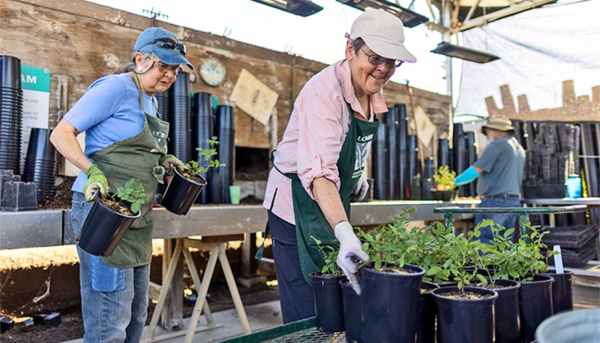
Volunteering may protect older adults against dementia

“Volunteering… could serve as a simple intervention in all older adults to protect against risk for Alzheimer’s disease,” says Yi Lor. Source: Volunteering may protect older adults against dementia

To Fight Loneliness, Find a Sense of Purpose

Author Talia Ogliore-Wustl writes:

“Loneliness is known to be one of the biggest psychological predictors for health problems, cognitive decline, and early mortality,” says Patrick Hill, associate professor of psychological and brain sciences at Washington University in St. Louis. “Studies show that it can be as harmful for health as smoking or having a poor diet.”

“There’s more to fighting loneliness than simply being around others. “We’ve all had time in our lives when we’ve felt lonely even though we weren’t actually alone.” There’s something about having a sense of purpose that seems to fight loneliness regardless of how many other people are involved, he says.”

“There are no downsides to finding something meaningful later in life.” Source: To Fight Loneliness, Find a Sense of Purpose

Lonely people see the world differently, according to their brains

Brain activity differs among people who feel out of touch with their peers. Source: Lonely people see the world differently, according to their brains

A Hitch In Accurate Detection of AI-Written Content

Study finds AI GPT detectors misclassify work by non-native English students. Source: A Hitch In Accurate Detection of AI-Written Content

The Infant Brain Remembers

The experiences we have in infancy can become lifelong memories. Source: The Infant Brain Remembers

The Curious Personality Changes of Older Age

When people lose the ability to control their circumstances, their selves sometimes evolve instead.

“You’ve probably heard the saying “You can’t teach an old dog new tricks.” An awful phrase, I know, but it speaks to a common belief about older adulthood: that it’s a time of stagnation. A time when we’ve become so set in our ways that, whether we’re proud of them or not, we’re not likely to budge.

Psychologists used to follow the same line of thinking: After young adulthood, people tend to settle into themselves, and personality, though not immutable, usually becomes stabler as people age. And that’s true—until a certain point. More recent studies suggest that something unexpected happens to many people as they reach and pass their 60s: Their personality starts changing again.” Go to source to learn more: The Curious Personality Changes of Older Age

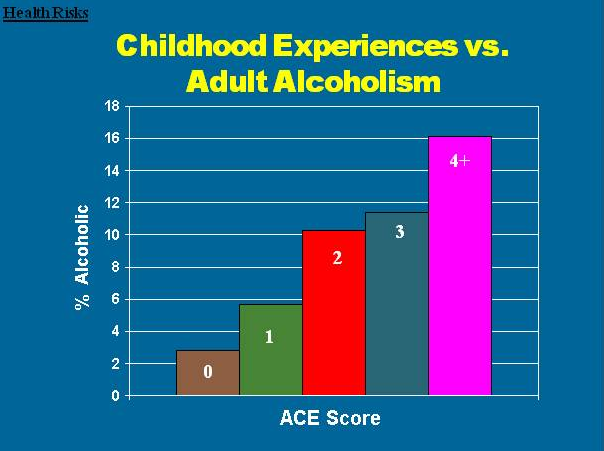
What ACEs/PCEs do you have?

What ACEs do you have? There are 10 types of childhood trauma measured in the CDC-Kaiser Permanente Adverse Childhood Experiences Study. The number of ACEs and offsetting PCEs play a huge role in your childhood growth and development and could give you insight into addictive behaviors. Go to the source: What ACEs/PCEs do you have?

Gabor Mate explains the significance of childhood trauma here:

How to Reclaim Your Brain From Big Tech via @MindfulOnline

Here’s how you can use mindfulness to pause, pay attention, and align your tech and social media use with your values. Source: How to Reclaim Your Brain From Big Tech – Mindful

One Incredibly Cool Fact about the Brain

The cool thing? Neuroplasticity. Go to the source for more: One Incredibly Cool Fact about the Brain.

The 8 Different Types of Dementia According to Science

Most people don’t know that eight different types of dementia exist that could impact the brain as we age. These are good to know. Source: The 8 Different Types of Dementia According to Science

Start a Blog at WordPress.com.

Up ↑