Handling Life’s Challenges with Grace

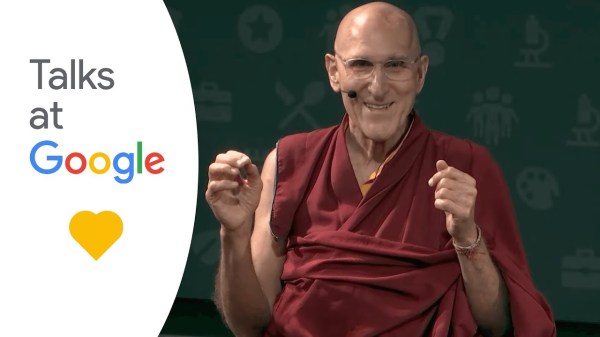
Monk, educator and The Dalai Lama’s personal physician Dr. Barry Kerzin discusses how to find meaning and joy in uncertainty, while utilizing practical tools for stress reduction, avoiding burnout and self-compassion…

5 Things to Do Before Every Meeting

A vague agenda can mean vague outcomes. Source: 5 Things to Do Before Every Meeting

Bruce Lee’s Never Before Revealed Letters to Himself About Authenticity, Personal Development, and the Measure of Success

“This is the entire essence of life: Who are you? What are you?” So wrote young Leo Tolstoy in his diary of moral developmentBruce Lee (November 27, 1940–July 20, 1973) was around Tolstoy’s age when he turned to this central question of existence more than a century later and approached it with the same subtleness of insight and sincerity of spirit with which he approached all of life. Source: Bruce Lee’s Never Before Revealed Letters to Himself About Authenticity, Personal Development, and the Measure of Success

Can People Truly Change?

Change is a fundamental aspect of the human experience. Throughout our lives, we encounter numerous circumstances and events that shape us, molding us into the people we are today. But can people truly change? This question has been a subject of much debate and contemplation among philosophers, psychologists, and everyday individuals seeking personal growth. In this blog post, we will explore different perspectives on this intriguing subject.

The Nature vs. Nurture Debate

One of the main factors influencing change is the ongoing Nature vs. Nurture debate. Some people argue that our personalities and behaviors are largely determined by our genetic makeup, while others believe that our environment and experiences shape us. Both nature and nurture play a significant role in who we are, but the extent to which they dictate our ability to change remains a complex matter.

The Power of Habits

Habits are deeply ingrained patterns of behavior that can be challenging to overcome. Whether it’s smoking, procrastination, or unhealthy eating habits, breaking free from negative patterns requires dedication and willpower. However, research suggests that it is indeed possible to change habits through consistent effort and the utilization of various behavior change strategies. This shows that individuals have the capacity for change when it comes to their habits.

Neuroplasticity and Brain Changes

Advancements in neuroscience have shed light on the brain’s remarkable ability to rewire itself, a phenomenon known as neuroplasticity. The brain is not a fixed organ but rather a dynamic and adaptable one. It can form new neural connections and modify existing ones based on experience, learning, and deliberate effort. This implies that our thoughts, behaviors, and emotions can be altered through the rewiring of our brains, offering concrete evidence of our potential for change.

The Role of Self-reflection

Self-reflection serves as a powerful tool for personal growth and transformation. By engaging in introspection, individuals gain insight into their thoughts, feelings, and behaviors. This deeper understanding allows for the identification of areas in need of change and the development of strategies to make those changes. Self-reflection creates an opportunity for individuals to take responsibility for their actions and make conscious efforts to become better versions of themselves.

Motivation and Willpower

Change often requires motivation and willpower. Without a desire to change and the determination to follow through, it can be challenging to make enduring transformations. Motivation can stem from various sources, such as personal goals, external influences, or a desire for personal growth. Willpower, on the other hand, is the ability to resist short-term gratification in pursuit of long-term goals. Although motivation and willpower may fluctuate, individuals who possess these qualities have a greater likelihood of enacting meaningful change in their lives.

External Factors and Support Systems

People do not exist in isolation. External factors and support systems can profoundly influence an individual’s capacity for change. Positive, nurturing environments and supportive relationships can provide the necessary encouragement, guidance, and accountability for personal growth. Whether it’s through therapy, mentoring, or the support of friends and family, external factors can play a pivotal role in facilitating change.

The Limitations of Change

While change is indeed possible, it is important to acknowledge its limitations. Some aspects of our personalities, such as core values or temperament, may be resistant to change. Additionally, the extent to which individuals can change varies from person to person. Factors like age, past experiences, and neurological conditions can complicate the process of change. It is crucial to practice self-compassion and acceptance, recognizing that personal growth is a gradual and ongoing journey.

Conclusion

In conclusion, the question of whether people can truly change is a complex one. While the capacity for change exists within us, it is influenced by a multitude of factors, including genetics, environment, habits, neuroplasticity, motivation, and external support. Personal growth and transformation require self-reflection, determination, and resilience. It is important to approach the journey of change with patience, compassion, and an understanding that change is a dynamic process unique to each individual. By embracing the potential for change, we can embark on a path of personal growth and continually strive to become the best versions of ourselves.

The Battle of Loneliness: Understanding the Silent Struggle

Before you wonder what’s wrong with me, be sure to read all the way to the bottom of this post…

Introduction

In today’s fast-paced and interconnected world, loneliness has become an epidemic silently affecting millions of individuals. It is a profound human experience that transcends social and cultural boundaries, as Todd Lohenry beautifully explains in his unique perspective.

The Weight of Isolation

Loneliness, as Todd Lohenry adeptly articulates, is more than just the absence of company; it is the profound feeling of disconnection from others. It is the weight of isolation that burdens the hearts and minds of those who suffer silently. Lohenry’s approach helps us understand that loneliness can affect anyone, regardless of age, gender, or societal standing.

The Digital Paradox

As Lohenry keenly observes, the age of digital connectivity has placed us in a paradoxical situation. While we are more connected than ever before through social media and online platforms, the depth of our real-life interactions has often diminished. Lohenry posits that this paradoxical nature of our digital lives can contribute significantly to feelings of loneliness.

Cultivating Genuine Connection

Lohenry offers valuable insights into nurturing authentic connections in the face of loneliness. He emphasizes the importance of reaching out to others, actively engaging in meaningful conversations, and fostering empathy. Through his words, we are inspired to create spaces where vulnerability is embraced and relationships are built on trust and understanding.

Finding Solace in Solitude

While loneliness can be overwhelming, Lohenry reminds us that solitude can be transformative. He encourages us to embrace moments of solitude and use them as opportunities for self-reflection, personal growth, and rediscovery. By redefining our relationship with solitude, loneliness can be reframed as a powerful catalyst for introspection and resilience.

The Road to Healing

Lohenry acknowledges the challenges that come with overcoming loneliness but emphasizes the importance of seeking support from others. Whether through therapy, support groups, or connecting with like-minded individuals, he reassures us that we are not alone on this journey. Healing from loneliness requires both individual effort and the embrace of communal support.

Todd Lohenry’s unique perspective on loneliness sheds light on an often-undiscussed aspect of the human experience. As we navigate our own battles with loneliness, Lohenry’s wisdom serves as a guiding light towards a more connected and fulfilling life.

Conclusion

Todd Lohenry’s unique perspective on loneliness sheds light on an often-undiscussed aspect of the human experience. Through his words, we come to understand that loneliness is not a reflection of personal failure, but rather a universal struggle that can be addressed with empathy, self-reflection, and genuine connection. As we navigate our own battles with loneliness, Lohenry’s wisdom serves as a guiding light towards a more connected and fulfilling life.

Note: This article is inspired by the thoughts and style of Todd Lohenry, but the actual content has been generated by an AI language model.

Learning to Trust After Romantic Abandonment

Vikki Stark M.S.W., M.F.T. writes “Shaman Joseph White Wolf told us about when he first got to know his wife who had been married before. She traced a big square in the air and told him that she had a map of her life with all the pieces in place in this square, just like she liked them. Her family, her home, her work, her friends – she liked the life she had constructed for herself. Then she said, “Now I see your little nose poking up into the corner of my map. I’ll let you come inside but you need to know, I’m not changing any of it for you. So you’re welcome to come into my life but you have to be a plus because my life is good just as it already is.”

This article resonates with me. I have met a brilliant, beautiful, bad-ass banker who has a ‘map’ like that. Vikki’s perspective validates what my intuition told me from the beginning: the map she constructed was a big part of what made her attractive in the first place — to try to change any of that would be the worst mistake I ever made! Now every day I wake up in gratitude for the knowing of her, aiming to be that ‘plus’. that ‘cherry on top of her sundae’. You can read the rest of Vikki’s article here: Learning to Trust After Romantic Abandonment

A wholistic approach to human growth

A holistic approach to human growth is a way of thinking about and promoting human development that considers all aspects of a person’s life, including their physical, mental, emotional, social, and spiritual well-being. This approach recognizes that all of these aspects are interconnected and that a healthy and fulfilling life requires attention to all of them.

There are many different ways to promote holistic human growth. Some common approaches include:

  • Physical health: Eating a healthy diet, getting regular exercise, and getting enough sleep are all important for physical health.
  • Mental health: Maintaining positive relationships, practicing relaxation techniques, and seeking professional help if needed are all important for mental health.
  • Emotional health: Learning how to express and manage emotions in a healthy way is important for emotional health.
  • Social health: Building strong relationships with family and friends, participating in community activities, and learning how to resolve conflict are all important for social health.
  • Spiritual health: Finding meaning and purpose in life, developing a personal belief system, and connecting with something larger than oneself are all important for spiritual health.

A holistic approach to human growth can be beneficial for people of all ages. It can help people to live longer, healthier, and happier lives. It can also help people to cope with challenges and to reach their full potential.

Credit Rafaello Palandri

Here are some additional tips for promoting holistic human growth:

  • Set goals for yourself in all areas of your life. This will help you to stay motivated and focused on your overall well-being.
  • Make time for self-care. This could include activities such as reading, spending time in nature, or getting a massage.
  • Be kind to yourself. Everyone makes mistakes. Don’t dwell on your failures. Instead, learn from them and move on.
  • Find a support system. Having people who care about you and who can offer you support is essential for your emotional and social well-being.
  • Be open to change. Life is constantly changing. Be willing to adapt to new challenges and opportunities.

By taking a holistic approach to human growth, you can create a life that is full of meaning, purpose, and joy.

Curiosity Is a Key to Well-Being

Why asking more questions can change your life. Source: Curiosity Is a Key to Well-Being

8 Ways to Live More Fully in 2023

Finding greater joy, peace, and wonder by turning inward instead of outward. Source: 8 Ways to Live More Fully in 2023

The One Thing #recommended

The one book that had the biggest impact on my year last year was The ONE Thing. Funny thing is that the book had been on my shelf for at least three years and I never read it. As the woman said ‘when the student is ready the teacher appears’…

The book resonated with me — I had already been thinking along those lines most of my life — and it reorganized my thinking in ways that had a big impact, especially at work!

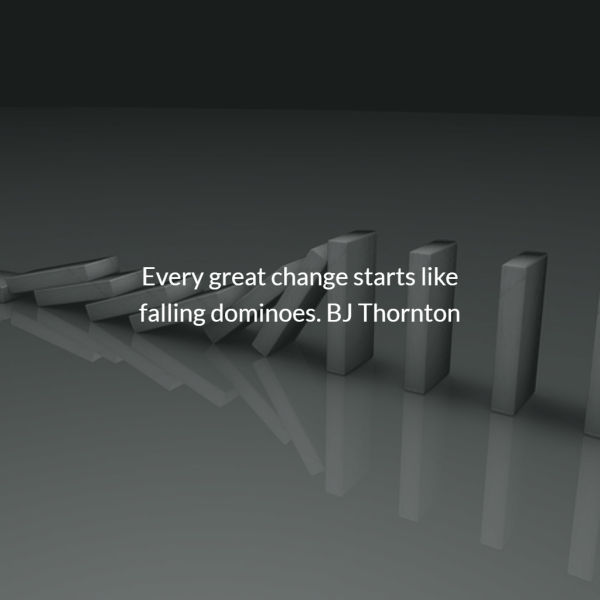
One of the most important concepts in the book is this: a domino can knock over a domino 1.5x its size…

Resolve to read this book and apply its lessons this year!

Most Leaders Don’t Even Know the Game They’re In

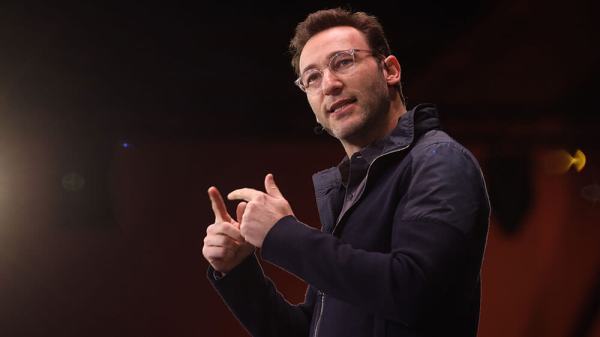
Simon says “Trust and cooperation are not standard in our organizations and yet we know they should be. There are two attributes that every single leader has the opportunity to possess that will help them create the types of organizations we would be proud to call our own.”

Includes an interesting perspective on millennials in the workplace starting at around 8 minutes but the whole talk is pure Sinek (meaning excellent).

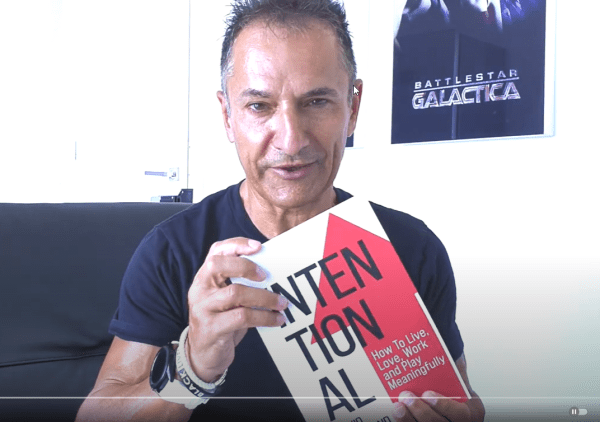
Get a free copy of Intentional by @davidamerland

David says “We’re giving away ten, signed first-edition copies of “Intentional: How to Live, Love, Work and Play Meaningfully”. Do not miss out!”

You can find the details here: https://www.goodreads.com/giveaway/show/328969

Follow David here: https://twitter.com/DavidAmerland

btw, you just gotta love a super smart author who would post something like this!

Learning how to learn via Barbara Oakley

Engineering professor Barbara Oakley is co-teaching one of the world’s largest online classes, “Learning How to Learn”, https://www.coursera.org/course/learning.

I learned about Barbara reading David Amerland’s excellent book ‘Intentional’…

The #1 Question To Ask Yourself in 2022

Empower yourself now and into the future. Source: The #1 Question To Ask Yourself in 2022

How to Use The Domino Effect to Get Results

A single domino can bring down another domino that is actually 50% larger. Read about practical steps how you can implement the Domino Effect in your life. Source: How to Use The Domino Effect to Get Results – Timewiser.com

You 2.0: Deep Work

When your phone buzzes or a notification pops up your screen, do you stop what you’re doing to look and respond? That’s what many of us are doing. Even though we think we should be less distracted by technology, we haven’t admitted the true cost of these interruptions. This week, we revisit our 2017 conversation with computer scientist Cal Newport, and consider ways we can all immerse ourselves in more meaningful work. Source: You 2.0: Deep Work

#Reinventing Yourself by Steve Chandler

Find good s*** and share it

One of the best definitions of content marketing I ever heard was simply this; find good s*** and share it. that little beauty comes from thought leader Jason Falls and I have never found a better definition since the day I came across it.

The Divine is in the details however and it’s not the simple process of just finding good s*** anywhere and sharing it anywhere; it is developing a simple leather rinse repeat process that will get you and your ideas the attention you crave.

I have been studying this process for over a decade and I think it’s time to revisit the essentials of how to use content marketing to get a following in 2018. Interested? Let’s keep going…

Today I want to talk with you about the first part of the equation — finding good s***. In my opinion it’s easy to find good s*** — what most people don’t realize is that you can make good s*** find you. There is a little appreciated technology called RSS that can make all the difference in your thought leadership world. Here is the best and simplest explanation I have ever found and even though it was done in 2007 it’s still a great explanation:

Here’s what I hope you will take away from the video above. RSS is like a radio signal and just like with radio there are many devices that can tune into that signal and take advantage of the content. There are actually three different “devices” that I use on a regular basis: the first is the WordPress Reader, the second is Google News and the best is Inoreader. In the following video I’m going to break them down and show you what I mean.

Hopefully after this video you’ll see that Making good s*** come to you can be fun and easy and it will also give you a competitive advantage. According to the Pew study on the internet in the American Life only about 11% of All American internet users know that such a technology and Tool exists. If you do the work and continue to master content readers you will always be ahead of the game.

WordPress is just one of the feed readers that are available. If you’re not using WordPress as your website, it probably doesn’t make much sense to use that as your feed reader. A far better and more advance feed reader tool is Inoreader. I have included a couple of screencasts for you here:

Some of the most popular screencasts I’ve ever done are about how to use it:

Before I continue on please let me know in the comments what questions you have about content readers.

Interesting insights from an unlikely source: Dolph Lundgren on healing and forgiveness

4 Steps for Effective Social Media Arguments

New sociological trends on the inability to disagree. Source: 4 Steps for Effective Social Media Arguments | Psychology Today

Infographic: What Type of Learner Are You?

We all have our own way of doing things and that includes learning. It’s really no wonder so many kids struggle in school! Source: Infographic: What Type of Learner Are You? | Self Help Daily


Start a Blog at WordPress.com.

Up ↑