Bigger Isn’t Better when it comes to Farming

The EPA was directed to set standards for radi...

I’ve shared information about CAFO’s here before. As a resident of rural Wisconsin in a county with 17 CAFO’s, I’m concerned about the impact of these mega-manure operations on my land and water…

The Environmental Protection Agency estimates that more than 1 billion tons of animal waste is produced annually by livestock operations, much of it from CAFOs. These facilities commonly rely on open lagoons or large piles to store the huge volumes of waste generated there, later to be crop-applied. This waste is essentially untreated and often used at levels that far exceed the fertilization needs of crops. This results in excess runoff and leaching into local rivers, streams and bays, damaging water quality and fish, birds, and other life.

“The waste generated by CAFOs contains a range of pollutants, including excess nutrients such as nitrogen and phosphorus. Even more alarming, this manure can carry pathogens like bacteria and viruses, antibiotics, copper, and arsenic.” Karen Steuer, Director, Reforming Industrial Animal Agriculture

And there have been plenty of reports of these issues affecting people, too. In 2004, 29 states identified livestock-feeding operations as a source of water pollution. According to the EPA, drinking water sources for an estimated 40 percent of Americans have suffered some level of pathogen contamination associated with CAFOs.

The waste generated by CAFOs contains a range of pollutants, including excess nutrients such as nitrogen and phosphorus. Even more alarming, this manure can carry pathogens like bacteria and viruses, antibiotics, copper, and arsenic.

All this can result in a multitude of problems for people, plants, and animals alike. For example:

A massive manure spill at a Lewis County, N.Y., dairy farm in 2005 contaminated 20 miles of the Black River and killed 375,000 fish.

At a national wildlife refuge near a large hog operation in Nebraska, wildlife experts concluded in 2004 that wastewater with high concentrations of phosphorous, ammonia, nitrogen, and harmful pathogens had created an environment conducive to algal blooms and possible outbreaks of avian botulism and avian cholera.

Over the last three years, toxic algal blooms have plagued Grand Lake St. Marys in western Ohio. These are caused by excess nutrients, and the Ohio Department of Natural Resources notes that the “manure generated by approximately 300 confined animal operations and applied to nearby crop fields is a major component of the nutrient load to the watershed.”

The Clean Water Act is the principal law for controlling pollution of rivers, lakes, and wetlands in the United States. The law has a mixed record overall, but an especially poor one when it comes to regulating pollution from animal agriculture, particularly concentrated animal feeding operations. While the EPA and state agencies have implemented various regulations to control nutrient pollution, significant gaps remain.

In my next blog, I will provide more detail on the specific links between CAFOs and water pollution across the country.” Get more here: Bigger Isn’t Better – Pew Environment Group.

You can track the issue here and via Google Alerts and Google Reader if you’re interested in knowing more…

It’s not all in your head

Image representing Seth Godin as depicted in C...

“It’s not ALL in your head

But part of it is.

We spend an enormous amount of time trying to get the world to align with the vision we have for what will make us happy or successful.

Whatever “it” is, figuring out how to deal with the noise in your head is probably faster and cheaper than changing the outside world. Not easier, though, merely important.” via Seth’s Blog: It’s not all in your head.

Finally achieve favorite child status with a meat basket for Dad

I hope my boys are paying attention! Holy Kaw! via Finally achieve favorite child status with a meat basket for Dad.

Forgiveness

notsalmon via Forgiveness.

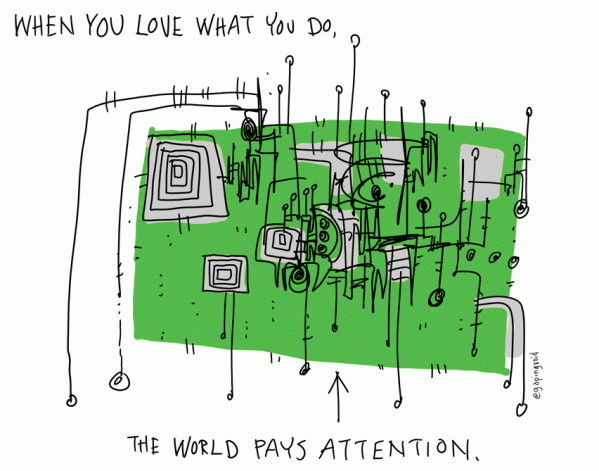
Pay attention

via gapingvoid.com

Dream big!

via Gapingvoid.com

Overcoming you


Overcoming you | notsalmon.

Letting Go

“There are some things we can control, like what we eat and whether or not we choose to exercise. We can choose how we treat others and how we allow them to treat us. Basically, we can control our actions and reactions and that’s about all.

The most important lesson I learned is that living in fear (aka: control) is not really living at all. It’s more like tiptoeing around life (when you’re not flat-out running away from it). It was empowering to give up the “power” I thought I had.” Get more here: Letting Go | notsalmon.

Love keeps your soul perky

notsalmon via Love keeps your soul perky..

Don’t accept this progression!

This does not have to be the way things turn out. However, you may need to get up off your assets and exercise. Lead.Learn.Live. via Work-Out Inspiration: 4 Pictures worth > 1000 words.

I’d do anything to lose 10lbs…

Lead.Learn.Live. via Work-Out Inspiration: 4 Pictures worth > 1000 words.

I used to wonder

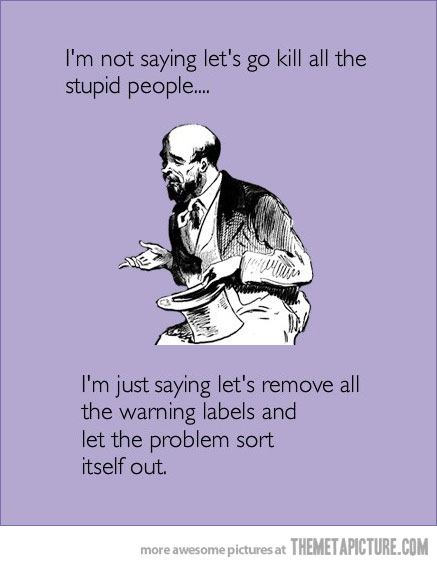
I’m just saying…

The Meta Picture via I’m just saying….

3 Childhood Games Super-Sized for Backyard Fun

Escape Adulthood with Kim & Jason via 3 Childhood Games Super-Sized for Backyard Fun.

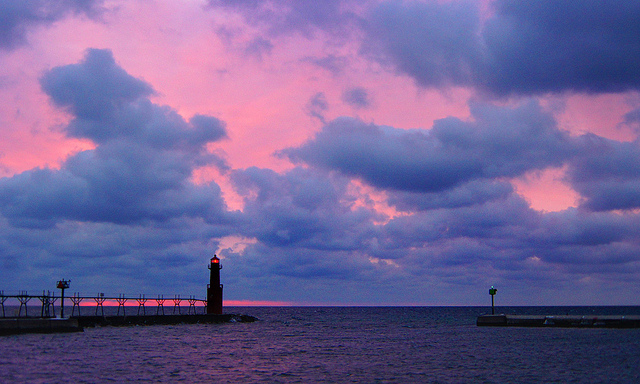
Pre-Sunrise Pastels

Pops Digital via Pre-Sunrise Pastels.

Do you remember the outernet?

The Meta Picture via Do you remember the outernet?.

Let nature take its course

Panic

Yup! More Melody Beattie:

“Few situations – no matter how greatly they appear to demand it – can be bettered by us going beserk.” Codependent No More

Don’t Panic!

If a swimmer was crossing a great lake, then suddenly focused too heavily on the distance remaining, he might start to flounder and go under – not because he couldn’t swim, but because he became overwhelmed by panic.

Panic, not the task, is the enemy.

Many of us have moments when we feel crowded and overwhelmed. We have times when we feel like we cannot possibly accomplish all that needs to be done.

We may be facing a task at work, an improvement in ourselves, or change in our family life.

For a moment, it is helpful to look forward and envision the project. It is normal, when we look ahead at what needs to be done, to have moments of panic. Feel the fear, then let it go. Take our eyes off the future and the enormity of the task. If we have envisioned the goal, it will be ours. We do not have to do everything today, or at once.

Focus on today. Focus on the belief that all is well. All we need to do to reach our goal is to focus on what presents itself naturally, and in an orderly way, to us today. We shall be empowered to accomplish, peacefully, what we need to get where we want to be tomorrow.

Panic will stop this process. Trust and guided action will further it. Breathe deeply. Get peaceful. Trust. Act as guided, today.

We can get back on track by treading water until we regain our composure. Once we feel peaceful, we can begin swimming again, with confidence. Keep the focus simple, on one stroke, one movement at a time. If we can make one movement, we have progressed. If we get tired, we can float – but only if we are relaxed. Before we know it, we shall reach the shore.” via THE RECOVERY PROCESS: Panic.

Shiny Suspension

“All this shiny stuff caught my eye.  It’s the front suspension of a very cool hot rod I saw at the last car show in Algoma, Wisconsin. All of the chrome caught my eye and the car’s colorful, custom paint job made the perfect background.” via Shiny Suspension | Pops Digital.

Living Our Lives

Melody Beattie writes:

“Don’t stop living your life!

So often, when a problem occurs, inside or around us, we revert to thinking that if we put our life on hold we can posi­tively contribute to the solution. If a relationship isn’t work­ing, if we face a difficult decision, if we’re feeling depressed, we may put our life on hold and torment ourselves with obsessive thoughts.

Abandoning our life or routines contributes to the problem and delays us from finding the solution.

Frequently, the solution comes when we let go enough to live our life, return to our routine, and stop obsessing about the problem.

Sometimes, even if we don’t feel like we have let go or can let go, we can “act as if” we have, and that will help bring about the letting go we desire.

You don’t have to give up your power to problems. You can take your focus off your problem and direct it to your life, trusting that doing so will bring you closer to a solution.

Today, I will go on living my life and tending to my routine. I will decide, as often as I need to to stop obsessing about whatever is bothering me. If I don’t feel like letting go of a particular thing, I will “act as if” I have let go of it until my feelings match my behavior.” via June 9: Living Our Lives.

BackOfAnEnvelope: The Weekend

Nicholas Bate via BackOfAnEnvelope: The Weekend.

Start a Blog at WordPress.com.

Up ↑