“Put moral formation at the centre of your society”
David Brooks
“Put moral formation at the centre of your society” David Brooks’ speech was challenging and thought provoking, calling for us to reassess what we think cultural renewal looks like and to reconnect to our spiritual roots.
“They constantly try to escape From the darkness outside and within By dreaming of systems so perfect that no one will need to be good. But the man that is will shadow The man that pretends to be.”
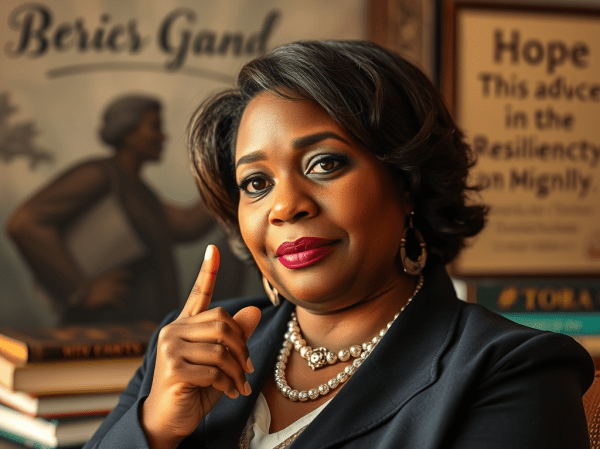
Bernice King is dedicated to the fight. In a recent Facebook post, she shared some very valuable advice as we try to navigate forward in the “45” era:
1. Don’t use his name; EVER (45 will do) 2. Remember this is a regime and he’s not acting alone; 3. Do not argue with those who support him–it doesn’t work; 4. Focus on his policies, not his orange-ness and mental state; 5. Keep your message positive; they want the country to be angry and fearful because this is the soil from which their darkest policies will grow; 6. No more helpless/hopeless talk; 7. Support artists and the arts; 8. Be careful not to spread fake news. Check it; 9. Take care of yourselves; and 10. Resist!
Young adults face financial instability, disillusionment, and mental health struggles as the traditional American Dream feels out of reach, requiring new definitions of success.
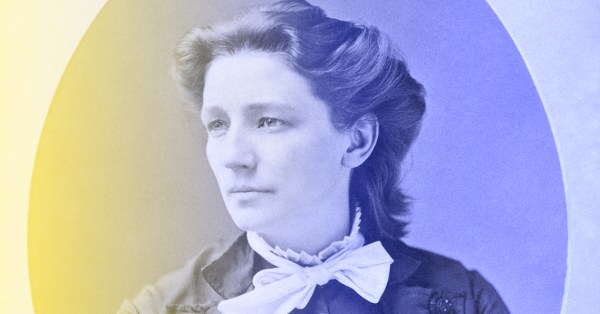
In 1872, half a century before American women could vote, Victoria Woodhull (September 23, 1838–June 9, 1927) ran for President, with Frederick Douglass as her running mate.
Papers declared her candidacy “a brazen imposture, to be extinguished by laughter rather than by law.”
People — working-class people, people of color, people relegated to the margins of their time and place — clamored to hear her speak, rose up in standing ovation by the thousands, cried and cheered.
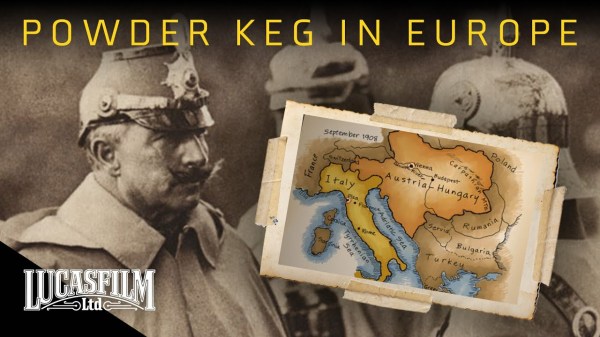
The assassination of Archduke Franz Ferdinand[a] was one of the key events that led to World War I. Archduke Franz Ferdinand of Austria, heir presumptive to the Austro-Hungarian throne, and his wife, Sophie, Duchess of Hohenberg, were assassinated on 28 June 1914 by Bosnian Serb student Gavrilo Princip. They were shot at close range while being driven through Sarajevo, the provincial capital of Bosnia and Herzegovina, formally annexed by Austria-Hungary in 1908. Princip was part of a group of six Bosnian assassins together with Muhamed Mehmedbašić, Vaso Čubrilović, Nedeljko Čabrinović, Cvjetko Popović and Trifko Grabež coordinated by Danilo Ilić; all but one were Bosnian Serbs and members of a student revolutionary group that later became known as Young Bosnia. The political objective of the assassination was to free Bosnia and Herzegovina of Austria-Hungarian rule and establish a common South Slav (“Yugoslav”) state. The assassination precipitated the July Crisis which led to Austria-Hungary declaring war on Serbia and the start of World War I. The assassination team was helped by the Black Hand, a Serbian secret nationalist group; support came from Dragutin Dimitrijević, chief of the military intelligence section of the Serbian general staff, as well as from Major Vojislav Tankosić and Rade Malobabić, a Serbian intelligence agent. Tankosić provided bombs and pistols to the assassins and trained them in their use. The assassins were given access to the same clandestine network of safe-houses and agents that Malobabić used for the infiltration of weapons and operatives into Austria-Hungary.” Source: Assassination of Archduke Franz Ferdinand – Wikipedia
If you find this interesting, you might like this book…
Captain Herbert Sobel, portrayed by David Schwimmer, is the commanding officer of Easy Company in “Band of Brothers” and is depicted as a petty tyrant. The paratroopers in the series, including Dick Winters (Damian Lewis), develop a deep hatred of Captain Sobel, but is the series’ portrayal of Sobel during WWII historically accurate? We explain why HBO’s “Band of Brothers” presents a one-sided and exaggerated view of the real Herbert Sobel. We reveal what some of the Easy Company veterans had to say about his depiction in both the Stephen Ambrose book and the HBO miniseries, which deviate somewhat from the true story. We also explain what happened to Herbert Sobel after WWII, including the tragic ending to his life. #bandofbrothers#herbertsobel#ww2#dickwinters#easycompany#wwii
Those who are interested in the fair would do well to research the great planner of the fair, Daniel Burnham. Not only did he successfully manage this event which was a huge pivot in Chicago history but he also designed the Mall in Washington from Congress to the Lincoln Memorial and everything in between…
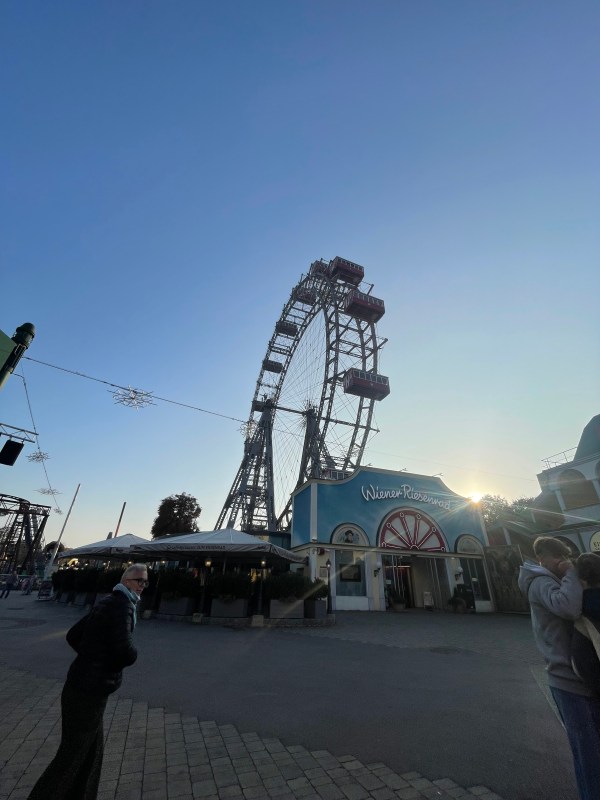
Vienna, the capital of Austria, is a city that beautifully marries history and modernity. Among its many attractions, the Giant Ferris Wheel, or “Wiener Riesenrad,” stands out as an iconic symbol of the city. This magnificent wheel not only offers breathtaking views of the Vienna skyline but also carries with it a rich history that dates back to the 19th century.
A Historical Marvel
The Wiener Riesenrad was constructed in 1897 to celebrate the Golden Jubilee of Emperor Franz Josef I. Designed by the engineer Walter B. Bassett, the Ferris wheel was initially a part of the 1898 Vienna World’s Fair, where it quickly became a popular attraction. At the time of its completion, it was the tallest Ferris wheel in the world, standing at an impressive 65 meters (approximately 213 feet). Its prominence attracted tourists and locals alike, making it a significant part of Vienna’s cultural landscape.
As you step into one of the 15 wooden cabins, you not only experience the thrill of the ride but also embark on a journey through time. Each cabin can hold up to 15 people, and a full rotation lasts about 20 minutes, giving riders ample time to soak in the stunning views of the Wiener Prater park and the city beyond.
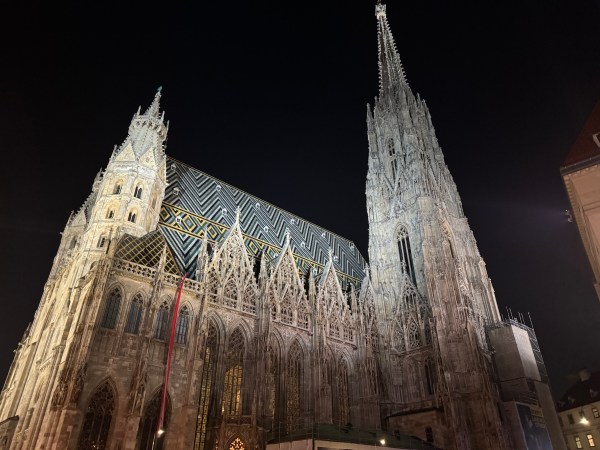
Vienna, the capital of Austria, is a city rich in history and culture, and one of its most iconic landmarks is the St. Stephen’s Cathedral, known locally as Stefansdom. This stunning Gothic structure is not only a symbol of the city but also a remarkable piece of architecture that tells the story of Vienna’s past.
A Historical Overview
St. Stephen’s Cathedral stands tall in the heart of Vienna, with its origins dating back to the 12th century. The cathedral has seen numerous transformations over the centuries, evolving from a Romanesque church to the magnificent Gothic edifice we admire today. The most significant changes occurred in the 15th century when the cathedral was remodeled to feature intricate stone carvings and expansive stained glass windows.
Throughout its history, Stefansdom has witnessed various crucial events, including royal weddings, funerals, and even battles. It survived near destruction during World War II, and restoration efforts have ensured that it continues to stand as a testament to Vienna’s resilience.
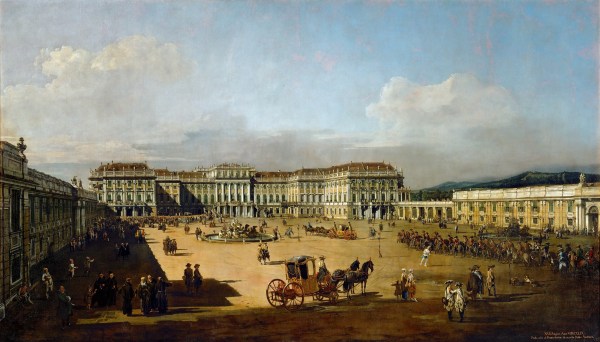
Nestled in the outskirts of Vienna, Schönbrunn Palace stands as a testament to the opulence of Austria’s imperial past. Originally built as a hunting lodge in the 16th century, this magnificent structure has since evolved into one of the most significant cultural monuments in Austria and a UNESCO World Heritage site.
A Brief History
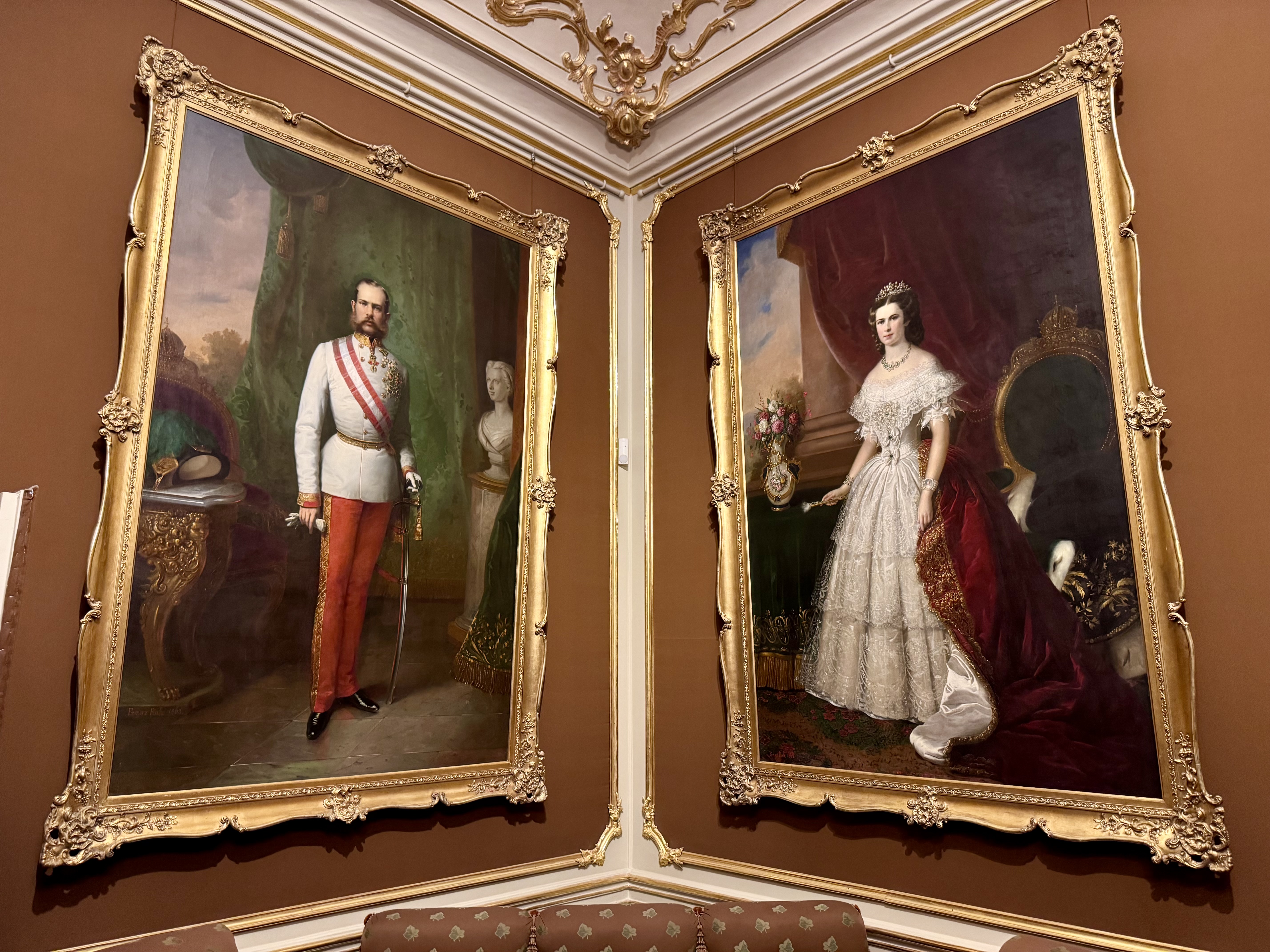
Construction of Schönbrunn began in 1696 under Emperor Leopold I. Over the years, it became a favorite summer residence for the Habsburgs, showcasing their wealth and power. The palace witnessed numerous historic events, including the signing of treaties and royal weddings. Its rich history is intertwined with the life of Empress Maria Theresa, who made significant renovations and expansions during her reign in the 18th century. It was also the summer home of Emperor Franz Josef and Empress Elisabeth or ‘Sisi’ as she was known.
Architectural Splendor
Schönbrunn Palace features a stunning blend of Baroque architecture and extensive gardens, reflecting the grandeur of the Habsburg dynasty. The palace boasts over 1,400 rooms, each decorated with exquisite artwork, ornate ceilings, and luxurious furnishings. Highlights include the Great Gallery, the Hall of Mirrors, and the Chinese cabinet, each telling a story of imperial elegance.
Since you won’t find Hitler plaques and signs in Vienna here is your covert guide to learning about the Nazi Fuhrer when in Wien.
“In 1908, Adolf Hitler shared a small room in a flat in Stumpergasse 31 in Mariahilf (sixth district) with his childhood friend August Kubizek. After Hitler had used up his family inheritance he was forced to leave the flat and became temporarily homeless. Every now and then he would use the homeless shelter in the 12th district of Meidling before renting an inexpensive room in a large B&B for males (Männerheim).
While you can’t access the flat it’s worth visiting the area to get an idea of the place Hitler once called home. On a pragmatic note, combine it with a visit to the Imperial Furniture Collection (aka Hapsburgs Museum of Furniture), at 20-25 min walking distance.” Source: Hitler in Vienna: Uncovering The Führer And Nazi Vienna
The Battles of Saratoga were pivotal in the American Revolutionary War for several reasons:
Turning Point of the War: These battles marked a significant turning point in the war, as they were the first major victories for the Continental Army against the British.
Foreign Support: The American victory at Saratoga convinced France to openly support the American cause, providing crucial military and financial aid. This French alliance was a game-changer for the Patriots, giving them the resources and legitimacy they needed to continue fighting.
Boost to Morale: The victories at Saratoga boosted the morale of the American troops and civilians, who had been struggling against the powerful British forces. It demonstrated that the Continental Army was capable of defeating the British and inspired hope for independence.
Diplomatic Significance: The American victory also had significant diplomatic implications. It showed other European nations that the American Revolution was a viable cause, encouraging them to consider supporting the Patriots.
In essence, the Battles of Saratoga were a crucial turning point in the American Revolutionary War, leading to French support, a boost in morale, and increased international recognition of the American cause.
If you’d like to know more, I suggest this book or you can watch the series on AppleTV+:
Did you know that there were German POWs all over the United States during WWII? It’s true — there was even a famous German literary movement called Die Gruppe 47 that started in the camps. I regret you have to click the link and go to YouTube to listen…
During World War II, approximately 425,000 German prisoners of war (POWs) were held in the United States. These POWs were housed in various camps across the country, often in rural areas. Conditions in the camps were generally humane, with POWs receiving food, shelter, and work opportunities. Many participated in agricultural labor, helping to alleviate labor shortages on American farms.
While in captivity, some German POWs engaged in cultural activities, leading to movements like Die Gruppe 47, which fostered literary and artistic expression among inmates. The presence of these POWs highlighted the complexities of wartime experiences, as they formed a unique part of American history, bridging cultural exchanges between captors and captives. Their stories reflect themes of resilience, adaptation, and the human spirit during tumultuous times.
You must be logged in to post a comment.