Death by Lightning

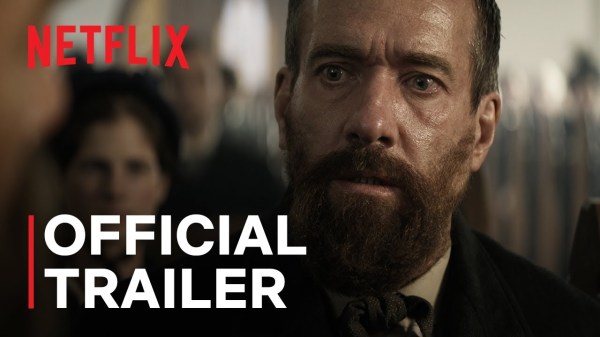
Death by Lightning is a gripping crime drama that intricately weaves together elements of suspense and emotional depth. The film follows the harrowing journey of its protagonist as they navigate a series of unexpected challenges and moral dilemmas. The cinematography is striking, capturing the raw beauty of the wilderness juxtaposed with the dark undertones of the story.

The performances are commendable, with the lead actor delivering a poignant portrayal of desperation and resilience. The screenplay effectively combines tension and introspection, keeping viewers on the edge of their seats while also provoking thoughtful reflection on themes of survival and justice.

Overall, Death by Lightning successfully blends thriller and character study, resulting in a thought-provoking cinematic experience that resonates long after the credits roll.

Additional perspectives…

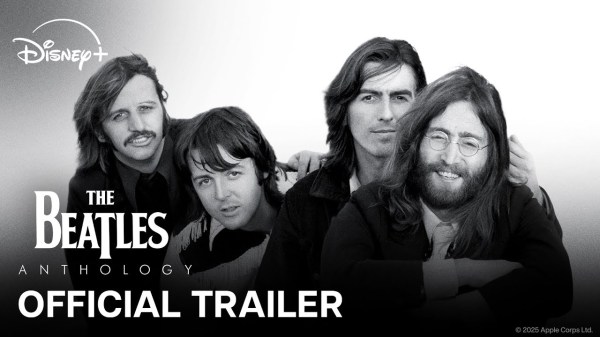
The Beatles Anthology

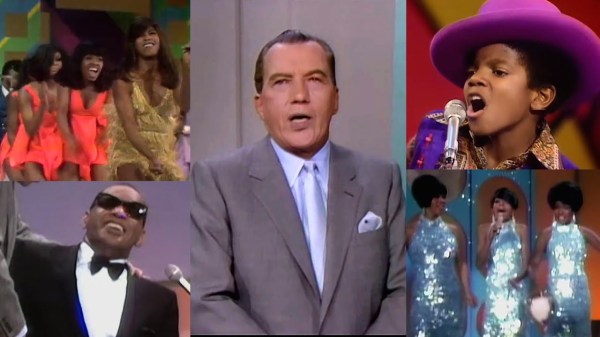
I was born in 1958. The first band I remember seeing was The Beatles on The Ed Sullivan Show. They have been the soundtrack for my entire life and now their story is being told by them in the way it deserves to be told…

Continue reading “The Beatles Anthology”

TV viewers become outraged as football game is cut off to air “Heidi” #today #history

“On November 17, 1968, the Oakland Raiders score two touchdowns in nine seconds to beat the New York Jets—and no one sees it, because they’re watching the movie Heidi instead. With just 65 seconds left to play, NBC switched off the game in favor of its previously scheduled programming, a made-for-TV version of the children’s story about a young girl and her grandfather in the Alps. Viewers were outraged, and they complained so vociferously that network execs learned a lesson they’ll never forget: “Whatever you do,” one said, “you better not leave an NFL football game.”

Continue reading “TV viewers become outraged as football game is cut off to air “Heidi” #today #history”

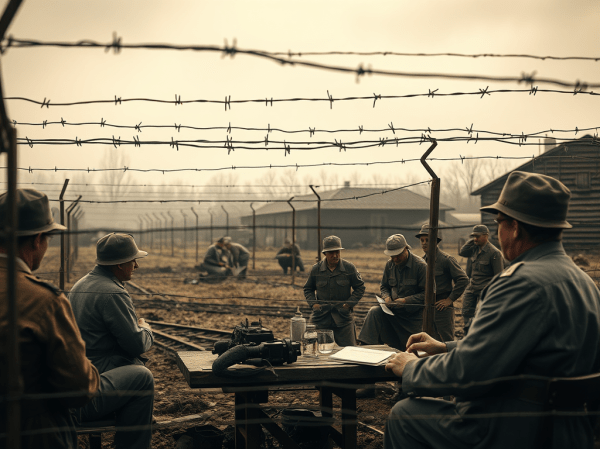
Did you know that in WWII, there were German POWs right down the road in the United States?

When I was in college, I was shocked to learn there were actually German POWs in the United States. This video (which you must watch on YouTube) goes into great detail on the topic.

A brief summary…

During World War II, the United States held over 425,000 German prisoners of war (POWs) in various camps across the country. Following the capture of German soldiers, they were transported to the U.S. as part of an agreement with the Allies. The conditions in these camps varied; some were well-kept, with prisoners allowed to work on local farms or in factories, while others were stricter. Many German POWs formed friendships with their American captors, and some even chose to remain in the U.S. after the war ended. The legacy of these POWs includes a complex interplay of wartime policies, cultural exchange, and post-war integration.

Continue reading “Did you know that in WWII, there were German POWs right down the road in the United States?”

Geronimo surrenders

It’s a sad day in American history…

On September 4, 1886, Apache leader Geronimo surrenders to U.S. government troops. For 30 years, the Native American warrior had battled to protect his tribe’s homeland; however, by 1886 the Apaches were exhausted and outnumbered. General Nelson Miles accepted Geronimo’s surrender, making him the last Native American warrior to formally give in to U.S. forces and signaling the end of the Indian Wars in the Southwest.

Geronimo was born in 1829 and grew up in what is present-day Arizona and Mexico. His tribe, the Chiricahua Apaches, clashed with non-Native settlers trying to take their land. In 1858, Geronimo’s family was murdered by Mexicans. Seeking revenge, he later led raids against Mexican and American settlers. In 1874, the U.S. government moved Geronimo and his people from their land to a reservation in east-central Arizona. Conditions on the reservation were restrictive and harsh and Geronimo and some of his followers escaped.

Go to the source article: Geronimo surrenders | September 4, 1886 | HISTORY

Meet the Real Frank Abagnale

Frank Abagnale’s story was told in the movie Catch Me if You Can starring Leonardo di Caprio…

…here’s the ‘real thing’ on the Johnny Carson Show!

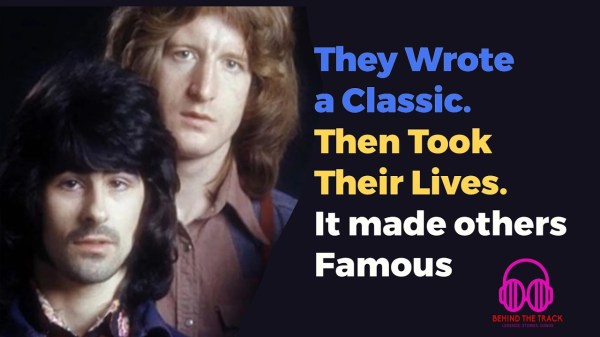
How One Song Made Stars But Left Its Creators Forgotten

A Brief History of Badfinger

Badfinger was a British rock band formed in 1961, originally under the name The Iveys. They gained prominence in the late 1960s and early 1970s, becoming one of the first artists to sign with the Beatles’ Apple Records. The band’s lineup consisted of Pete Ham, Tom Evans, Mike Gibbins, and Joey Molland.

Their breakthrough came with the release of the song “Come and Get It,” written by Paul McCartney, which topped the charts in 1970. Badfinger’s sound, characterized by catchy melodies and harmonies, resonated with audiences, leading to hits like “No Matter What” and “Day After Day.”

Despite their initial success, the band faced significant challenges, including managerial issues and financial struggles. Their second album, “Straight Up,” produced by Todd Rundgren, received critical acclaim but did not achieve the commercial success expected.

Tragedy struck when Pete Ham took his own life in 1975, followed by Tom Evans in 1983, casting a shadow over the band’s legacy. Despite these challenges, Badfinger’s music has remained influential, recognized for its contributions to power pop and rock. Today, their songs continue to be celebrated and enjoyed by fans old and new.

Hoosiers

When you move to Indiana, it’s obligatory that you watch this classic movie featuring Gene Hackman as coach Norman Dale who lead his ‘David’ Milan basketball team against ‘Goliath’ South Bend Central to win the state championship back in the fifties…

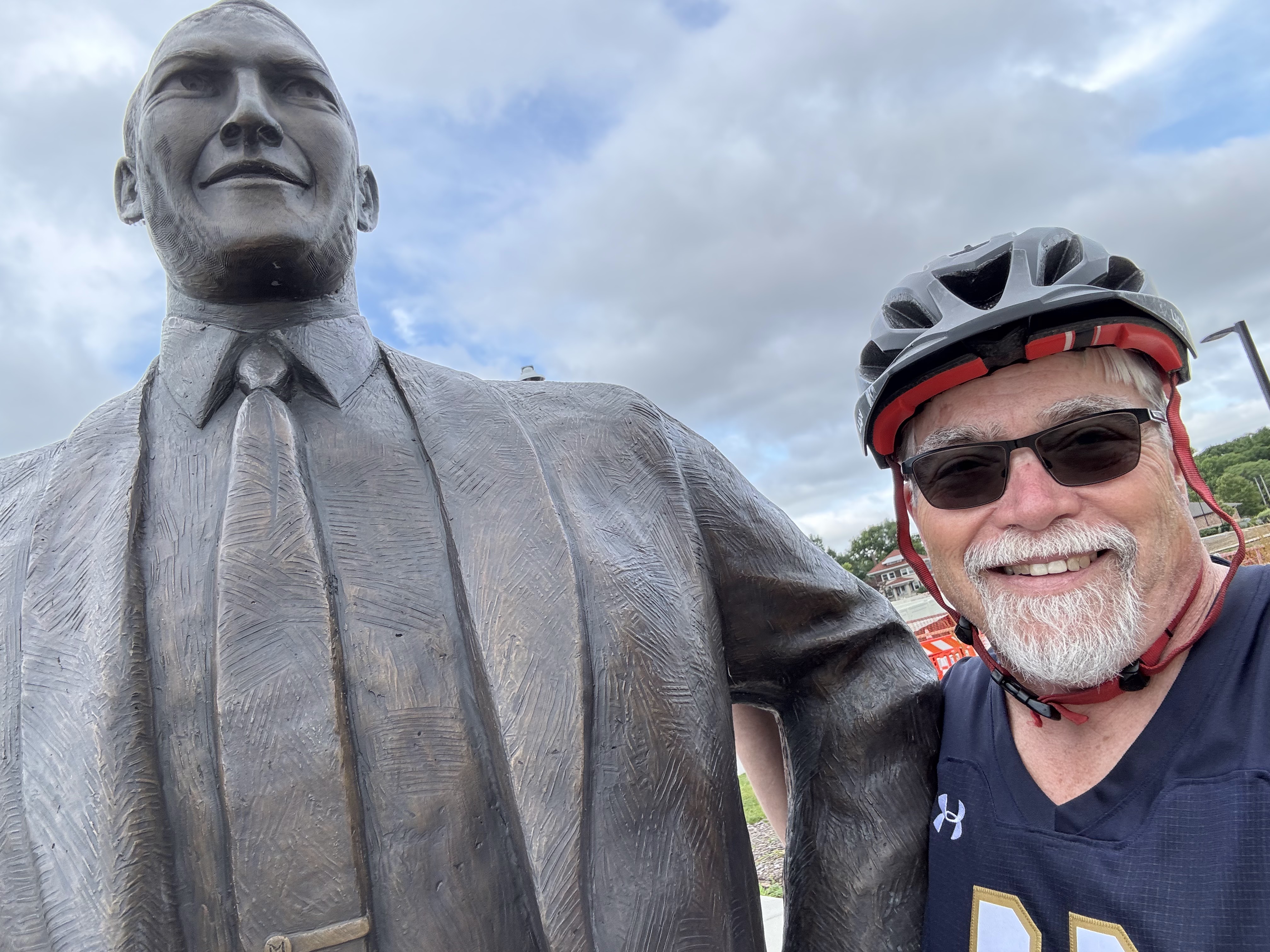
…meanwhile over in Elkhart there’s a lovely monument to Coach Dale immortalizing the moment when he had his players measure the net in the fieldhouse where the state championship game took place to prove to his players that even though the arena was bigger, the court was the same size!

Click to enlarge…

Lies My Teacher Told Me

Book Review: Lies My Teacher Told Me by James W. Loewen

“Lies My Teacher Told Me” is an eye-opening exploration of American history that challenges the conventional narratives presented in textbooks. James W. Loewen masterfully exposes the gaps and inaccuracies in what is often taught in schools, encouraging readers to think critically about the information they receive. His engaging writing style makes complex topics accessible, while his passionate advocacy for a more truthful and inclusive historical account is inspiring. This book is a must-read for anyone interested in understanding the real story behind America’s past. It not only enlightens but also prompts discussions that are vital for a well-rounded education. Highly recommended!

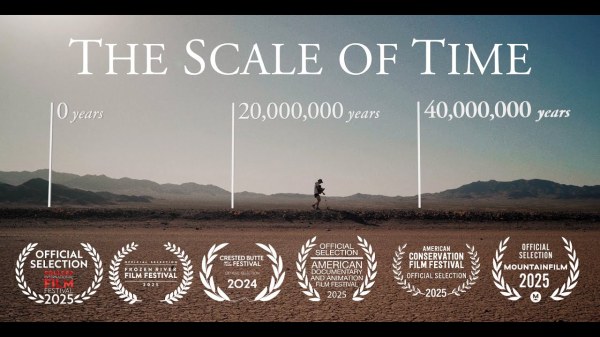
To Scale: TIME

On a dry lakebed in the Mojave, a group of friends build a practical scale model of time: 13.8 billion years of cosmic evolution, and our place within it. Best viewed at 4k playback on the largest screen available, with good sound or headphones. A complete chart of model scales & distances: https://www.toscaleseries.com/time


Bonus…

Trump, Hitler, and the End of the American Empire?

For your consideration: “Richard Wolff is Professor Emeritus of Economics at the University of Massachusetts Amherst and a visiting professor at The New School, where he works on economics in the Marxist tradition. This is Richard’s eighth appearance on Robinson’s Podcast. In his last appearance, episode #243, he and Robinson discussed 2025 and the first weeks of Trump’s presidency, as well as what’s to come. More particularly, they discuss the irrelevance of Donald Trump, his domestic and global policies, China, narratives on the right and left, and the future of the United States. In this episode, they continue the discussion by diving deeper into recent events, Doge, Elon Musk, the relationship between Trump and Hitler, and important historical Marxists. Richard’s latest book is Understanding Capitalism (Democracy at Work, 2024).”

Easter Rising begins, April 24, 1916

On Easter Monday in Dublin, the Irish Republican Brotherhood, a secret organization of Irish nationalists led by Patrick Pearse, launches the Easter Rebellion, an armed uprising against British rule.

Source: Easter Rising begins | April 24, 1916 | HISTORY

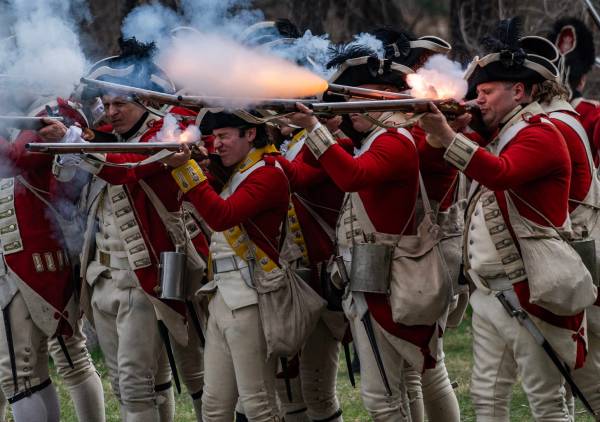
Lexington and Concord at 250: Can We Still Hear the ‘Shot Heard Round the World’?

Big Revolutionary War anniversaries lie ahead—and bring reminders of our messy, surprising history…

April 19, 2025, marked the 250th anniversary of the American Revolutionary War’s inception, highlighting significant historical reflections and events tied to this milestone. The article delves into the implications of such anniversaries, suggesting they serve as a reminder of the complex and often surprising nature of history. Additionally, it questions whether the essence of the conflict, encapsulated in the phrase “the shot heard round the world,” still resonates in today’s society. Through this lens, the article encourages contemplation on the ongoing relevance of the Revolutionary War and its legacy in contemporary America.

Source: Lexington and Concord at 250: Can We Still Hear the ‘Shot Heard Round the World’?

You’re in a War (and You Don’t Even Know It)

Hitler and the Habsburgs: The Führer’s Vendetta Against the Austrian Royals

I love history and this book is the best history book I have read in the past year or more. I wonder what would have happened if Hitler had been accepted by the Vienna Academy of Fine Arts and become an artist instead of an ‘arsonist’…

Paul Revere’s Ride

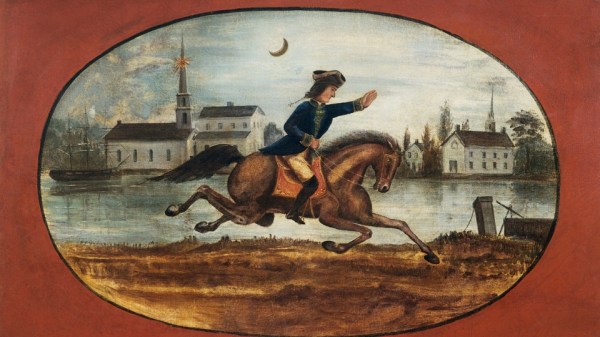
“Paul Revere’s Ride” is a narrative poem written by American poet Henry Wadsworth Longfellow, first published in 1861 in the Atlantic Monthly. The poem is inspired by the historical events surrounding the American Revolution and specifically recounts the midnight ride of Paul Revere on April 18, 1775, as he warned the American colonists of the approaching British forces.

Longfellow aimed to create a patriotic piece that would evoke a sense of national pride and unity during a time of crisis in America, as the country was on the brink of the Civil War. The poem romanticizes Revere’s ride and portrays him as a heroic figure in the fight for independence. Longfellow’s use of rhythmic structure and vivid imagery helped popularize the story of Paul Revere, making it a staple of American folklore.

Though artistic liberties were taken in the narrative, the poem’s legacy endured, and it remains one of Longfellow’s most celebrated works. It has continued to influence American literature and culture, serving as a symbol of the spirit of resistance and the quest for freedom. And so it begins…

Listen, my children, and you shall hear
Of the midnight ride of Paul Revere,
On the eighteenth of April, in Seventy-Five:
Hardly a man is now alive
Who remembers that famous day and year…

Source: Paul Revere’s Ride, by Henry Wadsworth Longfellow – The Atlantic

The Roman Way to Trash a Republic

When you’re the emperor Augustus, they let you do it…

In “The Roman Way to Trash a Republic,” the author discusses how Augustus, the first Roman emperor, adeptly dismantled the Roman Republic, showcasing the shift from a system of shared power to one dominated by autocratic rule. The piece examines the tactics and strategies employed by Augustus to consolidate power and ultimately reshape governance in Rome.

Those who cannot remember the past are condemned to repeat it.

George Santayana

For those interested in understanding the dynamics of political change and the historical implications of Augustus’s reign, I encourage you to read the full article here. It’s a compelling exploration of how leadership can transform a polity.

Source: The Roman Way to Trash a Republic

original.jpg

Good bye, Val Kilmer

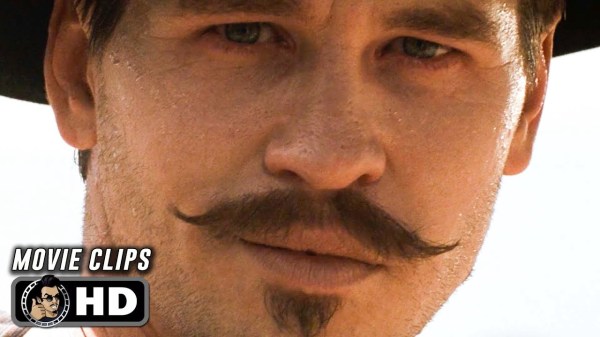
Val Kilmer, a remarkable actor whose talent transcended the screen, left an indelible mark on Hollywood and in the hearts of fans worldwide. With his captivating performances in iconic films such as Top Gun, The Doors, and Tombstone, he brought to life complex characters with charisma and depth.

Beyond his roles, Kilmer was known for his dedication to his craft and his unique approach to embodying every character. His portrayal of Jim Morrison showcased not only his acting prowess but also his ability to connect with audiences on a profound level.

Val’s journey has been as inspiring as his performances. He faced personal challenges with courage and resilience, reminding us all of the power of determination and strength in the face of adversity.

As we celebrate Val Kilmer’s legacy, we honor a true artist whose contributions to film and theater will forever resonate. His spirit and artistry will continue to inspire generations to come. Thank you, Val, for sharing your remarkable gift with the world.

Volodymyr Zelenskyy: The 2025 60 Minutes Interview

9 children killed by a Russian missile. How long will this continue?

Bonus…

It Ain’t Me Babe

Can’t say I really like Bob Dylan (or Timothy Chalomet for that matter) but I really liked A Complete Unknown, the newish Bob Dylan biopic…


You’re kind of an asshole, Bob” says the Joan Baez character in the movie and I don’t think she’s wrong. Still, as a musical period piece for someone interested in the sixties, it’s worth the cost of watching which is free on Hulu at the moment…


Photographing the Final Days of World War II in Germany

Archival images from the last weeks of World War II, taken by an American Army combat photographer during a push across eastern France into southern Germany.

Source: Photographing the Final Days of World War II in Germany

Start a Blog at WordPress.com.

Up ↑