Are You in a Situationship With Your Life?

Remaining stuck in your relationship, job, or life can feel complicated, but you start living fully again.

“Are you living the life you want or the life you have learned to tolerate? Read this again. Tolerating life is not the same as living it. And joy does not come from fixing everything. It comes from aligning with yourself. When that happens, life may still challenge you, but it will no longer feel heavy. Because you are no longer carrying a lie.”

The article “Are You in a Situationship With Your Life?” explores the feelings of stagnation individuals may experience in their relationships, jobs, or lives in general. It compares this feeling to being in a “situationship,” where a lack of commitment leads to confusion and dissatisfaction. The author emphasizes that, while feeling stuck can be complex, taking proactive steps toward personal fulfillment is essential for moving forward and truly living. The article encourages readers to recognize their circumstances and make changes that foster a more meaningful and engaged existence.

Go to the source and read the whole article: Are You in a Situationship With Your Life?

Why Do I Have No Energy? The Science-Backed Energy Management Framework for Overwhelmed High-Achievers

Discover why you have no energy and learn the science-backed COM-B framework for energy management. Practical strategies for high-achievers to reclaim vitality.

The article “Why Do I Have No Energy? The Science-Backed Energy Management Framework for Overwhelmed High-Achievers” explores the reasons behind low energy levels and introduces the COM-B framework, which stands for Capability, Opportunity, and Motivation-Behavior. It provides practical strategies aimed at high-achievers to help them reclaim their vitality and manage their energy more effectively. By understanding the science behind energy management, readers can implement actionable steps to enhance their overall well-being and productivity.

Source: Why Do I Have No Energy? The Science-Backed Energy Management Framework for Overwhelmed High-Achievers – LifeHack

The List of ACEs Should Be Longer

Adverse experiences don’t only happen at home. What about the things children face on the other side of the front door?

The article “The List of ACEs Should Be Longer” discusses the various adversities children can face outside of their homes, highlighting that adverse childhood experiences (ACEs) extend beyond domestic environments. It emphasizes the importance of recognizing and addressing these external factors that contribute to a child’s development and overall well-being. The author advocates for a more comprehensive understanding and acknowledgment of ACEs to improve support systems for children.

Go to the source to read the entire article: The List of ACEs Should Be Longer

Background: What is an ACE?

Adverse Childhood Experiences (ACEs) refer to a range of stressful or traumatic events that occur during childhood and can have significant long-term effects on an individual’s health and well-being. These experiences may include physical, emotional, or sexual abuse, neglect, and household dysfunction such as domestic violence, substance abuse, mental illness, or incarceration of a family member. Research has shown that the presence of ACEs increases the risk of developing a variety of health problems and maladaptive behaviors in adulthood, highlighting the importance of understanding and addressing these early adversities to promote healthier outcomes for children as they grow.

About Checklists

At first glance, a checklist seems mundane—a simple grocery list or a set of chores. However, in the worlds of high-stakes performance (aviation, surgery, engineering) and personal productivity, the checklist is considered a “cognitive safety net.”

It is arguably the cheapest, most effective tool available to combat the limitations of the human brain. Here is a breakdown of why creating checklists is so valuable.

Continue reading “About Checklists”

How to Improve Your Preparation by Thinking Like a Pilot

Systems to help you be more diligent but worry less.

In the article “How to Improve Your Preparation by Thinking Like a Pilot,” the author emphasizes the importance of meticulous preparation and disciplined practices to enhance performance. Drawing parallels between aviation and other fields, the piece highlights how pilots utilize systematic approaches to manage risk, improve decision-making, and reduce stress. By adopting similar strategies, individuals can cultivate diligence while alleviating unnecessary worry, leading to more effective outcomes in various aspects of life. The article advocates for structured planning, checklist usage, and reflective practices to optimize readiness and tackle challenges with confidence.

Go to the source and read the whole article: How to Improve Your Preparation by Thinking Like a Pilot

Editors note: There’s another important aspect of being a pilot that I think the author may have overlooked and that is the value of using a checklist. I have a friend who’s a private pilot and has been flying for over 60 years. He uses a checklist every time he takes off…

Driving in Ireland

In preparation for our trip to Ireland, I watch quite a few videos like this…

By the way, I highly recommend Laura Grace as a tour guide and I found her information quite valuable although there were a few times that we were forced to ignore it like “don’t drive in Dublin” and avoid local roads with grass in the middle. We did our best until Apple Maps sent us down this beauty to avoid a traffic accident along our route…

The Future of AI: How Photonic Computing Could Transform Data Processing 

As artificial intelligence (AI) workloads grow exponentially, the energy demands of traditional electronic computing are becoming a major challenge. Enter photonic computing—a technology that uses light instead of electricity to process information. This innovation promises to revolutionize how we power and scale AI systems…

Continue reading “The Future of AI: How Photonic Computing Could Transform Data Processing “

55 thoughts on turning 55

Kevin Dahlstrom tweets…

The ‘Quiet Man’ Bridge

A week ago, we were in Galway and we stopped at the ‘Quiet Man’ bridge. Quiet Man bridge you say? What’s that?

…and here we are at the very bridge!

From ChatGPT to Custom Itineraries: The Future of AI-Powered Travel Planning

“The article “From ChatGPT to Custom Itineraries: The Future of AI-Powered Travel Planning” explores how artificial intelligence, particularly tools like ChatGPT, is revolutionizing the way people plan their travels. It discusses the benefits of personalized itineraries generated by AI, which can adapt to individual preferences and needs, enhancing the overall travel experience. The integration of AI in travel planning not only saves time but also provides unique insights and recommendations, making it easier for travelers to discover new destinations and activities tailored just for them.”

Continue reading “From ChatGPT to Custom Itineraries: The Future of AI-Powered Travel Planning”

Why AI and Human Thought Need to Stay Separate

When AI and human thought stay apart, they finally start to think together.

The article “Why AI and Human Thought Need to Stay Separate” discusses the distinct differences between artificial intelligence and human cognition. It argues that while AI can analyze data and perform tasks efficiently, it lacks the emotional intelligence and contextual understanding that characterize human thought. The author emphasizes the importance of maintaining a clear separation between AI and human decision-making to preserve creativity, empathy, and ethical considerations. Ultimately, the piece advocates for a collaborative approach where both human intellect and AI capabilities complement each other without merging, ensuring a balanced coexistence that harnesses the strengths of both.

Go to the source article: Why AI and Human Thought Need to Stay Separate

Anthropic co-founder warns that you should be afraid of AI — here’s why

The call is coming from inside the house…

The article discusses concerns raised by an Anthropic co-founder regarding the potential dangers of artificial intelligence. The co-founder emphasizes that AI systems might produce unpredictable and harmful outcomes, urging for greater caution and regulation in AI development. The message highlights the risks associated with advanced AI technologies and the need for responsible management to avert possible negative consequences.

Go to the source article: Anthropic co-founder warns that you should be afraid of AI — here’s why

Open letter on artificial intelligence

In January 2015, Stephen Hawking, Elon Musk, and dozens of artificial intelligence experts signed an open letter on artificial intelligence calling for research on the societal impacts of AI. The letter affirmed that society can reap great potential benefits from artificial intelligence, but called for concrete research on how to prevent certain potential “pitfalls”: artificial intelligence has the potential to eradicate disease and poverty, but researchers must not create something which is unsafe or uncontrollable. The four-paragraph letter, titled “Research Priorities for Robust and Beneficial Artificial Intelligence: An Open Letter”, lays out detailed research priorities in an accompanying twelve-page document.” You can read more about the open letter here: Open letter on artificial intelligence – Wikipedia

It has been 10 years since this open letter. Do you see it has had an impact?

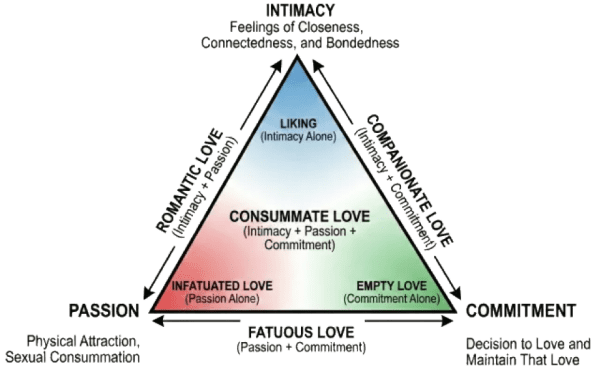
Love vs Happiness: What Do We Really Want?

Love or happiness—which do we really want? Dive into the debate and learn how to chase both for a life that truly fulfills you.

The article “Love vs Happiness: What Do We Really Want?” explores the intricate relationship between love and happiness, presenting them as vital components of a fulfilling life. It discusses how many people prioritize one over the other, leading to the question of which truly brings more satisfaction. The article highlights various perspectives and research findings, encouraging readers to examine their personal definitions of love and happiness. Ultimately, it suggests that striving for a balance between both elements is essential for overall well-being and fulfillment.

Go to the source article: Love vs Happiness: What Do We Really Want?

What’s the Point of a High-School Reunion?

“Social media should have killed them. Instead, they’re popular again.” Just when it was time for my fiftieth…

Go to the source to read the entire article: What’s the Point of a High-School Reunion?

What Happens When We Die?

A once-in-a-lifetime brain scan answers one of humanity’s most elusive questions.

The article titled “What Happens When We Die?” published in Psychology Today explores the profound questions surrounding death and the human experience. It discusses a groundbreaking brain scan that provides insights into the brain’s activity during moments of near-death. This research aims to unravel the mysteries associated with consciousness and the process of dying, shedding light on what might occur during these critical moments. Through a blend of scientific exploration and philosophical inquiry, the article engages with humanity’s long-standing curiosity about the nature of existence beyond life.

Go to the source to read the entire article: What Happens When We Die?

Existential Void: Why Drinking Is Not the Answer to Boredom

The hidden link between alcohol use and a crisis of meaning.

The article “Existential Void: Why Drinking Is Not the Answer to Boredom” explores the connection between alcohol use and a deeper crisis of meaning in life. It argues that individuals often turn to drinking as a coping mechanism for feelings of boredom and existential emptiness. The author highlights that, while alcohol may provide temporary relief, it ultimately fails to address the underlying issues of discontent and lack of purpose. Instead of seeking solace in alcohol, the article suggests finding healthier alternatives and engaging in activities that cultivate a sense of meaning and fulfillment.

Go to the source article: Existential Void: Why Drinking Is Not the Answer to Boredom

Same Asshole

Heard this song? I can’t stop listening to it…

Forgive me, I’ve been drinking
Backroad and then thinking
Remember when the band played on while the ship sinking
No matter what I do, there’s no escaping my past
I do everything I can and it keeps chasing my ass

Continue reading “Same Asshole”

Is WordPress Still the Best Blogging Platform for Thought Leadership?

In the ever-evolving world of digital marketing and content creation, the question of which platform reigns supreme for bloggers and thought leaders often arises. With numerous tools and platforms available, one name consistently stands out: WordPress. But is it still the best choice for those looking to establish themselves as thought leaders? In this post, we will explore the reasons why WordPress continues to be a leading blogging platform, as well as some considerations to keep in mind.

Continue reading “Is WordPress Still the Best Blogging Platform for Thought Leadership?”

Paying Attention in The Attention Economy

The article “Paying Attention: The Attention Economy” explores the concept of the attention economy, where human attention is viewed as a scarce commodity. It discusses how digital platforms and social media vie for users’ attention, often leading to distractions and reduced productivity. The piece highlights the implications of this economy on individual behavior, mental health, and societal structures, emphasizing the need for awareness and strategies to manage attention effectively in a world filled with constant information overload. Furthermore, it considers potential solutions and the importance of fostering environments that prioritize meaningful engagement over mindless consumption.

Go to the source to read the entire article: Paying Attention: The Attention Economy

Finding Meaning in a Meaningless World

Feeling disconnected, lost, or stuck in a world that seems void of meaning? From inner emptiness to purposeful living using insights from Acceptance and Commitment Therapy (ACT).

In the article “Finding Meaning in a Meaningless World,” the author explores the feelings of disconnection and emptiness that individuals often experience. These feelings can lead to a sense of being lost or stuck in life. The article emphasizes the principles of Acceptance and Commitment Therapy (ACT) as a means to navigate these challenging emotions and move toward a more purposeful existence. By accepting one’s thoughts and feelings instead of avoiding them, individuals can take committed actions that align with their values, ultimately fostering a deeper sense of meaning and fulfillment in their lives.

Go to the source to read the entire article: Finding Meaning in a Meaningless World


Start a Blog at WordPress.com.

Up ↑