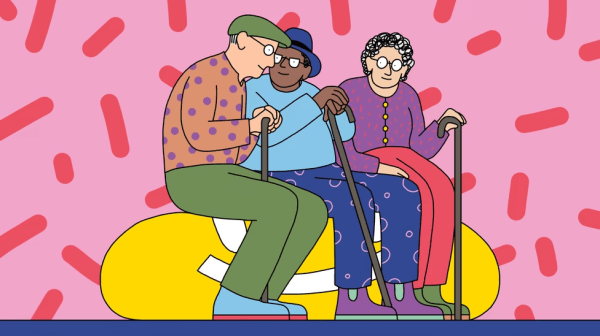
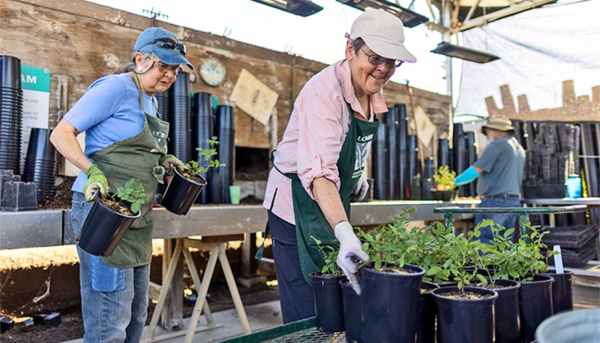
Can Older Leaders Keep Up?

Evidence suggests older workers can surpass their younger counterparts. Source: Can Older Leaders Keep Up?

Memory and Musical Experience

How does music bring back powerful memories? Source: Memory and Musical Experience

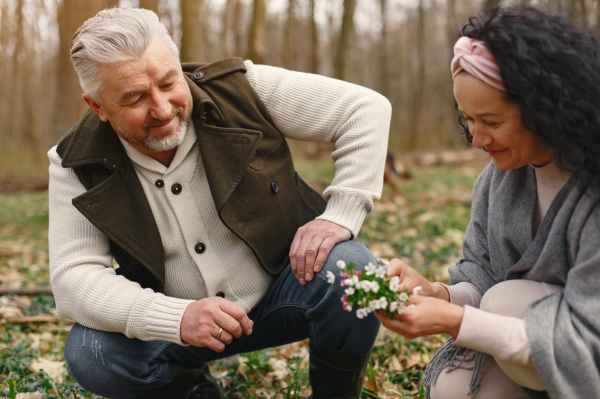
People who maintain a youthful spirit into old age typically engage in these 9 activities

“There’s a vast difference between being merely old and being old with a youthful spirit.

This difference boils down to lifestyle. Some people just let age happen to them, while others remain vibrant and lively, no matter the number of candles on their birthday cake.

Having a youthful spirit in your golden years is about more than just feeling young. It’s about embracing activities that keep you engaged, active, and happy.

Those who master this art follow certain patterns in their life. And those who are wise enough to observe can learn from these patterns and incorporate them into their own lives.

Here are nine activities that people with a youthful spirit often engage in as they age. Let’s dive in so you too can infuse a dash of youth into your life, regardless of your age.” Follow the link for the nine activities: People who maintain a youthful spirit into old age typically engage in these 9 activities

Understanding the Connection Between Sleep and Dementia

Poor sleep habits are known to negatively impact a person’s health. Read Harvard Pilgrim Health Care’s FAQ article regarding sleep & its relation to dementia. Source: Understanding the Connection Between Sleep and Dementia – Harvard Pilgrim Health Care – HaPi Guide


Scent Diffusers Improve Memory in Seniors

Study shows nightly use of scent diffusers improves memory 226 percent. Source: Scent Diffusers Improve Memory in Seniors


How to Live: What the Dying Tell Us

The top regrets of the dying and how we can use them to live better lives. Source: How to Live: What the Dying Tell Us

The Seven Habits That Lead to Happiness in Old Age

Your well-being is like a retirement account: The sooner you invest, the greater your returns will be. Source: The Seven Habits That Lead to Happiness in Old Age

How to Be Happy Growing Older

Arthur C. Brooks writes “Next to one’s birthday, the passing of the calendar year induces us to reflect on the march of time in our life. This is not a welcome subject for many—which is perhaps why a lot of people simply redefine old age virtually out of existence. When Americans were asked in 2009 what “being old” means, the most popular response was turning 85. Yet the average life span in the United States in 2022 was only 76. Apparently, then, the average American dies nine years before getting old.

The impulse to define old age as “older than I am now” is not surprising, given all the ways our culture worships youth—its beauty, vitality, and entrepreneurial energy—and offers us any number of options for spending time and money to stop or slow down the clock of aging. And as if the adulation of youth weren’t enough, the stigmatization of seniors is always at hand, through overt discrimination, ageist stereotyping, and crass “OK Boomer”–style contempt.

Continue reading “How to Be Happy Growing Older”

The age you feel means more than your actual birthdate

Subjective age, the age individuals perceive themselves to be, has a profound impact on their overall well-being. Research indicates that most people feel either younger or older than their actual chronological age, and this perception can significantly influence their physical and mental health. Those who feel younger than their true age tend to exhibit better cognitive function, physical mobility, and overall vitality, while individuals who feel older may experience greater health challenges and cognitive decline. This discrepancy between subjective and chronological age underscores the complex interplay between mind and body, highlighting the importance of addressing not only the biological aspects of aging, but also the subjective experiences that shape individuals’ perceptions of their own age and its implications for their well-being. These insights prompt a deeper exploration of the factors contributing to subjective age and its potential implications for interventions aimed at promoting healthy aging.

“Most people feel younger or older than they really are – and this ‘subjective age’ has a big effect on their physical and mental health.” Source: The age you feel means more than your actual birthdate

Bonus read

THE PUZZLING GAP BETWEEN HOW OLD YOU ARE AND HOW OLD YOU THINK YOU ARE. There are good reasons you always feel 20 percent younger than your actual age.

Meet the volunteers giving their time to battle the loneliness crisis

Helen Gillon’s is often the only other friendly voice far too many Scots suffering from loneliness get to hear for weeks on end. Source: Meet the volunteers giving their time to battle the loneliness crisis

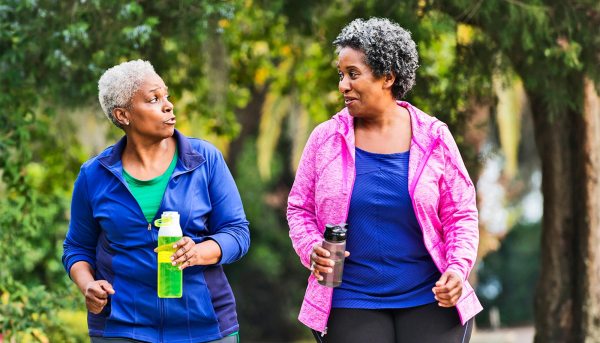
Exercise and socializing keep aging brains healthy

Exercise and socializing in old age have a protective effect on a part of the brain that plays a central role in memory. Source: Exercise and socializing keep aging brains healthy

How a Buddhism Teacher Deals With His Own Pain

A Buddhism professor explains how he copes with his suffering, aging, and death. Source: How a Buddhism Teacher Deals With His Own Pain


The lethality of loneliness

The Christmas advertisement for Charlie’s Bar in Enniskillen, has become an internet sensation, touching the hearts of the thousands who have viewed it. Source: Deirdre Heenan: The lethality of loneliness

10 Ways to Balance Life’s Losses With Its Gains

A new measure shows how life’s gains can equal or outweigh life’s losses. Source: 10 Ways to Balance Life’s Losses With Its Gains


Is Love After Loss Possible?

The “Golden Bachelor” can teach us five things about losing (and finding) love. Source: Is Love After Loss Possible?

Don’t Live in a Blue Zone? Here Are Six Ways to Live Like You Do

Netflix’s ‘Live to 100: Secrets of the Blue Zones’ explores the lifestyles of the centenarians. Source: Don’t Live in a Blue Zone? Here Are Six Ways to Live Like You Do

The Benefits of Remarrying in Your Sixties

Remarrying later in life, specifically in your sixties, can bring about a host of wonderful benefits that may have not been as significant in earlier stages of life. As individuals live longer and healthier lives, the idea of finding love and companionship again in this stage has become increasingly appealing. Let’s explore some of the remarkable advantages that await those who choose to remarry in their sixties.

1. Rediscovering Companionship

After experiencing the journey of life for several decades, remarrying offers the opportunity to rediscover the beauty of companionship. Having a loving partner by your side can bring a deep sense of emotional connection, support, and understanding. Companionship becomes an integral part of daily life, allowing you to share laughter, tears, and everything in between.

2. Building New Memories

Entering into a fresh partnership at this stage of life means an opportunity to build a plethora of new memories and experiences. Traveling, exploring new hobbies or interests together, and partaking in mutual passions can create a vibrant and fulfilling chapter. These shared memories will undoubtedly enrich your lives, providing a sense of fulfillment and joy.

3. Emotional Fulfillment and Stability

At this juncture, emotional fulfillment and stability play a vital role in overall well-being. Remarrying in your sixties can provide the warmth and comfort of a committed relationship, offering a level of emotional security amidst life’s ups and downs. Sharing life’s joys and challenges with a partner can ease any burdens and instill a renewed sense of purpose and contentment.

4. Enhanced Quality of Life

Combining households and lives later in life can greatly enhance the quality of life for both individuals. Sharing day-to-day responsibilities, financial obligations, and household chores can alleviate stress, leaving more time and energy to focus on personal growth, enjoyment, and shared experiences. Whether it’s traveling, pursuing hobbies, or simply spending quality time together, the benefits of a balanced and fulfilling lifestyle are immeasurable.

5. Financial Advantages

With the merging of two lives comes the potential for financial advantages. Combining assets, resources, and retirement plans can provide newfound financial security and flexibility. Sharing expenses can ease the burden on each individual, allowing both partners to enjoy the golden years with peace of mind.

6. Health and Well-being

Numerous studies have shown that being in a happy and committed relationship can have positive effects on both physical and mental health. Having a loving partner by your side can promote a healthy and active lifestyle, encouraging regular exercise, nutritious eating habits, and overall wellness. Additionally, the emotional support and companionship contribute to lower levels of stress and a stronger immune system.

It’s important to note that while the benefits of remarrying in your sixties are substantial, each individual and relationship is unique. It’s crucial to approach remarriage with open communication, shared values, and a deep understanding of each other’s expectations. Taking the time to evaluate personal circumstances and ensuring compatibility will pave the way to a harmonious and fulfilling union.

Remarrying in your sixties is an incredible opportunity to find love again, forge a deeper connection, and enjoy the countless advantages that a committed partnership brings. Embrace this chapter of life with an open heart and an open mind, and let the magic unfold.

Remember, it’s never too late to love and be loved.

Strength from the Archive

Volunteering may protect older adults against dementia

“Volunteering… could serve as a simple intervention in all older adults to protect against risk for Alzheimer’s disease,” says Yi Lor. Source: Volunteering may protect older adults against dementia

How to Enjoy Solitude Without Feeling Lonely

Make a plan for your alone time. Source: How to Enjoy Solitude Without Feeling Lonely

The Battle of Loneliness: Understanding the Silent Struggle

Before you wonder what’s wrong with me, be sure to read all the way to the bottom of this post…

Introduction

In today’s fast-paced and interconnected world, loneliness has become an epidemic silently affecting millions of individuals. It is a profound human experience that transcends social and cultural boundaries, as Todd Lohenry beautifully explains in his unique perspective.

The Weight of Isolation

Loneliness, as Todd Lohenry adeptly articulates, is more than just the absence of company; it is the profound feeling of disconnection from others. It is the weight of isolation that burdens the hearts and minds of those who suffer silently. Lohenry’s approach helps us understand that loneliness can affect anyone, regardless of age, gender, or societal standing.

The Digital Paradox

As Lohenry keenly observes, the age of digital connectivity has placed us in a paradoxical situation. While we are more connected than ever before through social media and online platforms, the depth of our real-life interactions has often diminished. Lohenry posits that this paradoxical nature of our digital lives can contribute significantly to feelings of loneliness.

Cultivating Genuine Connection

Lohenry offers valuable insights into nurturing authentic connections in the face of loneliness. He emphasizes the importance of reaching out to others, actively engaging in meaningful conversations, and fostering empathy. Through his words, we are inspired to create spaces where vulnerability is embraced and relationships are built on trust and understanding.

Finding Solace in Solitude

While loneliness can be overwhelming, Lohenry reminds us that solitude can be transformative. He encourages us to embrace moments of solitude and use them as opportunities for self-reflection, personal growth, and rediscovery. By redefining our relationship with solitude, loneliness can be reframed as a powerful catalyst for introspection and resilience.

The Road to Healing

Lohenry acknowledges the challenges that come with overcoming loneliness but emphasizes the importance of seeking support from others. Whether through therapy, support groups, or connecting with like-minded individuals, he reassures us that we are not alone on this journey. Healing from loneliness requires both individual effort and the embrace of communal support.

Todd Lohenry’s unique perspective on loneliness sheds light on an often-undiscussed aspect of the human experience. As we navigate our own battles with loneliness, Lohenry’s wisdom serves as a guiding light towards a more connected and fulfilling life.

Conclusion

Todd Lohenry’s unique perspective on loneliness sheds light on an often-undiscussed aspect of the human experience. Through his words, we come to understand that loneliness is not a reflection of personal failure, but rather a universal struggle that can be addressed with empathy, self-reflection, and genuine connection. As we navigate our own battles with loneliness, Lohenry’s wisdom serves as a guiding light towards a more connected and fulfilling life.

Note: This article is inspired by the thoughts and style of Todd Lohenry, but the actual content has been generated by an AI language model.

Start a Blog at WordPress.com.

Up ↑