I have already told my partner Lori that when I die, I’d like her to leave me in a dumpster on the Notre Dame campus near the football stadium but that’s just a throwaway. I’d really like her to spread my ashes on the Cliffs of Mohr while she blasts Spirit in the Sky from a boombox. Yup. That’s the ticket…
On the original 1970 concept album of Jesus Christ Superstar—which served as the “original cast” recording before the show ever hit the stage—the lead guitar duties were shared by two primary musicians, both of whom were members of Joe Cocker’s backing group, The Grease Band:
Henry McCullough: He played both electric and acoustic guitar. McCullough is perhaps the most famous guitarist associated with the album; he later joined Paul McCartney & Wings and provided the iconic solo on “My Love.”
Neil Hubbard: He played electric guitar. Hubbard was also a session veteran who later played with Roxy Music and B.B. King.
While both contributed heavily to the rock-opera’s gritty sound, McCullough is frequently credited with many of the more prominent, bluesy lead lines.
Reconciliation isn’t a cinematic moment. There are rarely swelling violins or a sudden, tearful embrace that wipes away twenty years of silence or friction. In reality, trying to reconcile with a father is a gritty, unglamorous process of dismantling old armor—one rusted plate at a time. I know, I’ve been there and done the work.
It is perhaps one of the most complex emotional maneuvers a person can attempt. It requires balancing the child you once were with the adult you are now, all while looking at a man who is likely just as flawed and frightened as anyone else.
In this moment, it seems like all of life is about reconciling with ‘the father’, be it father god or your dad…
Reconciling with Your Father: A Journey Towards Healing
In this ever-evolving journey of life, one theme that resonates deeply with many is the process of reconciling with ‘the father.’ Whether it’s a relationship with father figures in our lives or the concept of a father god, this reconciliation serves as a pivotal point for healing and understanding.
Forgiveness is often sold as a cinematic moment—a tearful embrace, a sudden shedding of the past, and a clear path forward. But when the person you are forgiving is a formerly abusive father who has genuinely changed, the reality is far messier. It isn’t a single event; it’s a grueling, confusing, and deeply personal negotiation between the child you were and the adult you are now.
Reconciling with a father who is “no longer that person” presents a unique psychological hurdle. It requires holding two seemingly impossible truths at once: He did those things and He is not doing them now.
A third of American teens use AI agents as friends or romantic partners. What will be the long-term consequences?
The article from Psychology Today discusses the rising trend of American teens using AI agents as friends or romantic partners, highlighting that a third of them engage in such relationships. It explores the potential long-term consequences of this reliance on AI for companionship, questioning what it means for human relationships and the future of social interactions. The piece emphasizes the importance of understanding how these artificial relationships may impact mental health and emotional well-being, as well as the broader implications for society’s perception of friendship and intimacy in the age of technology.
I love documentaries, especially ones that explore the latter part of the last century and this one is exceptional…
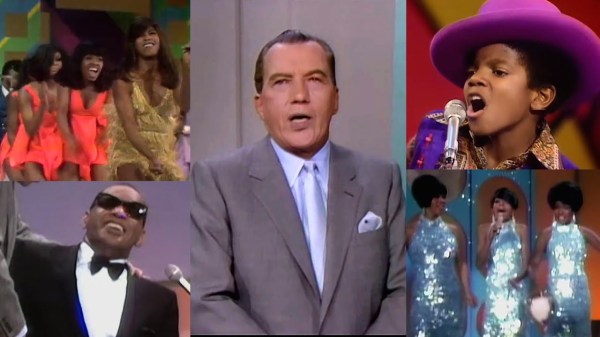
Ed Sullivan was a prominent television host and entertainment figure known for his iconic variety show, “The Ed Sullivan Show,” which aired from 1948 to 1971. His unique ability to showcase a diverse range of talent helped launch the careers of many famous artists, including Elvis Presley, The Beatles, and Broadway stars. Sullivan’s show became a cultural phenomenon, known for its live performances and innovative programming that captivated millions of viewers across the United States. His influence extended beyond television, as he played a significant role in shaping popular culture and the entertainment industry during a transformative period in American history. Combining humor, music, and special guest appearances, Sullivan’s legacy remains a defining element of mid-20th-century entertainment.
Artificial intelligence is supercharging surveillance, and the law has not caught up with it.
Artificial intelligence (AI) is significantly enhancing surveillance capabilities, raising concerns about its implications for privacy and civil liberties. The article discusses whether the Pentagon is permitted to employ AI for monitoring American citizens, highlighting that current laws struggle to keep pace with rapid advancements in technology. The evolving nature of AI poses challenges for regulatory frameworks, leaving gaps in oversight and accountability.
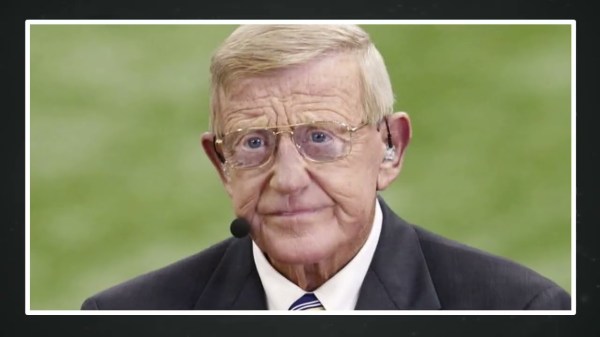
Lou Holtz was a retired American football coach, motivational speaker, and author, born on January 6, 1937, in Follansbee, West Virginia. He began his coaching career in college football, working with various teams, including the University of Massachusetts and the University of Arkansas. Holtz gained national prominence during his tenure as the head coach at the University of Notre Dame from 1986 to 1996, where he led the Fighting Irish to a national championship in 1988.
Holtz is known for his unique coaching style, ability to motivate players, and his keen understanding of the game. After retiring from coaching, he became a celebrated speaker and author, sharing his philosophies on leadership and success. Holtz was inducted into the College Football Hall of Fame in 2008, leaving a lasting legacy in the world of sports. Throughout his life, he has emphasized the importance of attitude, effort, and integrity in achieving one’s goals.
The author writes “I have proudly earned every candle on my birthday cake, and I am grateful for each day I am given. Every day I wake up is already a wonderful day.”
The article “Gaining Clarity Through Aging” explores the positive aspects of aging, emphasizing how each year brings valuable life lessons and greater appreciation for daily experiences. The author reflects on the wisdom gained through life’s challenges and the importance of gratitude for each day lived. Emphasizing a positive outlook on aging, the piece advocates for embracing life’s moments and understanding that the journey brings clarity and fulfillment.
Forget the fairy tale. Discover the real science on how marriage affects your bank account, brain health, and long-term happiness.
The article “Should I Get Married? The Science Behind the ‘I Do'” explores the tangible effects of marriage on various aspects of life, including finances, mental health, and overall happiness. It moves beyond romanticized notions of marriage, presenting empirical evidence that illustrates how being married can enhance financial stability, improve brain health, and contribute to long-term contentment. The piece encourages readers to consider the scientific research surrounding marriage rather than relying solely on fairy tale ideals.
Lou Holtz is a celebrated figure in American football, known for his remarkable career as a college football coach and his contributions to the sport. Born on January 6, 1937, in Follansbee, West Virginia, Holtz gained prominence during his coaching tenure at various institutions, most notably at the University of Notre Dame. Under his leadership, the Fighting Irish won the national championship in 1988, solidifying his reputation as one of the game’s great strategists and motivators.
Holtz’s coaching philosophy emphasized discipline, hard work, and the importance of education, principles that have had a lasting impact on his players and coaching colleagues alike. He was known for his ability to connect with young athletes, instilling in them not only a competitive spirit but also valuable life lessons. His teams were often noted for their resilience and undeterred work ethic, qualities that contributed to Holtz’s success and acclaim in the football community.
Beyond the field, Holtz has made significant contributions as a motivational speaker and author, sharing his insights and experiences with a broader audience. His legacy transcends wins and losses; it lies in the character and integrity he fostered among his players, as well as his enduring influence on the sport. Lou Holtz remains a respected and inspirational figure in college football, leaving a footprint that continues to guide future generations of athletes and coaches.
Too many of us lean on a couple of only a few sources for our happiness—our jobs, our partners, our children. But there is a danger in doing this?
Never put the key to your happiness in someone else’s pocket.
Anonymous
In the article “If You Want to Be Happy, Have Multiple Baskets,” the author emphasizes the importance of diversifying sources of happiness beyond just jobs, partners, and children. Relying too heavily on a few elements for emotional fulfillment can be risky, as it can lead to disappointment and a lack of resilience during tough times. By cultivating multiple avenues for joy—such as hobbies, friendships, and personal growth—individuals can create a more stable and enriched life. The piece encourages readers to seek a broader range of experiences that contribute to their overall happiness and well-being.
Questions about ethical AI may go out the window when democratic norms are collapsing.
The article discusses how the Pentagon pressured artificial intelligence companies before military strikes on Iran, raising concerns about the future of ethical AI. It highlights the tension between national security interests and the ethical considerations of AI development, suggesting that when democratic norms weaken, the emphasis on ethical practices in AI may be compromised. The situation underscores the complex relationship between military actions and the principles of ethical AI, prompting a reevaluation of what ethical standards mean in the context of real-world applications.
Generation Jones refers to a demographic cohort that is typically defined as individuals born between the mid-1950s and the mid-1960s. This generation falls between the Baby Boomers and Generation X. The term was coined by sociologist Jonathan Pontell to encapsulate the unique cultural, social, and economic experiences that this group faced.
Members of Generation Jones often experienced a range of significant historical events during their formative years, such as the Vietnam War, the Watergate scandal, and the rise of new technologies. They are characterized by their transitional identity, bridging the idealism of the Baby Boomers and the pragmatism of Generation X. This generation is often noted for its skepticism and disillusionment, influenced by the cultural shifts of the late 20th century.
Overall, Generation Jones reflects the complexities and nuances of this specific age group, emphasizing their distinct position in the generational landscape.
















 Bright, shiny objects!
You must be logged in to post a comment.