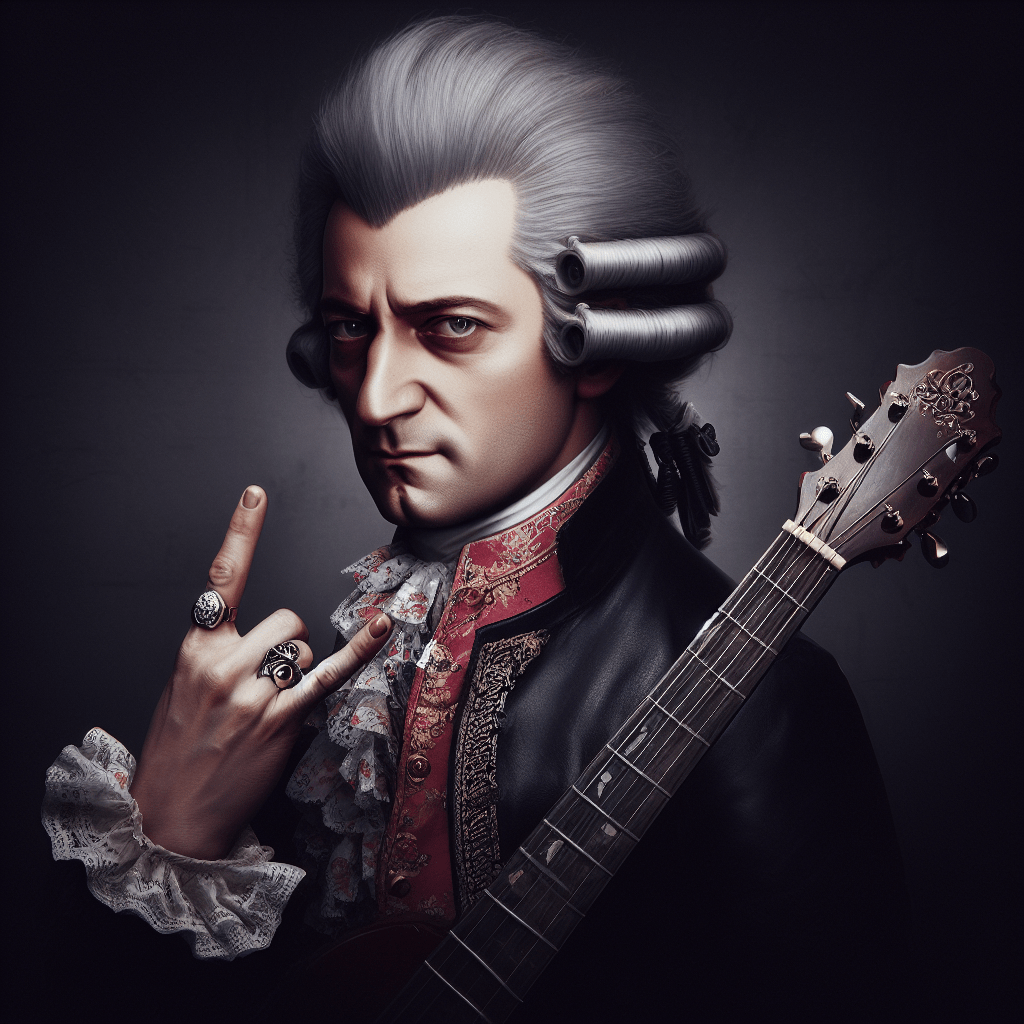
When it comes to influential musicians, the names Wolfgang Amadeus Mozart and Paul McCartney immediately spring to mind. Despite living in different centuries and composing in different musical genres, these two maestros share a surprising number of similarities that illuminate the enduring connection between their music.
Mozart, a prodigy of the Classical era, and McCartney, a founding member of The Beatles and a prolific solo artist, both revolutionized the music world in their own right. One of the most striking parallels between them is their innate gift for melody. Mozart’s intricately crafted compositions showcase his unparalleled ability to create beautiful, flowing melodies that tug at the heartstrings. Similarly, McCartney’s songwriting prowess is defined by unforgettable melodies that have resonated with audiences for decades.
Another common thread between these two musical geniuses is their mastery of instrumentation. Mozart’s command of a wide range of instruments allowed him to push the boundaries of orchestral music, while McCartney’s multi-instrumental talents were integral to The Beatles’ experimental and innovative sound.
Furthermore, both artists displayed an uncanny knack for blending different styles and influences in their work. Mozart’s compositions often featured elements of Italian opera, German counterpoint, and French elegance, demonstrating his fluency in various musical idioms. Similarly, McCartney seamlessly integrated rock, pop, classical, and avant-garde elements into his songs, showcasing his versatility and open-minded approach to music-making.
Despite the stark differences in the musical landscape of their respective eras, the impact of Mozart and McCartney’s groundbreaking work continues to reverberate through the ages. Their enduring legacies serve as a testament to the timeless nature of musical innovation and creativity, transcending generations and genres.
In conclusion, the interconnectedness of Mozart and McCartney’s musical genius reminds us that great art knows no boundaries. Their shared ability to captivate and inspire audiences speaks to the universal language of music, proving that the bridge between the classical and contemporary is indeed a harmonious one.
 Bright, shiny objects!
What do you think?