The concept of the Singularity has intrigued and captivated both scientists and science fiction enthusiasts alike. Coined by mathematician Vernor Vinge and popularized by futurist Ray Kurzweil, the Singularity refers to a hypothetical point in time when technological advancements surpass human understanding and control, leading to a profound transformation of civilization. But should we be concerned about it?
Understanding the Singularity
The Singularity revolves around the idea that exponential progress in fields such as artificial intelligence, nanotechnology, and genetic engineering will eventually enable humanity to transcend its biological limitations. This exponential growth suggests that machines and technology will develop an intelligence surpassing human capability, leading to a future that is difficult for us to comprehend fully.
The Potential Impact
The potential impact of the Singularity raises significant questions and considerations. On one hand, proponents argue that it holds the promise of resolving some of humanity’s most pressing challenges, such as disease, poverty, and environmental degradation. Advancements in AI, for example, could revolutionize healthcare, enhance productivity, and catalyze scientific discoveries at an unprecedented scale.
On the other hand, concerns have been voiced about the potential risks associated with the Singularity. Some worry that an uncontrollable superintelligence could pose a threat to human existence if it prioritizes its own goals over ours. Additionally, the profound social and ethical implications of merging human biology with advanced technology raise questions regarding personal identity, privacy, and societal structure.
Navigating the Uncertainty
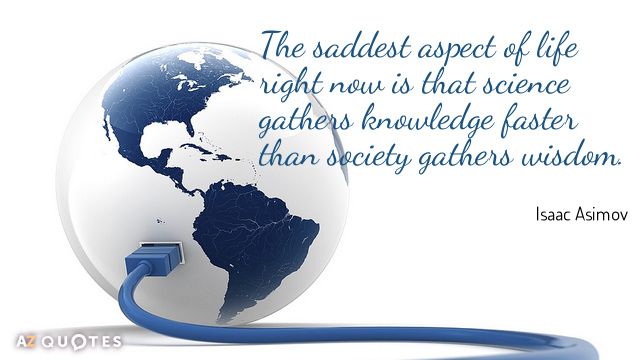
Navigating the uncertainty surrounding the Singularity requires a balanced perspective. While striving for progress, it is paramount to be mindful of the ethical and societal considerations that arise. Open discussions and collaborations among scientists, policymakers, and the general public are essential to ensure the responsible development and deployment of transformative technologies.
Rather than succumbing to fear or dismissing the Singularity as mere science fiction, it is crucial to embrace a proactive mindset. By actively participating in shaping the direction of technological advancements, we can work towards a future that benefits humanity as a whole. This involves engaging with ethical frameworks, fostering transparency, and promoting inclusivity to minimize potential negative consequences.
Embracing the Future
As with any technological leap, the Singularity presents both opportunities and challenges. It invites us to reflect on what it means to be human, explore our relationship with technology, and collectively create a future that benefits us all. Instead of fearing the Singularity, let us embrace the potential it holds and seize the opportunity to create a world that is informed, compassionate, and filled with possibilities.
Remember, the Singularity is not a predetermined fate, but rather an ongoing narrative that we have the power to influence. Let us navigate the path ahead with foresight, responsibility, and a commitment to ensuring a bright and equitable future for all.
 Bright, shiny objects!
What do you think?