
“Be gentle first with yourself if you wish to be gentle with others.” ~Lama Yeshe
via Self-Compassion: Learning to Be Nicer to Ourselves | Tiny Buddha.
Thinks I find along the way
“Be gentle first with yourself if you wish to be gentle with others.” ~Lama Yeshe
via Self-Compassion: Learning to Be Nicer to Ourselves | Tiny Buddha.

“All great changes are preceded by chaos.” ~Deepak Chopra
via Small Acts of Love and Compassion Can Change the World | Tiny Buddha.
The everwise Melody Beattie writes:
Sometimes, the harder we try to see a lesson, the more lost and confused we become. “What does it mean?” we ask, squinting at the problem.
Relax. Let go of your expectations and your interpretations. Quit trying so hard to see.
Sometimes the lesson may be a simple reminder to see the sacred in your ordinary life or to practice compassion for yourself as well as for others. Sometimes what we’re going through is part of a larger lesson, one that may take us years to complete and comprehend. It’s easy to fall into the false belief that there’s some lesson that we have to push and struggle to learn. There isn’t.
We only have to see what we see and know what we know right now.
Sometimes, the harder we try to see a lesson, the more lost and confused we become. “What does it mean?” we ask, squinting at the problem.
Relax. Let go of your expectations and your interpretations. Quit trying so hard to see.
Sometimes the lesson may be a simple reminder to see the sacred in your ordinary life or to practice compassion for yourself as well as for others. Sometimes what we’re going through is part of a larger lesson, one that may take us years to complete and comprehend. It’s easy to fall into the false belief that there’s some lesson that we have to push and struggle to learn. There isn’t.
We only have to see what we see and know what we know right now.
Experience your life.
More shall be revealed when it’s time. Practice seeing without squinting.
God, help me be present to the situations in my life without trying to read too deeply into them. Help me trust that my lessons will become clear when it’s time.” via September 27: Let Enlightenment Come.
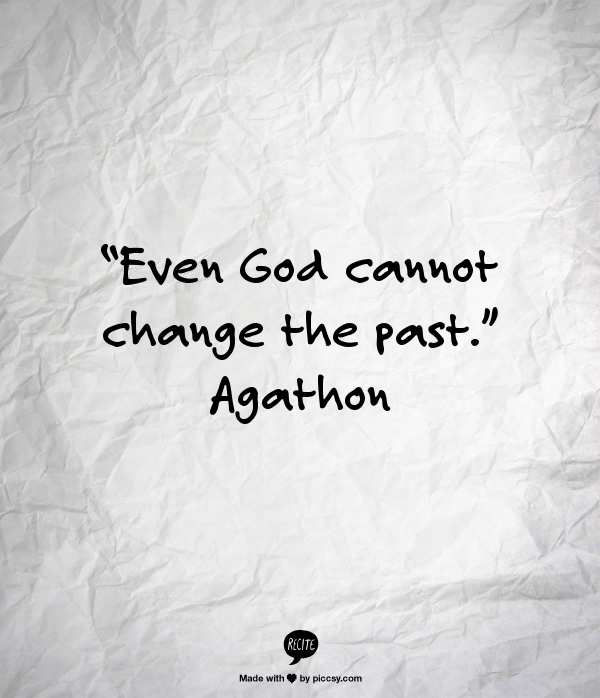
Melody Beattie writes:
Holding on to the past, either through guilt, longing, denial, or resentment, is a waste of valuable energy – energy that can be used to transform today and tomorrow.
“I used to live in my past,” said one recovering woman. “I was either trying to change it, or I was letting it control me. Usually both.
“I constantly felt guilty about things that had happened. Things I had done; things others had done to me – even though I had made amends for most everything, the guilt ran deep. Everything was somehow my fault. I could never just let it go.
“I held on to anger for years, telling myself it was justified. I was in denial about a lot of things. Sometimes, I’d try to absolutely forget about my past, but I never really stopped and sorted through it; my past was like a dark cloud that followed me around, and I couldn’t shake clear of it. I guess I was scared to let it go, afraid of today, afraid of tomorrow.
I’ve been recovering now for years, and it has taken me almost as many years to gain the proper perspective on my past. I’m learning I can’t forget it; I need to heal from it. I need to feel and let go of any feelings I still have, especially anger.
“I need to stop blaming myself for painful events that took place, and trust that everything has happened on schedule, and truly all is okay. I’ve learned to stop regretting, and to start being grateful.
“When I think about the past, I thank God for the healing and the memory. If something occurs that needs an amend, I make it and am done with it. I’ve learned to look at my past with compassion for myself, trusting that my Higher Power was in control, even then.
“I’ve healed from some of the worst things that happened to me. I’ve made peace with myself about these issues, and I’ve learned that healing from some of these issues has enabled me to help others to heal too. I’m able to see how the worst things helped form my character and developed some of my finer points.
“I’ve even developed gratitude for my failed relationships because they have brought me to who and where I am today.
“What I’ve learned has been acceptance – without guilt, anger, blame, or shame. I’ve even had to learn to accept the years I spent feeling guilty, angry, shameful, and blaming.”
We cannot control the past. But we can transform it by allowing ourselves to heal from it and by accepting it with love for others and ourselves. I know, because that woman is me.
Today, I will begin being grateful for my past. I cannot change what happened, but I can transform the past by owning my power, now, to accept, heal, and learn from it.” via Just For Today Meditations » Blog.

Chris Freytag writes:
I used to be a total perfectionist, but I have had a total change of heart. I’ve learned that it isn’t worth it to be consumed with the little things, or sweat the small stuff as they say. I no longer bicker with my husband or kids about the stupid stuff. I’ve incorporated a progress over perfection philosophy throughout my life—from how I live to what I teach to my fitness followers.
Perfection is unachievable. It often leads to disappointment and it can set you up for failure. Strive for progress, not perfection.
I now call myself a recovering perfectionist and there are so many benefits to letting go of perfection.
You can be less concerned about what others think of you. I am less worried about what others think about me as long as I’m proud of my behavior. I don’t have to look perfect or act perfect. It is liberating to let go of what other people think. Start to value your own opinion more than anyone else’s. Your confidence will soar when you alone determine how you should feel about you.
Teach your kids progress over perfection. I want my kids to escape the whole perfectionist pursuit, so as long as they are giving their best effort, I am happy. I want my kids to be hard workers and caring citizens, to acknowledge their weaknesses, admit when they are wrong, and strive to be better and improve where they can—progress over perfection.
By letting go of perfectionism, you can stop procrastinating. Fear of making a mistake can keep people stuck. Some people may not even take step one on something they want to accomplish for fear of not doing it flawlessly. Perfection stalls progress. What if you flipped perfection on its head and gave yourself permission that it’s okay to fail miserably, but you are just going to try anyway. I guarantee if try, you will make progress. Just give it your best and have some compassion for yourself if you aren’t flawless.
Giving up on perfection doesn’t mean you work less hard. I work hard at my job, my family and my relationships; I just don’t expect or need perfection anymore.” via Forget Perfection: Strive Toward Progress.

 Melody Beattie writes:
No matter how long we’ve been recovering, no matter how solid our spiritual ground, we may still feel an overwhelming desire at times to punish, or get even, with another person.
We want revenge.
We want to see the other person hurt the way he or she has hurt us. We want to see life deal that person just rewards. In fact, we would like to help life out.
Those are normal feelings, but we do not have to act on them. These feelings are part of our anger but it’s not our job to deal justice.
We can allow ourselves to feel the anger. It is helpful to go one step deeper and let ourselves feel the other feelings – the hurt, the pain, the anguish. But our goal is to release the feelings, and be finished with them.
We can hold the other person accountable. We can hold the other person responsible. But it is not our responsibility to be judge and jury. Actively seeking revenge will not help us. It will block us and hold us back.
Walk away. Stop playing the game. Unhook. Learn your lesson. Thank the other person for having taught you something valuable. And be finished with it. Put it behind, with the lesson intact.
Acceptance helps. So does forgiveness – not the kind that invites that person to use us again, but a forgiveness that releases the other person and sets him or her free to walk a separate path, while releasing our anger and resentments. That sets us free to walk our own path.
Today, I will be as angry as I need to be, with a goal of finishing my business with others. Once I have released my hurt and anger, I will strive for healthy forgiveness – forgiveness with boundaries. I understand that boundaries, coupled with forgiveness and compassion, will move me forward.” via Just For Today Meditations – Daily Recovery Readings – September 16, 2012.


Karen Salmansohn shares a cute, but powerful, perspective that I wanted to share with you this morning:
Self sabotaging behavior often is a sign of low self esteem.
Or I guess that would be “elf esteem,” because it’s low esteem.
Okay, about as low as this joke! Although addictions are no joke. I am however a big believer if we can laugh at ourselves, we can loosen our ego’s grasp on tightly held beliefs, and we’re more open to change.
I’d like to help you loosen your ego’s grasp on maintaining addictions, and change over to more healthful behavior.
How?
If you want to break an addiction, you must heighten your low “elf-esteem” to high self esteem.
Interestingly, in studies on happiness the happiest people are those with high self esteem.
And just as interestingly, the happiest people are reported to be those who do consistent acts of altruism.
There’s a do-good-feel-good-do-good-feel-good cause and effect.
My belief: the more good you do for others, the more you raise your self esteem, and the better you feel about yourself, and so the more you want to do good, and on and on the upward cycle goes.
Ironically, the more you do your addiction, the worst you feel about yourself, and the lower your elf esteem, then the more you seek your addiction, which further lowers your elf esteem, and downward do you go.
In other words, you create a do-bad-feel-bad-do-bad-feel-bad cause and effect.
YOUR ASSIGNMENT: If you have a bad habit you’re trying to break, start by doing more positive habits: donate time in an old age home or read to the blind. Of course “elf esteem” also comes from deeper subconscious forces that you need to delve into as well – and I suggest you do some delving. But it’s a good jump start to loving yourself more if you start to do more good in the world – so you can feel what a powerful spirit you can be – thereby you start to believe more in the awesome goodness inside you!
And keep in mind the words of Abraham Lincoln: “Most people are about as happy as they make up their minds to be.”
Aren’t you worthy of happiness?” via Where do addictions come from? “Elf Esteem”! Karen Salmansohn.
We take care of what we value. Value your self…



Kristin Barton Cuthriell writes:
“Boundaries are those invisible lines that separate you from other people. When children grow up in families that practice healthy boundaries, these boundaries are typically passed down through generations. The same is true when individuals are raised in dysfunctional families that have no sense of healthy boundaries. These poor boundaries, too, are often passed down the generational line.
Poor boundaries are usually too rigid or too loose. Like a concrete wall, rigid boundaries keep people out. When a person is closed off with rigid boundaries, they do not allow themselves to become vulnerable, which makes true intimacy impossible.
People with loose boundaries have little fence or no fence at all. The separation between self and others is blurred. Individuals with loose boundaries do not have a clear sense of self. These people trust easily, disclose too much, have a difficult time setting limits, and often become enmeshed with others.
Healthy relationships require healthy boundaries. If you are aware that your personal boundaries are either too loose or too rigid, you can learn healthy boundaries.
The first step to change is recognizing that change is needed. What you do not acknowledge, you do not change.
What is a healthy boundary? Take a look.” Get more here: Healthy Boundaries: A Good Practice – Let Life in Practices.

It is important that you feel good about yourself. More and more scientific evidence points towards a significant link between how you feel about yourself and your overall health and sense of well-being. Scientists have proven that feelings of inferiority have the capacity to pave the way to illness or disease. On the other hand, if you feel good about yourself, have a positive outlook, and maintain an active involvement in life, you’re more likely to be happy and healthy.
Our emotional state can be affected by a lot of things the environment we are in, the people we are with, the weather, the food we eat, how much sleep we’ve had, and so on. Feeling insecure, incapable and inadequate once in a while is part of being human, what matters is that you are able to make yourself feel better again.
If you feel as if you are currently in a state wherein you need some help on bolstering your feelings of self-worth, here are some ideas that you may find helpful:
Step 1: Reframe your identity
If you were asked to describe yourself, what would you say? What be the first adjectives that you would come out with? Experts say that a person’s self-worth can be assessed by the first five words that he would use to answer this question. If you answer with negative adjectives, then you would need to redefine how you think about yourself. Instead of focusing on the shortfalls in your life, bring to mind things that make you special.
For example, instead of branding yourself as a mere office worker, try looking at yourself as a great Mom or a great Dad. Pride yourself on your greatest achievements instead of highlighting flaws.
Step 2: Challenge negative self-talk
As we go about our daily lives, we constantly think about and interpret every situation that we encounter. It’s like we have this voice inside our head that talks us through everything. Psychologists call this inner voice “self-talk.” How this inner voice talks to us is based on our values, beliefs and our conscious and subconscious thoughts. If your self-talk is mostly negative, you will have a very hard time feeling good about yourself.
To correct negative self-talk, you need to learn to notice it as it happens, and consciously dispute and challenge these negative and irrational thoughts. Ask yourself questions like, “Are my thoughts factual?”, “Is this situation as bad as I am making out to be?” or “What can I do that will help me solve the problem?”. Make it a point to conquer self-defeating thoughts with positive and realistic thinking.
Step 3: Take time for yourself
In this world where everyone and everything seems to be in a rush, most of us don’t make ourselves a priority. Often we focus on catering to the needs of others and on being productive. Although it is good to take care of the people you love and fulfill your responsibilities at home and at work, you should not neglect your responsibility and obligation to yourself.
In the same way that you make others feel good when you take care of them, taking care of yourself will also bring about the same feelings. Make it a point that you allocate a certain amount of time each day for yourself to do things you love. Paying attention to yourself has been proven to improve self-esteem and feelings of self worth.
It is impossible for anyone to feel perfectly happy about who he is for their entire life. We are all bound to feel inferior or insecure every once in a while. Fortunately, our thoughts and feelings are not permanent and there are so many ways to love, accept and feel good about ourselves.” via Constantly Feel Good About Yourself Using These 3 Steps.

“An intimate relationship is one in which neither party silences, sacrifices, or betrays the self and each party expresses strength and vulnerability, weakness and competence in a balanced way.” Harriet Lerner
Setting boundaries is essential if we want to be both physically and emotionally healthy.
Creating healthy boundaries is empowering. By recognizing the need to set and enforce limits, you protect your self-esteem, maintain self-respect, and enjoy healthy relationships.
Unhealthy boundaries cause emotional pain that can lead to dependency, depression, anxiety, and even stress-induced physical illness. A lack of boundaries is like leaving the door to your home unlocked: anyone, including unwelcome guests, can enter at will. On the other hand, having too rigid boundaries can lead to isolation, like living in a locked-up castle surrounded by a mote. No one can get in, and you can’t get out.
What Are Boundaries?
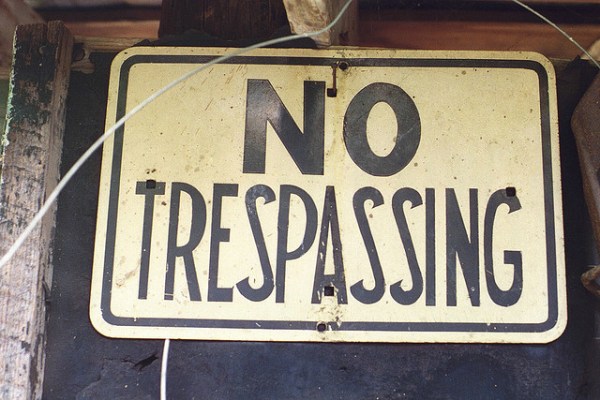
The easiest way to think about a boundary is a property line. We have all seen “No Trespassing” signs, which send a clear message that if you violate that boundary, there will be a consequence. This type of boundary is easy to picture and understand because you can see the sign and the border it protects. Personal boundaries can be harder to define because the lines are invisible, can change, and are unique to each individual.
Personal boundaries, just like the “No Trespassing” sign, define where you end and others begin and are determined by the amount of physical and emotional space you allow between yourself and others. Personal boundaries help you decide what types of communication, behavior, and interaction are acceptable.” Get more here: How to Create Healthy Boundaries « Positively Positive.

But most of all? You deserve it from YOURSELF! Melody Beattie writes:
Love yourself into health and a good life of your own.
Love yourself into relationships that work for you and the other person. Love yourself into peace, happiness, joy, success, and contentment.
Love yourself into all that you always wanted. We can stop treating ourselves the way others treated us, if they behaved in a less than healthy, desirable way. If we have learned to see ourselves critically, conditionally, and in a diminishing and punishing way, it’s time to stop. Other people treated us that way, but it’s even worse to treat ourselves that way now.
Loving ourselves may seem foreign, even foolish at times. People may accuse us of being selfish. We don’t have to believe them.
People who love themselves are truly able to love others and let others love them. People who love themselves and hold themselves in high esteem are those who give the most, contribute the most, love the most.
How do we love ourselves? By forcing it at first. By faking it if necessary. By “acting as if.” By working as hard at loving and liking ourselves as we have at not liking ourselves.
Explore what it means to love yourself.
Do things for yourself that reflect compassionate, nurturing, self-love.
Embrace and love all of yourself — past, present, and future. Forgive yourself quickly and as often as necessary. Encourage yourself. Tell yourself good things about yourself.
If we think and believe negative ideas, get them out in the open quickly and honestly, so we can replace those beliefs with better ones.
Pat yourself on the back when necessary. Discipline yourself when necessary. Ask for help, for time; ask for what you need.
Sometimes, give yourself treats. Do not treat yourself like a pack mule, always pushing and driving harder. Learn to be good to yourself. Choose behaviors with preferable consequences — treating yourself well is one.
Learn to stop your pain, even when that means making difficult decisions. Do not unnecessarily deprive yourself. Sometimes, give yourself what you want, just because you want it.
Stop explaining and justifying yourself. When you make mistakes, let them go. We learn, we grow, and we learn some more. And through it all, we love ourselves.
We work at it, then work at it some more. One day we’ll wake up, look in the mirror, and find that loving ourselves has become habitual. We’re now living with a person who gives and receives love, because that person loves him- or herself. Self-love will take hold and become a guiding force in our life.
Today, I will work at loving myself. I will work as hard at loving myself as I have at not liking myself. Help me let go of self-hate and behaviors that reflect not liking myself. Help me replace those with behaviors that reflect self-love. Today, God, help me hold myself in high self-esteem. Help me know I’m lovable and capable of giving and receiving love.” via June 16: Loving Ourselves Unconditionally.


Melody Beattie writes:
Life is cyclical, not static. Our relationships benefit when we allow them to follow their own natural cycles.
Like the tide ebbs and flows, so do the cycles in relationships. We have periods of closeness and periods of distance. We have times of coming together and times of separating to work on individual issues.
We have times of love and joy, and times of anger.
Sometimes, the dimensions of relationships change as we go through changes. Sometimes, life brings us new friends or a new loved one to teach us the next lesson.
That does not mean the old friend disappears forever. It means we have entered a new cycle.
We do not have to control the course of our relationships, whether these be friendships or love relationships. We do not have to satisfy our need to control by imposing a static form on relationships.
Let it flow. Be open to the cycles. Love will not disappear. The bond between friends will not sever. Things do not remain the same forever, especially when we are growing and changing at such a rapid pace.
Trust the flow. Take care of yourself, but be willing to let people go. Hanging on to them too tightly will make them disappear.
The old adage about love still holds true: “If it’s meant to be, it will be. And if you love someone, let them go. If they come back to you, the love is yours.”
Today, I accept the cyclical nature of life and relationships. I will strive to go with the flow. I will strive for harmony with my own needs and the needs of the other person.” via June 15: Letting the Cycles Flow.

“Codependency (or codependence, interdependency ) is defined as a psychological condition or a relationship in which a person is controlled or manipulated by another who is affected with a pathological condition (as in an addiction to alcohol or heroin); and in broader terms, it refers to the dependence on the needs of or control of another.[1] It also often involves placing a lower priority on one’s own needs, while being excessively preoccupied with the needs of others.[2] Codependency can occur in any type of relationship, including family, work, friendship, and also romantic, peer or community relationships.[2] Codependency may also be characterized by denial, low self-esteem, excessive compliance, or control patterns.[2] Narcissists are considered to be natural magnets for the codependent.” Get more here: Codependency – Wikipedia, the free encyclopedia.
Wondering if this applies to you? Here are some questions that may help you decide…
 More Melody Beattie:
“Love yourself into health and a good life of your own.
Love yourself into relationships that work for you and the other person. Love yourself into peace, happiness, joy, success, and contentment.
Love yourself into all that you always wanted. We can stop treating ourselves the way others treated us, if they behaved in a less than healthy, desirable way. If we have learned to see ourselves critically, conditionally, and in a diminishing and punishing way, it’s time to stop. Other people treated us that way, but it’s even worse to treat ourselves that way now.
Loving ourselves may seem foreign, even foolish at times. People may accuse us of being selfish. We don’t have to believe them.
People who love themselves are truly able to love others and let others love them. People who love themselves and hold themselves in high esteem are those who give the most, contribute the most, and love the most.
How do we love ourselves? By forcing it at first. By faking it, if necessary. By acting as if. By working as hard at loving and liking ourselves as we have at not liking ourselves.
Explore what it means to love yourself.
Do things for yourself that reflect compassionate, nurturing, self love.
Embrace and love all of yourself – past, present, and future. Forgive yourself quickly and as often as necessary. Encourage yourself. Tell yourself good things about yourself.
If we think and believe negative ideas, get them out in the open quickly and honestly, so we can replace those beliefs with better ones.
Pat yourself on the back when necessary. Discipline yourself when necessary. Ask for help, for time; ask for what you need.
Sometimes, give yourself treats. Do not treat yourself like a pack mule, always pushing and driving harder. Learn to be good to yourself. Choose behaviors with preferable consequences – treating yourself well is one.
Learn to stop your pain, even when that means making difficult decisions. Do not unnecessarily deprive yourself. Sometimes, give yourself what you want, just because you want it.
Stop explaining and justifying yourself. When you make mistakes, let them go. We learn, we grow, and we learn some more. And through it all, we love ourselves.
We work at it, and then work at it some more. One day we’ll wake up, look in the mirror, and find that loving ourselves has become habitual. We’re now living with a person who gives and receives love, because that person loves him or herself. Self-love will take hold and become a guiding force in our life.
Today, I will work at loving myself. I will work as hard at loving myself as I have at not liking myself. Help me let go of self-hate and behaviors that reflect not liking myself. Help me replace those with behaviors that reflect self-love. Today, God, help me hold myself in high self-esteem. Help me know I’m lovable and capable of giving and receiving love.
From The Language of Letting Go by Melody Beattie ©1990, Hazelden Foundation. All rights reserved.” via the language of letting go | Tumblr.
Warning! Video: NSFW…
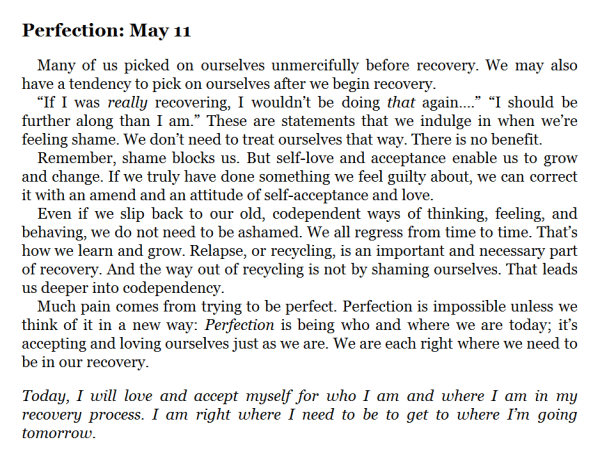
Another great perspective from Melody Beattie…
More Melody Beattie…
“My best friend was going through some tough situations in her life. I was in the midst of a hard stretch too. We didn’t particularly like the things we had to do in our lives. We talked about our feelings and decided that what we were going through was necessary and important, even though we didn’t like it.We expressed gratitude for our lives.
“It’s still a dreadful time,” I said.
“Brutal,” she said. “I guess we’re back to the old one day-at-a-time approach. We’re so lucky. What do people do that haven’t learned that gem?”
There are times when we can look at the stretch ahead and like what we see. Taking life one day at a time is still a good idea, even when things are going well.
Taking life one day at a time can be particularly useful when the road ahead looks dreadful. We may not even know where to start with some challenges. That’s when taking life one day at a time is essential.
“I’ve been using alcohol and other drugs every day since I’ve been twelve years old,” I said to my counselor years ago in treatment. “Now you’re telling me I need to stay sober the rest of my life. Plus get a job. And a life. How am I going to do that?”
“One day at a time,” she said. She was right. Sometimes I had to take life one minute at a time or one hour at a time. And all these years later, it still works.
Value: Taking life one day at a time is the gem we’ll focus on this week.” via May 8.
“Many of us do not understand what we are responsible for and what we are not responsible for. We may believe we have to get into a tizzy when someone has a problem because it is our responsibility to do that. However, at the heart of most rescues is a demon: low self-worth. We rescue because we don’t feel good about ourselves.. caretaking provides us with a temporary hit of good feelings, self-worth, and power. Just as a drink helps an alcoholic momentarily feel better, a rescue move momentarily distracts us from the pain of being who we are. We don’t feel loveable, so we settle for being needed. We don’t feel good about ourselves, so we feel compelled to do a particular thing to prove how good we are.” ~ Melody Beattie via Today’s Quotes: What Joy!? Make Yourself Do Uncomfortable Things!.

A valuable message from Melody Beattie…
Are you willing to take responsibility for this mat, to own it? That doesn’t mean it isn’t everybody else’s mat, too. If you’re big enough to own the mat as yours, you’re big enough to let it be theirs, too.
— George Leonard
In his book The Way of Aikido, George Leonard wrote about the concept of owning the mat. He was talking about aikido. He was referring to an air of ownership, a certain presence he learned to demonstrate both on the mats while practicing martial arts and in his life.
Many subtle attitudes and past conditioning can affect our sense of ownership of our lives and of the world we live in—guilt, a haunting sense of victimization, laziness, living with repressive, angry, or abusive people may have tamed our sense of ownership of our lives. Continue reading “Own Your Life”
Melody Beattie shares this today…
A friend called me one day. His shiny new car was in the garage for repairs again. “I should have gotten a truck, something practical, that would start every day and get me to work,” he said. “If ever, ever I start screaming that I have to have something and can’t live without it, start screaming back at me until I stop.”
What’s attached to your self-esteem? Continue reading “On attachments…”

Melody Beattie shares this thought for today…
“Sell-esteem is so illusive,” said Amanda. “I’ve been working on my self-esteem for years. The harder I work at it, the less I seem to have.”
I believe we can let go of low self-esteem. We can turn around lack of belief in ourselves. We can become willing to forgive ourselves. We can stop tolerating treatment that doesn’t feel good to us. We can look at the dangers of defining ourselves by money, power, or prestige, or by whom we know and what we have. Ultimately, we can become willing to take care of ourselves and nurture ourselves through whatever experiences life may bring.
Twelve Step programs offer two Steps that can help us build self-esteem, acceptance, and self-love. Step Six says we become entirely ready to have God take our defects of character. Step Seven says we humbly ask God to remove our shortcomings. The work isn’t easy, but it is worthwhile.
For now it’s enough to become willing to let go of our low self-esteem and all the ways that low self-esteem manifests in our lives.
God, please replace my low self-esteem with self-acceptance.
Source: April 2: Let Go of Low Self Esteem | Language of Letting Go

 Bright, shiny objects!
You must be logged in to post a comment.