Out of the Cave

Morning-Reverence-DSC02876

When you have been

at war with yourself

for so many years that

you have forgotten why,

when you have been driving

for hours and only

gradually begin to realize

that you have lost the way,

when you have cut

hastily into the fabric,

when you have signed

papers in distraction,

when it has been centuries

since you watched the sun set

or the rain fall, and the clouds,

drifting overhead, pass as flat

as anything on a postcard;

when, in the midst of these

everyday nightmares, you

understand that you could

wake up,

you could turn

and go back

to the last thing you

remember doing

with your whole heart:

that passionate kiss,

the brilliant drop of love

rolling along the tongue of a green leaf,

then you wake,

you stumble from your cave,

blinking in the sun,

naming every shadow

as it slips.

via From Out the Cave by Joyce Sutphen | The Writer’s Almanac with Garrison Keillor.

If this poem resonates with you, you might enjoy this meditation from Tara Brach; Stepping out of the cave

The best of wholeheartedness for the week ending 3/9/2013

  1. “The secret of getting ahead is getting started. The secret of getting started is breaking your complex overwhelming tasks into small manageable tasks, and then starting on the first one.” -Mark Twain, legendary author.
  2. “When all your desires are distilled; You will cast just two votes: To love more, And be happy.”   – Hafiz
  3. “Opposition is a natural part of life. Just as we develop our physical muscles through overcoming opposition – such as lifting weights – we develop our character muscles by overcoming challenges and adversity.” -Stephen R. Covey, best-selling author and speaker.
  4. “Any time I am in resentment, I am not taking care of myself. I am blaming someone else for something I need to do.” “The higher the expectations, the lower the serenity. I try to keep my boundaries high, my expectations low, and my heart open.” -Anon
  5. “When you take charge of your life, there is no longer a need to ask permission of other people or society at large. When you ask permission, you give someone veto power over your life.” – Geoffrey F. Abert
  6. Todd’s tweets…
  7. Just added a great image in “Storypad” undefined
  8. ““When all your desires are distilled; You will cast just two votes: To love more, And be happy.”   – Hafiz” undefined
  9. ““All the ups and downs are grace in different wrappings, sent to refine consciousness. Say thanks to them all.”  …” undefined
  10. ““Opposition is a natural part of life. Just as we develop our physical muscles through overcoming opposition –…” undefined
  11. ““The secret of getting ahead is getting started. The secret of getting started is breaking your complex…” undefined
  12. @toddlohenry Thx for all the great tweets this a.m. Clipping them all with Evernote to read later!
  13. @SocialBro Hey guys! I have a @bufferapp customer here, @toddlohenry, and we have some questions. Is there an email addy we can contact? :)
  14. @jenpastiloff Something tells me I would have heard from you if I curated your content incorrectly. :-D
  15. @livegrey Love your site and what you’re doing and I’d like to do everything I can to promote your thinking…
  16. @toddlohenry Hi there Todd. Thanks for sharing our philosophy on your blog!
  17. @farhanadhalla Thanks for writing such good stuff. Hope all’s well…
  18. @barbmarkway Thanks for calling my attention to the event in the first place; Kristen Neff was AWESOME!!! I won’t take notes now… :-D
  19. Remember in Step Nine we were told to make direct amends wherever possible, but this generous principle should extend further. We…
  20. @toddlohenry I think it’s 100% diff. Reblog the heck out of me or quote me but give credit where credit is due. Respect, right? Thoughts?
  21. @toddlohenry reblogging credits the orig person. Knowingly Taking someone’s ideas and calling them your own lacks ethics
  22. “Smile, It Will Make You Look Better” undefined
  23. Just added a great image in “Storypad” undefined
  24. “The Key To Healing It Is Feeling It…” undefined
  25. @JenPastiloff How does copycatting differ from ‘reblogging’ or curating content according to fair use guidelines in your mind? Or does it?
  26. RT @steven_oriordan: Be mindful of your self-talk, it is a conversation with the Universe! #Universe #Selftalk #Quote
  27. Everyone is doing their best from their current state of consciousness…
  28. Your Best Secrets For A Good Night’s Sleep [feedly]…

Wise investigation

Click to see...
Click to see more…

Tara Brach may be glad to know that I have ‘discovered’ her work [I find the ‘discovery’ process, how things come to us and the language around it amusing at times]. In any case, thanks to Kristin Barton Cuthriell I became aware of the term ‘radical acceptance‘ a few week ago and devoured Tara Brach’s book by the same name shortly thereafter. I look forward to reading her book True Refuge when I can get a copy but until then I have been listening to her teaching via her podcast. Today on her blog, I found this video recording of one of these podcast meditations that I want to share with you here…

btw, Kristin — I’m very jealous you get to attend one of these meditations soon… :-D

Compassion…

Self-compassion…

Neff, Kristin_400Kristin Neff writes:

So what’s the answer? To stop judging and evaluating ourselves altogether. To stop trying to label ourselves as “good” or “bad” and simply accept ourselves with an open heart. To treat ourselves with the same kindness, caring, and compassion we would show to a good friend, or even a stranger for that matter. Sadly, however, there’s almost no one whom we treat as badly as ourselves.

Neff, Kristin. Self-Compassion: Stop Beating Yourself Up and Leave Insecurity Behind (Kindle Locations 105-108). William Morrow. Kindle Edition.

Continue reading “Self-compassion…”

Technology and mindfulness…

  1. :-D
  2. The Pope is hardly the first person to lose interest in their real job so soon after joining Twitter.
  3. Some thoughts on the Wisdom 2.0 conference last weekend. So much appreciation for Soren and his team for putting… fb.me/JZ265OrW
  4. WISDOM 2.0 will guide our interactions toward greater meaning, productivity, and wellbeing via @SFGate bit.ly/XCrtWF
  5. Wisdom 2.0’s Compassionate, Chaos-Reducing Brand Of Leadership sns.mx/JOouy7
  6. ⊱⊋↝Leadership↜⊊⊰ The Art of Conscious Leadership – from Wisdom 2.0 2013 via @karin_sebelin sco.lt/8E12JN
  7. ⊱⊋↝Leadership↜⊊⊰ The Art of Conscious Leadership – from Wisdom 2.0 2013 via @karin_sebelin sco.lt/8E12JN
  8. For business leaders out there, Wisdom 2.0 provides out-of-the-box practical thinking – you can get more videos by downloading the HBR…
  9. Arianna Huffington At Wisdom 2.0 (VIDEO) huff.to/13Yces2 via @HealthyLiving Deeper wisdom comes from the school of hard knocks.
  10. Arianna Huffington At Wisdom 2.0 (VIDEO) huff.to/13Yces2 via @HealthyLiving What wisdom do you really get from inexperienced lives?
  11. Arianna Huffington At Wisdom 2.0 (VIDEO) huff.to/13Yces2 via @HealthyLiving Wisdom from college students, docs, lawyers and business
  12. Watch Wisdom 2.0 2013 on @livestream: new.livestream.com/accounts… There’s a conference on wisdom! How come nobody told me. I’m totally there!
  13. @Padmasree Padma watching your Wisdom 2.0 presentation on HBR! Totally inspiring. I am showing this to my team to spread the wisdom.
  14. Some thoughts on the Wisdom 2.0 conference last weekend. So much appreciation for Soren and his team for putting… fb.me/JZ265OrW
  15. The Shift: Exploring Your Life Purpose with Wisdom 2.0 Founder Soren Gordhamer. bit.ly/Y19Woy #Wisdom2conf
  16. Like—》RT @AlliPolin: >Mindful curiosity can take you on new paths of understanding & discovery ow.ly/i5FfM via @ThinDifference
  17. Food for thought: Wisdom 2.0. @harvardbiz: How to Be Mindful in an ‘Unmanageable’ World s.hbr.org/YYcl47
  18. Great post by Jack Kornfield. His interview with Bill Ford was one of my favorite ones. Enjoy another perspective of Wisdom 2.0, from the driver’s seat!
  19. “Without a connection to our inner world, to our own thoughts and body, the creative mind becomes inaccessible amid the mass of other content we digest.” Soren Gordhamer – Wisdom 2.0

    linkedin.com/today/post/art…

  20. Yoga e maestri zen contro lo stress digitale. L’intossicazione tecnologica crea disagio? Ecco Wisdom 2.0 —> lettura.corriere.it/yoga-e-…
  21. YOGA E MAESTRI ZEN CONTRO LO STRESS DIGITALE
    L’intossicazione tecnologica crea disagio? Ecco Wisdom 2.0
  22. YOGA E MAESTRI ZEN CONTRO LO STRESS DIGITALE
    L’intossicazione tecnologica crea disagio? Ecco Wisdom 2.0
  23. Check out the music of Abraham, at http://www.lensesmusic.com. We were both at the Wisdom 2.0 summit this past weekend. I just love that the Bay Area is at the center of such cool stuff like mindfulness technology.
  24. The conference I helped to host this weekend, Wisdom 2.0 is written up in this great summary by Arianna Huffington. She recognizes the energy and unique spirit of this event and the amazing people who pour their time into creating this space to process the collective spirit from technology to mindfulness in daily life.

    We sat down with Congressman Tim Ryan this weekend to chart out collaborations for a new foundation focused on creating environments throughout our daily lives that support taking a deep breath, listening, processing deeply with each other and sharing our best selves in the collective conversation.

    I am so happy to share a glimpse here and host these conversations with you in future gatherings. The happiest place on earth.

  25. Arianna Huffington agrees with me – the Wisdom 2.0 Conference was really, really special.
  26. When I’m listening to the signals my body gives, I do very strange things. Like take Caltrain down to Mtn. View for the Hacker Dojo, stay for 15 minutes and go right back to San Francisco. I can make up a reason (too tired, day too full, energetic mismatch) but I don’t need to know. My inner compass is screaming “go back, sleep early, wake up at 5am and have a productive day.”
  27. Many of you have asked me what Wisdom 2.0 was like. In this post, Tony Schwartz shares some of his insights from the 2013 conference …
  28. Wisdom 2.0 2013 Session Proposal – Holacracy: Building a More Conscious Organization
  29. From Suffering to Seeking to Achieving: What Consciousness Can DO! – Wisdom 2.0 – 2013 Conference

Self-compassion; A Healthier Way of Relating to Yourself

I ‘discovered’ Dr. Kristin Neff’s work on self-compassion reading Brene Brown’s book ‘Daring Greatly’. What is it?

Here’s her TEDx talk on the topic:

Full story [including self-test] at: Self-compassion – A Healthier Way of Relating to Yourself.

Letting go in love…

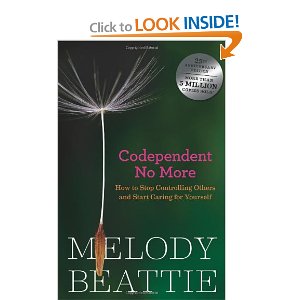
codependent no moreMelody Beattie writes:

When people with a compulsive disorder do whatever it is they are compelled to do, they are not saying they don’t love you – they are saying they don’t love themselves.
Codependent No More

Gentle people, gentle souls, go in love.

Yes, at times we need to be firm, assertive: those times when we change, when we acquire a new behavior, when we need to convince others and ourselves we have rights.

Those times are not permanent. We may need to get angry to make a decision or set a boundary, but we can’t afford to stay resentful. It is difficult to have compassion for one who is victimizing us, but once we’ve removed ourselves as victims, we can find compassion.

Our path, our way, is a gentle one, walked in love – love for self, love for others. Set boundaries. Detach. Take care of ourselves. And as quickly as possible, do those things in love.

Today, and whenever possible. God let me be gentle with others and myself. Help me find the balance between assertive action taken in my own best interests, and love for others. Help me understand that at times those two ideas are one. Help me find the right path for me.

via Blog | Just For Today Meditations.

Wholeheartedness = courage, compassion and connection…

220px-Brene_portrait_cropWEBTime to mix things up again. Thanks to my friend Tim Kastelle for sharing Brené Brown’s TED Talk on vulnerability. She writes here on cultivating worthiness…

Practicing courage, compassion, and connection in our daily lives is how we cultivate worthiness. The key word is practice. Mary Daly, a theologian, writes, “Courage is like—it’s a habitus, a habit, a virtue: You get it by courageous acts. It’s like you learn to swim by swimming. You learn courage by couraging.” The same is true for compassion and connection. We invite compassion into our lives when we act compassionately toward ourselves and others, and we feel connected in our lives when we reach out and connect. Before I define these concepts and talk about how they work, I want to show you how they work together in real life—as practices. This is a personal story about the courage to reach out, the compassion that comes from saying, “I’ve been there,” and the connections that fuel our worthiness.

Brown, Brene (2010-09-20). The Gifts of Imperfection: Let Go of Who You Think You’re Suppose to Be and Embrace Who You Are (p. 7). BookMobile. Kindle Edition.

Here’s the TED Talk in case you haven’t seen it yet…

The benefits of “I’m sorry…”

Melody Beattie writes:

Did you ever do something stupid that hurt someone’s feelings? Did you ever treat someone wrong and there was no justification for how you behaved? I have. It’s an awful place to be, when we realize what we’ve done.

The more we value that person, the more we want them to know how genuinely sorry we are. We’d give any­thing to see their facial muscles soften and hear them say, “It’s okay.”

I first learned about the value of forgiveness when 1 was in treatment for chemical dependency. I didn’t realize how much I’d hurt other people until I’d been sober for a while. When I became aware of my guilt, it was paralyzing and thick. I just wanted it to go away, and I didn’t think it ever would. The antidote for guilt is forgiveness. Asking for forgiveness from others or God puts us in a vulnerable place. There is nothing we can do except wait until we get word—and believe—that it’s okay.

I recently read a magazine article about the physiolog­ical benefits of saying, “I’m sorry” Acknowledging to someone that we’ve hurt them, saying we’re sorry, and genuinely meaning it improves health.

Recovery programs have known for a long time that becoming aware of the harm we’ve done and making direct amends are essential for the well-being of the person making amends. But making amends doesn’t just benefit us. It helps the other person too.

As hard as I try not to, I still make mistakes and do things that hurt others. Sometimes I know what I’m doing is wrong, and I do it anyway Other times it’s an accident.

Forgiveness isn’t just a value we need if and when we’re recovering. It’s a value we’ll need all our lives.

Value: Forgiveness has many components: self-inspection, self-responsibility compassion, living by a set of ethics, letting go of our defenses, letting go of resentments and judgments, humbling ourselves, wanting to be close to God, acknowledging to other people that they’re impor­tant to us, knowing that others care enough about us. All these aspects of forgiveness are good. Whether we’re extending or receiving forgiveness, it’s the value this week.

via January 8 – from “52 Weeks of Conscious Contact”.

Stop Beating Yourself Up… Start Loving Yourself Radically!

kute-blackson-261x3001Kute Blackson writes:

It can be easy to judge yourself at times.

Many of us do it quite well.

We beat ourselves up. Criticize. Treat ourselves harshly. We often strive to make ourselves different from what we are.

From the moment we are born, we get conditioned. We are told who we should and shouldn’t be. We are told repeatedly that who we are isn’t enough. It gets reinforced by the advertising in the media that wants to sell you something.

When you accept yourself for being who you are and who you are not, a powerful freedom is yours.

Beating yourself up to try and fit some idea of who you need to be in order to be loved and accepted by others only creates more stress and suffering.

Beating yourself up to be something often keeps you feeling like nothing and can keep you stuck where you are.

Judging yourself in an effort to change simply reinforces the very patterns you are seeking to change.

No matter what has happened to you, know this:

You are perfect as you are.

So what if you didn’t need to change, improve, or be anything other than what you are already?

What if you were to radically, completely accept who you are and not in this moment?

Not accepting only causes you more suffering.

Acceptance is the key to your freedom. It’s in acceptance of who you are and where you are in your process of being a human being that you create the space to truly be with yourself as you are. It’s this space of non-judgment that is profoundly healing. Even to simply accept your non-acceptance is freedom.

Acting like some idealized version of yourself that you think you should be doesn’t make you authentically who you are or truly free.

The real freedom is in dropping all the “shoulds” of who you think you should or shouldn’t be, and allow yourself to simply be. Then the real you can blossom.

As you begin to accept yourself totally even those parts of yourself that you judge or think are “bad” will heal in the space of love, compassion, and acceptance.

Judging yourself is easy. But it takes real courage to love yourself radically.

To love yourself radically is to not only love just the parts of you that you like, but also the parts that you don’t like.

What parts of yourself have you been judging?

What if you committed to loving that?

What if you committed to loving even the part of you that “can’t” love?

It’s in loving radically that you set yourself free.

It’s time.

Love. Now.

Source: Stop Beating Yourself Up…Start Loving Yourself Radically!

New Year’s Stupidity

feat-craigharper.pngCraig Harper writes:

Waiting…

Despite the fact that New Year’s Resolutions rarely lead to lasting change, millions of Australians [and Americans for that matter. ed.] will sit on their hands for the next two weeks waiting for January 1 to roll around so they can magically change their lives. Good grief. What a stupid habit. We wouldn’t take a drug that failed 98% of the time, so why are we so committed to such an ineffective and irrational ritual? Authentic and lasting transformation has everything to do with courage, commitment, attitude and resilience and nothing to do with some number on a calendar.

Tell someone to start their new program (diet, gym regime, running program, etc.) on December 30 (for example) and they’ll look at you like you’re a total idiot. Why on earth would anyone do that? Tell that same person to start two days later (the day with an overwhelming failure rate) and they’ll enthusiastically nod in agreement because the first day of the new year is the ‘right day’ to start.

Wow.

As my dad says; never let the facts get in the way of a good story.

Here’s a crazy idea… if you’re serious about changing some aspect of your reality, then start your journey of transformation now. Stop looking for comfort, convenience and cop-outs and simply do what success demands – today. Forget about the calendar, tradition and the expectations of others and stop giving yourself an escape clause.” via New Year’s Stupidity.

http://youtu.be/sIHmty265Us

5 Questions to Ask Yourself Before You Say Anything

LindseyRamage340There is a new contributor at MindBodyGreen, Lindsey Ramage. She shares:

“Before you speak, ask yourself: is it kind, is it necessary, is it true, does it improve on the silence?” – Sai Baba

Ask anyone who knows me and they’ll tell you that I’m quite a talker.

I love words.

They run fluidly from my brain and through my veins. Adrenalized. Excited. Anxious. They are ready to inspire. To heal. To touch. To move.

I remember being a child, sitting on the floor in my over sized T-shirt and striped leg warmers, writing in my Lisa Frank journal, knowing that I would someday make a difference with my words.

But what good are words if they are not compassionate, full of validity, or essential?

This Sai Baba quote above means a lot to me. What’s most moving to me is when he asks “does it improve on the silence?”

We hear, read, and exchange words all day long, but only the most stirring words affect us in the quiet hours of our day.

What are your words really saying?

Here are five questions to ask yourself the next time you’re in a conversation to be sure that you’re using your words to spread love and kindness:

1. Am I being mindful?

It’s so important to be mindful during conversations. It’s normal for our minds to wander when our co-worker is talking about her daughter’s recital, but is it polite? Are we genuinely listening? If there is one thing people have in common, it’s that we all just want to be heard! We want validation.

When you are sincerely listening to the person who is talking to you, they can feel it. It makes them feel valuable and worthy of your time. By being fully present during conversation, we create the power to change our relationships.

2. Is there a kinder way to say what I’m about to say?

We have all had that moment of instant regret as those last words left our mouth, or as I like to call it…word vomit. By allowing a short moment of silence in between our sentences we eliminate those impulsive and hurtful remarks and make way for a more kind and compassionate approach to our response!

3. Am I being honest?

As the saying goes, If you tell the truth, you don’t have to remember anything!

It’s plain and simple: keep it honest, be sincere, and always be trustworthy! Even if the truth hurts, you will most likely be well respected in the end for your honesty!

4. Am I speaking with purpose?

Challenge yourself to only speak with motive. You will find that your voice will be of more importance to others around you if you keep your words wise, short, and sweet.

5. Would silence a better choice right now?

Every so often, silence says more than words ever could. As I stated before, we all just want to be heard. Sometimes the most loving thing you can do for another person is sit with them in their grief. Be an open ear. Free of all judgement. Just present, loving, and listening.

via 5 Questions to Ask Yourself Before You Say Anything.

I look forward to more from her!

It all becomes art if you let it…

Chicken Bones In The Throat. « The Manifest-Station.

2 Corinthians 3 Praise be to the God and Father of our Lord Jesus Christ, the Father of compassion and the God of all comfort, 4 who comforts us in all our troubles, so that we can comfort those in any trouble with the comfort we ourselves receive from God. 5 For just as we share abundantly in the sufferings of Christ, so also our comfort abounds through Christ.

Want to be happy? Stop trying to be perfect

I posted a TEDTalk from author Brené Brown yesterday. Here’s an article she did on the CNN site:

The quest for perfection is exhausting and unrelenting, but as hard as we try, we can’t turn off the tapes that fill our heads with messages like “Never good enough” and “What will people think?”

Why, when we know that there’s no such thing as perfect, do most of us spend an incredible amount of time and energy trying to be everything to everyone? Is it that we really admire perfection? No — the truth is that we are actually drawn to people who are real and down-to-earth. We love authenticity and we know that life is messy and imperfect.

We get sucked into perfection for one very simple reason: We believe perfection will protect us. Perfectionism is the belief that if we live perfect, look perfect, and act perfect, we can minimize or avoid the pain of blame, judgment, and shame.

We all need to feel worthy of love and belonging, and our worthiness is on the line when we feel like we are never ___ enough (you can fill in the blank: thin, beautiful, smart, extraordinary, talented, popular, promoted, admired, accomplished).

Perfectionism is not the same thing as striving to be our best. Perfectionism is not about healthy achievement and growth; it’s a shield. Perfectionism is a 20-ton shield that we lug around thinking it will protect us when, in fact, it’s the thing that’s really preventing us from being seen and taking flight.

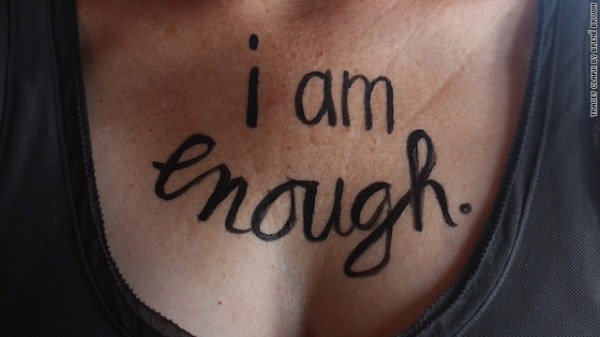
Living in a society that floods us with unattainable expectations around every topic imaginable, from how much we should weigh to how many times a week we should be having sex, putting down the perfection shield is scary. Finding the courage, compassion and connection to move from “What will people think?” to “I am enough,” is not easy. But however afraid we are of change, the question that we must ultimately answer is this:

What’s the greater risk? Letting go of what people think — or letting go of how I feel, what I believe, and who I am?

Go to the source for more: Want to be happy? Stop trying to be perfect – CNN.com

She is soooo on my radar! I’m looking forward to reading one of her books sometime soon…

Timing…

Melody Beattie writes:

Wait until the time is right. It is self-defeating to postpone or procrastinate; it is also self-defeating to act too soon, before the time is right.

Sometimes, we panic and take action out of fear. Sometimes, we take untimely action for revenge or because we want to punish someone. We act or speak too soon as a way to control or force someone to action. Sometimes, we take action too soon to relieve feelings of discomfort or anxiety about how a situation will turn out.

An action taken too soon can be as ineffective as one taken too late. It can backfire and cause more problems than it solves. Usually, when we wait until the time is right – sometimes only a matter of minutes or hours – the discomfort dissolves, and we’re empowered to accomplish what we need to do.

In recovery, we are learning to be effective.

Our answers will come. Our guidance will come. Pray. Trust. Wait. Let go. We are being led. We are being guided.

Today, I will let go of my need to control by waiting until the time is right. When the time is right, I will take action.

Source: Just For Today Meditations » Daily Recovery Readings – November 12, 2012

Self-Compassion: Learning to Be Nicer to Ourselves

“Be gentle first with yourself if you wish to be gentle with others.” ~Lama Yeshe

via Self-Compassion: Learning to Be Nicer to Ourselves | Tiny Buddha.

Small Acts of Love and Compassion Can Change the World

“All great changes are preceded by chaos.” ~Deepak Chopra

via Small Acts of Love and Compassion Can Change the World | Tiny Buddha.

Let Enlightenment Come

The everwise Melody Beattie writes:

Sometimes, the harder we try to see a lesson, the more lost and confused we become. “What does it mean?” we ask, squinting at the problem.

Relax. Let go of your expectations and your interpretations. Quit trying so hard to see.

Sometimes the lesson may be a simple reminder to see the sacred in your ordinary life or to practice compassion for yourself as well as for others. Sometimes what we’re going through is part of a larger lesson, one that may take us years to complete and comprehend. It’s easy to fall into the false belief that there’s some lesson that we have to push and struggle to learn. There isn’t.

We only have to see what we see and know what we know right now.

Sometimes, the harder we try to see a lesson, the more lost and confused we become. “What does it mean?” we ask, squinting at the problem.

Relax. Let go of your expectations and your interpretations. Quit trying so hard to see.

Sometimes the lesson may be a simple reminder to see the sacred in your ordinary life or to practice compassion for yourself as well as for others. Sometimes what we’re going through is part of a larger lesson, one that may take us years to complete and comprehend. It’s easy to fall into the false belief that there’s some lesson that we have to push and struggle to learn. There isn’t.

We only have to see what we see and know what we know right now.

Experience your life.

More shall be revealed when it’s time. Practice seeing without squinting.
God, help me be present to the situations in my life without trying to read too deeply into them. Help me trust that my lessons will become clear when it’s time.” via September 27: Let Enlightenment Come.

Peace with the Past

Melody Beattie writes:

Holding on to the past, either through guilt, longing, denial, or resentment, is a waste of valuable energy – energy that can be used to transform today and tomorrow.

“I used to live in my past,” said one recovering woman. “I was either trying to change it, or I was letting it control me. Usually both.

“I constantly felt guilty about things that had happened. Things I had done; things others had done to me – even though I had made amends for most everything, the guilt ran deep. Everything was somehow my fault. I could never just let it go.

“I held on to anger for years, telling myself it was justified. I was in denial about a lot of things. Sometimes, I’d try to absolutely forget about my past, but I never really stopped and sorted through it; my past was like a dark cloud that followed me around, and I couldn’t shake clear of it. I guess I was scared to let it go, afraid of today, afraid of tomorrow.

I’ve been recovering now for years, and it has taken me almost as many years to gain the proper perspective on my past. I’m learning I can’t forget it; I need to heal from it. I need to feel and let go of any feelings I still have, especially anger.

“I need to stop blaming myself for painful events that took place, and trust that everything has happened on schedule, and truly all is okay. I’ve learned to stop regretting, and to start being grateful.

“When I think about the past, I thank God for the healing and the memory. If something occurs that needs an amend, I make it and am done with it. I’ve learned to look at my past with compassion for myself, trusting that my Higher Power was in control, even then.

“I’ve healed from some of the worst things that happened to me. I’ve made peace with myself about these issues, and I’ve learned that healing from some of these issues has enabled me to help others to heal too. I’m able to see how the worst things helped form my character and developed some of my finer points.

“I’ve even developed gratitude for my failed relationships because they have brought me to who and where I am today.

“What I’ve learned has been acceptance – without guilt, anger, blame, or shame. I’ve even had to learn to accept the years I spent feeling guilty, angry, shameful, and blaming.”

We cannot control the past. But we can transform it by allowing ourselves to heal from it and by accepting it with love for others and ourselves. I know, because that woman is me.

Today, I will begin being grateful for my past. I cannot change what happened, but I can transform the past by owning my power, now, to accept, heal, and learn from it.” via Just For Today Meditations » Blog.

Forget Perfection: Strive Toward Progress

Chris Freytag writes:

I used to be a total perfectionist, but I have had a total change of heart. I’ve learned that it isn’t worth it to be consumed with the little things, or sweat the small stuff as they say. I no longer bicker with my husband or kids about the stupid stuff. I’ve incorporated a progress over perfection philosophy throughout my life—from how I live to what I teach to my fitness followers.

Perfection is unachievable. It often leads to disappointment and it can set you up for failure. Strive for progress, not perfection.

I now call myself a recovering perfectionist and there are so many benefits to letting go of perfection.

You can be less concerned about what others think of you.  I am less worried about what others think about me as long as I’m proud of my behavior. I don’t have to look perfect or act perfect. It is liberating to let go of what other people think. Start to value your own opinion more than anyone else’s. Your confidence will soar when you alone determine how you should feel about you.

Teach your kids progress over perfection. I want my kids to escape the whole perfectionist pursuit, so as long as they are giving their best effort, I am happy. I want my kids to be hard workers and caring citizens, to acknowledge their weaknesses, admit when they are wrong, and strive to be better and improve where they can—progress over perfection.

By letting go of perfectionism, you can stop procrastinating. Fear of making a mistake can keep people stuck. Some people may not even take step one on something they want to accomplish for fear of not doing it flawlessly. Perfection stalls progress. What if you flipped perfection on its head and gave yourself permission that it’s okay to fail miserably, but you are just going to try anyway.  I guarantee if try, you will make progress. Just give it your best and have some compassion for yourself if you aren’t flawless.

Giving up on perfection doesn’t mean you work less hard. I work hard at my job, my family and my relationships; I just don’t expect or need perfection anymore.” via Forget Perfection: Strive Toward Progress.

Start a Blog at WordPress.com.

Up ↑