4 Easy Steps to Deal with Difficult People

“There is a huge amount of freedom that comes to you when you take nothing personally.” ~Don Miguel Ruiz

It seemed like a simple task. Please switch my gym membership from gold to silver level. I’m not cancelling, just switching.

That was now the third time I repeated my request, each time a little more calmly and a little more slowly, despite the beginnings of blood boiling feelings.

The person on the other end of the phone could not have been ruder. It was as if I was asking for a kidney instead of a membership change. A harsh tone and harsher words ensued. Why, I still have no idea.

You have undoubtedly met them. You have maybe been one, once or twice.

Why are some people continually difficult to deal with? What makes Joe easy to get along with and John such a struggle? Here are the major reasons and what can be done about it.” via 4 Easy Steps to Deal with Difficult People | Tiny Buddha.

Imperfection

Mastin Kipp writes:

“We learn from Tony Robbins that everyone’s core fear is that they are not enough, and that because they aren’t enough, they won’t get Love. And LOVE is the oxygen of the Soul.

This much we know already.

But then I thought about what made me successful and what made so many people I know successful and what I love about my favorite characters. And there was always something in common.

The imperfect person overcomes. It boils down to that.

So I had an “ah-ha!” on the phone with my client and I blurted out, “We become successful by admitting we are not perfect, rather than trying to be perfect and thinking that we’re not enough.”

And I think this about sums it up.” via OK, I just had a MAJOR AHA moment! Check it out!.

Success and achievement

English: Maslow's hierarchy of needs. Resized,...

“We fear our highest possibility (as well as our lowest one). We are generally afraid to become that which we can glimpse in our most perfect moments.” Abraham Maslow

In our daily lives, we may dream of success and achievement. We strive and compete in the workplace. We go to meetings and do our part on each Step in the program searching for better lives. When success comes, we are faced with a new problem we could not have expected. It comes as an outcome of some hard work, some good luck, and some help from our friends. It is frightening to have a good thing in our lives and not be in control of it.

We are just as powerless over our successes as we are over the worst of our behaviors. We can only be faithful to our duties and ourselves. The successes, which flow from our work, come and go. Since we can’t nail them down, they may make us feel insecure. Many a man has destroyed his moment of success because he couldn’t stand the powerless feeling. We must return to our program and allow success to rise and fall, as it will.

Today, I turn to my Higher Power for help in accepting success.” via Just For Today Meditations » Daily Recovery Readings – June 28, 2012.

Get Spicy for Better Digestion

See on Scoop.itMy Perspective on Loving, Living, Learning and Laughing

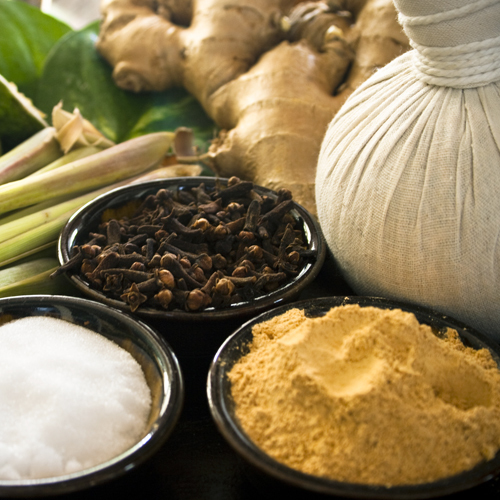
Turmeric has some serious anti-inflammatory power.

See on greatist.com

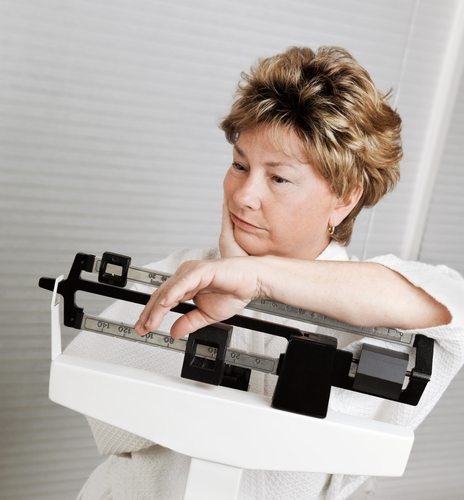
Not Losing Weight? Listen Up!

You’ve been watching what you eat for weeks, but you can’t seem to get the scale to budge.

To rev up your metabolism and get the scale moving in the right direction, you might want to take a better look at what you’re putting in your mouth.

But it’s not all about the food.

Let’s dive in and help you shed those unwanted pounds…shall we?

It’s time to get clean

While we’ve all been told to check the labels, foods that require labels are processed, and processed foods can be poison to a diet plan. While low-fat granola bars and fuel-packed protein bars might have their place in an emergency (like hiking the Appalachian Trail, where there’s not a salad bar in sight), in the real world eating “clean” is the way to go.

That means eating foods as close to their natural state as possible – fresh fruits and veggies, lean meats and healthy fats. Keep the empty calories of processed foods out of the shopping cart. Instead, opt for foods in their natural state and not in a wrapper.

Get Off the Couch

Are you a couch potato, crashing after a day of work with a marathon session of your favorite TV show rather than a walk around the block?

The key to successful weight loss is torching more calories than you take in, so couch potatoes will have a tougher time dropping pounds.That’s not to say you need to channel your inner Arnold Schwarzenegger…hmmm, bad example, to successfully lose weight. You just need to recognize that exercise is a great way to burn extra calories and will help you have a better shot at seeing the numbers on the scale drop.

Take a walk, head to the park for a game of Frisbee or revisit your childhood and tune up that bike so you can hit the road for a burst of cardio your body will appreciate. The biggest perk is that the added activity will likely lead you to try new forms of exercise, and could inspire you to hit the gym to bust some weightlifting moves that will give your metabolism an added boost.

Keep Your Cool

Living on the edge with high stress levels and a constant anxiety can wreak havoc on even the best of diets.

Stress results in a flood of cortisol rushing through your system, an age-old response that began in the cave man era, when our bodies warned us of life-threatening dangers with the flight-or-flight response we now know as stress. The thing is, we now see rush-hour traffic and cranky co-workers in the same way as deadly cougar attacks, and we’re not fleeing the scene to reap the benefits of the response.

Those elevated cortisol levels lead to attacks on muscles, reduced insulin resistance, and the storage of unwanted fat (just in case that cougar blocks our path to the grocery store for a few weeks).

Try to find a little more Zen in your life, through yoga, meditation or massages might do the trick.

Time Your Meals

An effective way to build the healthy eating habit is to time your meals. Predetermined the day before exactly what time you will be eating. Schedule them roughly four hours apart. So for example; 8am, noon, 4pm, and 8pm would be your meal times for the day. This will keep you metabolism running high, blood sugar stable so your body can stay primed for buying stored fat as fuel, and satisfied to stave off any cravings. Prepare meals ahead of time so that you are ready to roll.

Dieting is Outdated

Really what it all comes down to is lifestyle changes — and seeing a healthy lifestyle as a choice that makes living an adventure.

If you eat right, you have the energy to head to the hills for a hike, hop on the mountain bike and tackle that challenging new trail or take the dog for a walk around a bigger block. And that opens the door for the life you want to live, not a life you only have the energy to dream about.

It’s just a matter of making slow, easy-to-manage changes that reflect a new found attention to a healthy way of living, like trading water for soda or a more nutrient-packed veggie place of mashed potatoes.” via Not Losing Weight? Listen Up!.

Normally, I would feel guilty curating something like this, however, in this case I’ve been doing all these things for a couple of months and the results have been amazing. I can testify first hand to what great advice this is…

How To Help A Drunk Driver

Or at least stop it from happening.

via How To Help A Drunk Driver.

Just in case you missed this for 7/2/2012

  1. Maybe you know the drill here, maybe you don’t. Every day I share the best of what I find in my Google Reader that day. It’s amazing to me that even though I pull content from all over the internet, frequently it seems the Universe is acting in concert to emphasize a particular lesson. Today’s lesson? Starting over. Beginning. Letting go. Here’s the best of what I found this morning…
  2. “It’s easy to get lost in endless speculation. So today, release the need to know why things happen as they do. Instead, ask for the insight to recognize what you’re meant to learn.”

    – Caroline Myss

The Healing Power Of Furry Friends

healing power of animals

Anyone who has ever had a pet can vouch for the fact that seeing their loving little eager-to-please faces as you come home can really lift your spirits after a long day.

Even if they do destroy your home, keep you up with their crying all night or leave unwanted presents on your new carpet – you can’t help but love their butter-wouldn’t-melt-in-their-mouth faces!

Therefore, it’s not surprising that studies have confirmed that having a little furry friend does indeed do wonders for your overall happiness. Study researcher Allen McConnell, of Miami University in Ohio, said in a statement.

“We observed evidence that pet owners fared better, both in terms of well-being outcomes and individual differences, than non-owners on several dimensions.

Specifically, pet owners had greater self-esteem, were more physically fit, tended to be less lonely, were more conscientious, were more extroverted, less fearful and less preoccupied than non-owners.”

On a deeper level, having a pet as a companion can also help mend the pain associated with loss, or during periods of loneliness or depression. They force you to care for another life – thus helping to take the focus off your own problems and provide you with unconditional love.

Everyone wants to be loved and needed – pets fulfill this nurturing role. This can be particularly important for middle-aged parents who may be suffering from ‘empty nest syndrome’ after their children have moved out, or for the elderly who are alone and have limited family and friends.

Of course if you’re not an animal person, or you’re having trouble looking after yourself, having an animal will not be for you. However, if you’re in a position to care for a special little friend, getting a pet can be the best remedy for loneliness.

One of our favorite pet stories has to be the story of Faith, a dog born with deformed front legs. However, as a result of her owner’s love and determination, she not only averted the doggy lethal injection, but now also walks on her back legs!

Has your pet helped you get through a difficult time or increased your overall happiness? We’d love to hear your story and how they’ve made a difference in your life, or to someone you know!” via The Healing Power Of Furry Friends.

Blog readers know all about my black cat Boo and how our ‘kitty time’ has changed my life. How about you? Got an animal friend?

Are You Resilient Enough?

Psychology Today Features. Get more here: Are You Resilient Enough?.

“Fighting Well”

“The most important thing in the Olympic Games is not winning but taking part; the essential thing in life is not conquering but fighting well.” Pierre de Coubertin. via Quote: Olympics Spirit and “Fighting Well” | Greatist.comHealth and Fitness Articles, News, and Tips – Greatist.com.

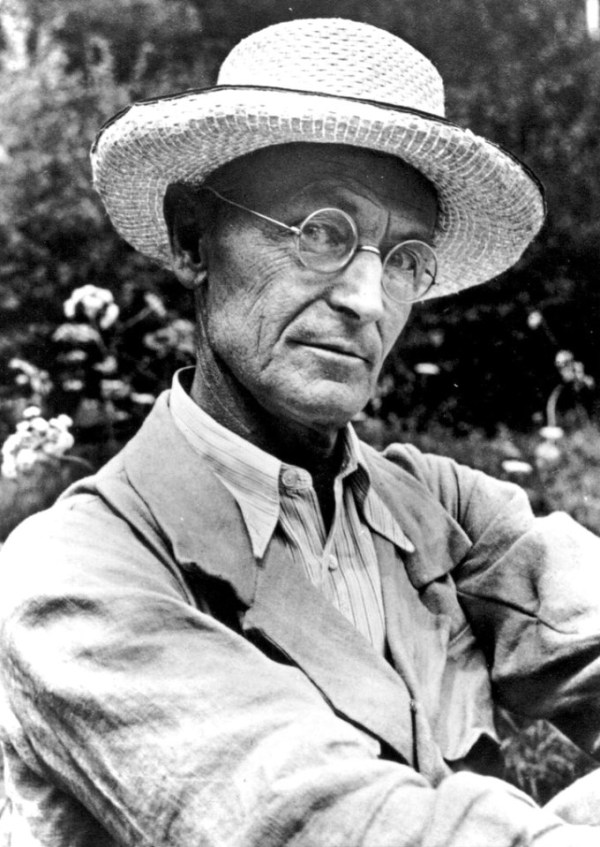
Happy birthday, Hermann Hesse!

I was a German language and literature major in college and went as far as my doctoral studies at University of Illinois before I took a ‘safer’ route. My plan was to become a world famous Hermann Hesse scholar and my dissertation would have explored the relationship between Hesse’s body of work and Hegel’s dialectic but alas. Here is his life in his own words:


I was born in Calw in the Black Forest on July 2, 1877. My father, a Baltic German, came from Estonia; my mother was the daughter of a Swabian and a French Swiss. My father’s father was a doctor, my mother’s father a missionary and Indologist. My father, too, had been a missionary in India for a short while, and my mother had spent several years of her youth in India and had done missionary work there.My childhood in Calw was interrupted by several years of living in Basle (1880-86). My family had been composed of different nationalities; to this was now added the experience of growing up among two different peoples, in two countries with their different dialects.

I spent most of my school years in boarding schools in Wuerttemberg and some time in the theological seminary of the monastery at Maulbronn. I was a good learner, good at Latin though only fair at Greek, but I was not a very manageable boy, and it was only with difficulty that I fitted into the framework of a pietist education that aimed at subduing and breaking the individual personality. From the age of twelve I wanted to be a poet, and since there was no normal or official road, I had a hard time deciding what to do after leaving school. I left the seminary and grammar school, became an apprentice to a mechanic, and at the age of nineteen I worked in book and antique shops in Tübingen and Basle. Late in 1899 a tiny volume of my poems appeared in print, followed by other small publications that remained equally unnoticed, until in 1904 the novel Peter Camenzind, written in Basle and set in Switzerland, had a quick success. I gave up selling books, married a woman from Basle, the mother of my sons, and moved to the country. At that time a rural life, far from the cities and civilization, was my aim. Since then I have always lived in the country, first, until 1912, in Gaienhofen on Lake Constance, later near Bern, and finally in Montagnola near Lugano, where I am still living.

Soon after I settled in Switzerland in 1912, the First World War broke out, and each year brought me more and more into conflict with German nationalism; ever since my first shy protests against mass suggestion and violence I have been exposed to continuous attacks and floods of abusive letters from Germany. The hatred of the official Germany, culminating under Hitler, was compensated for by the following I won among the young generation that thought in international and pacifist terms, by the friendship of Romain Rolland, which lasted until his death, as well as by the sympathy of men who thought like me even in countries as remote as India and Japan. In Germany I have been acknowledged again since the fall of Hitler, but my works, partly suppressed by the Nazis and partly destroyed by the war; have not yet been republished there.

In 1923, I resigned German and acquired Swiss citizenship. After the dissolution of my first marriage I lived alone for many years, then I married again. Faithful friends have put a house in Montagnola at my disposal.

Until 1914 I loved to travel; I often went to Italy and once spent a few months in India. Since then I have almost entirely abandoned travelling, and I have not been outside of Switzerland for over ten years.

I survived the years of the Hitler regime and the Second World War through the eleven years of work that I spent on the Glasperlenspiel (1943) [Magister Ludi], a novel in two volumes. Since the completion of that long book, an eye disease and increasing sicknesses of old age have prevented me from engaging in larger projects.

Of the Western philosophers, I have been influenced most by Plato, Spinoza, Schopenhauer, and Nietzsche as well as the historian Jacob Burckhardt. But they did not influence me as much as Indian and, later, Chinese philosophy. I have always been on familiar and friendly terms with the fine arts, but my relationship to music has been more intimate and fruitful. It is found in most of my writings. My most characteristic books in my view are the poems (collected edition, Zürich, 1942), the stories Knulp (1915), Demian (1919), Siddhartha (1922), Der Steppenwolf (1927) [Steppenwolf], Narziss und Goldmund. (1930), Die Morgenlandfahrt (1932) [The Journey to the East], and Das Glasperlenspiel (1943) [Magister Ludi]. The volume Gedenkblätter (1937, enlarged ed. 1962) [Reminiscences] contains a good many autobiographical things. My essays on political topics have recently been published in Zürich under the title Krieg und Frieden (1946) [War and Peace].

I ask you, gentlemen, to be contented with this very sketchy outline; the state of my health does not permit me to be more comprehensive.” via nobelprize.org

Happy birthday, Hermann! You made a profound impact on my life through your body of work…

Related articles

Starting over again…
Melody Beattie writes:

Divorce. Breaking up. Moving. A new job. Getting sober. Stopping using or abusing drugs. Discovering we’re codependent, and redefining ourselves, our relationships (including our relationship with ourselves) and our behaviors. Finding out we have a chronic illness, and we need to center our lives around it. Empty nest syndrome (yes, it’s real).

We wake up in the morning and before we go to bed that night, our lives have been irrevocably changed. They’ll never be the same again.

Sometimes we lose it all (or almost all of it) all at once. A friend from many years back woke up one morning. That day, he discovered that his wife of 15 years had been cheating on him from day
one; that neither the son nor his daughter he thought belonged to him were his; and that day, his business went belly-up.

Some people may call it “reorganization.” Others name it a “new beginning.” Most of the time I hear it described like this: “Sigh. I’m starting all over. Again.”

I hate it, at least in the beginning. We’re walking in the dark and living in the mystery. We don’t have a clue about what’s next. Sometimes we may wonder if we’re dying – the transformation feels that profound. Usually the person isn’t dying – not in the physical sense. But the changes taking place can be so profound that the experience feels similar to a death.

Times it feels like our heart has been broken. If we tell people that, they may look at us like we’re overplaying the drama queen role, but recently Mayo Clinic identified “Broken Heart Syndrome” as a legitimate physical illness. A broken heart, which can be caused by the loss of a loved one or an overload of stress, shows itself with symptoms similar to those of a real heart attack. These symptoms may include heart pain that worsens with each heartbeat; difficulty breathing or shortness of breath; and nausea or vomiting.

I went out to do errands. Around lunch-time, I decided to find someplace to eat. I had driven out of my usual neighborhoods and didn’t recognize the mall I pulled into, at least not at first. Then I saw it – the restaurant where we celebrated my son, Shane’s last birthday – the one two days before the date of his death.

The pain hit hard and fast – right in my chest. I felt paralyzed. My hands gripped the steering wheel. I couldn’t move them to rummage around in my purse and find my cell phone. Movement of any kind hurt too much. I couldn’t even roll down my window and yell, “Help.” I’d rate the pain as a ten on the pain scale from one to ten.

For just over one hour I sat in the same position, leaning forward, clutching the steering wheel, stopped in my tracks by this pain in my heart. Then slowly the debilitating pain began to subside. I
didn’t get out of the car; I went home instead. A week later I went to my doctor. (This was before the identification of Broken Heart Syndrome as an actual physical illness.) The doctors made me stay overnight.

The diagnosis? “It’s the strangest thing,” the doctors said. “For all purposes, it looks like you had a myocardial infarction (heart attack). But then, it also doesn’t appear as though you actually suffered from a heart attack. It left the doctors scratching their heads but I’d known from the minute – the second – the nurse at the Emergency Room asked me if I had someone I could call after Shane’s
accident that his death had broken my heart.

Don’t rely on self-diagnosis. If your heart hurts, get a checkup.

Then, when your body stabilizes – which it will – you can get on with the business of Starting Over Again (SOA). One idea that may be helpful: although it feels like you’re starting over again, is remembering you’re not really starting over. Life is a continuum. You’re either jolted or sliding into the next experience. You’re moving on.

Here are a few tips for those of you in that uncomfortable place of SOA when you thought the last time you started over would be the last, only to find yourself SOA.

  1. Let yourself grieve your loss or losses. You don’t need to be so stoic. Give yourself room to be human. What you’re going through may be extremely difficult and it may hurt. But you will get through it.
  2. Remind yourself that what you’re going through won’t last forever. If you have to leave post-it notes around the house, then do it. Remember other times you’ve started over, and how you got through those experiences? Draw on what you learned, including that you did survive that devastating time.
  3. Give yourself time to cocoon. No, you’re not isolating. You’re resting, giving your body a chance to adapt to this sudden change.
  4. Tell your story as often as you need to, and tell it to people who will listen and care. While some people may accuse us of obsessiveness, telling our story over and over is an important way we integrate the unthinkable into our life story.
  5. Set goals. In the beginning, start by writing a list of what you want or need to accomplish just that day. Take life in small chunks. After some time passes, begin writing goal lists that go further into the future. For now, while you’re in shock, a list for today is enough.
  6. Be kind to yourself. There may be days when all you accomplish is getting out of bed and taking a shower. Instead of focusing on how little you did, tell yourself you did great – because you did.
  7. Slowly, as new people and interests come into your life, be willing to say “yes” to opportunities. I never fail to be amazed at how either a person or an interest that I think is just a “time killer” slowly becomes a major part of my new life.
  8. If you need help, ask.
  9. If you need to cry or get angry, cry or get angry. You may even be furious with your Higher Power. That’s okay. You’ll work it out further down the road.
  10. Know there is no one right way to start over. We have tools, not rules. Now is the time to dig into your toolbox and use what you’ve been given: living in the present moment; prayer; meditation; exercise (when your body can handle it); detachment (which involves feeling all your emotions); and sometimes Acting As If. Know that if the emotions become too intense, you can shut them down for a while without going into denial. Something as simple as taking a shower, going into another room, or going to the grocery store can help you stop falling deeper into what may feel like a bottomless pit of pain.

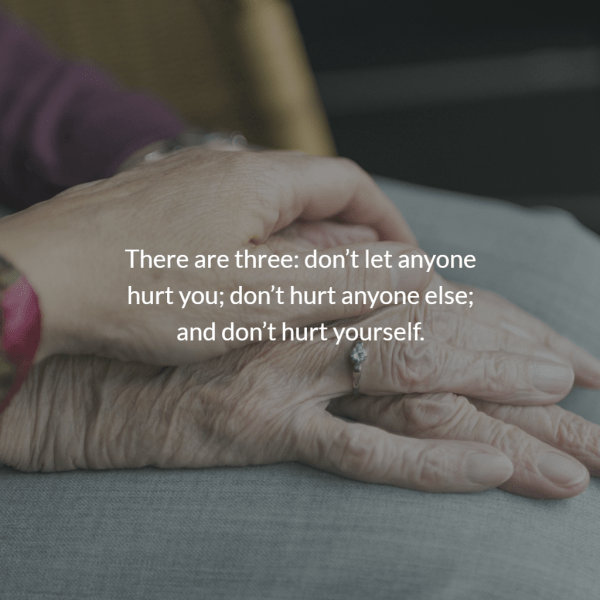
Although I said there aren’t any rules, I lied. There are three: don’t let anyone hurt you; don’t hurt anyone else; and don’t hurt yourself.

You will get through this – I promise. It might not happen as quickly as you want it to or it may happen so quickly it surprises you. But one morning you’ll wake up and find yourself living in a new normal instead of waking up to a blast of pain from what you’ve lost. Instead, your new life will be there, fully formed. You’ll be living it.

You’ve done it. You started over again, whether you wanted to or not. Now the next time you need to start over, you’ll be more prepared.

From the Desk of Melody Beattie

Related articles

There is a way through everything


Melody Beattie writes:

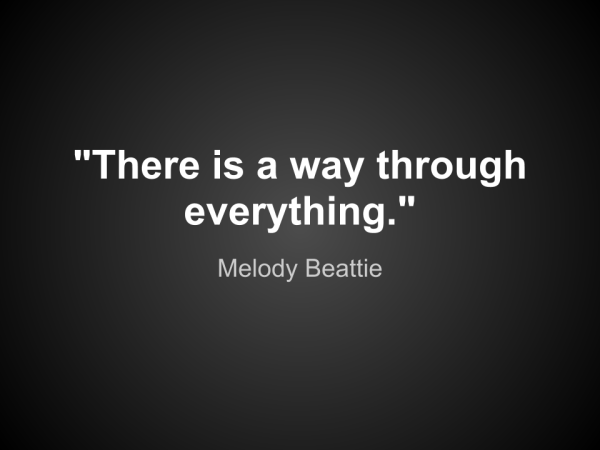
There is a way through everything.

Action: Ask for guidance. Then wait patiently and calmly. Be open to the answer coming in many shapes and forms. A friend may call. You may get an idea. There is so much power in asking, because asking the question opens our heart to the answer. Don’t overlook the simple steps. There is a lot of power in simple solutions. Discover what feels right to you. Sometimes the silliest solution – a smile, a willing attitude  will move mountains.” via July 2 | Language of Letting Go.

How to Create Healthy Boundaries

“An intimate relationship is one in which neither party silences, sacrifices, or betrays the self and each party expresses strength and vulnerability, weakness and competence in a balanced way.” Harriet Lerner

Setting boundaries is essential if we want to be both physically and emotionally healthy.

Creating healthy boundaries is empowering. By recognizing the need to set and enforce limits, you protect your self-esteem, maintain self-respect, and enjoy healthy relationships.

Unhealthy boundaries cause emotional pain that can lead to dependency, depression, anxiety, and even stress-induced physical illness. A lack of boundaries is like leaving the door to your home unlocked: anyone, including unwelcome guests, can enter at will. On the other hand, having too rigid boundaries can lead to isolation, like living in a locked-up castle surrounded by a mote. No one can get in, and you can’t get out.

What Are Boundaries?

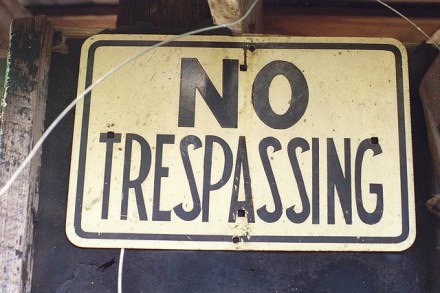
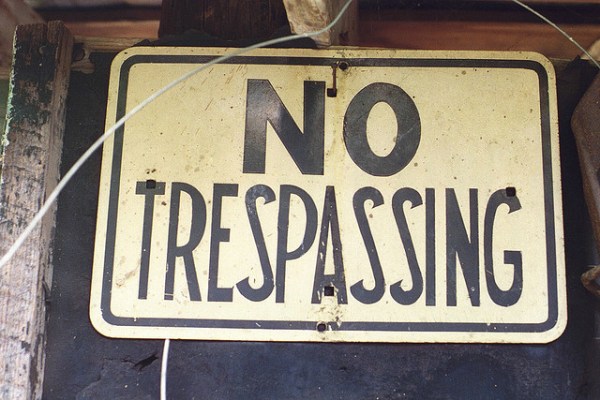
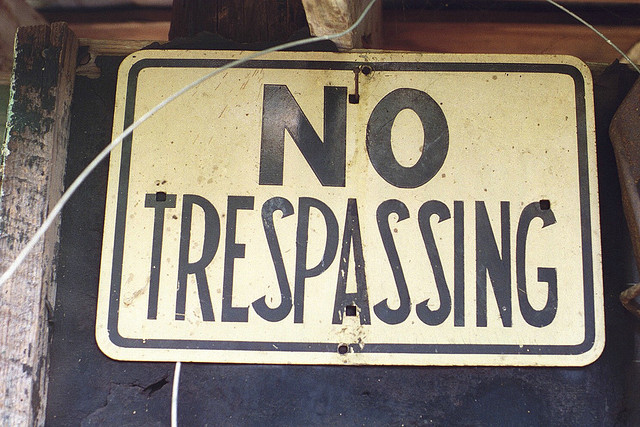
The easiest way to think about a boundary is a property line. We have all seen “No Trespassing” signs, which send a clear message that if you violate that boundary, there will be a consequence. This type of boundary is easy to picture and understand because you can see the sign and the border it protects. Personal boundaries can be harder to define because the lines are invisible, can change, and are unique to each individual.

Personal boundaries, just like the “No Trespassing” sign, define where you end and others begin and are determined by the amount of physical and emotional space you allow between yourself and others. Personal boundaries help you decide what types of communication, behavior, and interaction are acceptable.” Get more here: How to Create Healthy Boundaries « Positively Positive.

Into Orbit

Melody Beattie writes:

“It doesn’t matter if they’re hurting themselves. It doesn’t matter that we could help them if they’d only listen to, and cooperate with, us. IT DOESN’T MATTER, DOESN’T MATTER, DOESN’T MATTER, DOESN’T MATTER.” Codependent No More

I think I can change him. Nobody’s ever really loved him and appreciated him before. I’ll be the one to do that, and then he’ll change.. .. She’s never been with anybody trust­worthy before. I’ll prove how trustworthy I am, and then she’ll be able to love. . . . Nobody’s been able to get to her, to conquer her, before. I’ll be the one to do that … Nobody’s ever really given him a chance. . . . Nobody’s ever really believed in him before….

These are warning signs. Red lights. Red flags. In fact, if we’re thinking these thoughts, they need to be stop signs.

If we have gotten hooked into believing that somehow we will be the one who will make the difference in someone’s life, if we are trying to prove how good we can be for some­one, we may be in trouble.

This is a game. A deception. It won’t work. It’ll make us crazy. We can trust that. We’re not seeing things clearly. Something’s going on with us.

It will be self-defeating.

We may be “the one” all right — the one to wind up victimized.

The whole thought pattern reeks of codependency, of not being responsible for oneself, and of victimization. Each per­son needs to do his or her own work.

Nobody in the past has really understood him…. Nobody has seen what I see in her…. It’s a set-up. It sets us up to stop paying attention to ourselves while we focus too much on the other person. It takes us away from our path and often puts us in orbit.

Nobody has appreciated him enough…. Nobody has been good enough to her, or done for her what I can do…. It’s a rescue. It’s a game move, a game we don’t have to play. We don’t have to prove were the one. If we’re out to show people we’re the best thing that ever happened to them, it may be time to see if they’re the best thing that ever happened to us.

We have not been appointed as guardian angel, god­mother, godfather, or “the one who will.”

The help, support, and encouragement that truly benefits others and ourselves emerges naturally. Let it.

God, help me let go of my need to meet dysfunctional challenges in my relationships.” via June 29: Into Orbit.

Six month questions

Jon Swanson writes:

Sunday is July 1. The year is half over. This weekend, then, is a time to review the last 6 months, to check our goals or 3 words, to see if we are making progress.

Here are a bunch of questions to help in that review. But as you look at these questions, you will realize that progress isn’t always related to goals. Sometimes new things happen. Sometimes things change. Sometimes just keeping up with the basics (eating, breathing) is making progress.

Life change is its own set of goals…

  • Did a relationship end? start?
  • Did a family member die?
  • Did a child join the family? struggle? graduate?
  • Did a job change?
  • Did you keep doing the daily work?

Expression

  • Did you write an unplanned poem? a letter? a thank you note? a blog post? a song? a script?
  • Did you read a book? many books?

At least once…

  • Did you say no to an addiction? Can you do it again?
  • Did you change a habit?
  • Did you give someone flowers?
  • Did you choose to stay quiet?
  • Did you wrestle with a major question?
  • Did you apologize?
  • Did you say thank you?
  • Did you keep Sabbath?
  • Did you find solitude?
  • Did you forgive someone?

Looking at things as a farmer would (with thanks to Becky)….

  • Are you ripping out the old plants?
  • Are you between crops?
  • Are you planting?
  • Are you weeding?
  • Are you watering and waiting?
  • Are you harvesting?

Questions for thinking.

  • Did you complete one of last year’s goals? (right goal, wrong year)
  • Did you come back?
  • Did you step out?
  • Did you cry out for help?
  • Did you step back?
  • Did you let go?

Sounding formal…

  • How did you build capacity? Yours? someone else’s? your organization?
  • How have you developed infrastructure?
  • Are you looking forward to the next half of the year?
  • How did a goal change?
  • How did a new goal emerge?
  • Did you realize that your goals weren’t small enough? big enough?

via Six month questions..

Scoop by Scoop: How Frozen Desserts Stack Up

Health and Fitness Articles, News, and Tips – Greatist.com via Scoop by Scoop: How Frozen Desserts Stack Up.

The Top 10 Habits of Grateful People

“‘Gratitude is the fairest blossom which springs from the soul.” — Henry Ward Beecher.

It is no secret that gratefulness is correlated with life satisfaction and happiness. Countless research findings, particularly in the rapidly emerging field of Positive Psychology, have shown that gratefulness and life satisfaction go hand in hand.  Those who tend to be more grateful rather than bitter are generally more positive, more satisfied with their lives, and will be able to see the silver lining even on cloudy days.Despite this intuitive understanding of the importance of gratefulness, all too often when life throws us curve balls, this grateful mindset all but disappears. It certainly is easier to be grateful when you are on a winning team and things go in your favor. However, the true test of resiliency and gratefulness is when life does not go your way. If you find yourself losing more than you are winning, and can’t seem to get over past regrets, disappointments and life’s injustices, gratefulness is overturned by a sense of injustice. Experiencing loss, frustration and even trauma, especially if we feel blindsided, certainly can make it difficult not to indulge in negative feelings.  After all, we might wonder, when things go wrong what really do we have to be grateful about? No matter what happens to us, if we “dig deep” we often can find that there is really plenty to be thankful for in our lives. The following are the 10 top habits of people who remain steadfast in their ability to be grateful, and can temper the blows life gives them with an unwavering “attitude of gratitude” mindset: The Top 10 Habits of Grateful People…Even In Tough Times.

Listen Up! Your Body Has Something To Tell You This Weekend…

Listen to your body

The weekend is almost here, the finish line is waiting for you… you can do it!

If you’re crossing the line feeling a little worse for wear and carrying the load of the week on your back – your mind and body are probably calling out for some well-deserved rest…..however you have other plans.

There’s that amazing party tonight, spin class tomorrow morning, followed by lunch with friends, shopping, some work in the afternoon, drinks in the evening, your nieces birthday on Sunday and then dinner at your parent’s house. You’re exhausted just thinking about it, but it’s nothing that a bit of coffee and concealer can’t fix, right?

But then the next week comes and follows a similar pattern and the coffee and concealer aren’t doing the job and you feel a cold coming on. Sound familiar?

Why don’t we listen to our body when it’s telling us to slow down? We often think we can trick it into thinking we’re fine, but the truth is your mind and body are connected, so any stress felt in your mind, will also be felt in your body and vise versa.

So this weekend, if you feel your mind and body are begging for some respite, listen to what their synchronized little voices are saying! Even if you can only squeeze in an hour or two – your body will thank you for it!

Here’s a few of our favorite ways to give our mind and bodies a little lovin’:

  • Cancel any early morning classes or activities – wake up naturally, then treat yourself to breakfast in bed and snuggle up with a book. Don’t entertain any feelings of guilt for not going to that spin class!
  • Get in touch with nature – go for a walk in your favorite park or if you can, escape to the countryside or to the beach for a few hours. It’s amazing how quickly the cares of the week float away after a hike or when watching a sunset and becoming mesmerized by its beauty. Not only is this good therapy for the mind and body, it’s these precious moments where some of the best dreams or plans are born.
  • Avoid emotionally draining or negative people. Perhaps you have plans with a friend or family member who has a tendency to complain about their life in great detail every time you meet. After two coffees and a piece of cake with them, you end up leaving feeling deflated and heavy – and that’s not from the post sugar and caffeine come down either! Cancel your plans with them and stay at home and make yourself a cake instead!
  • Eat well and laugh with someone you love. Go to your favorite local restaurant with someone special and spend the afternoon putting the world to rights, eat some good food and most importantly, laugh!

What are your best ways to unwind? Tell us what sends you to your happy place!” via Listen Up! Your Body Has Something To Tell You This Weekend….

The Gift of Readiness

Melody Beattie is one of America's most beloved self-help authors and a household name in addiction and recovery circles. Her international bestselling book, Codependent No More, introduced the world to the term "codependency" in 1986. Millions of readers have trusted Melody's words of wisdom and guidance because she knows firsthand what they're going through. In her lifetime, she has survived abandonment, kidnapping, sexual abuse, drug and alcohol addiction, divorce, and the death of a child. "Beattie understands being overboard, which helps her throw bestselling lifelines to those still adrift," said Time Magazine.Melody Beattie writes:

“Were entirely ready to have God remove all these defects of character.” Step Six of Al-Anon.

We progress to the Sixth Step by working diligently, to the best of our ability, on the first five Steps. This work readies us for a change of heart, an openness to becoming changed by a Power greater than ourselves — God.

The path to this willingness can be long and hard. Many of us have to struggle with a behavior or feeling before we become ready to let it go. We need to see, over and over again, that the coping device that once protected us is no longer useful.

The defects of character referred to in Step Six are old sur­vival behaviors that once helped us cope with people, life, and ourselves. But now they are getting in our way, and it is time to be willing to have them removed.

Trust in this time. Trust that you are being readied to let go of that which is no longer useful. Trust that a change of heart is being worked out in you.

God, help me become ready to let go of my defects of character. Help me know, in my mind and soul, that I am ready to let go of my self-defeating behaviors, the blocks and barriers to my life.” via June 28: The Gift of Readiness.

How Soda Is Making You Fat

Want one reason for your beer belly? How about 100 quintillion? That’s about how many bacteria live in your gut. And scientists now believe these bacteria can have a significant impact on your weight.

Consuming high amounts of fructose (a type of sugar), artificial sweeteners, and sugar alcohols (another type of low-calorie sweetener) cause your gut bacteria to adapt in a way that interferes with your satiety signals and metabolism, according to a new paper in Obesity Reviews. (If you’ve noticed you’ve been feeling tired all the time and gaining weight, your metabolism may be slowing. Check out this plan to rev up your body’s fat-burning machine in 8 weeks!)

“An evolution of the gut flora to this new sweetener-rich environment has a potential to negatively impact our health,” says Amanda Payne, Ph.D., lead author of the review.” via How Soda Is Making You Fat | Men’s Health News.

Glad I stopped drinking soda awhile ago — otherwise, I’d have to quit RIGHT NOW!!!

Start a Blog at WordPress.com.

Up ↑