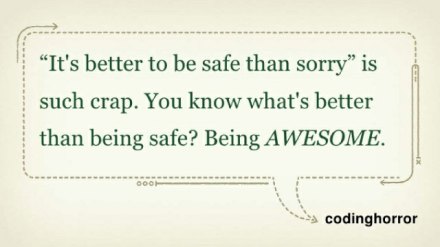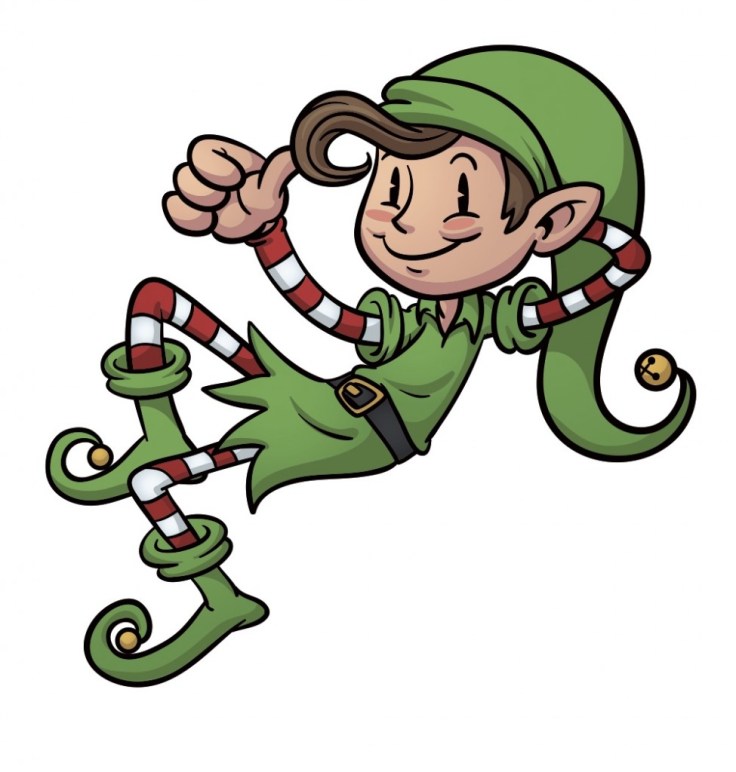
Where do addictions come from? “Elf Esteem”!


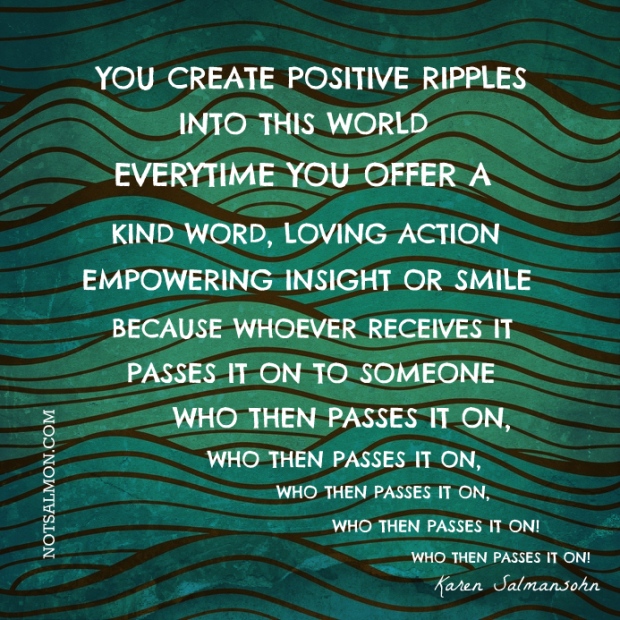
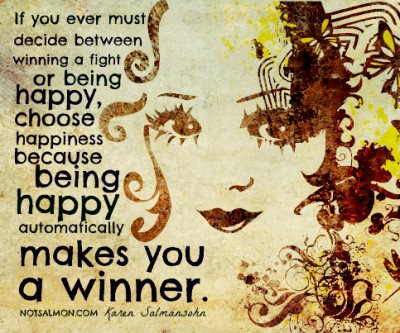
Karen Salmansohn shares a cute, but powerful, perspective that I wanted to share with you this morning:

Self sabotaging behavior often is a sign of low self esteem.

Or I guess that would be “elf esteem,” because it’s low esteem.

Okay, about as low as this joke! Although addictions are no joke. I am however a big believer if we can laugh at ourselves, we can loosen our ego’s grasp on tightly held beliefs, and we’re more open to change.

I’d like to help you loosen your ego’s grasp on maintaining addictions, and change over to more healthful behavior.

How?

If you want to break an addiction, you must heighten your low “elf-esteem” to high self esteem.

Interestingly, in studies on happiness the happiest people are those with high self esteem.

And just as interestingly, the happiest people are reported to be those who do consistent acts of altruism.

There’s a do-good-feel-good-do-good-feel-good cause and effect.

My belief: the more good you do for others, the more you raise your self esteem, and the better you feel about yourself, and so the more you want to do good, and on and on the upward cycle goes.

Ironically, the more you do your addiction, the worst you feel about yourself, and the lower your elf esteem, then the more you seek your addiction, which further lowers your elf esteem, and downward do you go.

In other words, you create a do-bad-feel-bad-do-bad-feel-bad cause and effect.

YOUR ASSIGNMENT: If you have a bad habit you’re trying to break, start by doing more positive habits: donate time in an old age home or read to the blind. Of course “elf esteem” also comes from deeper subconscious forces that you need to delve into as well – and I suggest you do some delving.  But it’s a good jump start to loving yourself more if you start to do more good in the world – so you can feel what a powerful spirit you can be – thereby you start to believe more in the awesome goodness inside you!

And keep in mind the words of Abraham Lincoln: “Most people are about as happy as they make up their minds to be.”

Aren’t you worthy of happiness?” via Where do addictions come from? “Elf Esteem”! Karen Salmansohn.

We take care of what we value. Value your self…
 

Being Fit Without Letting Food and Exercise Control You

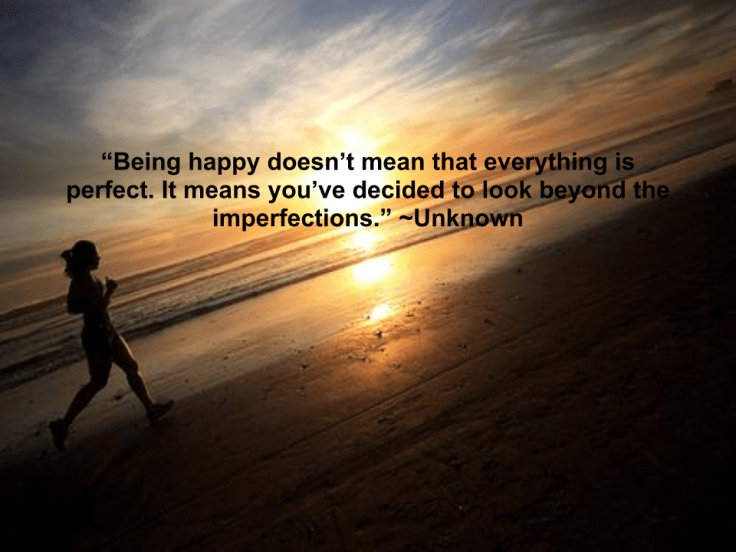
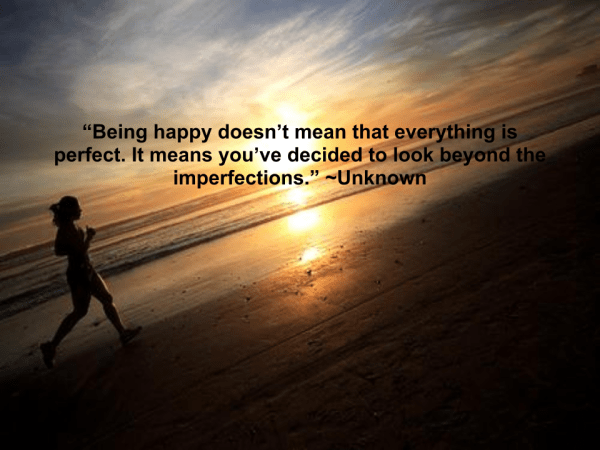
“Being happy doesn’t mean that everything is perfect. It means you’ve decided to look beyond the imperfections.” ~Unknown

Get the rest here: Being Fit Without Letting Food and Exercise Control You | Tiny Buddha.

Open Your Mind… or you may miss something

Open Mind (album)

Kristin Barton Cuthriell writes:

Often, people come into counseling because something in their lives is not working for them. They may be depressed. They may have anxiety. Their marriage may be falling apart. Maybe they have been grieving old wounds for years, and they just can’t find joy in life. Teenagers may be rebelling. People feel stuck in dead-end jobs. Addictions are impacting the family. People have lost the ability to let life in.

People want help. They want to feel better. Some, come in with an open mind and are ready to look at things in new ways; do things in new ways. They are ready to change. Others, however, resist change, no matter how bad they feel. They continue to do the same thing over and over again, bringing them the same undesirable results.

We are creatures of habit. We often resist change and stay with the status quo no matter how miserable we feel. We avoid doing something different.

We must stop and think about what we are doing. We must ask ourselves if what we are doing is working for us. We need to remember that if we always do what we have always done, we will always get what we have always gotten.

Let go of always being right.

Let go of thinking that there is only one way to do something.

If it is not working for you, try something different.

Be open to suggestions.

Open your mind… or you may miss something.” via Open Your Mind… or you may miss something.

One of the tools I use to keep my mind open is this quote: Nietszche said “You have your way. I have my way. As for the right way, the correct way, and the only way, it does not exist.” I agree with Kristin! Let go of always being right — it’s a terrible burden to bear and you’ll feel much better when you put it down… :-D

Saying thanks

Melody Beattie writes:

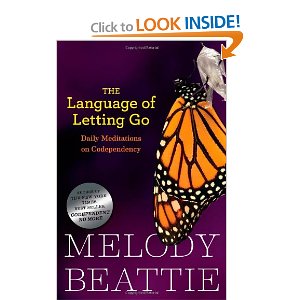
“We learn the magical lesson that making the most of what we have turns it into more.” Codependent No More

Say thank you, until we mean it.

Thank God, life, and the universe for everyone and everything sent your way.

Gratitude unlocks the fullness of life. It turns what we have into enough, and more. It turns denial into acceptance, chaos to order, and confusion to clarity. It can turn a meal into a feast, a house into a home, a stranger into a friend. It turns problems into gifts, failures into successes, the unexpected into perfect timing, and mistakes into important events. It can turn an existence into a real life, and disconnected situations into important and beneficial lessons. Gratitude makes sense of our past, brings peace for today, and creates a vision for tomorrow.

Gratitude makes things right.

Gratitude turns negative energy into positive energy. There is no situation or circumstance so small or large that it is not susceptible to gratitude’s power. We can start with whom we are and what we have today, apply gratitude, then let it work its magic.

Say thank you, until you mean it. if you say it long enough, you will believe it.

Today, I will shine the transforming light of gratitude on all the circumstances of my life.” via Just For Today Meditations » Blog.

Limit Screen Time, Limit Sitting

Leo Babauta writes:

One of the hazards of our modern lifestyle is our tendency to become more and more addicted to staring at screens, and more and more sedentary.

We look at laptops and desktop computers, iPhones and Androids and iPads and iPods, TVs and movie screens, play video games, watch videos, surf the web, socialize online, work online. And we’re sitting the whole time.

I’m a victim of this as much as anyone else. My family and I are drifting toward this lifestyle, and while I’m no Luddite, I do believe that we should live less as victims and more consciously.

Too much screen time means less active time, less personal socializing, less focus on the present, less time for cooking healthy food, less time reading novels, painting, making music, making time for the ones you love. And too much sitting means fewer years on your life.

So what’s a better way?

Limits.

Limit how much screen time you have each day. Limit your sitting to short periods with breaks in between.

I realize that many people have jobs that require them to have a minimum amount of computer time, and probably mostly sitting. So I don’t recommend a certain number, only that you figure out a limit and work with that.

What I’ve Been Doing

Though I’ve set limits for myself in the past, I’ll admit that they’ve eroded in recent months, so that my screen time has grown over time. And not just for me — for my wife and kids. So recently Eva and I set limits for ourselves, and we’ve been working with them.

We find them to be great. I find daily limits to be a better balance than going on week-long or month-long digital sabbaticals, which aren’t realistic for many people.

Here’s an example:

  • We set a limit of either 4 or 5 hours of total screen time a day. (We haven’t figured out what’s best yet, still experimenting.)
  • That total is broken into 30-minute chunks. So if it’s 5 hours total, that’s 10 chunks of 30 minutes.
  • At the start of a 30-minute chunk, I set a computer timer and put a tally mark on a text document, so I know how many chunks I’ve used today. When the bell rings, I close my laptop.
  • After the 30-minute chunk, I take a break of at least 30 minutes. I try to get up and move, stretch, play with the kids, get outside. I also often read a novel. The moving is good for my body, and helps me to think.
  • If I have things I want to look up online, or write online, I’ll just make a note of it and do it when I start my next 30-minute chunk.

This isn’t the only way to do it — you’ll have to find the limit that works for you, and the chunk size that works for you. But the idea is to set limits, and to break the total up into pieces so you’ll take breaks and do other things.

Benefits of the Limits

We’ve loved it: we’re reading more books, spending more personal time with each other and the kids, getting more chores done, exercising more, playing outside more.

It also means that because we have a limit, we have to figure out the best way to use that time. We have to make choices — what’s worthy of our limited time, and what isn’t? This means more conscious use of our time.

We haven’t instituted the limits with the kids yet, though we have been talking to them about it and getting them thinking about what would work best for them. And we do tell them to take breaks from devices throughout the day, so they’ll do other things.

For the kids, this has meant they have more unstructured, imaginative play, more reading, more art and music, more activity. Kids get addicted to screens just as much as adults do, and it’s not a healthy thing for them. We’re trying to teach them ways to live a healthy lifestyle, which is a lesson with lifelong benefits.

We’ve found this lifestyle to be healthier, better for relationships, better for our peace of mind. And to me, that means it’s something work keeping.

More reading:

via Limit Screen Time, Limit Sitting.

Can Posters Work As Pattern Interrupts In Changing Moods?

I curate a lot of Karen Salmansohn‘s ‘posters‘ on my blog — well over 100 at this point. Her she writes about posters as ‘pattern interrupts‘:

About two years ago, I gave birth to a baby boy. Shortly after, I found myself experiencing trouble giving birth to writing a book. I began believing in that much talked-about “mommy brain.”

Thankfully, I’ve always loved design. Being the positive problem solver that I am, I started experimenting with designing inspiring posters. It seems the “designer” part of my brain was not fogged by newbie mommyhood. (Perhaps this is a topic for yet another essay – where I explore the interesting workings of the right versus left brain! I know in the book My Stroke of Insight, the author said she found it easier to write in a journal rather than by computer when she was on her way to recovery. But I digress!)

I began calling my daily posters I was writing and designing my “Daily Inspirational Flashcards” – because their goal was to quickly remind people of positive psychological beliefs and productive habits which lead to the happiest life. Soon, my “Inspirational Flashcards” began to go viral – with thousands – then hundreds of thousands – then even millions of shares for a single poster. I began receiving hundreds of emails from people – thanking me – explaining that my daily “Inspirational Flashcards” were truly helping them battle depressed emotional states – even when it came to dealing with majorly challenging issues like a bipolar disorder or a loved one’s death.” Read the rest of the article here: Can Posters Work As Pattern Interrupts In Changing Moods? | Psychology Today.

I love Karen’s work [duh! Why else would I curate it so much?]. My friend and mentor RJ always says ‘never confuse the artist with the art’ but in this case, the artist is the art and it’s all beautiful. To answer the original question there have been many times when Karen’s posters have interrupted my mood in a good way hence the reason I share them so much…

The Grass Is Greener Somewhere Else . . . NOT!

Tony Meindl shares some great insight here:

The grass is greener syndrome.

If you suffer from it, it’s yet another way of postponing your life. Putting the things you desire on the back burner. When we covet another person’s journey, we think if only we had what they had, our life would be more fun. Or more exciting. Or more magical.

Your life already is magical.

We’re just not awake to it, so it feels as if we’re moving around in a monochromatic haze while everyone else seems to be living in Technicolor.

That’s the illusion.

The truth is that your grass is very green. It’s lush and tropical and exotic and fertile and full of possibilities. But it requires you to fully embrace it. All of it. Even the stuff you don’t like, because actually, that’s the stuff that becomes the catalyst for change.

That stuff is your grass’s fertilizer. It’s the essential stuff needed for your growth and expansion. And it holds the potential to unlock the doors you’ve shut to the things you’re seeking:  your joy, your passion, your peace of mind, your self-acceptance.

We can never get to where we’d like to be except by starting in the place we’re currently residing – emotionally, psychologically, spiritually. There’s no escaping you.

Wherever you are, there you are.

We can move to another city, or get another girlfriend or change jobs, but the common denominator in all these experiences is you.

So if you don’t like where you are, then change who you are. But don’t think that being somewhere else, or having a different lover or having a career like someone else is the answer.

The transformation occurs from the inside out. Not the outside in.

Start with your stuff. And watch how green your grass will grow.

Source: The Grass Is Greener Somewhere Else . . . NOT!

I’ve always heard that the grass is greener where you water it! Take care of your own lawn today…

Top Ten Rules for Being Human

Mastin Kipp writes:

Rule One – You will receive a body. Whether you love it or hate it, it’s yours for life, so accept it. What counts is what’s inside.

Rule Two – You will be presented with lessons. Life is a constant learning experience, which every day provides opportunities for you to learn more. These lessons are specific to you, and learning them ‘is the key to discovering and fulfilling the meaning and relevance of your own life’.

Rule Three – There are no mistakes, only lessons. Your development towards wisdom is a process of experimentation, trial and error, so it’s inevitable things will not always go to plan or turn out how you’d want. Compassion is the remedy for harsh judgment – of ourselves and others. Forgiveness is not only divine – it’s also ‘the act of erasing an emotional debt’. Behaving ethically, with integrity, and with humour – especially the ability to laugh at yourself and your own mishaps – are central to the perspective that ‘mistakes’ are simply lessons we must learn.

Rule Four – The lesson is repeated until learned. Lessons repeat until learned. What manifest as problems and challenges, irritations and frustrations are more lessons – they will repeat until you see them as such and learn from them. Your own awareness and your ability to change are requisites of executing this rule. Also fundamental is the acceptance that you are not a victim of fate or circumstance – ‘causality’ must be acknowledged; that is to say: things happen to you because of how you are and what you do. To blame anyone or anything else for your misfortunes is an escape and a denial; you yourself are responsible for you, and what happens to you. Patience is required – change doesn’t happen overnight, so give change time to happen.

Rule Five – Learning does not end. While you are alive there are always lessons to be learned. Surrender to the ‘rhythm of life’, don’t struggle against it. Commit to the process of constant learning and change – be humble enough to always acknowledge your own weaknesses, and be flexible enough to adapt from what you may be accustomed to, because rigidity will deny you the freedom of new possibilities.

Rule Six – “There” is no better than “here”. The other side of the hill may be greener than your own, but being there is not the key to endless happiness. Be grateful for and enjoy what you have, and where you are on your journey. Appreciate the abundance of what’s good in your life, rather than measure and amass things that do not actually lead to happiness. Living in the present helps you attain peace.

Rule Seven – Others are only mirrors of you. You love or hate something about another person according to what love or hate about yourself. Be tolerant; accept others as they are, and strive for clarity of self-awareness; strive to truly understand and have an objective perception of your own self, your thoughts and feelings. Negative experiences are opportunities to heal the wounds that you carry. Support others, and by doing so you support yourself. Where you are unable to support others it is a sign that you are not adequately attending to your own needs.

Rule Eight – What you make of your life is up to you. You have all the tools and resources you need. What you do with them is up to you. Take responsibility for yourself. Learn to let go when you cannot change things. Don’t get angry about things – bitter memories clutter your mind. Courage resides in all of us – use it when you need to do what’s right for you. We all possess a strong natural power and adventurous spirit, which you should draw on to embrace what lies ahead.

Rule Nine – Your answers lie inside of you. Trust your instincts and your innermost feelings, whether you hear them as a little voice or a flash of inspiration. Listen to feelings as well as sounds. Look, listen, and trust. Draw on your natural inspiration.

Rule Ten – You will forget all this at birth. We are all born with all of these capabilities – our early experiences lead us into a physical world, away from our spiritual selves, so that we become doubtful, cynical and lacking belief and confidence. The ten Rules are not commandments, they are universal truths that apply to us all. When you lose your way, call upon them. Have faith in the strength of your spirit. Aspire to be wise – wisdom the ultimate path of your life, and it knows no limits other than those you impose on yourself.” via Today’s Quotes: RULES for being HUMAN!.

Jeg har mistet min vei

Don’t worry! If you’re looking for Todd Lohenry, you’re in the right place — I’ve just made a few changes to get myself back on track!

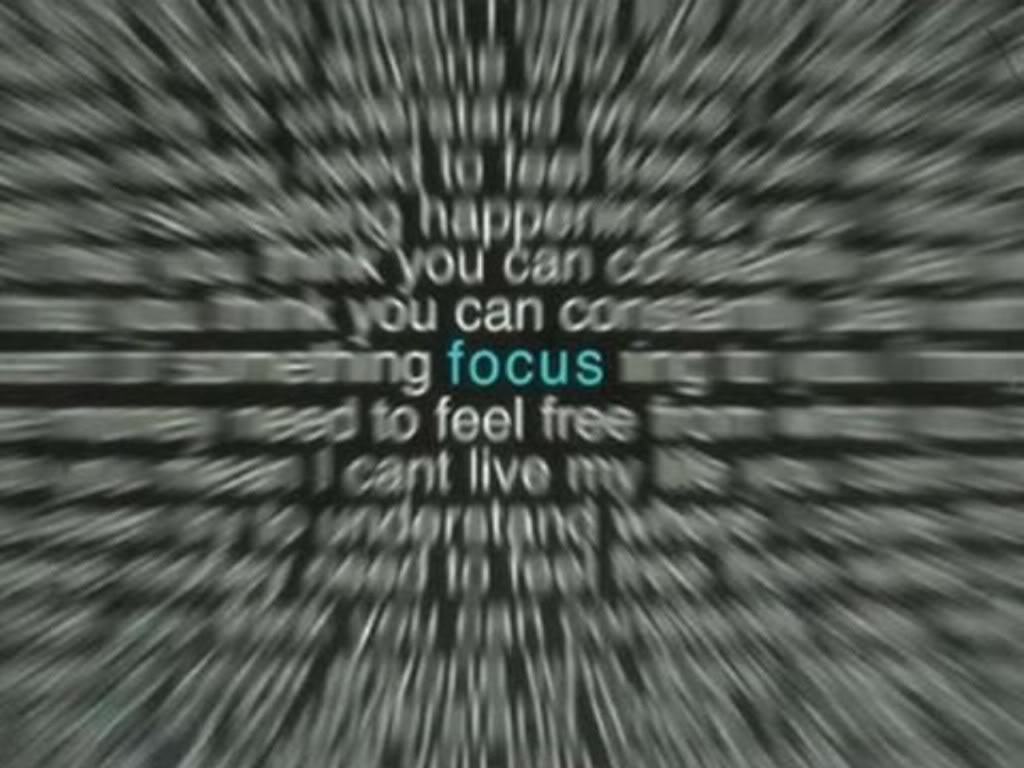
For me birthdays are a time of reflection and this year was no exception; I spent a lot of time thinking about this blog and what it isn’t trying to accomplish here and here is my conclusion: I was a foreign language major in college and one semester I took a little Norwegian. One of the phrases I remember after 30 years is “I’m lost” — Jeg har mistet min vei. Point? Focus. I lost mine on this blog and it is affecting my life in other areas and draining resources from other important projects so I’m going through the same process for myself that I would do with any client — in other words, I’m going to eat my own dog food and sharpen my focus.

Backstory: I started blogging with Google’s blogger over seven years ago. Three years later I moved to WordPress. Throughout that seven years my personal blog has been a place to practice my blogging skills while sharing personal or non-business thoughts. Until 2008 I was very involved in the political process and earlier posts will reflect that. Now my focus has shifted from divisive politics to compassionate communication around Celebrate Recovery and the things that I have learned through that program. This blog is a way of working my “12th Step” by sharing the good things I find along the way and I am changing the name to reflect that sharpened focus.

The universe provided a great reminder this morning — a quote from David Allen in a post from Ciara Conlon on the Lifehacker blog which I curated here but the image is worth repeating…

My WordPress username is kingofcuration and there’s a good reason for that; in my consultancy I have developed a very efficient workflow for thought leadership marketing — kind of a “lather, rinse, repeat” cycle called the ‘e1evation workflow‘ — but just because I can do this better and faster than most people doesn’t mean I should. My focus should and must be my business, my business blog and applying the workflow to that process. Perhaps even more important at the moment is the book I am writing about thought leadership marketing which I must finish this month…

I don’t want to fall into this trap!

Questions? Feedback?

Tastes As Good As Soda!

There isn’t only one type of tea – think of the many tea brews you’ve seen in their fancy packaging at the supermarket whilst you were on your way to the soda aisle (for instance).

There are teas scented or infused with flowers like rose and jasmine; herbs like peppermint and pandan; spices like vanilla, cinnamon and ginger; and even fruit like strawberry or orange.

Brew it strong, pour into a pitcher or a bottle and let it cool inside the fridge. If you want it sweet, add some honey.” via Tastes As Good As Soda! | FinerMinds.

Lately, I’ve been rocking the iced tea at home and at restaurants. It’s a great substitute for soda and beer and you can be very creative with it, too. Try sun-brewed tea, too!

How to Create Healthy Boundaries

“An intimate relationship is one in which neither party silences, sacrifices, or betrays the self and each party expresses strength and vulnerability, weakness and competence in a balanced way.” Harriet Lerner

Setting boundaries is essential if we want to be both physically and emotionally healthy.

Creating healthy boundaries is empowering. By recognizing the need to set and enforce limits, you protect your self-esteem, maintain self-respect, and enjoy healthy relationships.

Unhealthy boundaries cause emotional pain that can lead to dependency, depression, anxiety, and even stress-induced physical illness. A lack of boundaries is like leaving the door to your home unlocked: anyone, including unwelcome guests, can enter at will. On the other hand, having too rigid boundaries can lead to isolation, like living in a locked-up castle surrounded by a mote. No one can get in, and you can’t get out.

What Are Boundaries?

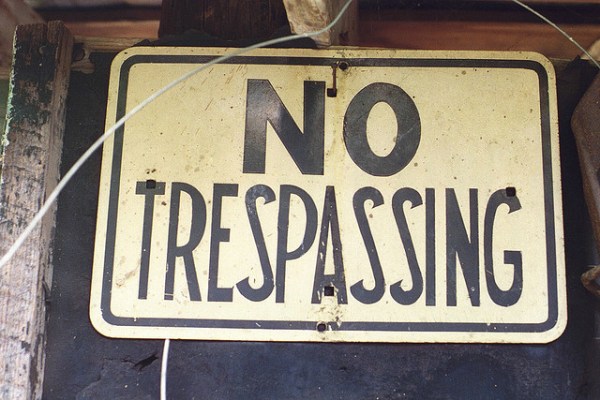
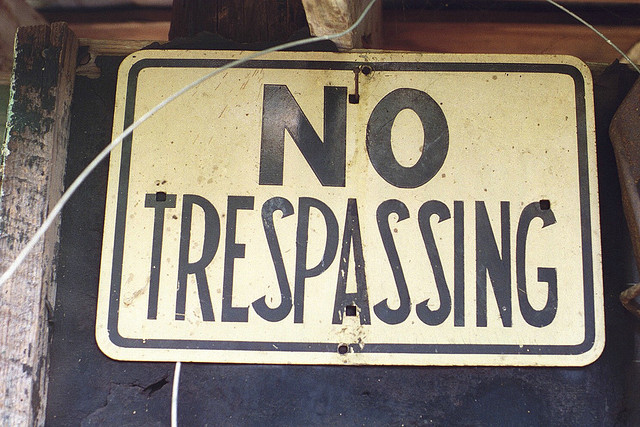
The easiest way to think about a boundary is a property line. We have all seen “No Trespassing” signs, which send a clear message that if you violate that boundary, there will be a consequence. This type of boundary is easy to picture and understand because you can see the sign and the border it protects. Personal boundaries can be harder to define because the lines are invisible, can change, and are unique to each individual.

Personal boundaries, just like the “No Trespassing” sign, define where you end and others begin and are determined by the amount of physical and emotional space you allow between yourself and others. Personal boundaries help you decide what types of communication, behavior, and interaction are acceptable.” Get more here: How to Create Healthy Boundaries « Positively Positive.

Husbands, Scouring the Toilet Will Make You Happier… Really

A toilet with the potentially dangerous arrang...

Men, consider this:

New research out of Cambridge University in the U.K. finds that husbands who do households chores are happier and experience greater wellbeing.

This finding surprised the researchers, who hypothesized that wives, not husbands, would be happier if their husbands did chores. Instead, they found that the husband’s chore contribution left the wife’s happiness “unmoved,” but did make the husbands themselves happier.

Researchers speculated that husbands who do chores might have discovered the joys, and art, of the “quiet life,” and the finding reflects this.

Or it could be that the chore-performing husbands simply get less friction, conflict and argument at home because they help out with chores, and this accounts for their happier state. The chores “buy” them a happy contentment with their wives, indirectly. Although if that were true, then you’d think that wives would be happier without the conflict and argument, too, and the study doesn’t find a similar happiness boost for the wife of the chore-dedicated husband.” via Husbands, Scouring the Toilet Will Make You Happier… Really | Psychology Today.

And then there’s always the choreplay aspect… :-D

When you ASSUME you make an ASS out of ME and YOU!

Kute Blackson writes:

Just because you perceive something a certain way, doesn’t mean it is true.

We often think that reality is what we see and experience. We then make judgments about other people, situations or even ourselves based on our perceptions.

But in reality, the reality that you experience is based on your conditioning and past programming. The reality that you think is reality isn’t necessarily reality. As you become aware of this, it frees you up to see more clearly and question how you perceive a situation or person.

When you look at a situation or person, what you really see is what you bring to it. As a result, we make up assumptions and judgments about people which are often not true. Then we react based on our interpretation, which is not always accurate.

Have you ever reacted a certain way to a situation or person, only to realize afterwards that what you thought wasn’t necessarily so? It was simply how you were perceiving it in that moment based on your limited viewpoint.

Perhaps someone did or said something to you which left you feeling hurt. When you react to the situation based on your hurt, it only creates a negative spiral.

To the degree you live inside of your assumptions about what is going on, is to the degree you are not free and limit yourself.

The more you can step back, question your first reaction to a given situation and embrace what you feel, the more space you can have to actually choose a response that is empowering rather than reactive. Living from reactivity only creates more reactivity in a situation.

When you are in a relationship with a loved one and they do or say something that triggers something within you, we often think that our upset is about the other person. As a result we might react negatively, or even attack the other person out of hurt. We might make up a story about what they said or did, and what that means. In truth you may have no idea what was really going on with the other person or situation as a whole.

So we are all seeing through our individual lens/viewpoint and experiencing reality in unique ways. The challenge is when these realities do not agree, it often results in arguments we both think we are right.

Have you ever experienced this?

On some level you are both right. Everybody is right, based on the viewpoint your are looking through. It doesn’t mean it is reality though. When you realize this, you do not need to take the other person’s reaction to you personally; you realize that, based on their particular viewpoint which they think to be reality, they cannot help but react to you the way they are. It just frees you up to not keep fighting them, and be able to take a step back so that you can really choose your response.

The meaning you give to things controls your entire life. What’s the meaning you are giving to the experiences that happen to you?

Beware of:

Mind reading: When you project onto another other person what you think they are thinking and why they did what they did.

Living in fantasy: When you have an entire relationship with a person not based on reality, but what you have made up in your mind.

Preconceived ideas: This is where you have already made up in your mind who and what someone is and how that person will respond ahead of time. You then already feel reactive, even though nothing has happened yet.

The more you free yourself of your conditioning, the more clearly you are able to see reality clearly and really choose.

Before you judge someone or the situation.

Breathe. And take a step back.

Take a look at the situation from a more expanded viewpoint. Be willing to not know.

Question: Is this reality?

Choose authentically.

So, how much Freedom do you want to experience in your life?

You choose.

Source: When you ASSUME you make an ASS out of ME and YOU! (Give it UP!)

Trusting God

T.G. Henderson House, in Lake City, Florida

Yes, even more Melody Beattie!

A married couple, friends of mine, decided to make some changes in their living situation. They had always lived in the city, and now they decided they wanted to live in the country, on a lake.

They found a small, lake home. It wasn’t the house of their dreams, but when they sold their city home, they would have money to remodel it. They had saved some money, so they moved into their lake home before selling their city home.

One year passed, and the city home didn’t sell. My friends went through many changes during this time. They had times of patience and impatience. Some days they trusted God; other days they couldn’t figure out why God was mak­ing them wait so long, why God wouldn’t let them move forward with their plan. The doors just wouldn’t swing wide open.

One day, a neighbor came to visit my friends. His home on the lake was my friends’ dream home — everything they wanted, plus more. The first time my friends saw this house, they admired it, wishing they could have a home just like it, but then they forgot about the idea. They didn’t believe it could ever be possible.

The reason the neighbor came to visit my friends was that he and his wife had decided to move. He offered my friends the first option on purchasing his home.

My friends accepted his offer, and signed a purchase agree­ment. Within two months, they sold their city home and their small but adequate lake home. A short time later, they moved into the home of their dreams.

Sometimes, we experience times of frustration in our life. We believe we’re on track, trusting God and ourselves, yet things don’t work out. We have false starts and stops. The door refuses to swing wide open.

We may wonder if God has abandoned us, or doesn’t care. We may not understand where we’re going, or what our direction is.

Then one day we see: the reason we didn’t get what we wanted was because God had something much better planned for us.

Today, I will practice patience. I will ask, and trust, my Higher Power to send me His best.” via June 26: Trusting God.

Take a time-out

Melody Beattie writes:

“Tickets! Tickets!” And you give yours to the big man in the beard and the T-shirt at the gate and step onto the carousel. So many choices! Horses and carriages of every color. The white one with the golden tail? The green one with fire in his eyes? Yes, he looks fast– but no, someone else got there first. You settle for the black-and-red horse with the sparkling silver saddle. Someone bumps past, leaving sticky cotton candy on your arm. And then the music starts– loud, creaky organ music, blaring through old blown-out speakers. The lights flash on and off, and the world spins around you. Children shriek in delight while you tug on the reins, guide your mount around the course, and try to let go of the nagging suspicion that the green horse would have been more fun. You vow to get back in line and get that one next time.

Step off of the carousel.

Take a break for a moment and watch all the horses go hurrying past. The green one is no better than the red one, just different, and certainly not any faster. All your frantic pulling on the reins is wasted effort,too. See, they come right back again. They keep right on going around whether you are there or not. Let them.

Sure, it’s fun to be on the ride, to be right in the middle of all the action, up and down,’ round and ’round, lights flashing, music blaring. Just remember that you have a choice. You can be on the ride, or you can get off. Be where you want to be, and occasionally, relax.

God, help me remember that I have choices, and relaxing and letting go are two of them.” via Just For Today Meditations » Daily Recovery Readings – June 26, 2012.

What Would You Do if You Could Take a Year Off?

English: Harlech Beach On a Sunny June Day

Mallika Chopra poses an interesting question:

What would you do if you were given $100,000 to take the year off?

  • Would you quit your miserable job, buy some cozy sweats, redo your bedroom and chill at home watching movies, eating good food, sleep and get back to a state of balance?
  • Would you travel the world and see those places on your dream list?
  • Moms: Would you hire a good nanny and a housekeeper and treat yourself to spa days and getaway weekends with girlfriends?
  • Would you decide to volunteer for a year — perhaps give back to your community with money and time?
  • Would you go back to school?  Pay off your loans? Start a college fund for your kids?
  • Pursue your hobby or lifelong dream to become a filmmaker or guitar player?
  • Would you take care of your health?  Perhaps you need to learn how to meditate, get a trainer, and revamp your eating habits. Or, as a caretaker, perhaps you can help someone you love heal and find comfort?  How could $100,000 bring healing into your life?

Posed with this question, my mind began racing with the infinite things I could, should and would do with $100,000. (FYI, I was inspired to think about this by a promotion by Gold Peak Tea, which is supporting someone to take a year off — to enjoy the comforts of home, rejuvenate and do whatever they want — with $100,000.)

An interesting Gallup study from several years ago distinguished “life satisfaction” from “enjoyment of life.” This amount of money definitely can give most people in the U.S. the day-to-day security (life satisfaction), which leads to happiness.  But people who “enjoy life” don’t necessarily find it with more money.  Enjoyment of life generally includes being socially connected, having fun, and feeling a sense of purpose.

So if you were gifted some money, how would you decide what to do with it?

Here’s how I would decide: what would make me feel happy and more balanced in my life. Here’s a model of balance I have been using to make choices about how I spend my time and financial resources.  In each bucket, I think about where I am thriving, struggling or suffering:

  • Rest and Sleep
  • Good Nutrition and Exercise
  • Relationships (Family, Friends and Community)
  • Work, Financial, Career
  • Intellectual Stimulation
  • Creativity and Play
  • Spirituality and Sense of Purpose

Be honest with yourself about those buckets where you feel balanced and those you need some help on. Think about if you had more resources how could you use them to bring your life in more balance. And decide which ones you can improve right now, by making an intent to embrace what makes you stronger, happier, more purposeful and fulfilled.

For more by Mallika Chopra, click here.

For more on happiness, click here.

via Mallika Chopra: What Would You Do if You Could Take a Year Off?.

Me? I don’t even know where to begin…

Surviving Slumps

Melody Beattie writes:

A slump can go on for days. We feel sluggish, unfocused, and sometimes overwhelmed with feelings we can’t sort out. We may not understand what is going on with us. Even our attempts to practice recovery behaviors may not appear to work. We still don’t feel emotionally, mentally, and spiritually as good as we would like.

In a slump, we may find ourselves reverting instinctively to old patterns of thinking, feeling, and behaving, even when we know better. We may find ourselves obsessing, even when we know that what we’re doing is obsessing and that it doesn’t work.

We may find ourselves looking frantically for other people to make us feel better, the whole time knowing our happiness and well being does not lay with others.

We may begin taking things personally that are not our issues, and reacting in ways we’ve learned all to well do not work.

We’re in a slump. It won’t last forever. These periods are normal, even necessary. These are the days to get through. These are the days to focus on recovery behaviors, whether or not the rewards occur immediately. These are sometimes the days to let ourselves be and love ourselves as much as we can.

We don’t have to be ashamed, no matter how long we’ve been recovering. We don’t have to unreasonably expect “more” from ourselves. We don’t ever have to expect ourselves to live life perfectly.

Get through the slump. It will end. Sometimes, a slump can go on for days and then, in the course of an hour, we see ourselves pull out of it and feel better. Sometimes it can last a little longer.

Practice one recovery behavior in one small area, and begin to climb uphill. Soon, the slump will disappear. We can never judge where we will be tomorrow by where we are today.

Today, I will focus on practicing one recovery behavior on one of my issues, trusting that this practice will move me forward. I will remember that acceptance, gratitude, and detachment are a good place to begin.” via Just For Today Meditations » Daily Recovery Readings – June 26, 2012.

Figuring out God’s will

Melody Beattie writes:

It was a stressful time in my life. I didn’t know what to do. I had pressing business decisions to make, and painful relationship issues to face. Everything felt like a mess.

I gathered up a few favorite books, the Bible, a journal, and some clothes. Then I headed for the mountains, a resort that was a favorite place of mine to hide out in and gather my thoughts.

I told myself, “I’m going to stay in there. Write in my journal. Pray. And meditate. I’m not coming out until I know what to do.”

After forty-eight hours of writing about my problems, praying about my problems, and meditating about my problems, I remembered something a friend had said to me.

“What are you doing?” he had asked.

“I’m trying to surrender to God’s will.”

“No you’re not, you’re trying to figure it out.”

Within six months, each of the problems I was wrestling with worked themselves out. I was either guided into an action that naturally felt right at the time, or a solution came to me. The immediate solution to each problem was the same: let go. Just surrender to the situation taking place. Sometimes, what we need to do next is surrender.

If you don’t like the word surrender, try calling it making peace.

God, help me surrender to your will, especially when I don’t know what to do next.” via Just For Today Meditations » Daily Recovery Readings – June 25, 2012.

Just in case you missed this for 6//25/2012

  1. “Learn to say ‘no’ to the good so you can say ‘yes’ to the best.”

    – John C. Maxwell

  2. It is good to have an end to journey towards, but it is the journey that matters, in the end.
    —Ursula K. LeGuin
  3. A man who has committed a mistake and doesn’t correct it is committing another mistake.
    –Confucius
  4. Don’t argue for other people’s weaknesses. Don’t argue for your own. When you make a mistake, admit it, correct it, and learn from it–immediately.
    –Stephen Covey
  5. Left to itself, nature takes ordinary garbage and transforms it into useful nutrients that help sustain life. It’s usually poor human action that makes garbage a problem.

    Our mental and emotional garbage takes the forms of bad memories, festering resentments, and useless regrets. We waste time berating ourselves and others about bad decisions and experiences that are behind us.

    The magic of the 12 Step program is that we can use it to transform this mental garbage into useful experience. A past mistake can become as asset when we share it with others. Pain and suffering can teach a lesson that helps all of us to grow. By forgiving others, a resentment can be turned into a friendship.

    I’ll resolve today not to worry about garbage any longer than it takes to identify it and release it to my Higher Power for transformation.

  6. Quote: When a man points a finger at someone else, he should remember that three of his fingers are pointing at himself.
    —Louis Nizer

    It’s so easy to blame others. Others are always making mistakes we can hide behind. That’s what blame is—hiding. When we blame others for our mistakes, we’re trying to hide our character defects.

    It’s nobody else’s fault that we act the way we do. It’s our fault. We’re responsible for our actions.

    And with the help of our Higher Power, we can change. We can turn over our character defects. Over time, we’re not afraid to learn about ourselves—even the parts we don’t like—because we want to know ourselves better.

    Prayer for the Day: I pray for help in facing my character defects.

    Action for the Day: I’ll think about the past week. I’ll list times I’ve used blame to hide from reality.

Charity

International Money Pile in Cash and Coins

Melody Beattie writes:

We need healthy boundaries about receiving money, and we need healthy boundaries about giving money.

Some of us give money for inappropriate reasons.

We may be ashamed because we have money and don’t believe we deserve it. We may belong to an organization that uses shame as a form of control to coerce us out of our money that the organization wants.

We can get hooked into giving money to our children, family members, or friends because we have earned or un­earned guilt. We allow ourselves to be financially black­mailed, sometimes by the people we love.

This is not money freely given, or given in health.

Some of us give money out of a sense of caretaking. We may have exaggerated feelings of responsibility for others, including financial responsibility.

We may be giving simply because we have not learned to own our power to say no when the answer is no.

Some of us give because we hope or believe people will love us if we take care of them financially.

We do not have to give money to anyone. Giving money is our choice. We do not have to allow ourselves to be victimized, manipulated, or coerced out of our money. We are financially responsible for ourselves. Part of being healthy is allowing those around us be financially responsible for themselves.

We do not have to be ashamed about having the money that we earn; we deserve to have the money we have been given — whatever the amount, without feeling obligated to give it all away, or guilty because others want what we have.

Charity is a blessing. Giving is part of healthy living. We can learn to develop healthy boundaries around giving.

Today, I will strive to begin developing healthy boundaries about giving money. I understand that giving is my choice.

via June 25: Charity | Language of Letting Go.

Withholding

Melody Beattie writes:

Sometimes, to protect ourselves, we close ourselves off from a person we’re in a relationship with. Our body may be present, but we’re not. We’re not available to participate in the relationship.

We shut down.

Sometimes, it is appropriate and healthy to shut down in a relationship. We may legitimately need some time out. Sometimes it is self-defeating to close ourselves off in a relationship.

To stop being vulnerable, honest, and present for another person can put an end to the relationship. The other person can do nothing in the relationship when we are gone. Closing ourselves makes us unavailable to that relationship.

It is common to go through temporary periods of closing down in a relationship. But it is unhealthy to make this an ongoing practice. It may be one of our relationship-sabotaging devices.

Before we close down, we need to ask ourselves what we are hoping to accomplish by shutting down. Do we need some time to deal? To heal? To grow? To sort through things? Do we need time out from this relationship? Or are we reverting to our old ways – hiding, running, and terminating relationships because we are afraid we cannot take care of ourselves in any other way?

Do we need to shut down because the other person truly isn’t safe, is manipulating, lying, or acting out addictively or abusively? Are we shutting down because the other person has shut down and we no longer want to be available?

Shutting down, shutting off, closing ourselves and removing our emotional presence from a relationship is a powerful tool. We need to use it carefully and responsibly. To achieve intimacy and closeness in a relationship, we need to be present emotionally. We need to be available.

God, help me be emotionally present in the relationships I choose to be in.” via Just For Today Meditations » 2012 » June » 23.

Start a Blog at WordPress.com.

Up ↑