Finances are among the things most likely to cause discord in a relationship, whether you’re just starting out or have been together for years. Here are some ways to avoid common conflicts: How To Keep Money From Messing Up Your Marriage
I’m guessing that Emitt Rhodes is the greatest 70’s musician you never heard of. I have been a ‘fan’ of his since middle school. I thought I was sooo very sophisticated for liking this kind of album when I was that young. Truth is, he reminded me much of my hero of that time, Paul McCartney. Turns out I’m not the only one — many referred to him as a ‘One Man Beatles’ who played all the instruments himself ala McCartney in his first solo album…
Here’s what the Wikipedia has to say about Emitt’s early career:
“The Merry-Go-Round had a recording contract with A&M Records when they disbanded in 1969. Rhodes recorded songs at A&M to fulfill that contract, but A&M decided to not release them at the time. Rhodes then decided to go out on his own and bought equipment to make a recording studio in his parents’ garage. Rhodes recorded his first album (Emitt Rhodes) in that home studio. He got a recording contract with ABC/Dunhill Records, which released his album as well as the next two albums he recorded (Mirror and Farewell to Paradise). Rhodes got a $5,000 advance for Emitt Rhodes, which he spent on recording equipment.[citation needed]
His first album was a critical success – Billboard called Rhodes “one of the finest artists on the music scene today” and later called his first album one of the “best albums of the decade”. The album reached number 29 on the Billboard charts. The single “Fresh as a Daisy” reached number 54 on the pop chart. Rhodes opened at the Troubadour nightclub on February 9, 1971, concurrent with a large earthquake that struck the Los Angeles area. An ad that ran in Billboard said “That wasn’t an earthquake, that was Emitt Rhodes opening at the Troubadour!” Meanwhile, shortly after Emitt Rhodes was released by Dunhill, A&M decided to release their old recordings of The American Dream, which confused record buyers. Mirror was released in 1971 and did reach the top 200 on Billboard‘s album chart. In 1973 Dunhill released Rhodes’ final album, Farewell to Paradise.[1]
Rhodes wrote all of the songs on his albums. On Emitt Rhodes, Mirror, and Farewell to Paradise, he played all of the instruments and sang all of the vocals while recording himself in his home recording studio. He used a four-track recorder for the instruments for Emitt Rhodes and transferred those to an eight-track recorder to add the vocals. He used an eight-track recorder for Mirror, and Farewell to Paradise. The mixdown engineer on Farewell to Paradise was Curt Boettcher, the producer and musician who is best remembered for his work on the “soft pop” albums by Sagittarius and The Millennium.[citation needed]
Rhodes’ contract with Dunhill called for an album every six months (six albums over three years) – a schedule that was impossible for Rhodes to meet, due to writing all of the songs and recording each instrument and vocal individually by himself.[1] Dunhill sued Rhodes for $250,000 and withheld royalties because of his failure to deliver albums on the timescale required by the contract. Emitt Rhodes took nearly a year to record, the album Mirror took nine months, and Farewell to Paradise took over a year.”
Bankrupt, Rhodes faded into obscurity for over 35 years. I looked for this documentary made by an Italian fan for over two years and found it yesterday morning. Curious? Dig in…
You can read more about Emitt’s life here and here and in the links below:
Free Solo (available on National Geographic) is one of the most incredible documentaries ever. The NYT talks about the challenge of creating the documentary here:
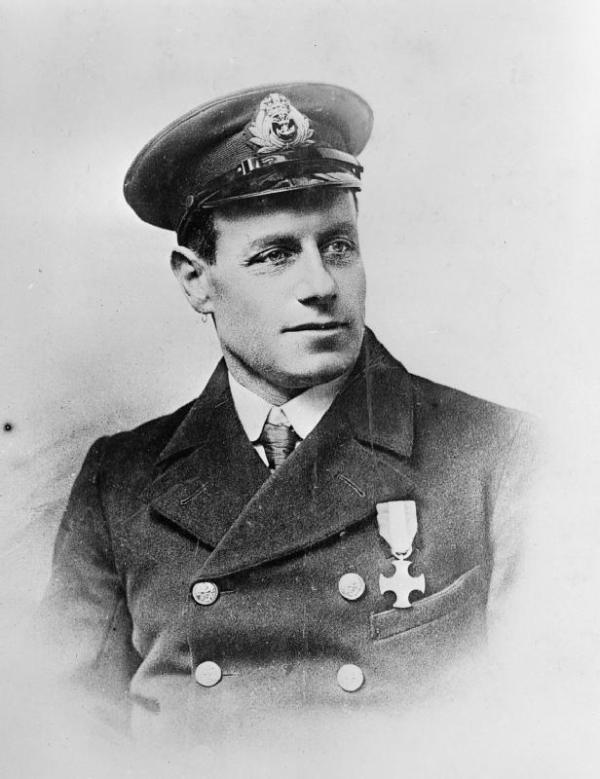
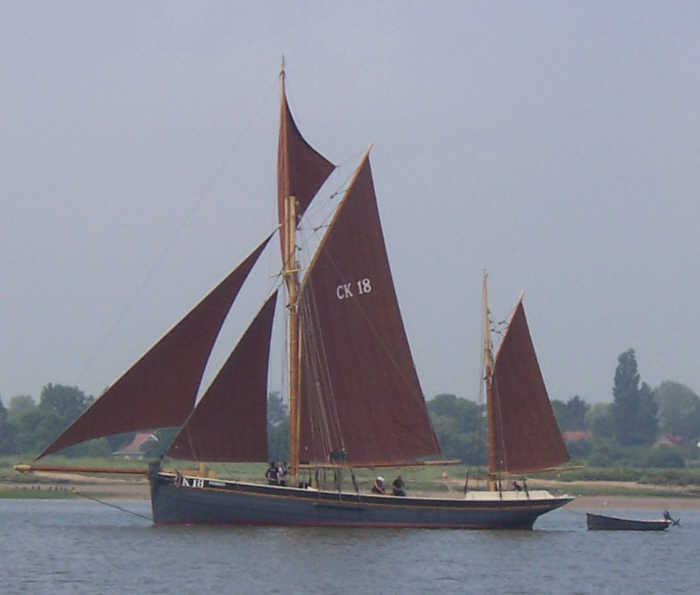
“Skipper Thomas Crisp VC, DSC, RNR (28 April 1876 – 15 August 1917) was an English posthumous recipient of the Victoria Cross. Crisp, in civilian life a commercial fisherman operating from Lowestoft in Suffolk, earned his award after being killed during the defence of his vessel, the armed naval smack His Majesty’s Smack Nelson, in the North Sea against an attack from a German submarine in 1917.[1]
Crisp’s self-sacrifice in the face of this “unequal struggle” was used by the government to bolster morale during some of the toughest days of the First World War for Britain, the summer and autumn of 1917, during which Britain was suffering heavy losses at the Battle of Passchendaele.[2] His exploit was read aloud by David Lloyd George in the Houses of Parliament and made headline news for nearly a week.” Go to the source: Thomas Crisp – Wikipedia
Who should get to keep secrets, and who should demand to know them? In this hour, TED speakers talk about the damage secrets can do, and the shifting roles we play when we keep, or share them: Keeping Secrets
What does it take to change the world for the better? This hour, TED speakers explore ideas on activism—what motivates it, why it matters, and how each of us can make a difference: TED Radio Hour



 Bright, shiny objects!
You must be logged in to post a comment.