Why Feeling Like a Victim Makes You Unhappy

shelley-bullardShelly Bullard writes:

We all get caught in the victim-trap from time to time. Feeling like we’ve been wronged; like we were right and they were, well, I’m sure we can complete the sentence with lots of words. It’s true, being a victim is not an uncommon stance to take in this world.

But you should know that feeling like a victim only makes you feel worse. Many of us don’t realize this. In fact, often we hang-out in victim-land because we unconsciously believe that it will get us what we want (which is care, concern, and love). On some level we think being a victim will make us feel better! We are sorely mistaken.

If you recognize that sometimes you identify as a victim and you want to stop the pattern, then keep reading. In this article I’m going to discuss why feeling like a victim ultimately leads to more unhappiness, and how to turn the pattern around. Continue reading “Why Feeling Like a Victim Makes You Unhappy”

Affirmations

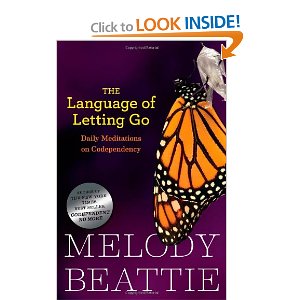
Melody-Beattie.pngMelody Beattie writes:

One of our choices in recovery is choosing what we want to think – using our mental energy positively.

Positive mental energy, positive thinking, does not mean we think unrealistically or revert to denial. If we don’t like something, we respect our own opinion. If we spot a problem, we’re honest about it. if something isn’t working out, we accept reality. But we don’t dwell on the negative parts of our experience.

Whatever we give energy to, we empower.

There is magic in empowering the good, because whatever we empower grows bigger. One way to empower the good is through affirmations: simple positive statements we make to ourselves: I love myself… I’m good enough… My life is good…I’m glad I’m alive today… What I want and need is coming to me… I can…

Our choice in recovery is not whether to use affirmations. We’ve been affirming thoughts and beliefs since we were old enough to speak. The choice in recovery is what we want to affirm.

Today, I will empower the good in myself, others, and life. I’m willing to release, or let go of, negative thought patterns and replace them with positive ones. I will choose what I want to affirm, and I will make it good.

via Just For Today Meditations » Daily Recovery Readings – December 11, 2012.

And, whatever we resists, persists…

Owning Our Power

More goodness for my spirit from Melody Beattie:

We don’t have to give others so much power and ourselves so little. We don’t have to give others so much credit and ourselves so little. In recovery from codependency, we learn there’s a big difference between humility and discounting ourselves.

When others act irresponsibly and attempt to blame their problems on us, we no longer feel guilty. We let them face their own consequences.

When others talk nonsense, we don’t question our own thinking.

When others try to manipulate or exploit us, we know it’s okay to feel anger and distrust and to say no to the plan.

When others tell us that we want something that we really don’t want, or someone tells us that we don’t want some­thing that we really do want, we trust ourselves. When others tell us things we don’t believe, we know it’s okay to trust our instincts.

We can even change our mind later.

We don’t have to give up our personal power to anyone: strangers, friends, spouses, children, authority figures, or those over whom we’re in authority. People may have things to teach us. They may have more information than we have, and may appear more confident or forceful than we feel. But we are equals. Our magic is not in them. Our magic, our light, is in us. And it is as bright a light as theirs.

We are not second-class citizens. By owning our power, we don’t have to become aggressive or controlling. We don’t have to discount others. But we don’t discount our­selves either.

Today, I will own my power with people. I will let myself know what I know, feel what I feel, believe what 1 believe, and see what I see. I will be open to changing and learning from others and experience, but I will trust and validate myself too. I will stand in my own truth.” via June 24: Owning Our Power.

The Good Feelings

Sunrise 3

Melody Beattie writes:

Let yourself feel the good feelings too.
Yes, sometimes, good feelings can be as distracting as the painful, more difficult ones. Yes, good feelings can be anxiety producing to those of us unaccustomed to them. But go ahead and feel the good feelings anyway.
Feel and accept the joy. The love. The warmth. The excitement. The pleasure. The satisfaction. The elation. The tenderness. The comfort.
Let yourself feel the victory, the delight.
Let yourself feel cared for.
Let yourself feel respected, important, and special.
These are only feelings, but they feel good. They are full of positive, upbeat energy – and we deserve to feel that when it comes our way.
We don’t have to repress. We don’t have to talk ourselves out of feeling good – not for a moment.
If we feel it, it’s ours for the moment. Own it. If it’s good, enjoy it.

Today, God, help me be open to the joy and good feelings available to me.

Source: Daily Meditation ~ The Good Feelings – Miracles In Progress Codependents Anonymous Group

Recognizing Choices

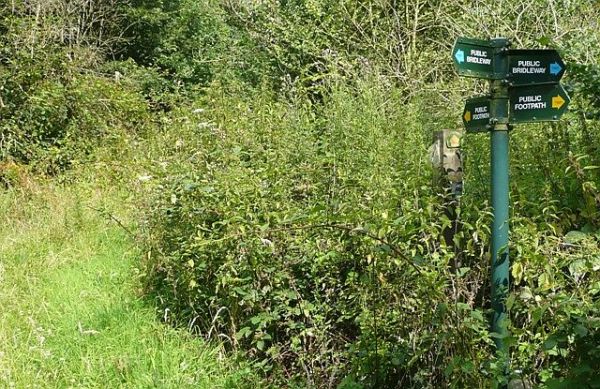
English: Choices, choices A network of paths a...

Melody Beattie writes:

We have choices, more choices than we let ourselves see.

We may feel trapped in our relationships, our jobs, our life. We may feel locked into behaviors — such as caretaking or controlling.

Feeling trapped is a symptom of codependency. When we hear ourselves say, “I have to take care of this person… .”

“I have to say yes… ” “I have to try to control that person…

“I have to behave this way, think this way, feel this way….” we can know we are choosing not to see choices.

That sense of being trapped is an illusion. We are not con­trolled by circumstances, our past, the expectations of others, or our unhealthy expectations for ourselves. We can choose what feels right for us, without guilt. We have options.

Recovery is not about behaving perfectly or according to anyone else’s rules. More than anything else, recovery is about knowing we have choices and giving ourselves the freedom to choose.

Today, I will open my thinking and myself to the choices available to me. I will make choices that are good for me.” via June 18: Recognizing Choices.

If you’re not the lead dog…

…the view never changes as they say — and sometimes, that’s OK! One of my biggest pleasures in life is watching my wife’s long lean legs as we ride and if she thinks she’s going faster than me, who am I to tell her different… :-D
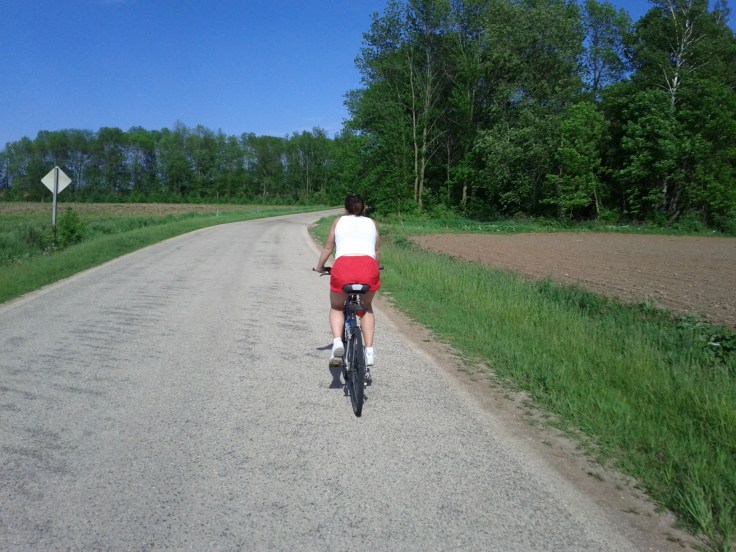
What’s my point? I’m always thinking. Not always about the right things, but I’m always thinking. Yesterday, taking a bike ride with my wife, it occurred to me that having a healthy relationship is a lot like taking a bike ride with a friend…

Let me take you back a year to the first time I read “Codependent No More”. A friend had suggested I might [and that’s an understatement] suffer from codependency. As I read the book, I realized I was reading about me. I shared the book with my wife and she took her own lessons from it. As we drove to Illinois to celebrate my birthday with family and listening to some of our favorite love songs, we started to realize how deeply codependent so many love songs are and as a result, they affect our perspective of love. Here are some great examples of sappy love songs I’ve listened to for decades [sorry to pick on Bread, but they illustrate my point so well]…

So what’s the answer? For me it’s the analogy of the bicycle ride and this gets back to what I was saying about thinking too much some times and looking for lessons. The thought came upon me that love is less like walking hand in hand sometimes and more like taking a bike ride together. When you ride together, each person is responsible for their own equipment [oil your chain, inflate your tires, select your own gear] and their own ‘balance’ — you have to make sure you don’t fall off your own bike! You can’t hold up your partner and ride at the same time…

When my wife and I ride, we choose a general route or direction, but I can’t pedal her bike for her. We each have a different strategy for hills, etc. — sometimes I like to kick them in the butt by charging breathlessly up them; sometimes I drop into first gear and crawl up them — but the point is I have to drag my own butt up the hill and she has to get up there by herself. I do my work, she does hers and when you get to the top of the hill and pull out the water bottle it’s sweet to be together again…

Reading this you now know why I don’t write my own material often but this is a deep lesson for me that I wanted to document for myself…

Detachment means “freedom from emotion”

The Way You Make Me Feel
The Way You Make Me Feel (Photo credit: Wikipedia)

Letting someone else’s behavior determine how we feel at every turn is irresponsible. Our emotions should be determined by us, not by someone else. But no doubt we have spent years confusing the boundaries that separate us from other people. Whether at work or at home, we have too often let someone else’s “insanity” affect how we behave and how we feel.

At first, it may seem insensitive not to react to others’ problems or negative behavior. We may fear they’ll think we simply don’t care about them. Learning that it is far more caring to let other people handle their own lives takes time and patience. But with practice, it will begin to feel comfortable. In fact, in time it will feel freeing and wonderful.

I will work on detachment today, knowing that in time the rewards will come. 

Choices

Melody Beattie says:

“We have choices, more choices than we let ourselves see. We may feel trapped in our relationships, our jobs, our life. We may feel locked into behaviors — such as caretaking or controlling. Feeling trapped is a symptom of codependency.

When we hear ourselves say, “I have to take care of this person…”, “I have to say yes….” ,”I have to try to control that person…”, “I have to behave this way, think this way, feel this way…” we can know we are choosing not to see choices.

That sense of being trapped is an illusion. We are not controlled by circumstances, our past, the expectations of others or our unhealthy expectations for ourselves. We can choose what feels right for us, without guilt. We have options.

Recovery is not about behaving perfectly or according to anyone else’s rules. More than anything else; recovery is about knowing we have choices and giving ourselves the freedom to choose.” via Inspiration.

We have choices


Melody Beattie says:

“We have choices, more choices than we let ourselves see.

We may feel trapped in our relationships, our jobs, our life. We may feel locked into behaviors such as caretaking or controlling.

Feeling trapped is a symptom of codependency. When we hear ourselves say, I have to take care of this person . . . I have to say yes . . . I have to try to control that person . . . I have to behave this way, think this way, feel this way . . . we can know we are choosing not to see choices.

That sense of being trapped is an illusion. We are not controlled by circumstances, our past, the expectations of others, or our unhealthy expectations for ourselves. We can choose what feels right for us, without guilt. We have options.

Recovery is not about behaving perfectly or according to anyone else’s rules. More than anything else, recovery is about knowing we have choices and giving ourselves the freedom to choose.

Today, I will open my thinking and myself to the choices available to me. I will make choices that are good for me.” via Adult Children Anonymous.

Every behavior and every thought has a consequence

PhotoReading David Kanigan’s blog led me to this gem by Kristin Cuthriell

“When you choose the behavior, you choose the consequences.  When you choose the thoughts, you choose the consequences.” –Dr. Phil McGraw

First, look at the consequences and decide.  Is this what I really want?

My dad once told me, “Remember what you know.” Through the years, I have found this to be great advice.  So many times we forget simple truths in life, things that we already know.  Often, I write about these simple truths to not only remind my readers, but to also remind myself of things that we already know and may have forgotten to practice in our lives.

Today I write about choices.

Every choice that we make is followed by a consequence.  Too often, we act impulsively, not taking the time to think through the possible repercussions of our actions.  We do not play the tape through, which means that we do not visualize the backlash of our thoughts and behaviors.  We simply act without thinking it through in its totality.

Whether our choices are impulsive or well thought out, the consequences will be the same. Take the time to play the tape through. The choices we make when emotions are high, we usually come to regret.  Take a moment to think it all the way through.

Source: Every Behavior and Every Thought Has a Consequence | Let Life in Practices

Go to the source if you’d like her list of ‘obvious things we forget’. Click the ‘follow’ button while you’re there!

Start a Blog at WordPress.com.

Up ↑