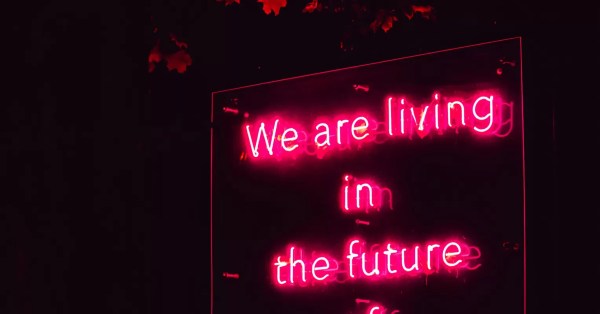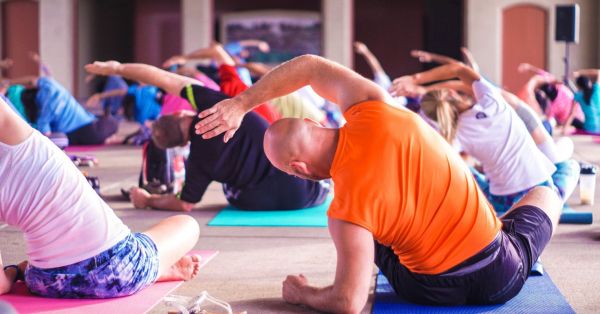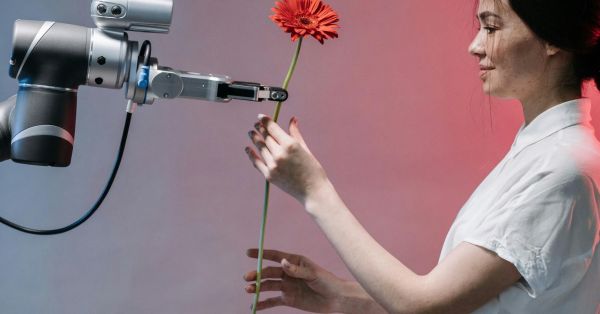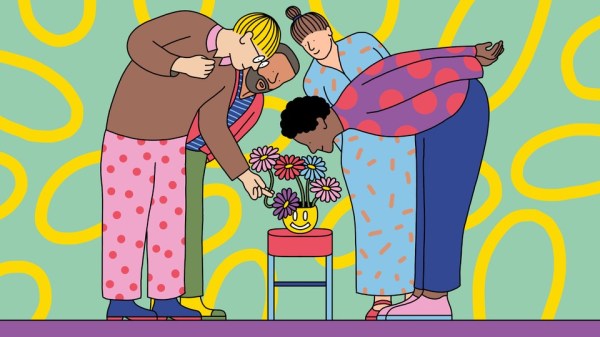
Unlock Your Peak Performance with Purpose

Want to live in the zone like Jordan or Ruth? The secret isn’t talent—it’s purpose. Discover how a simple mindset shift can unlock peak joy, focus, and flow.

The article “How to Live Life in the Zone” emphasizes that achieving a state of peak performance and joy, akin to that of great figures like Michael Jordan and Ruth Bader Ginsburg, is not merely about inherent talent but rather about having a clear purpose. It explores the importance of a mindset shift, suggesting that focusing on one’s purpose can enhance concentration, happiness, and a sense of flow in daily activities. The piece encourages readers to cultivate this mindset to unlock their fullest potential and lead a fulfilling life.

Source: How to Live Life in the Zone

Think Like a Fact-Checker: The Skill Most People Don’t Use

Most people judge online info by how it looks—but expert fact-checkers do something totally different. Here’s the skill they use—and how you can learn it too.

The article “Think Like a Fact-Checker: The Skill Most People Don’t Use” emphasizes the importance of critical thinking when evaluating online information. Unlike the average person who often judges content based on its appearance, expert fact-checkers utilize a systematic approach to verify the authenticity and accuracy of data. The piece outlines specific skills that can be developed to enhance one’s ability to discern reliable information, encouraging readers to adopt these practices in their own consumption of online content.

Source: Think Like a Fact-Checker: The Skill Most People Don’t Use

Is Religion Good for Your Mental Health?

There is a long-standing idea in psychology that religious people live longer and healthier lives. New mental health research shows the answer isn’t quite so simple.

The article “Is Religion Good for Your Mental Health?” discusses the complex relationship between religion and mental well-being. While previous studies have suggested that religious individuals tend to live longer and healthier lives, new mental health research indicates that the connection may not be straightforward. The findings explore various factors that influence mental health, demonstrating that the benefits of religion can vary significantly among individuals. Overall, the article highlights the need for a nuanced understanding of the impact of religious beliefs on mental health.

Me personally? I would say it depends on the ‘religion’…

Source: Is Religion Good for Your Mental Health?

The AI Revolution Is Underhyped

The Beatles Now And Then The Last Beatles Song Short Film

Divorcing When Pregnant or With an Infant

Divorce affects babies in ways that aren’t visible. Babies experience the changes, emotional upsets, and environmental changes deeply and nonverbally. Here’s how, and what you can do.

Parents in a high-conflict divorce are exposing their babies to ongoing, or chronic stress. This may have long-term consequences on brain development. One factor is the continuing release of stress hormones, such as cortisol, which affect the babies’ immune systems and their developing nervous systems. Later, this may show up as the child’s difficulties in emotional regulation, so you may see tantrum behaviors or a pervasive negativity in mood.

Dr. Ann Buscho

Divorce impacts infants in subtle yet profound ways, particularly during high-conflict situations. Babies can sense emotional turmoil and environmental changes, which may lead to chronic stress. Elevated stress hormones, like cortisol, can adversely affect their immune and nervous systems, potentially resulting in long-term issues with emotional regulation, such as mood negativity and tantrums. This highlights the importance of addressing and mitigating conflict during a divorce to protect the well-being of infants.

Source: Divorcing When Pregnant or With an Infant

Source: Divorcing When Pregnant or With an Infant

When Cell Phones Replace People

Are you suffering from nomophobia? Discover how your smartphone creates digital isolation even when physically surrounded by people. Learn to break free from this modern epidemic.

The article “When Cell Phones Replace People” discusses the phenomenon of nomophobia, the fear of being without one’s smartphone, and how this addiction contributes to feelings of digital isolation, even in social settings. It highlights the impact smartphones have on personal connections, suggesting that reliance on mobile devices can detract from genuine interaction. The piece encourages readers to recognize these patterns and seek to reclaim their social lives by reducing smartphone dependency.

Source: When Cell Phones Replace People

How AI is Reshaping Existing Jobs Today

Three years into the boom, it looks like AI is reshaping existing jobs more than creating new ones.

The article discusses the current state of artificial intelligence, noting that, three years into the AI boom, the technology seems to be transforming existing jobs rather than generating new positions. It highlights the rapidly changing landscape of roles like prompt engineering, indicating that these specific jobs are becoming obsolete as the industry evolves. The piece underscores the need for adaptation in the workforce as AI continues to advance.

Source: ‘AI is already eating its own’: Prompt engineering is quickly going extinct

How Much Happiness Is Enough in a Perfect World?

In an ideal world, would most people choose to be maximally happy, healthy, and free? The answers given by 6,000 people in 27 countries may surprise you.

In the article “How Much Happiness Is Enough in a Perfect World?” published by Psychology Today, the author explores the responses of 6,000 individuals from 27 different countries regarding their preferences for happiness, health, and freedom in an ideal world. The findings reveal surprising insights into how people perceive the balance between these three attributes, suggesting that individuals may not prioritize maximally achieving all three. The article invites readers to reflect on what constitutes a fulfilling life and how societal values influence personal aspirations.

Source: How Much Happiness Is Enough in a Perfect World?

Where Did You Learn to Feel Less Than?

The negative things we hear in toxic environments can chip away at our sense of worth and self-confidence. Catch and challenge the resulting self-critical thoughts.

The article “Where Did You Learn to Feel Less Than?” discusses how negative influences in toxic environments can undermine an individual’s self-worth and confidence. It emphasizes the importance of recognizing and confronting self-critical thoughts that arise from these damaging interactions. By addressing and challenging these thoughts, individuals can work towards rebuilding their self-esteem and fostering a healthier self-image.

Source: Where Did You Learn to Feel Less Than?

Healthy Detachment: Caring Without Losing Yourself

Learn how healthy detachment allows therapists to care deeply without absorbing client pain—and why it’s essential for sustainable, effective healing work.

Healthy detachment is a crucial skill for therapists, enabling them to engage with clients on a deep level while preventing the absorption of client pain. This balance is essential for sustaining effective healing work, allowing therapists to care genuinely without compromising their well-being. The article emphasizes that such detachment does not equate to indifference, but rather fosters a more effective therapeutic environment.

Source: Healthy Detachment: Caring Without Losing Yourself

Wave of job losses hits tech sector as AI makes human roles more dispensable

Both companies stress humans still have a role to play – for now.

The article discusses the recent wave of job losses in the tech sector, specifically highlighting how artificial intelligence (AI) is making certain human roles increasingly dispensable. Several companies, including IBM and CrowdStrike, have laid off workers as they integrate more advanced AI technologies into their operations. Despite the growing capabilities of AI, both companies emphasize that humans still play a crucial role for the time being. The piece reflects on the balance between technological advancement and the need for human oversight in the workforce.

Source: Wave of job losses hits tech sector as AI makes human roles more dispensable

The Hidden Psychology of Connection

Loneliness is rewiring our brains, but real connection is still within reach. Here’s what psychology reveals about why we disconnect—and how to return to what matters.

Loneliness is fundamentally altering our brain patterns, yet authentic connections are still attainable. The article explores the psychological reasons behind our tendency to disconnect from others. It highlights the importance of understanding these dynamics and offers insights on how to foster meaningful relationships and re-establish connections that truly matter in our lives.

Source: The Hidden Psychology of Connection

AI Is Not Your Friend

How the “opinionated” chatbots destroyed AI’s potential, and how we can fix it.

The article “AI Is Not Your Friend” discusses how “opinionated” chatbots, designed to reflect biases and personal opinions, have hindered the potential of artificial intelligence. The author argues that these chatbots fail to provide objective information, which can mislead users and undermine trust in AI systems. It emphasizes the need for a shift towards more neutral and fact-based AI designs to restore confidence and ensure their beneficial use in society. The piece calls for re-evaluating the development strategies for AI to avoid creating tools that cater to particular viewpoints instead of serving as reliable sources of information.

Source: AI Is Not Your Friend

The Conclave Just Did the Unthinkable

What an American pope means for the Catholic Church and the world.

The article “What an American pope means for the Catholic Church and the world” discusses the implications of Pope Leo XIV, the first American pope, on the Catholic Church and broader global society. It explores how his leadership may influence church policies and adapt to modern societal issues, potentially bridging gaps between traditional Catholic doctrine and contemporary challenges. The piece highlights the significance of this historic election, considering the cultural and political contexts within the Church and in the United States, and reflects on the expectations that come with his papacy.

Source: The Conclave Just Did the Unthinkable

The Psychology of the Divine Feminine

Under patriarchy, women were told to harden to survive. Now, reclaiming softness isn’t surrender—it’s rebellion. Here’s why the Divine Feminine is rising.

The article “The Psychology of the Divine Feminine” explores the concept of the Divine Feminine as a response to patriarchal societal structures. It argues that women have historically been conditioned to adopt hard, survival-oriented traits, but the current resurgence of softness and nurturing qualities signifies a powerful act of rebellion. This shift towards embracing feminine qualities is seen as a necessary movement for empowerment and healing, ultimately contributing to a more balanced and compassionate society.

Source: The Psychology of the Divine Feminine

What Is the Relationship Between Socrates and Stoicism?

Socrates was a major influence on the development of Stoicism.1 While he didn’t directly found the school (that was Zeno of Citium in the early 3rd century BCE), several core tenets of Stoic philosophy have their roots in Socratic thought. Here’s a breakdown of the key connections:

Continue reading “What Is the Relationship Between Socrates and Stoicism?”

Can You Have a Meaningful Attachment to AI?

Are you overly attached to a digital object or interface? Is it an addiction or positive attachment?

The article “Can You Have a Meaningful Attachment to AI?” explores the nature of human relationships with digital objects and interfaces. It examines whether our connections to artificial intelligence can be deemed as addiction or a positive form of attachment. The discussion delves into the psychological implications of these attachments, highlighting that while they may lead to dependency, they can also provide comfort and companionship, especially in an increasingly digital world. Ultimately, the article emphasizes the complexity of our interactions with technology and its potential to enrich or detract from our lives.

Source: Can You Have a Meaningful Attachment to AI?

3 Signs That It’s Time to Let Go of a ‘Situationship’

The key question isn’t whether a situationship could become something more. It’s whether you’re receiving all that you need from the relationship right now.

The article “3 Signs That It’s Time to Let Go of a ‘Situationship'” discusses the complexities of undefined romantic relationships, often referred to as situationships. It emphasizes the importance of evaluating whether one is getting their emotional and physical needs met in such arrangements. The key takeaway is to assess the relationship’s current value rather than its potential future. The piece outlines indicators that may signal it’s time to move on, advocating for self-reflection and prioritizing one’s well-being in romantic connections.

Source: 3 Signs That It’s Time to Let Go of a ‘Situationship’

Trump MELTDOWN After Dana Carvey HUMILIATED Him On LIVE TV!

I do love me some Dana Carvey…

…these days I have to laugh or I’ll cry!

Want to Save Your Job from AI? Be More Human

AI is already becoming a dominant force in the workplace. There is no need for fear, but there is an opportunity for better leadership.

The article discusses the growing presence of AI in the workplace and emphasizes that rather than fearing this technological shift, individuals should view it as an opportunity to enhance leadership qualities. It advocates for a more human-centered approach to work, focusing on the importance of emotional intelligence and interpersonal skills as essential components in a world increasingly influenced by AI. By prioritizing these human traits, workers can position themselves favorably in relation to the evolving job landscape.

Source: Want to Save Your Job from AI? Be More Human

Start a Blog at WordPress.com.

Up ↑