The Ghost of What Might Have Been: A Unique Type of Grief

The grief experienced around the holidays is not always as simple as what has been lost. It is often more focused on what might have been.

The article “The Ghost of What Might Have Been: A Unique Type of Grief” discusses a complex form of grief that arises not only from loss but also from the contemplation of unrealized possibilities. It emphasizes that during the holidays, this type of grief can intensify as individuals reflect on what could have been if circumstances were different. The author explores how this grief manifests and encourages readers to acknowledge and process these feelings rather than dismiss them.

Go to the source and read the whole article: The Ghost of What Might Have Been: A Unique Type of Grief

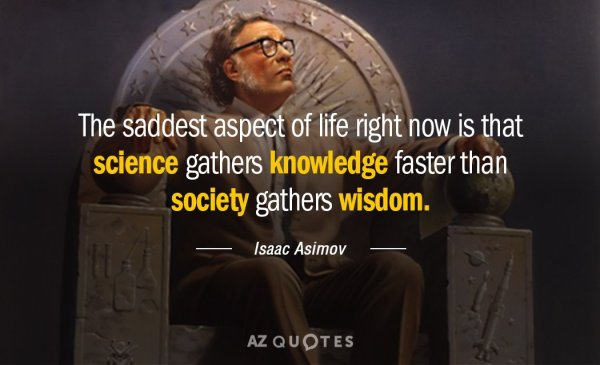
Will Acceleration Exceed Adaptation at the Dawn of AI?

Humanity isn’t evolving fast enough for the tech we’re building. The AI singularity approaches—and our adaptation gap is the real crisis we need to tackle.

The article “Will Acceleration Exceed Adaptation at the Dawn of AI?” discusses the rapid pace of technological advancements, particularly in artificial intelligence, and highlights a concerning disparity between this acceleration and humanity’s ability to adapt. It posits that the impending AI singularity represents not just a technological shift but a significant adaptation challenge. As technology evolves quickly, the potential for societal and ethical crises increases, emphasizing the urgent need for proactive measures to bridge the adaptation gap.

Go to the source and read the whole article: Will Acceleration Exceed Adaptation at the Dawn of AI?

Wasting Your Brain Away in Margaritaville

Spoiler alert: Alcohol is probably not great for your brain.

The article “Wasting Your Brain Away in Margaritaville” from Psychology Today discusses the detrimental effects of alcohol on brain health. It highlights various studies showing that alcohol consumption can lead to cognitive decline, memory issues, and overall negative effects on mental functioning. The piece emphasizes that while social drinking may appear harmless, the long-term impacts of alcohol abuse on the brain can be significant and should be carefully considered.

Go to the source to read the entire article: Wasting Your Brain Away in Margaritaville

Older Can Be Not Only Wiser, but Nicer

The secret weapon? Generativity.

The article “When Older Is Not Only Wiser, but Nicer” explores how older individuals often exhibit greater generativity, a characteristic associated with being caring, productive, and guiding future generations. It highlights that older adults can contribute positively to society through their wisdom and kindness, challenging common stereotypes that associate aging solely with decline. The author’s insights emphasize that age can bring not only wisdom but also improved interpersonal relationships and compassion, making aging a potential source of strength and support for younger generations.

Go to the source article: Older Can Be Not Only Wiser, but Nicer

The blueprint for inner excellence: Jim Murphy

The universe dropped this in my inbox this morning…

I can’t say this is recommended reading because I haven’t read it yet, but I did like the podcast…

Why Motivation Isn’t Enough

The neuroscience behind why drive fades, and how structure, habit, and discipline are the real game changers. I find David Amerland to be a brilliant writer. He writes here: Why Motivation Isn’t Enough and here: https://davidamerland.medium.com/

6 Mental Health Lessons We Can Take From Cats

Know your worth, prioritize rest, and more. The article “6 Mental Health Lessons We Can Take From Cats” discusses valuable insights that can be learned from our feline friends. It highlights the importance of recognizing one’s worth, prioritizing rest, and embracing self-care. Cats exemplify behaviors that encourage a balanced lifestyle, such as establishing boundaries, living in the moment, and enjoying solitude. By observing and emulating these traits, individuals can enhance their mental well-being and lead a more fulfilling life.

Go to the source article: 6 Mental Health Lessons We Can Take From Cats


12 Powerful Questions That Only You Can Answer

The questions we ask ourselves and how we respond can influence who we are and who we might become.

The article “12 Powerful Questions That Only You Can Answer” emphasizes the significance of self-reflection and the impact of our internal dialogues on personal growth. It presents a series of thought-provoking questions designed to encourage individuals to explore their beliefs, values, and motivations. By grappling with these questions, readers can gain insights into their true selves and make more informed decisions, ultimately shaping their identities and futures.

Go to the source article: 12 Powerful Questions That Only You Can Answer

Success

“Success is not dependent on unique attributes but on ordinary qualities taken to an extraordinary degree through ambition and hard work.”

― Doris Kearns Goodwin, Leadership: In Turbulent Times

How Not to Be Owned by Your Emotions and Thoughts

We can’t control the waves of thoughts and emotions that we experience, but we can learn to surf them.

In a culture that often encourages us to control, suppress, or fix our emotions, Buddhist psychology offers a powerful perspective: Emotions are not our enemies. Thoughts are not truths; they are fleeting events in our awareness. True freedom arises not from eliminating these challenges, but from transforming our relationship with them. The SNAP technique invites us to see, name, allow, and rest in the present moment, repeating this process until a compassionate relationship with our emotions and thoughts becomes second nature.

Go to the source article: How Not to Be Owned by Your Emotions and Thoughts

8 Wisdom Skills Never Taught in School

To enrich your life, strengthen these eight essential wisdom skills.

The article “8 Wisdom Skills Never Taught in School” highlights eight essential wisdom skills crucial for personal development and life enrichment. These skills encompass areas often overlooked in formal education, such as emotional intelligence, critical thinking, and interpersonal communication. By strengthening these abilities, individuals can enhance their decision-making, build stronger relationships, and ultimately lead more fulfilling lives. The article serves as a reminder of the importance of continuous learning beyond traditional schooling.

Go to the source article: 8 Wisdom Skills Never Taught in School

Why Do Marriages Succeed?

As a couples counselor, I see relationships that are struggling every week. The formula for success is far less mysterious than many of us realize.

The article “Why Do Marriages Succeed?” from Psychology Today explores the key factors that contribute to the success of marriages. It emphasizes that successful relationships are often built on straightforward principles, such as effective communication, mutual respect, and the ability to navigate conflicts. The author highlights that couples who actively work on their relationship, acknowledge their differences, and remain committed to understanding each other, tend to enjoy more enduring and fulfilling partnerships. The discussion reveals that the path to a thriving marriage may not be as complex as it seems, focusing instead on the importance of consistent effort and connection.

Go to the source to read the entire article: Why Do Marriages Succeed?

Paying Attention in The Attention Economy

The article “Paying Attention: The Attention Economy” explores the concept of the attention economy, where human attention is viewed as a scarce commodity. It discusses how digital platforms and social media vie for users’ attention, often leading to distractions and reduced productivity. The piece highlights the implications of this economy on individual behavior, mental health, and societal structures, emphasizing the need for awareness and strategies to manage attention effectively in a world filled with constant information overload. Furthermore, it considers potential solutions and the importance of fostering environments that prioritize meaningful engagement over mindless consumption.

Go to the source to read the entire article: Paying Attention: The Attention Economy

What Does “Main Character Energy” Actually Mean?

“Main character energy” emerged as a trend to reclaim agency but it may bypass the work needed for genuine transformation.

“Main character energy” refers to the trend of viewing oneself as the protagonist of one’s life, emphasizing self-agency and personal narrative. While this mindset can empower individuals to take charge of their lives, the article cautions that it may sometimes overshadow the deeper, necessary work required for real transformation. Genuine change often involves confronting challenges and engaging in introspection, rather than simply adopting a surface-level persona.

Go to the source to read the entire article : What Does “Main Character Energy” Actually Mean?

Finding Meaning in a Meaningless World

Feeling disconnected, lost, or stuck in a world that seems void of meaning? From inner emptiness to purposeful living using insights from Acceptance and Commitment Therapy (ACT).

In the article “Finding Meaning in a Meaningless World,” the author explores the feelings of disconnection and emptiness that individuals often experience. These feelings can lead to a sense of being lost or stuck in life. The article emphasizes the principles of Acceptance and Commitment Therapy (ACT) as a means to navigate these challenging emotions and move toward a more purposeful existence. By accepting one’s thoughts and feelings instead of avoiding them, individuals can take committed actions that align with their values, ultimately fostering a deeper sense of meaning and fulfillment in their lives.

Go to the source to read the entire article: Finding Meaning in a Meaningless World


How the Five Precepts of Buddhism Reduce Stress

Buddhism’s five precepts offer practical ways to manage stress, boost resilience, and improve mental clarity.

Buddhism’s five precepts are essential guidelines that promote ethical conduct and mental well-being. These precepts not only help practitioners cultivate a mindful lifestyle but also provide practical strategies to manage stress effectively. By adhering to these principles, individuals can enhance their resilience and improve mental clarity. The article from Psychology Today delves into how embracing these precepts can significantly contribute to reducing stress and fostering a calmer, more focused mind.

Go to the source to read the entire article: How the Five Precepts of Buddhism Reduce Stress


Mid-Year Motivation: How to Realign and Restart

January optimism often fades by mid-year. Celebrating our wins and normalizing the setbacks can build the emotional resilience needed to finish the year strong.

In the article “Mid-Year Motivation: How to Realign and Restart,” the author discusses the tendency for January optimism to wane by mid-year. It emphasizes the importance of celebrating achievements while also acknowledging setbacks. This practice can contribute to building emotional resilience, which is essential for maintaining motivation and finishing the year on a strong note.

Go to the source to read the entire article: Mid-Year Motivation: How to Realign and Restart

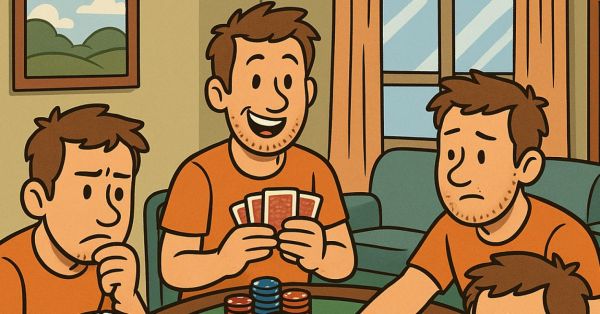
The Poker Game of Life

In life, we make the best decisions we can with the information available at the time, but the results are not always within our control.

In “The Poker Game of Life,” the author explores how life decisions often resemble a game of poker, where individuals must navigate uncertainty and risk based on the information at hand. The article emphasizes that while we strive to make informed choices, the outcomes are not always predictable or under our control. It highlights the importance of understanding the inherent risks in decision-making and accepting that we cannot control every result, much like in a game of poker where luck plays a significant role alongside strategy.

Source: The Poker Game of Life

3 Ways to Kick the Habit of Chronic Complaining

Focusing on the negative can make positive thoughts hard to come by.

In the article “3 Ways to Kick the Habit of Chronic Complaining,” the author explores strategies to overcome a tendency for negative thinking and constant complaining. It emphasizes that focusing on the negative can hinder the ability to see positive aspects in life. The article suggests practical methods to shift one’s mindset, including recognizing the impact of complaints on oneself and others, cultivating gratitude, and actively seeking positive experiences. By adopting these strategies, individuals can enhance their outlook and foster a more positive environment.

Source: 3 Ways to Kick the Habit of Chronic Complaining

The Misery of Chasing Happiness

What if everything you’ve been told about happiness is wrong? Solid empirical research reveals why chasing joy might be sabotaging the very life you want.

In the article “The Misery of Chasing Happiness,” the author explores the paradox that the pursuit of happiness can lead to unhappiness. Citing solid empirical research, the piece argues that the relentless chase for joy may be counterproductive, suggesting that focusing on meaning and purpose in life can lead to greater fulfillment. The article challenges conventional wisdom about happiness, proposing that letting go of the need to be happy can ultimately lead to a more satisfying and enriched life.

Source: The Misery of Chasing Happiness

The Psychology of Becoming Who You Want to Be

Most of us wait for the right moment to change—but what if real transformation happens quietly, inside, before anything outside shifts?

The article “The Psychology of Becoming Who You Want to Be” discusses the concept that true transformation begins internally, often before any external changes occur. It emphasizes the importance of self-reflection and personal growth, suggesting that meaningful change happens quietly within us. By focusing on our inner selves and understanding our desires, we can initiate the process of becoming who we truly wish to be, rather than waiting for external circumstances to align.

Source: The Psychology of Becoming Who You Want to Be

Start a Blog at WordPress.com.

Up ↑