With air traffic controllers in Newark on trauma leave, it feels as though the whole country is suffering from moral injury.
The article “Are We All Suffering From Moral Injury?” explores the widespread psychological impact termed “moral injury,” which arises when individuals feel they have violated their personal moral beliefs. It discusses how this phenomenon is not limited to military personnel but is increasingly relevant in various sectors, including healthcare and public service. The piece highlights the implications of moral injury on mental health and societal functioning, particularly in light of recent traumatic events, such as those affecting air traffic controllers in Newark. It emphasizes the need for acknowledgment and support for individuals grappling with the emotional ramifications of their moral dilemmas.
Is it possible to feel alone while in a relationship? Absolutely! Here are two thoughts from this article I that resonated with me:
“Insecurely attached people may confuse sexual chemistry with authentic connection, or may seek out sexual relationships in lieu of more intimate ones. For example, a more anxiously attached person may ignore or downplay the red flags of incompatibility because of the rush of sexual chemistry with someone. They may begin fantasizing the relationship “potential” instead of examining things from a more realistic perspective. Contrarily, those who are more avoidantly attached may choose casual physical relationships as more comfortable than exploring emotional intimacy with someone. Red flags that this may be happening include using one relationship to get over another, or the focus of the relationship being based on sex. However, a deeper dive often reveals feelings of emptiness and loneliness within the relationship because of a lack of intimate conversation, no emotional connection, and feelings of boredom around the person. Perhaps the biggest sign of confusing sexual chemistry with connection is that many people report feeling lonelier in the relationship than they did before it.“
And…
“First, it is important to be real with yourself and your motivations surrounding romantic relationships, any unresolved attachment insecurities, and where you are in your own healing journey. Hence, it is important to address any unresolved trauma with a psychologist that may be influencing your relationship choices or patterns. Loneliness in a relationship typically stems from a lack of meaningful connection with your partner. Building connection is more than just spending your free time with that person, or being sexually compatible. It’s based on quality time, in building healthy, intimate, and deep communication, and establishing shared experiences together. It is also based on learning where your unmet emotional needs are, and in engaging in healthy conflict resolution. These all require becoming more comfortable with being vulnerable both with yourself and your partner.”
Neuroplasticity, the brain’s remarkable ability to change and adapt, has captivated the minds of researchers and scientists for decades. This phenomenon refers to the brain’s capacity to reorganize itself by forming new neural connections in response to learning, experience, and even injury. In this blog post, we will delve into the fascinating world of neuroplasticity and explore its implications for human development and rehabilitation.
Gaslighting, a term coined from the 1944 film “Gaslight,” refers to a manipulative tactic used by individuals to undermine the reality, perceptions, and emotions of others. It is a form of psychological abuse that can leave the victim feeling confused, doubting their own sanity, and questioning their own reality. In this blog post, we will explore what gaslighting is, how it affects individuals, and provide strategies to defend against it.
What is Gaslighting?
At its core, gaslighting is a pattern of behavior that involves psychological manipulation, causing the victim to doubt their memory, perceptions, and even their own sanity. Gaslighters employ a range of tactics such as denial, manipulation of facts, distortion of reality, and withholding information to gain control and power over their victims. Gaslighting often occurs in personal relationships, but it can also manifest in professional settings or larger social dynamics.
Gaslighting tactics can be subtle and gradual, making it difficult for victims to immediately recognize the manipulation. Here are some common signs of gaslighting:
Constantly questioning your memory: Gaslighters often express doubt or disbelief about events, causing you to question your recollection of past experiences.
Withholding information or resources: Gaslighters may deliberately withhold information or resources, making you dependent on them and undermining your sense of autonomy.
Denying their actions or shifting blame: Gaslighters may deny their wrongdoing or shift blame onto you, making you doubt your perception of reality.
Using your vulnerabilities against you: Gaslighters exploit your weaknesses, insecurities, or fears to manipulate and control your emotions.
Contradicting your experiences: Gaslighters may invalidate your experiences and emotions, making you feel like your thoughts and feelings are invalid or irrational.
Impact of Gaslighting
Gaslighting can have profound emotional and psychological effects on individuals. Victims may experience:
Doubt and confusion: Gaslighting can erode confidence and self-trust, leaving victims second-guessing their judgment and decisions.
Anxiety and self-doubt: Gaslighting can cause feelings of constant anxiety, self-doubt, and hypervigilance as victims try to anticipate and navigate the gaslighter’s manipulative tactics.
Isolation and dependence: Gaslighters often isolate their victims, making them increasingly dependent on the gaslighter for validation and support.
Low self-esteem: Continuous gaslighting can lead to lowered self-esteem, as victims internalize the gaslighter’s negative narratives about themselves.
Loss of identity: Gaslighting can cause victims to question their values, beliefs, and even their sense of reality, leading to a loss of personal identity.
Defending Against Gaslighting
Although dealing with gaslighting can be challenging, it is possible to protect yourself and regain your sense of self. Here are some strategies to defend against gaslighting:
Educate yourself: Learn about gaslighting and its tactics, as recognizing them is the first step towards countering them.
Trust your instincts: Believe in your intuition and feelings, and trust that your experiences are valid.
Seek support: Reach out to trusted friends, family, or a therapist who can provide a supportive and objective perspective.
Set boundaries: Establish clear boundaries to protect yourself from further manipulation and enforce consequences if they are crossed.
Practice self-care: Engage in activities that promote self-care, self-worth, and self-compassion. This could include journaling, practicing mindfulness, or engaging in hobbies you enjoy.
Document incidents: Keep a record of gaslighting incidents, including dates, times, and descriptions. This can help validate your experiences and provide evidence if needed.
Consider professional help: If the gaslighting is severe or pervasive, consider seeking professional help from a therapist specializing in trauma or abuse.
Remember, recovery from gaslighting takes time, support, and self-compassion. With dedication and self-belief, it is possible to reclaim your sense of reality and rebuild your life free from manipulation.
If you need additional support or resources, consider reaching out to helplines or organizations that specialize in abuse or mental health.
Intimacy is the bedrock of any successful relationship, fostering emotional connection and trust between partners. However, sometimes couples may find themselves struggling with a phenomenon called “intimacy anorexia.” In this article, we will delve into the causes of intimacy anorexia and explore strategies to overcome it, fostering a healthier and more fulfilling relationship.
Dr. Maté generously shares his deep understanding of childhood trauma, vulnerability, grief, and emotional distress. He explains what real trauma is and how time doesn’t necessarily lead to healing, how vulnerability is ingrained in us since we are young and the importance of these formative years to mold our emotional health, and the societal expectations we always try to meet but have never truly given us real fulfillment. We also exchange thoughts on dealing with grief, how we struggle to identify with the people we look up to, and how childhood experience varies for every child even when they are raised in a similar environment.
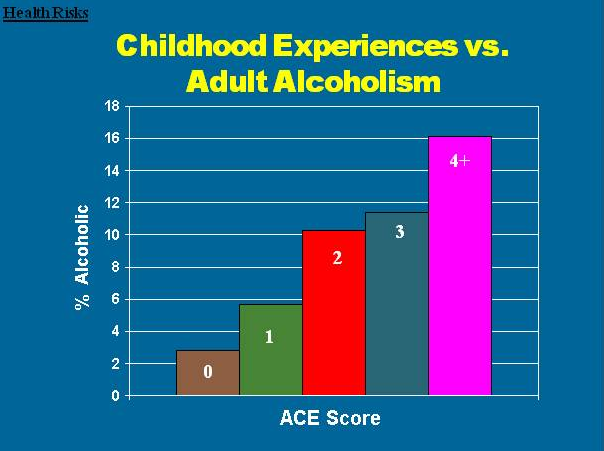
What ACEs do you have? There are 10 types of childhood trauma measured in the CDC-Kaiser Permanente Adverse Childhood Experiences Study. The number of ACEs and offsetting PCEs play a huge role in your childhood growth and development and could give you insight into addictive behaviors. Go to the source: What ACEs/PCEs do you have?
Gabor Mate explains the significance of childhood trauma here:
Gabor Mate is a multi-bestselling author and a world leading expert on trauma and how it effects us throughout our whole lives. A holocaust survivor and a first generation immigrant, Gabor’s knowledge and wisdom on the scars trauma leaves behind is deep and drawn from personal experience.
Gabor Maté CM (born January 6, 1944) is a Hungarian-born Canadian physician. He has a background in family practice and a special interest in childhood development and trauma, and in their potential lifelong impacts on physical and mental health, including on autoimmune disease, cancer, ADHD, addictions, and a wide range of other conditions. Now retired from clinical practice, he travels and speaks extensively on these and related topics, both in North America and abroad. His books have been published internationally in over twenty-five languages. Maté’s approach to addiction focuses on the trauma his patients have suffered and looks to address this in their recovery, with special regard to indigenous populations around the world.




















 Bright, shiny objects!
You must be logged in to post a comment.