Dr. Maté generously shares his deep understanding of childhood trauma, vulnerability, grief, and emotional distress. He explains what real trauma is and how time doesn’t necessarily lead to healing, how vulnerability is ingrained in us since we are young and the importance of these formative years to mold our emotional health, and the societal expectations we always try to meet but have never truly given us real fulfillment. We also exchange thoughts on dealing with grief, how we struggle to identify with the people we look up to, and how childhood experience varies for every child even when they are raised in a similar environment.
@dottotech talks about Google Photos — a must have tool for business and personal images…
Part 5 of our Google Basics series is Google Photos! Want to know the ins-and-outs of the best photo management app on the market? Google photos will make it easier to access your photos, and more efficiently organize your photos.#askdottotechhttps://t.co/skSrV9SiAn
I believe that mind-mapping is a special skill that will help you organize your thoughts for business or life. Here’s Brian Johnson’s take. Click the title to watch the video…
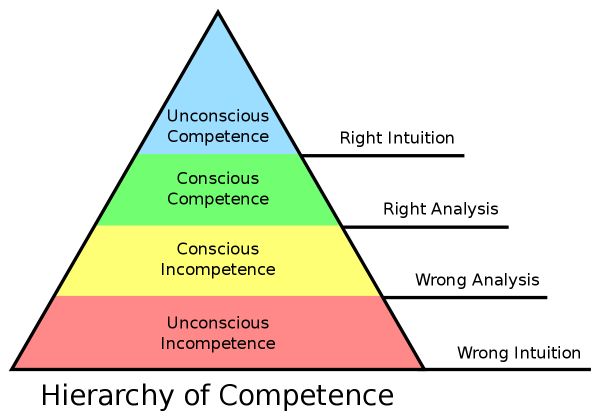
The four stages of competence, also known as the four stages of learning, is a model based on the premise that before a learning experience begins, learners are unaware of what or how much they know (unconscious incompetence), and as they learn, they move through four psychological states until they reach a stage of unconscious competence.
By understanding the model, trainers can better identify learning needs and develop learning objectives based on where their target audience is in the four stages related to a given topic: The Four Stages of Competence – Training Industry



 Bright, shiny objects!