5 Symptoms of Repressed Anger

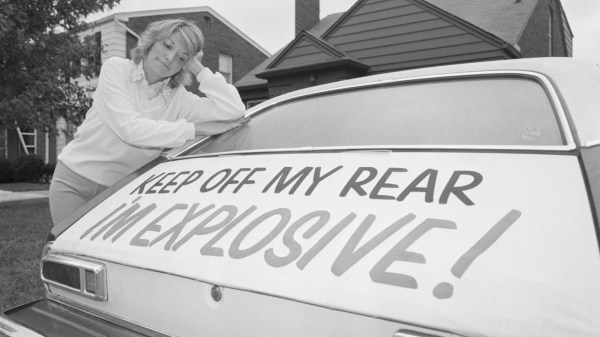
What repressed anger looks like. Source: 5 Symptoms of Repressed Anger

Why You Need Instant Gratification, According to Science

We spend about 43 per cent of our day doing things without thinking about them. For many of these habitual behaviours, we don’t recognise them as such. However, these learned behaviours are necessary for living our life.

Wendy Wood

I’m a huge fan of the book The ONE Thing. In it, the author Gary Keller talks about the idea that you really don’t need to be as disciplined as you think. Why? Because you only need enough discipline to start a habit and the habit then takes over. Go to the source: Why You Need Instant Gratification, According to Science

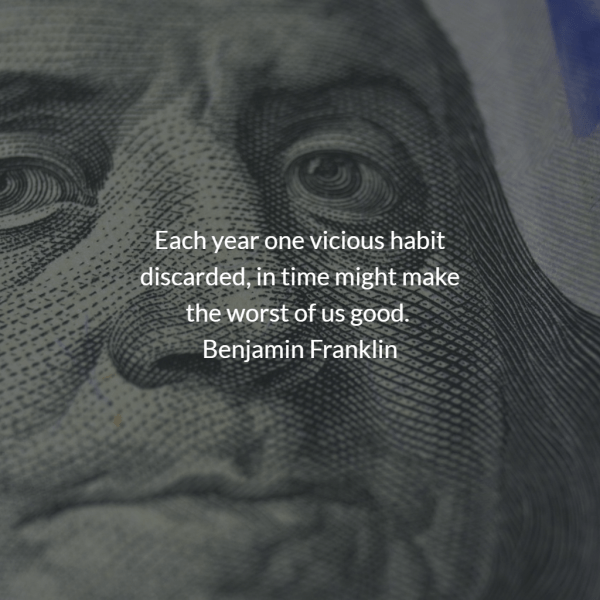
Each year one vicious habit discarded…

At this point in my life, I’m not really looking to add anything new. However, I am looking to discard things that no longer serve me. Toward that end, I share this:

Each year one vicious habit discarded, in time might make the worst of us good.

Benjamin Franklin

How to Make Good New Year’s Resolutions

It is easier to make them than to resolve them. Source: How to Make Good New Year’s Resolutions

btw, if you’re looking for ways to make 2022 your best year ever, check out this lesson from Brian Johnson.

Do you do it or does it do you via @alanwatts

https://www.youtube.com/watch?v=2afneB8omBk

How to Play The Game of Life

https://www.youtube.com/watch?v=asHqiyMpNxk

How to Be a Critical Thinker

WikiHow writes: “Sometimes it can be hard to navigate this world of ours. It’s so easy to be led down the wrong paths by the charlatan map-makers of human society. Merely trusting in this system ensures that you will be misled and scammed and made a fool. Without critical thinking ability, there is nothing standing between you and the lies. However, with critical thinking ability, there is nothing standing between you and the truth.” Here are some thoughts on how to become more of a critical thinker! Source: How to Be a Critical Thinker

You 2.0: Deep Work

When your phone buzzes or a notification pops up your screen, do you stop what you’re doing to look and respond? That’s what many of us are doing. Even though we think we should be less distracted by technology, we haven’t admitted the true cost of these interruptions. This week, we revisit our 2017 conversation with computer scientist Cal Newport, and consider ways we can all immerse ourselves in more meaningful work. Source: You 2.0: Deep Work

Where Does Implicit Bias Come From?

Unfortunately, even young kids have mental maps that nurture unconscious bias. Source: Where Does Implicit Bias Come From?

The Three Buddhist Steps to Repairing #Relationships

“The intention of deep listening and loving speech is to restore communication, because once communication is restored, everything is possible.” Source: The Three Buddhist Steps to Repairing Relationships

Revealing the logic of the body’s ‘second brain’

Researchers have made a surprising discovery about the human gut’s enteric nervous system that itself is filled with surprising facts. For starters, there’s the fact that this ‘second brain’ exists at all: Revealing the logic of the body’s ‘second brain’: Scientists discover new science in the gut and, potentially, new leads on how to treat irritable bowel syndrome and other disorders

Can Walking Reverse Brain Aging?

A recent study finds that exercise can strengthen the brain and improve memory: Can Walking Reverse Brain Aging?

People’s words and actions can actually shape your brain — a neuroscientist explains how 

It’s ironic but true: The best thing for your nervous system is another human and the worst thing for your nervous system is another human. Neuroscientist Lisa Feldman Barrett tells us why: People’s words and actions can actually shape your brain — a neuroscientist explains how 

The Halo Effect: Why It’s So Difficult To Understand The Past via @hiddenbrain

This is the latest episode of one of my favorite podcasts:

“Judy, Lyn and Donna Ulrich were driving to a volleyball game when their Ford Pinto was hit from behind by a Chevy van. The Pinto caught fire, and the three teenagers were burned to death. This week on Hidden Brain, we talk to a former Ford insider who could have voted to recall the Pinto years before the Ulrich girls were killed — but didn’t. And we ask, is it possible to fairly evaluate our past actions when we know how things turned out? Source: The Halo Effect: Why It’s So Difficult To Understand The Past : Hidden Brain

How Running Makes the Brain More Resilient to Stress

Exercise increases galanin in the locus coeruleus and boosts stress resilience: How Running Makes the Brain More Resilient to Stress

How exposure to different people affects our thinking

10 ‘Lizard Brain’ Actions That Poison Intimate Relationships

And 10 U-turns that can heal them: 10 ‘Lizard Brain’ Actions That Poison Intimate Relationships

Love in the Profound Part of the Brain

To love well, balance autonomy and connection: Love in the Profound Part of the Brain

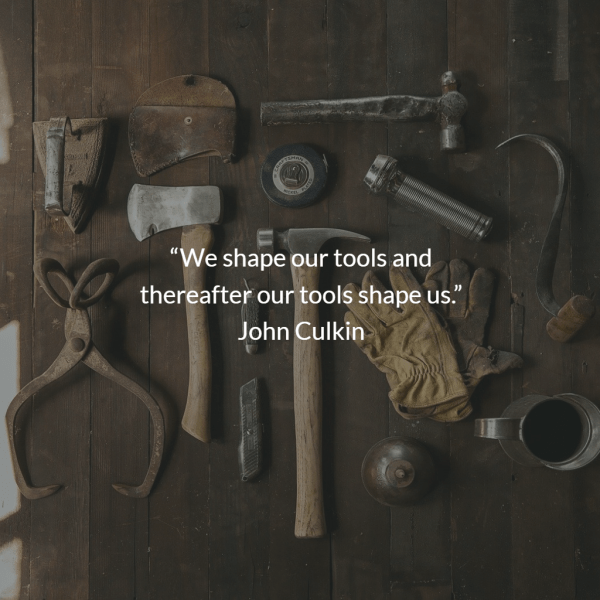
“We shape our tools and thereafter our tools shape us”

“The quote “We become what we behold. We shape our tools and then our tools shape us”  is often mistakenly attributed to Marshall McLuhan. It does NOT appear in “Understanding Media”, as Wilson Miner confidently asserts in the presentation below, indeed it does not appear in any published work by McLuhan at all. The quote was actually written by Father John Culkin, SJ, a Professor of Communication at Fordham University in New York and friend of McLuhan. But though the quote is Culkin’s, I would argue that the idea is McLuhan’s, as it comes up in an article by Culkin about McLuhan: Culkin, J.M. (1967, March 18). A schoolman’s guide to Marshall McLuhan. Saturday Review, pp. 51-53, 71-72. The idea presented in the quote is entirely consistent with McLuhan’s thinking on technology in general.”

Source: “We shape our tools and thereafter our tools shape us” | McLuhan Galaxy

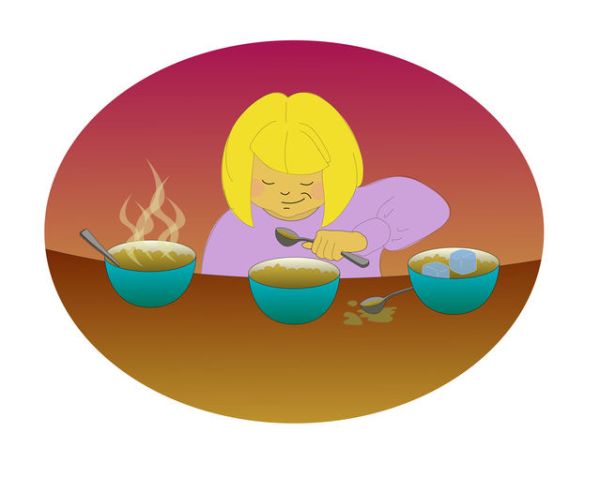
Finding Goldilocks: A Solution for Black-and-White Thinking

The sweet spot between opposite extremes is the zone of effective living: Finding Goldilocks: A Solution for Black-and-White Thinking

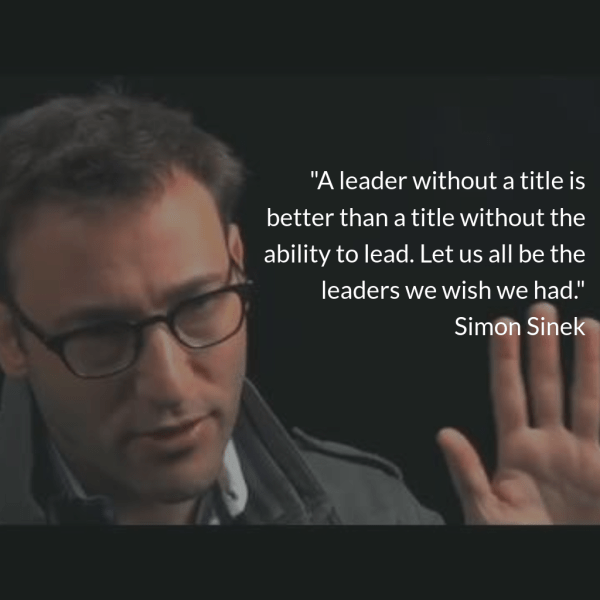
Leaders eat last

My son is a former Marine captain. When he was going through Officer Candidate School, he told me there were times when he was leading a unit on an exercise and he didn’t have a chance to eat. Why? “Leaders eat last” he told me…

“This one choice, whether a leader puts themselves or their people first, determines if they are worthy of our love and loyalty.”

If you like this thinking, you can get the book here:

Start a Blog at WordPress.com.

Up ↑