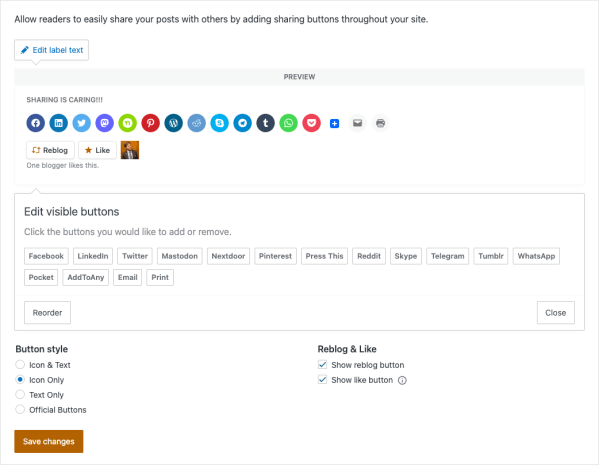
Turn on all the sharing buttons on your blog — including reblog — and make it easier for people to promote your work! In case you haven’t been there for a while, there are new options like AddToAny and Mastodon…
Do yourself and your readers a favor
Thinks I find along the way
Turn on all the sharing buttons on your blog — including reblog — and make it easier for people to promote your work! In case you haven’t been there for a while, there are new options like AddToAny and Mastodon…

I’m sharing this quick screencast for any of my fellow bloggers who might want to streamline their curation process with a few simple changes. Let me know what you think in the comments…
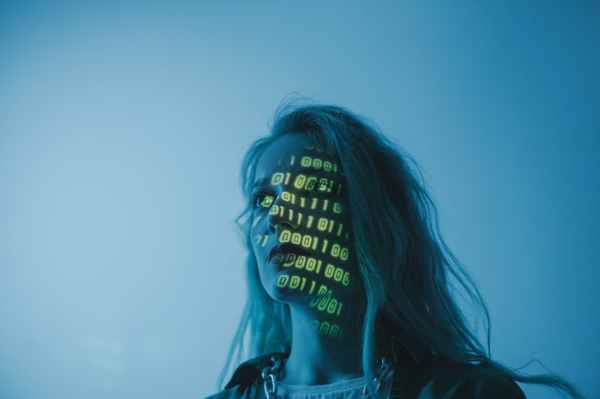
Artificial intelligence is here, but can bring anxiety: the pros and cons. Source: The Psychological Fears Associated With AI
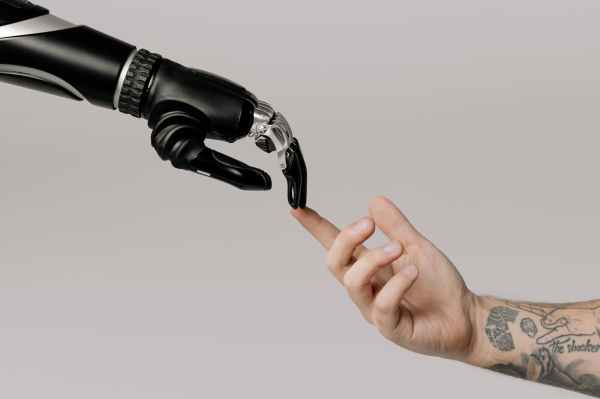
AI-anxiety is all over the news and on our minds. What can we do about it? Source: Is AI Taking Over?
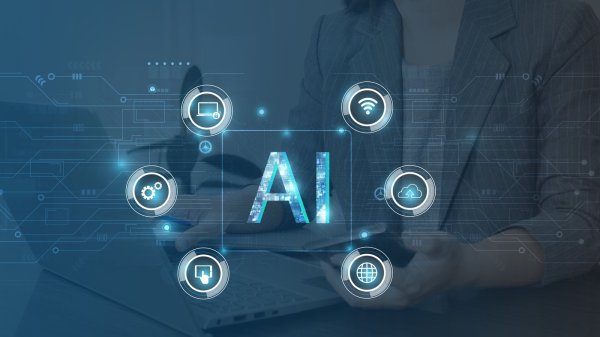
More than a quarter of jobs in the OECD rely on skills that could be easily automated in the coming artificial intelligence revolution, and workers fear they could lose their jobs to AI, the OECD said today. Source: 27% of jobs at high risk from AI revolution – OECD

Artificial intelligence (AI) is a rapidly developing technology with the potential to revolutionize many aspects of our lives. However, there are also some potential dangers associated with AI that we need to be aware of.
Some of the most serious dangers of AI include:
It is important to be aware of these dangers so that we can take steps to mitigate them. Some of the things we can do include:
The future of AI is uncertain, but it is important to start thinking about the potential dangers now so that we can avoid them. By taking steps to mitigate the risks, we can ensure that AI is used for good and not for harm.
In addition to the dangers listed above, there are also some other potential risks of AI that we need to be aware of. These include:
The dangers of AI are real, but they should not be overstated. AI is a powerful technology, but it is also a tool. It is up to us to decide how we use AI, and to ensure that it is used for good and not for harm.
If you read all the way to this point, you might be interested to know that this entire article (except this sentence) was written by Google Bard based on the instruction ‘write a blog post about the dangers of artificial intelligence’.
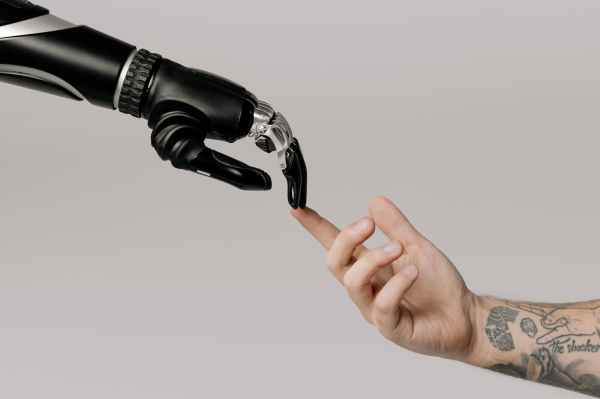
A practical guide to how you can and can’t use AI in your everyday life—even if it feels terrifying right now. Source: How You Should Be Using ChatGPT Right Now

The World Wide Web was created all the way back in 1989. Here’s a look at the history of the web as we know it, up to the present day. Source: A History of the World Wide Web From 1989 to the Present Day
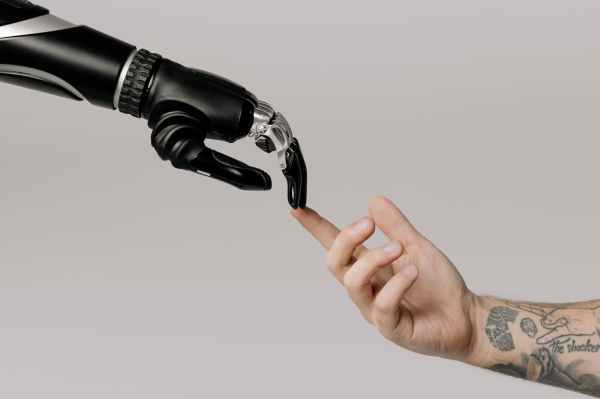
AI can provide insights and perspectives on various topics, but it is unlikely to provide a definitive answer to life’s biggest questions, such as the meaning of life, the nature of consciousness, or the existence of a higher power.
These questions are philosophical and often require a subjective interpretation of human experience and values, which are difficult for AI to comprehend. While AI can process and analyze vast amounts of data, it cannot replace human intuition, creativity, and empathy in understanding complex philosophical concepts.
That being said, AI can help us explore different perspectives and test hypotheses related to these questions, potentially leading to new insights and discoveries. But ultimately, the search for answers to life’s biggest questions will continue to require human inquiry, contemplation, and reflection.
Iain Thomas and Jasmine Wang offer a different perspective. By the way, the first three paragraphs were written by AI in response to the title question…
For an opposing perspective, consider this…

While some screen use may be problematic, practical tips can help you manage the risks. Source: What to know about new research on screen time and kids’ mental health
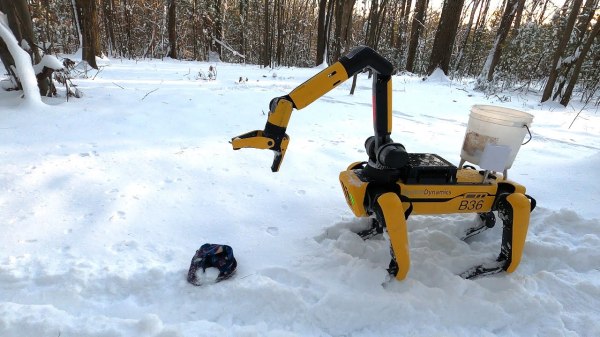
This could be the most amazing and terrifying thing I’ve ever seen! What do you think about Spot? Comment below…

New study reveals the negative impact of impolite workplace emails: Rude Emails Can Harm Your Mental Health

Here are some (what I think) are compelling ideas on privacy and your ‘online life’ from multiple perspectives. Dig in!
How will these perspectives inform you? What, if any online behaviors will you change? I’m thinking about it…
Now more than ever with the advent of new audio and video — like ‘deepfake’ — technologies to ‘stay woke, bitches’…
Are you confused about how Google Accounts work within Gmail and G Suite? Watch this:
Here’s something I want to add to Steve’s observations…

Need transcriptions? Watch this…
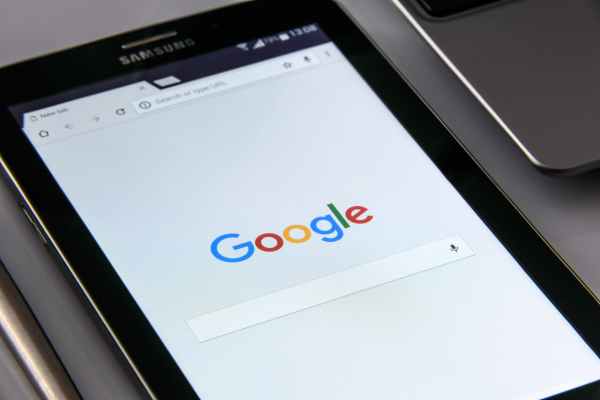
Whenver I begin to work with a new client, I immediately establish a Google Account that we both can share. Why? For practical starters, I don’t want access to someone’s Gmail account — that’s a whole lot of trust issue that I don’t want to deal with. Second, the account gives us a place to create, share and store together. Third? Look at all the tools that come with a Google account at no additional cost. There’s simply nothing that beats a Google Account for good, fast and cheap!

 Bright, shiny objects!
You must be logged in to post a comment.