No one is responsible for your emotions

Progress

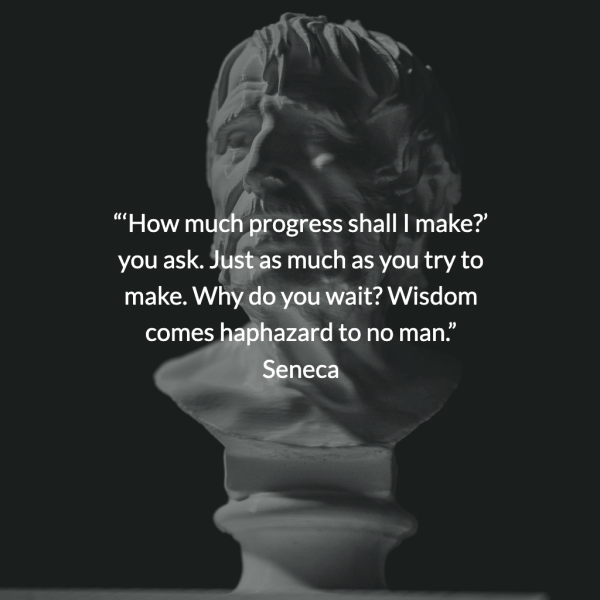
“‘How much progress shall I make?’ you ask. Just as much as you try to make. Why do you wait? Wisdom comes haphazard to no man.”

Seneca

Know

Thank you, Karl Duffy…

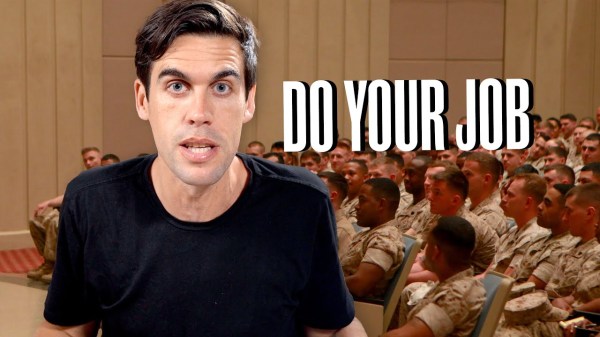
The Stoic Art Of Not Panicking: @RyanHoliday Speaks To The U.S. Marine Corps

This caught my eye as I have two sons and a brother-in-law that are ‘prior service Marines’ (this much I know — one must never say ex-Marines). I was interested to see how Marines would respond to stoic thinking.

12 Ways Stoics Build Mental Strength And Resilience

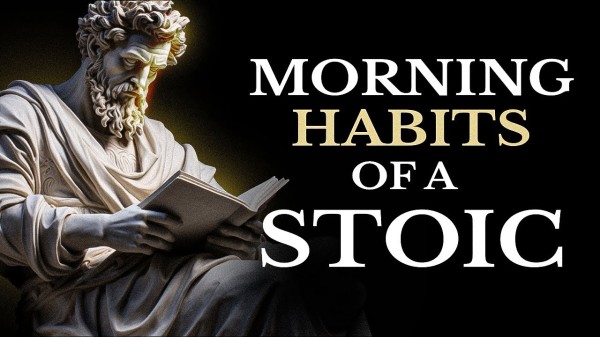
Begin your day the Stoic way

“The first hour is the rudder of the day” I have heard it said and what you put in that hour can make or break you. Consider starting your day like a Roman emperor!

If you’re looking for a resource to help you, may I suggest the following:

Bonus video:

Learn to be indifferent

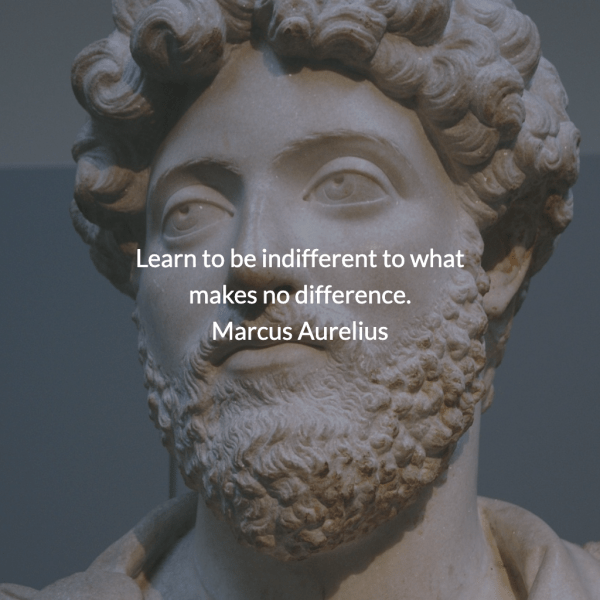
Learn to be indifferent to what makes no difference.

Marcus Aurelius

This is why you need to apply Stoicism to your life

Coach Greg Harden On Training Tom Brady and the Mindset Of Champions

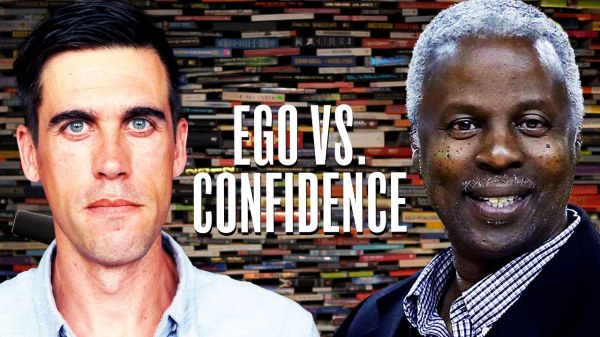
Ryan speaks with Greg Harden about how Stoicism influenced his new book Stay Sane in an Insane World: How to Control the Controllables and Thrive, the techniques that he has used to coach so many sports greats to the highest levels of success, the difference between confidence and ego, why Tom Brady likes The Obstacle Is The Way, and more.

Powerful Stoic Quotes That Will Change Your Life

Ryan Holiday says ‘We all need a little motivation from time to time. A swift kick when we’re feeling a bit uninspired.’

Saving Private Ryan; Ending Scene

I don’t know why, but every time I watch this clip I weep. “Tell me I’m a good man. Tell me I’ve lived a good life.” Isn’t this all every man wants to hear?

Stoic Advice For Hard Days

In every way the deck was stacked against Epictetus. 2,000 years ago in Hierapolis, he was born into slavery. He wasn’t even given a name–Epictetus just means “acquired one.” He was tortured. The fruits of his labor were stolen. His body was abused. Like a horse that was ridden into the ground and then put down. Later he was unfairly exiled. He went through unimaginable adversity and difficulty and yet he triumphed.

Ryan Holiday

Choose the lens you use to look at the world 

Bonus: Are there parallels between stoicism and buddhism?

50 Rules For Life From Marcus Aurelius

“Marcus Aurelius was a Roman emperor, born nearly two millennia ago (121 – 180). Marcus became the Emperor of the Roman Empire in 161 and ruled for nearly two decades until his death in 180. It is important to realize the gravity of that position and the magnitude of power that Marcus possessed. He held one of—if not the most—powerful positions in the world at the time. If he chose to, nothing would be off limits. There is a reason the adage that power in absolute absolutely corrupts has been repeated throughout history—it unfortunately tends to be true. And yet, as the essayist Matthew Arnold remarked, Marcus proved himself worthy of the position he was in.”

Recommended reading; Raffaello Palandri

I recently connected with a very interesting person on WordPress; Raffaello Palandri. You can find his website here. He also has authored a few books that I’m interested in digging into. You can find them on Amazon…


Both are free for Amazon Unlimited customers…

Are there parallels between stoicism and buddhism?

Yes, there are many parallels between Stoicism and Buddhism. Both philosophies emphasize the importance of virtue, wisdom, and living in accordance with nature. They also both teach that suffering is caused by attachment to material things and that the way to achieve happiness is to let go of these attachments.

Here are some of the key parallels between Stoicism and Buddhism:

  • The nature of suffering: Both Stoics and Buddhists believe that suffering is a natural part of life. However, they differ in their understanding of the cause of suffering. Stoics believe that suffering is caused by our attachment to material things and our judgments about external events. Buddhists believe that suffering is caused by our ignorance of the true nature of reality.
  • The path to happiness: Both Stoics and Buddhists believe that the path to happiness is to live in accordance with nature. Stoics believe that this means living a life of virtue, wisdom, and self-control. Buddhists believe that this means living a life of compassion, mindfulness, and detachment.
  • The importance of virtue: Both Stoics and Buddhists believe that virtue is essential for a happy and fulfilling life. Stoics define virtue as living in accordance with nature, while Buddhists define it as living a life of compassion, wisdom, and mindfulness.
  • The importance of wisdom: Both Stoics and Buddhists believe that wisdom is essential for a happy and fulfilling life. Stoics define wisdom as the ability to see things as they really are, while Buddhists define it as the ability to see the interconnectedness of all things.
  • The importance of meditation: Both Stoics and Buddhists practice meditation as a way to cultivate virtue, wisdom, and detachment. Stoics use meditation to train their minds to focus on the present moment and to control their emotions. Buddhists use meditation to train their minds to see the true nature of reality and to let go of attachments.

Despite their similarities, Stoicism and Buddhism also have some important differences. For example, Stoics believe in the existence of free will, while Buddhists believe that everything is determined by karma. Stoics also believe in the existence of a soul, while Buddhists believe that there is no such thing as a soul.

Despite these differences, Stoicism and Buddhism are both valuable philosophies that can offer us guidance on how to live a happy and fulfilling life.

What Marcus Aurelius Learned from His Father About Being a Good Man

Another excellent post from Ryan Holiday, this time about the things that Marcus Aurelius learned from his father:

Perseverance: 7 Stoic Lessons on How To Keep Going

Ryan Holiday writes The question of why and how we are supposed to live has been contemplated for centuries.  Absurdist Albert Camus wrote that life is like the Sisyphean task of pushing a boulder up a mountain for all of eternity. Existence itself, in other words, is persevering. Camus writes, “One must imagine Sisyphus happy.”  So, how do we persevere well? How do we persevere happily?  Go to the source: Perseverance: 7 Stoic Lessons on How To Keep Going

Why Indifference is Power; Priceless Benefits of Being Indifferent

How Stoics Find Balance In Their Life

Ancient Wisdom Meets Modern Therapy

Six ways to harness the power of stoicism and cognitive behavioral therapy. Source: Ancient Wisdom Meets Modern Therapy

Start a Blog at WordPress.com.

Up ↑