By comparing the amount of traffic to the three highest globally ranked pornography sites (Xvideos, Pornhub, and XNXX) with several prominent digital media properties, it remains true that Americans visit porn sites at astronomical rates.
Using a set of metrics that includes indicators of monthly unique visitors as well as monthly pageviews, the authors found that the top three pornography sites are more highly ranked than the most well-known household name sites (Amazon, Netflix, Yahoo) as well as those that are the most up and coming (TikTok, OpenAI/ChatGPT, Zoom).
Exactly how great is this disparity? In a word, huge. Xvideos, the top-ranked pornography site, had 700,000,000 more total visits than Amazon and 900,000,000, 1,100,000,000, 1,300,000,000, 1,500,000,000, and 1,800,000,000 more total visits than TikTok, OpenAI, LinkedIn, Netflix, and The Weather Channel, respectively. Winner, winner!” Source: How Much Porn Do Americans Really Watch?
“When it comes to making big decisions, you probably lean more toward thinking with your head or your heart, as it’s typically ingrained in your character. There’s not one right way to respond to a situation, but sometimes certain circumstances might benefit you better when you think in a particular way, even if you just don’t quite know it yet. The best way to manage your thought process is to find a healthy balance where you can make decisions using both and realize which method might serve you best. Here are some tips for understanding whether you’re prone to leading with your heart or focusing more on what your head is saying, and how to navigate these situations when you’re looking for the perfect answer that most resonates with what you really need.” Source: The #1 Way To Know If You Think With Your Head Or Your Heart | YourTango
A very Taoist viewpoint, seeing that whatever is arising in our lives is already arising, and some element of wisdom comes from accepting that. Source: Sunday Quote: Flow
Gaslighting, a term coined from the 1944 film “Gaslight,” refers to a manipulative tactic used by individuals to undermine the reality, perceptions, and emotions of others. It is a form of psychological abuse that can leave the victim feeling confused, doubting their own sanity, and questioning their own reality. In this blog post, we will explore what gaslighting is, how it affects individuals, and provide strategies to defend against it.
What is Gaslighting?
At its core, gaslighting is a pattern of behavior that involves psychological manipulation, causing the victim to doubt their memory, perceptions, and even their own sanity. Gaslighters employ a range of tactics such as denial, manipulation of facts, distortion of reality, and withholding information to gain control and power over their victims. Gaslighting often occurs in personal relationships, but it can also manifest in professional settings or larger social dynamics.
Gaslighting tactics can be subtle and gradual, making it difficult for victims to immediately recognize the manipulation. Here are some common signs of gaslighting:
Constantly questioning your memory: Gaslighters often express doubt or disbelief about events, causing you to question your recollection of past experiences.
Withholding information or resources: Gaslighters may deliberately withhold information or resources, making you dependent on them and undermining your sense of autonomy.
Denying their actions or shifting blame: Gaslighters may deny their wrongdoing or shift blame onto you, making you doubt your perception of reality.
Using your vulnerabilities against you: Gaslighters exploit your weaknesses, insecurities, or fears to manipulate and control your emotions.
Contradicting your experiences: Gaslighters may invalidate your experiences and emotions, making you feel like your thoughts and feelings are invalid or irrational.
Impact of Gaslighting
Gaslighting can have profound emotional and psychological effects on individuals. Victims may experience:
Doubt and confusion: Gaslighting can erode confidence and self-trust, leaving victims second-guessing their judgment and decisions.
Anxiety and self-doubt: Gaslighting can cause feelings of constant anxiety, self-doubt, and hypervigilance as victims try to anticipate and navigate the gaslighter’s manipulative tactics.
Isolation and dependence: Gaslighters often isolate their victims, making them increasingly dependent on the gaslighter for validation and support.
Low self-esteem: Continuous gaslighting can lead to lowered self-esteem, as victims internalize the gaslighter’s negative narratives about themselves.
Loss of identity: Gaslighting can cause victims to question their values, beliefs, and even their sense of reality, leading to a loss of personal identity.
Defending Against Gaslighting
Although dealing with gaslighting can be challenging, it is possible to protect yourself and regain your sense of self. Here are some strategies to defend against gaslighting:
Educate yourself: Learn about gaslighting and its tactics, as recognizing them is the first step towards countering them.
Trust your instincts: Believe in your intuition and feelings, and trust that your experiences are valid.
Seek support: Reach out to trusted friends, family, or a therapist who can provide a supportive and objective perspective.
Set boundaries: Establish clear boundaries to protect yourself from further manipulation and enforce consequences if they are crossed.
Practice self-care: Engage in activities that promote self-care, self-worth, and self-compassion. This could include journaling, practicing mindfulness, or engaging in hobbies you enjoy.
Document incidents: Keep a record of gaslighting incidents, including dates, times, and descriptions. This can help validate your experiences and provide evidence if needed.
Consider professional help: If the gaslighting is severe or pervasive, consider seeking professional help from a therapist specializing in trauma or abuse.
Remember, recovery from gaslighting takes time, support, and self-compassion. With dedication and self-belief, it is possible to reclaim your sense of reality and rebuild your life free from manipulation.
If you need additional support or resources, consider reaching out to helplines or organizations that specialize in abuse or mental health.
My biological father was a ‘sperm donor’. I can relate to this author: “After my father left, I struggled with abandonment issues, people-pleasing, anxiety, and low self-esteem. Here’s how I found my worth. Source: How I Found My Worth in Spite of My Father’s Abandonment – Tiny Buddha”
Richard Rohr writes “we each carry a certain amount of pain from our very birth. If that pain is not healed and transformed, it actually increases as we grow older, and we transmit it to people around us. We can become violent in our attitudes, gestures, words, and actions.” Source: A Loving Inner Witness
Personality tests and horoscopes promise a deeper understanding of who we are. But do these categorizations serve—or just limit—us? Source: Why Are We so Fascinated by Ourselves?
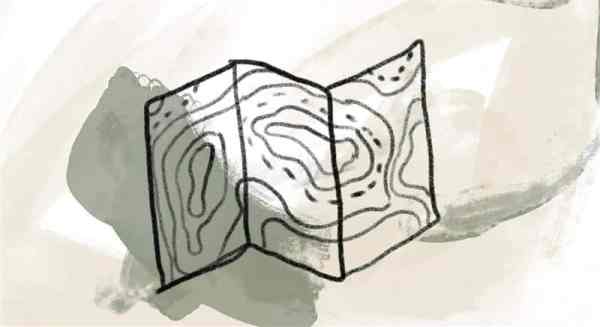
Me personally? These tests can be useful as a tool for understanding but we have to remember what M. Scott Peck said about ‘the map is not the territory’. Please comment!
Stop thinking about the person who hurt you. Learn how to stop obsessing over someone today so you can finally let go and move on. Source: How to Stop Obsessing Over Someone
“There is always a linkage between the inner journey of contemplation and our ability to work against violence in the world, in our culture, and in ourselves. As long as we bring to our actions a violence that primarily exists within ourselves, nothing really changes. The future is always the same as the present. That’s why we have to change the present.” Source: Nonviolence Begins Within


















 Bright, shiny objects!
You must be logged in to post a comment.