Books show us what it is like to be another and at the same time return us to ourselves. We read to learn how to live — how to love and how to suffer, how to grieve and how to be glad. We read to clarify ourselves and to anneal our values. We read for the assurance that others have lived through what we are living through. “You think your pain and your heartbreak are unprecedented in the history of the world, but then you read,” James Baldwin reflected in his most personal interview.
And yet while books may give us a foothold for the disorientation of being and an antidote to our existential loneliness, the paradox of living is that no example, no parallel, no borrowed wisdom is a substitute for life itself. The story of our own lives is only ever written on the blank page of living, our store of wisdom only ever found in the deepening truth of our own experience.
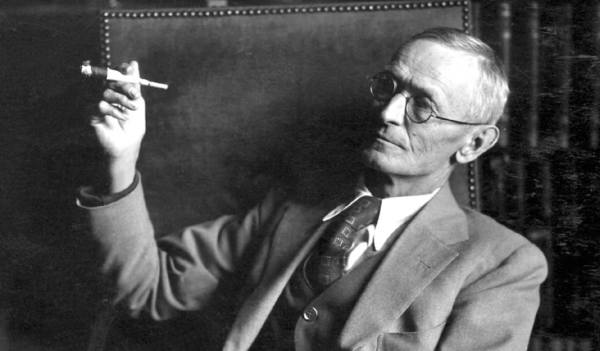
In 1918 — more than a decade before he penned his magnificent essay on the timeless magic of books and three decades before he was awarded the Nobel Prize in Literature — Hermann Hesse (July 2, 1877–August 9, 1962), entering his forties, captured this paradox in a short poem of great simplicity and loveliness, found in the posthumous collection The Seasons of the Soul: The Poetic Guidance and Spiritual Wisdom of Herman Hesse (public library). Source: What Books Give Us: Hermann Hesse on Reading and the Heart of Wisdom



















 Bright, shiny objects!
You must be logged in to post a comment.