How to Enjoy the Holidays as a Highly Sensitive Person

“The holidays are meant to be a cherished time of togetherness with family and friends, a time to switch off from work, relax and have fun.

But for highly sensitive people (HSPs), the festive period can trigger a lot more fear than it does cheer.

Between extended periods of socializing, decorating, entertaining, gift buying and endless holiday to-do lists, HSPs can easily get overwhelmed during the holiday season. It’s a recipe for anxiety and marrow-sucking exhaustion – which is not how anyone wants to enter 2024!

Thankfully, HSPs can learn to enjoy and even relax over the holidays with a few simple tricks.” Source: How to Enjoy the Holidays as a Highly Sensitive Person

Navigating Relationships: The Power of Healthy Boundaries

How to show up in your relationships without burning out. Source: Navigating Relationships: The Power of Healthy Boundaries

Fictophilia: Are You in Love With a Fictional Character?

Here are 3 signs to know if you’re smitten with a figment of imagination. Source: Fictophilia: Are You in Love With a Fictional Character?

Taking a chance on forming connections can change your life

“Rita Moreno was lonely. At first, though, the Oscar-winning actress best known for “West Side Story” found the situation quite confusing. “My daughter noticed and she said, ‘What’s wrong?’ I said I didn’t know. I didn’t know what was wrong,” the famed performer, who turns 92 on Dec. 11, told People Magazine. “I really didn’t understand what was happening.”

“I remember thinking, ‘I can’t go on like this.’ I’m in the most beautiful apartment in the world as far as I’m concerned, and this is happening. Why is this happening?” Ms. Moreno said

“I was really lonely.” Source: Adriana E. Ramírez: Taking a chance on forming connections can change your life

Why Being a Little Kinder Is Good for Everybody

Four tips for enacting kindness in an age of upset and grievance. Source: Why Being a Little Kinder Is Good for Everybody

Bruce Lee’s Never Before Revealed Letters to Himself About Authenticity, Personal Development, and the Measure of Success

“This is the entire essence of life: Who are you? What are you?” So wrote young Leo Tolstoy in his diary of moral developmentBruce Lee (November 27, 1940–July 20, 1973) was around Tolstoy’s age when he turned to this central question of existence more than a century later and approached it with the same subtleness of insight and sincerity of spirit with which he approached all of life. Source: Bruce Lee’s Never Before Revealed Letters to Himself About Authenticity, Personal Development, and the Measure of Success

Season’s Grievings

‘Tis the season to be jolly, but for some it can be particularly painful. Source: Season’s Grievings

Navigating Toxic Relationships During the Holidays

The holiday season means more potential interactions with toxic people. Source: Navigating Toxic Relationships During the Holidays

My Love/Hate Relationship With Christmas Music

Christmas music can sometimes feel imposed on us. Source: My Love/Hate Relationship With Christmas Music

10 Ways to Increase Your Emotional Awareness

Emotional awareness is essential for our emotional and social well-being. Source: 10 Ways to Increase Your Emotional Awareness

Everyone’s Doing The Best That They Can

Hailey Magee writes “My favorite principle is this simple truth: Everyone is doing the best that they can with the resources they have. Adopting this belief has radically changed my relationship to myself and to others. This idea has been explored by a constellation of religious, spiritual, and wellness practitioners. As Deepak Chopra said, “People are doing the best that they can from their own level of consciousness.” At first, it’s a hard concept for us to swallow. In a culture that constantly urges us to do more, to be better, and to excel,  “I’m doing the best that I can” sounds like complacency—like an excuse. But what if we took a step back from our culture’s infinite growth paradigm and considered, “What if, right now, there is a limit to what I can achieve? Can I be okay with that?”” Source: Everyone’s Doing The Best That They Can – Tiny Buddha

Can People Truly Change?

Change is a fundamental aspect of the human experience. Throughout our lives, we encounter numerous circumstances and events that shape us, molding us into the people we are today. But can people truly change? This question has been a subject of much debate and contemplation among philosophers, psychologists, and everyday individuals seeking personal growth. In this blog post, we will explore different perspectives on this intriguing subject.

The Nature vs. Nurture Debate

One of the main factors influencing change is the ongoing Nature vs. Nurture debate. Some people argue that our personalities and behaviors are largely determined by our genetic makeup, while others believe that our environment and experiences shape us. Both nature and nurture play a significant role in who we are, but the extent to which they dictate our ability to change remains a complex matter.

The Power of Habits

Habits are deeply ingrained patterns of behavior that can be challenging to overcome. Whether it’s smoking, procrastination, or unhealthy eating habits, breaking free from negative patterns requires dedication and willpower. However, research suggests that it is indeed possible to change habits through consistent effort and the utilization of various behavior change strategies. This shows that individuals have the capacity for change when it comes to their habits.

Neuroplasticity and Brain Changes

Advancements in neuroscience have shed light on the brain’s remarkable ability to rewire itself, a phenomenon known as neuroplasticity. The brain is not a fixed organ but rather a dynamic and adaptable one. It can form new neural connections and modify existing ones based on experience, learning, and deliberate effort. This implies that our thoughts, behaviors, and emotions can be altered through the rewiring of our brains, offering concrete evidence of our potential for change.

The Role of Self-reflection

Self-reflection serves as a powerful tool for personal growth and transformation. By engaging in introspection, individuals gain insight into their thoughts, feelings, and behaviors. This deeper understanding allows for the identification of areas in need of change and the development of strategies to make those changes. Self-reflection creates an opportunity for individuals to take responsibility for their actions and make conscious efforts to become better versions of themselves.

Motivation and Willpower

Change often requires motivation and willpower. Without a desire to change and the determination to follow through, it can be challenging to make enduring transformations. Motivation can stem from various sources, such as personal goals, external influences, or a desire for personal growth. Willpower, on the other hand, is the ability to resist short-term gratification in pursuit of long-term goals. Although motivation and willpower may fluctuate, individuals who possess these qualities have a greater likelihood of enacting meaningful change in their lives.

External Factors and Support Systems

People do not exist in isolation. External factors and support systems can profoundly influence an individual’s capacity for change. Positive, nurturing environments and supportive relationships can provide the necessary encouragement, guidance, and accountability for personal growth. Whether it’s through therapy, mentoring, or the support of friends and family, external factors can play a pivotal role in facilitating change.

The Limitations of Change

While change is indeed possible, it is important to acknowledge its limitations. Some aspects of our personalities, such as core values or temperament, may be resistant to change. Additionally, the extent to which individuals can change varies from person to person. Factors like age, past experiences, and neurological conditions can complicate the process of change. It is crucial to practice self-compassion and acceptance, recognizing that personal growth is a gradual and ongoing journey.

Conclusion

In conclusion, the question of whether people can truly change is a complex one. While the capacity for change exists within us, it is influenced by a multitude of factors, including genetics, environment, habits, neuroplasticity, motivation, and external support. Personal growth and transformation require self-reflection, determination, and resilience. It is important to approach the journey of change with patience, compassion, and an understanding that change is a dynamic process unique to each individual. By embracing the potential for change, we can embark on a path of personal growth and continually strive to become the best versions of ourselves.


New Research on the Emotions of Highly Sensitive People

Variation in sensory processing sensitivity and reactivity are discussed here: New Research on the Emotions of Highly Sensitive People

Where Our Negative Thoughts Come From

“We are born alone and die alone, but we are born into families where, from early childhood, we absorb modeled behaviors of our parents, siblings, and caretakers. We watch, listen, interact, and absorb it all. This is where and when our core beliefs and blueprints come from—early childhood experiences, often before the age of 10. The core beliefs are the deep-seated thoughts about ourselves that we take on during this phase of development. The reality is that our core beliefs are not necessarily accurate or true. If, for example, we grew up in a household filled with conflict and violence (emotional or physical), or if we were raised with beliefs about the way the world works or the ways women or men should behave that do not align with who we are today, we often struggle in our relationships and choices and grapple with inaccurate fears and prejudices. When our core beliefs include that we are not smart enough, worthy of, or capable of achieving what we want in life, these beliefs or thoughts can lead to settling for less in life. In this case, it is important that we have compassion for ourselves and what we have experienced, and take positive steps to address the thoughts that are holding us back.”

Source: Where Our Negative Thoughts Come From | Psychology Today

What Exactly Is Gaslighting, and Why Do People Do It?

A new study shows what drives people to gaslight and how to recover from it. Source: What Exactly Is Gaslighting, and Why Do People Do It?

Change the Painful History Channel Playing in Your Head

If your brain is stuck in a mental rut, it’s easier to get free than you think. Source: Change the Painful History Channel Playing in Your Head

Are you Gaslighting Yourself?

Gaslighting, a term coined from the 1944 film “Gaslight,” refers to a manipulative tactic used by individuals to undermine the reality, perceptions, and emotions of others. It is a form of psychological abuse that can leave the victim feeling confused, doubting their own sanity, and questioning their own reality. In this blog post, we will explore what gaslighting is, how it affects individuals, and provide strategies to defend against it.

What is Gaslighting?

At its core, gaslighting is a pattern of behavior that involves psychological manipulation, causing the victim to doubt their memory, perceptions, and even their own sanity. Gaslighters employ a range of tactics such as denial, manipulation of facts, distortion of reality, and withholding information to gain control and power over their victims. Gaslighting often occurs in personal relationships, but it can also manifest in professional settings or larger social dynamics.

Read more: Are you Gaslighting Yourself?

Recognizing Gaslighting Tactics

Gaslighting tactics can be subtle and gradual, making it difficult for victims to immediately recognize the manipulation. Here are some common signs of gaslighting:

  1. Constantly questioning your memory: Gaslighters often express doubt or disbelief about events, causing you to question your recollection of past experiences.
  2. Withholding information or resources: Gaslighters may deliberately withhold information or resources, making you dependent on them and undermining your sense of autonomy.
  3. Denying their actions or shifting blame: Gaslighters may deny their wrongdoing or shift blame onto you, making you doubt your perception of reality.
  4. Using your vulnerabilities against you: Gaslighters exploit your weaknesses, insecurities, or fears to manipulate and control your emotions.
  5. Contradicting your experiences: Gaslighters may invalidate your experiences and emotions, making you feel like your thoughts and feelings are invalid or irrational.

Impact of Gaslighting

Gaslighting can have profound emotional and psychological effects on individuals. Victims may experience:

  • Doubt and confusion: Gaslighting can erode confidence and self-trust, leaving victims second-guessing their judgment and decisions.
  • Anxiety and self-doubt: Gaslighting can cause feelings of constant anxiety, self-doubt, and hypervigilance as victims try to anticipate and navigate the gaslighter’s manipulative tactics.
  • Isolation and dependence: Gaslighters often isolate their victims, making them increasingly dependent on the gaslighter for validation and support.
  • Low self-esteem: Continuous gaslighting can lead to lowered self-esteem, as victims internalize the gaslighter’s negative narratives about themselves.
  • Loss of identity: Gaslighting can cause victims to question their values, beliefs, and even their sense of reality, leading to a loss of personal identity.

Defending Against Gaslighting

Although dealing with gaslighting can be challenging, it is possible to protect yourself and regain your sense of self. Here are some strategies to defend against gaslighting:

  1. Educate yourself: Learn about gaslighting and its tactics, as recognizing them is the first step towards countering them.
  2. Trust your instincts: Believe in your intuition and feelings, and trust that your experiences are valid.
  3. Seek support: Reach out to trusted friends, family, or a therapist who can provide a supportive and objective perspective.
  4. Set boundaries: Establish clear boundaries to protect yourself from further manipulation and enforce consequences if they are crossed.
  5. Practice self-care: Engage in activities that promote self-care, self-worth, and self-compassion. This could include journaling, practicing mindfulness, or engaging in hobbies you enjoy.
  6. Document incidents: Keep a record of gaslighting incidents, including dates, times, and descriptions. This can help validate your experiences and provide evidence if needed.
  7. Consider professional help: If the gaslighting is severe or pervasive, consider seeking professional help from a therapist specializing in trauma or abuse.

Remember, recovery from gaslighting takes time, support, and self-compassion. With dedication and self-belief, it is possible to reclaim your sense of reality and rebuild your life free from manipulation.

If you need additional support or resources, consider reaching out to helplines or organizations that specialize in abuse or mental health.

[Source: PsychCentral]

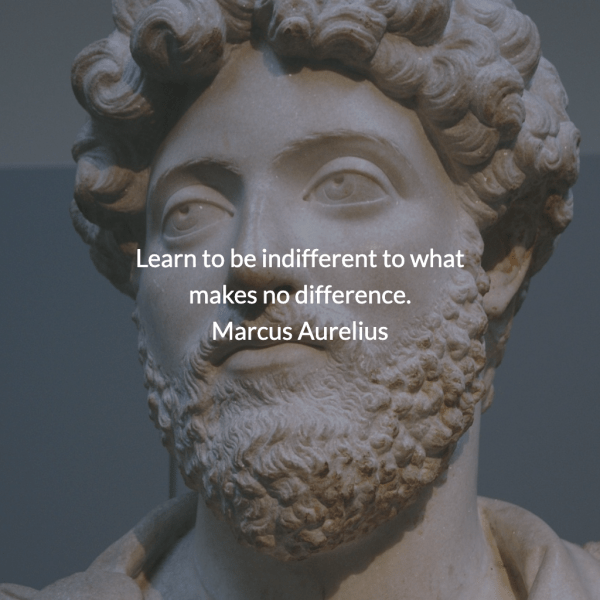
Learn to be indifferent

Learn to be indifferent to what makes no difference.

Marcus Aurelius

Pay Attention to What You Pay Attention To

Primal world beliefs may change what you notice. Source: Pay Attention to What You Pay Attention To

How You Can Have More with Less: The Magic and Joy of Being Present

We can make every day, activity, and experience fulfilling and nourishing to our soul by simply being more present with what we’re doing. Source: How You Can Have More with Less: The Magic and Joy of Being Present – Tiny Buddha

Understanding Intimacy Anorexia and Overcoming It in Relationships

Intimacy is the bedrock of any successful relationship, fostering emotional connection and trust between partners. However, sometimes couples may find themselves struggling with a phenomenon called “intimacy anorexia.” In this article, we will delve into the causes of intimacy anorexia and explore strategies to overcome it, fostering a healthier and more fulfilling relationship.

Continue reading “Understanding Intimacy Anorexia and Overcoming It in Relationships”

Start a Blog at WordPress.com.

Up ↑