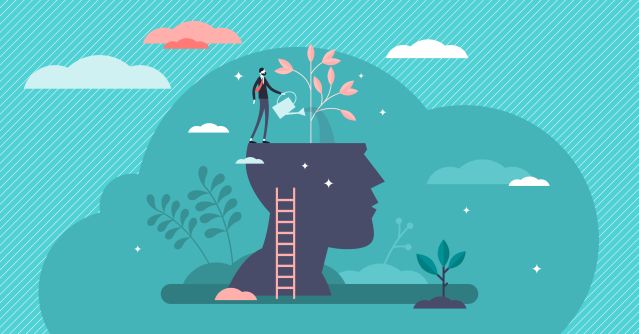
Can we choose the experiences that shape us, or are those choices determined? Source: The Strongest Neuroscience Arguments in the Free Will Debate
Thinks I find along the way
Can we choose the experiences that shape us, or are those choices determined? Source: The Strongest Neuroscience Arguments in the Free Will Debate
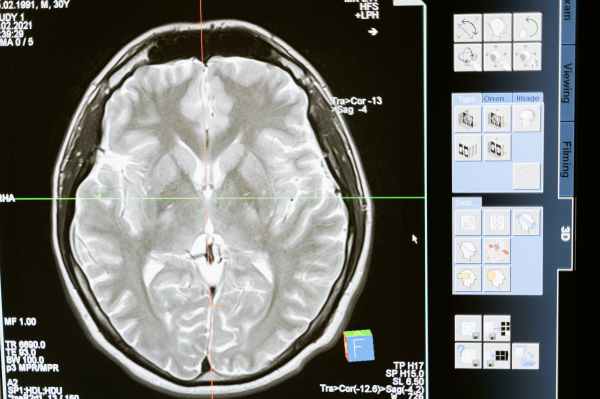
It actually costs a lot to pay a little attention. Source: Your Brain Is Bad at Doing Everything Everywhere All at Once
When it comes to our brain, is sex the fountain of youth? Source: Can Sex Keep Our Brain From Aging?
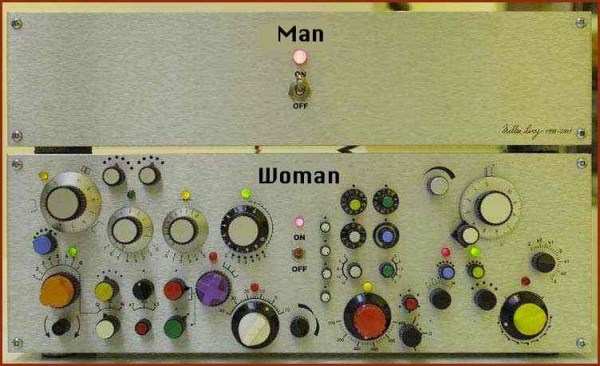
Exploring gender differences in brain architecture. Source: A Short Journey Into Male and Female Brains
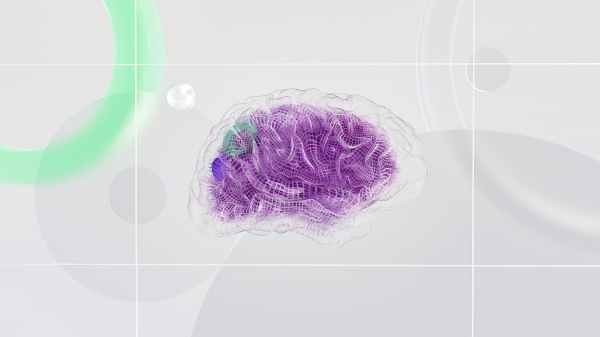
The phrase “neurons that fire together wire together” is a powerful concept in neuroscience that sheds light on the mechanisms behind learning, habits, and personal growth. Coined by Canadian psychologist Donald Hebb, this idea emphasizes the fundamental role of synaptic connections in shaping our thoughts, behaviors, and experiences.
Continue reading “Neurons That Fire Together Wire Together: The Key to Change and Growth”
A new study investigated the experience of love. Source: 8 New Scientific Insights on Love and How It Fades Away
Here is the study on which the article is based…

There is growing evidence that simple, everyday changes to our lives can alter our brains and change how they work. Melissa Hogenboom put her own brain in the scanner to find out. Source: How I rewired my brain in six weeks

Just like on the internet, your brain is selectively distorting your reality. Source: Filter Bubbles Aren’t Just Online, They’re Also in Your Head

I’m curating this article by Alyssa Dineen, NYC’s best dating coach, because I have been thought of as a manipulative love-bomber in the past. There are, however, two clear differences between a love-bomber and a genuinely nice person that help guide people toward healthy, supportive love…
Are we sabotaging ourselves out of relationships with great, authentic people because of that faint whisper of they are too good to be true, they must be love bombing me echoing in our ears?
“”Love bombing” refers to when a person you’ve just started dating begins showering you with attention, affection, and gifts. Nice, right?
Not necessarily!
Continue reading “How To Tell A Genuinely Kind Person From A Manipulative Love-Bomber”
Keeping goals in mind gives our brain a place to focus other than our troubles. Source: Are You Constantly Struggling? Try Grit

In his new book, Stanford professor Robert Sapolsky argues that free will is a myth. Source: What our brain chemistry says about free will

Exercise and socializing in old age have a protective effect on a part of the brain that plays a central role in memory. Source: Exercise and socializing keep aging brains healthy

The brain plays a crucial role in influencing the decision-making process. Source: Who Wears the Pants, You or Your Reptilian Brain?

Be aware of wanting inside your own mind. Source: Look for Pleasant Things or Avoid Unpleasant Things
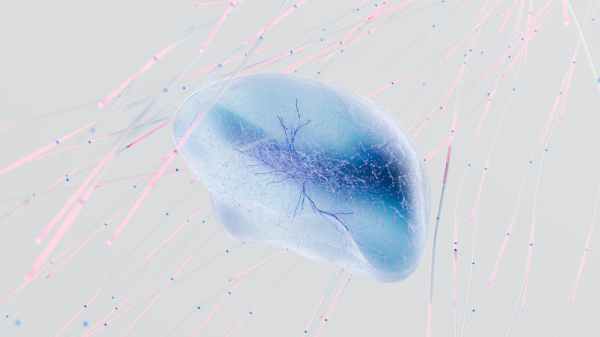
First non-invasive optical brain-computer interface connects the mind with AI and brings us one step closer to the singularity. Source: Breakthrough Interface Enables AI ChatGPT Access Using Thoughts

Dr. Rick Hanson writes “Sometimes we overestimate the fragility of things, as when we don’t recognize the deep wells of inner strength in ourselves and others. But I think we are more likely to deny or downplay the true extent of fragility: it’s scary to realize how delicate and vulnerable your body is, or the threads that bind you to others—so easily frayed by a single word—or the balance of climate and ecology on our planet. It’s scary and humbling, neither of which people like, to face the underlying frailty of the body, how easy it is for a relationship to go awry, the ways that so many of us are overextended and running on fumes, the rickety underpinnings of the global financial system, the deep fissures within many nations, or the unpredictability and intensity of Mother Nature.
But if we don’t recognize fragility, we’ll miss chances to protect and nurture so many things that matter, and we’ll be needlessly surprised and upset when things do inevitably fall apart. We need to embrace fragility—to see it clearly and take it into our arms—to be grounded in truth, peaceful amidst life’s changes and endings, and resourceful in our stewardship of the things we care about.” Go to the source for more: What Is Fragile in Your Life? | Psychology Today

Hint: It’s not really a food at all — it’s sugar! Source: The Number-One Worst Food for Your Brain
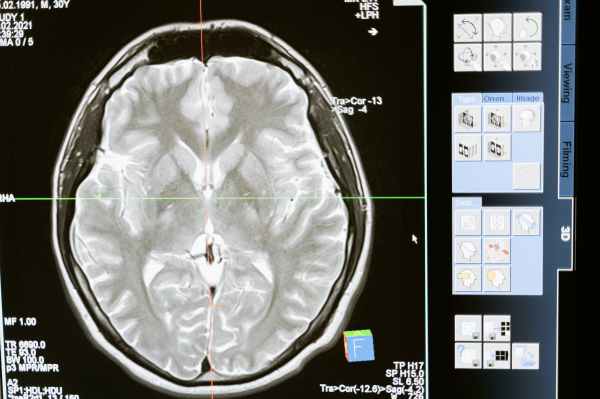
Neuroplasticity, the brain’s remarkable ability to change and adapt, has captivated the minds of researchers and scientists for decades. This phenomenon refers to the brain’s capacity to reorganize itself by forming new neural connections in response to learning, experience, and even injury. In this blog post, we will delve into the fascinating world of neuroplasticity and explore its implications for human development and rehabilitation.
Continue reading “Neuroplasticity: The Mind’s Extraordinary Ability to Change and Adapt”
The space of time in which a great work can now be accomplished is not marvelous. Brain, muscle, materials, and the means of rapid transport are instantly at command. If one has capital and a well-considered plan, the thing does itself. But that which is wonderful and which I can scarcely believe, although I have been in the midst of it, is the noble, artistic result which has come from the work of American artists who have had only a few months’ time to prepare those very designs for the great buildings of the Exposition which have actually been executed with little change from the sketches which were presented in February, 1891. A statement at a dinner in New York city (25 March 1893), as quoted in Daniel H. Burnham, Architect, Planner of Cities (1921) by Charles Moore, Vol. 1, Ch. VI, p. 72-73 Source: Daniel Burnham – Wikiquote

Studies show how common left-footedness is in soccer. Source: Messi Magic: Left-Footedness in Professional Soccer Players
btw, if you haven’t seen this yet I highly recommend it…

Language is an incredible tool that allows us to communicate, connect, and share ideas with others. Beyond its obvious practical benefits, studying a foreign language has been found to provide a range of cognitive benefits that can enhance intelligence and protect against dementia.
Learning a foreign language requires us to engage in complex cognitive processes. From vocabulary acquisition to grammatical analysis, our brains are constantly challenged, leading to improved mental agility. Studies have shown that multilingual individuals exhibit enhanced executive function abilities, such as problem-solving, reasoning, and cognitive flexibility. These skills can extend beyond language learning and have a positive impact on various other areas of life.
One of the most noticeable benefits of studying a foreign language is its positive influence on memory. As we learn new vocabulary and grammatical patterns, we strengthen our memory pathways. Regular language practice reinforces both short-term and long-term memory, leading to better overall memory function. This enhanced ability to recall information can be useful in various aspects of our lives, from everyday activities to professional endeavors.
Becoming proficient in a foreign language demands concentration and strong attention to detail. The intense focus required during language study sessions transfers to other areas of life, improving our ability to concentrate for extended periods. This heightened attention control can have a positive impact on tasks that require sustained focus and result in increased productivity.
Studying a foreign language has also been shown to contribute to building cognitive reserve, which is the brain’s ability to adapt and function effectively despite age-related changes or damage. A rich cognitive reserve can provide a protective effect against various forms of dementia, delaying the onset and reducing the impact of cognitive decline.
Research suggests that bilingual and multilingual individuals have a later onset of dementia and exhibit better cognitive performance in tasks that require attention, memory, and problem-solving. The constant mental workout provided by language learning strengthens the brain’s neural connections, creating a more resilient cognitive architecture.
As we delve into the world of foreign languages and embrace the rewards of multilingualism, we unlock more than just the ability to communicate with others. The cognitive benefits of studying a foreign language extend far beyond language proficiency. From improved mental agility and memory to increased focus and attention, the advantages of language learning are numerous.
Embracing language learning not only enriches our cultural understanding but also empowers us to lead mentally stimulating lives. By sharpening our minds, we can potentially ward off the effects of dementia and create a smarter, more resilient future for ourselves.
Language is a beautiful gift, one that has the power to transform our lives for the better. So, why not embark on a language learning journey today?
Remember: Carpe linguam! Seize the language!
 Bright, shiny objects!
You must be logged in to post a comment.