Curating What Fills Your Mind Can Shape Your Resilience

The author writes “Being resilient means you have already come through “many dangers, toils and snares.” Hopefully, you will become stronger, more mature, and compassionate. Being resilient means you have successfully broken through the darkness you confronted.

This means you have light to offer others, too. You have insights to share that can help someone else avoid an error you made yourself. Maybe you can calm someone’s fear as they face a procedure you had yourself.

Share the light. Share the wisdom life has taught you. You may well be someone’s answered prayer.”

That is the very purpose of this website — to share the light and wisdom through curation and occasionally, creation. I could just bookmark this content and keep it to myself by I share it here (and automagically to Facebook, Instagram, LinkedIn and X) in hopes that just one other person might stumble upon it and benefit from it. Go to the source: Curating What Fills Your Mind Can Shape Your Resilience

The Perils of Progress

We’ve come a long way, but are we focused on the right things? Source: The Perils of Progress

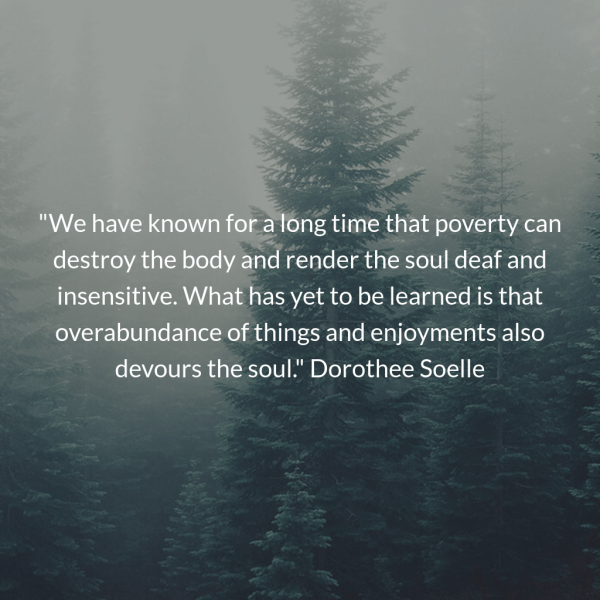
Overabundance

Some thought on overabundance from one of my favorite bloggers Karl Duffy…

Look for Pleasant Things or Avoid Unpleasant Things

Be aware of wanting inside your own mind. Source: Look for Pleasant Things or Avoid Unpleasant Things

What Is Fragile in Your Life?

Dr. Rick Hanson writes “Sometimes we overestimate the fragility of things, as when we don’t recognize the deep wells of inner strength in ourselves and others. But I think we are more likely to deny or downplay the true extent of fragility: it’s scary to realize how delicate and vulnerable your body is, or the threads that bind you to others—so easily frayed by a single word—or the balance of climate and ecology on our planet. It’s scary and humbling, neither of which people like, to face the underlying frailty of the body, how easy it is for a relationship to go awry, the ways that so many of us are overextended and running on fumes, the rickety underpinnings of the global financial system, the deep fissures within many nations, or the unpredictability and intensity of Mother Nature.

But if we don’t recognize fragility, we’ll miss chances to protect and nurture so many things that matter, and we’ll be needlessly surprised and upset when things do inevitably fall apart. We need to embrace fragility—to see it clearly and take it into our arms—to be grounded in truth, peaceful amidst life’s changes and endings, and resourceful in our stewardship of the things we care about.” Go to the source for more: What Is Fragile in Your Life? | Psychology Today


10 Ways to Balance Life’s Losses With Its Gains

A new measure shows how life’s gains can equal or outweigh life’s losses. Source: 10 Ways to Balance Life’s Losses With Its Gains


7 Things I’ve Learned This Year

Personal Perspective: Giving and creating joy will make 2024 better than 2023. What have you learned? Comment below! Source: 7 Things I’ve Learned This Year

Peace is this moment without judgment

Why Being a Little Kinder Is Good for Everybody

Four tips for enacting kindness in an age of upset and grievance. Source: Why Being a Little Kinder Is Good for Everybody

Bruce Lee’s Never Before Revealed Letters to Himself About Authenticity, Personal Development, and the Measure of Success

“This is the entire essence of life: Who are you? What are you?” So wrote young Leo Tolstoy in his diary of moral developmentBruce Lee (November 27, 1940–July 20, 1973) was around Tolstoy’s age when he turned to this central question of existence more than a century later and approached it with the same subtleness of insight and sincerity of spirit with which he approached all of life. Source: Bruce Lee’s Never Before Revealed Letters to Himself About Authenticity, Personal Development, and the Measure of Success

Love Them or Hate Them, the Holidays Are Coming

A personal perspective: Reframe holidays as opportunities to reset your life. Source: Love Them or Hate Them, the Holidays Are Coming

2 Mental Health Benefits of ‘Silent Walking’

Silent walking isn’t just a physical activity; it’s a transformative experience. Source: 2 Mental Health Benefits of ‘Silent Walking’

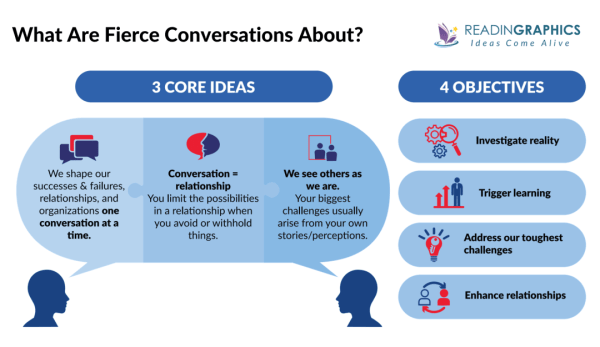
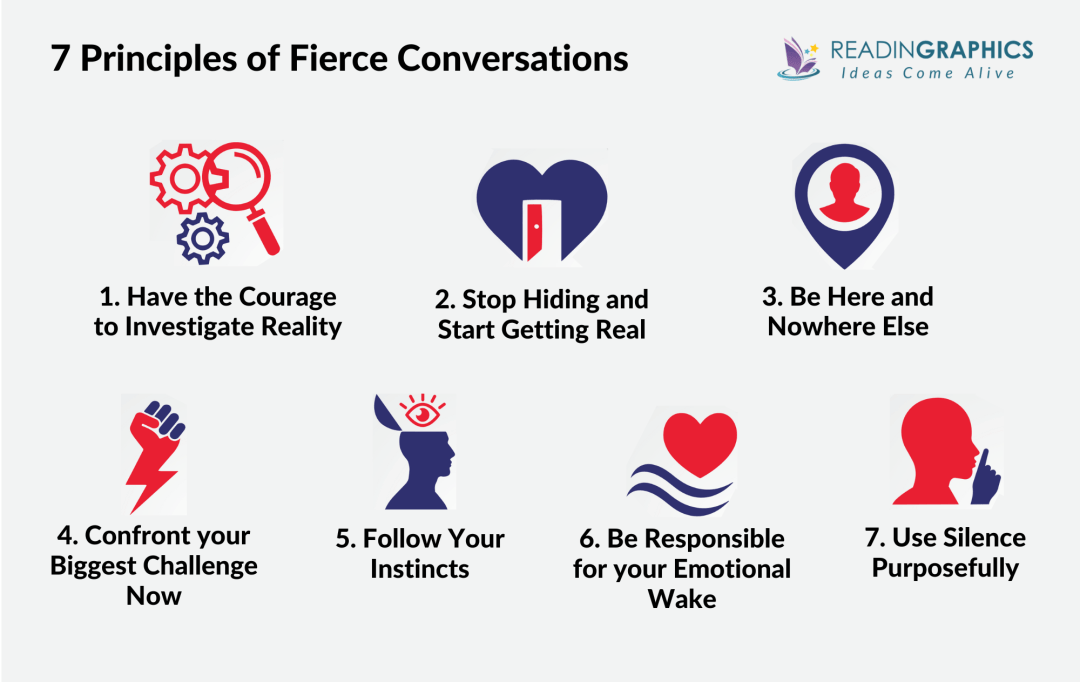
Fierce Conversations by Susan Scott

In this Fierce Conversations summary, you’ll learn the 7 principles of fierce conversations, to authentically address challenging problems and improve outcomes in all aspects of life. Go to the source: Book Summary – Fierce Conversations (Susan Scott)

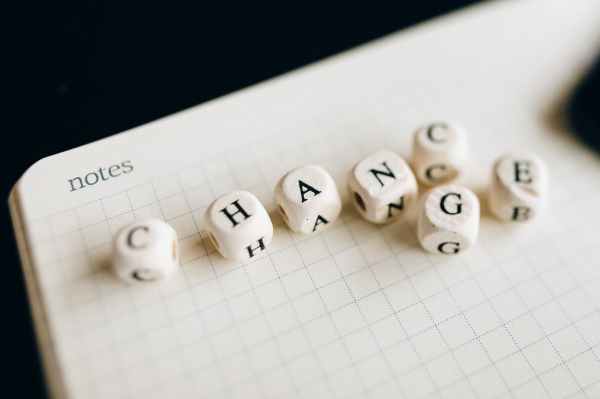
“I Can’t Change:” A Cop-out or a Hard Truth?

Lisa Merlo-Booth writes “People ask me all the time if I truly believe people can change. Usually they’re asking this question about a loved one who, they’re certain, will never change. My answer to them is almost always the same: “Absolutely. I’ve seen people who I swore would never change make complete and thorough life turnarounds. I have no doubt that people can change…should they choose to do so.” Source: “I Can’t Change:” A Cop-out or a Hard Truth? – Lisa Merlo-Booth

Bonus article: Neuroplasticity: The Mind’s Extraordinary Ability to Change and Adapt

Being Curious and Humble Can Improve Your Relationship

Insightful questions can be powerful tools in developing relationships. Source: Being Curious and Humble Can Improve Your Relationship

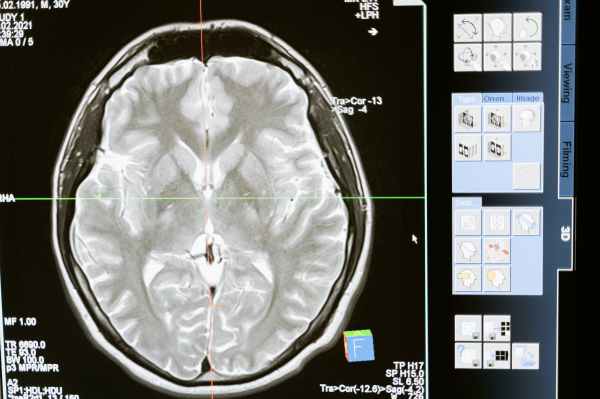
Neuroplasticity: The Mind’s Extraordinary Ability to Change and Adapt

Neuroplasticity, the brain’s remarkable ability to change and adapt, has captivated the minds of researchers and scientists for decades. This phenomenon refers to the brain’s capacity to reorganize itself by forming new neural connections in response to learning, experience, and even injury. In this blog post, we will delve into the fascinating world of neuroplasticity and explore its implications for human development and rehabilitation.

Continue reading “Neuroplasticity: The Mind’s Extraordinary Ability to Change and Adapt”

10 Ways to Increase Your Emotional Awareness

Emotional awareness is essential for our emotional and social well-being. Source: 10 Ways to Increase Your Emotional Awareness

Is Love After Loss Possible?

The “Golden Bachelor” can teach us five things about losing (and finding) love. Source: Is Love After Loss Possible?

How the ‘Habit Loop’ Helps You Override Your Existing Routines To Create Better Ones

In his epic book The ONE Thing, Gary Keller talks about the idea that you don’t need willpower as much as you need the ability to build small habits that take you where you want to go. For example, at the beginning of this year I started a diet and exercise campaign that I used to lose over 50lbs so far this year. I started by walking two miles every morning but I didn’t need the willpower to do that, I just needed to form the habit of putting on walking clothes first thing in the morning and not talking them off until after my walk. Makes sense? If not, Gary will explain it better!

Time to (finally) kick those bad habits to the curb. Source: How the ‘Habit Loop’ Helps You Override Your Existing Routines To Create Better Ones


5 Ways to Reengage With Life When Feeling Down

Embrace the magic of life, despite its hardships! This article contains 5 great ideas, including one that I unwittingly stumbled upon for myself a couple of decades ago. She also left out 1 way that I feel is worth mentioning: exercise or moving your body.

Exercise is not only beneficial for our physical well-being but also has a profound impact on our mood. Engaging in regular physical activity, whether it’s a brisk walk, a yoga session, or a vigorous workout, releases endorphins in our brain, which are known as “feel-good” hormones. These endorphins help to alleviate stress, reduce anxiety, and boost overall happiness. Moreover, exercise provides a much-needed break from our daily routines and allows us to shift our focus away from negative thoughts, enabling a sense of mental clarity and rejuvenation. So, next time you’re feeling down, remember that a simple workout can be a powerful tool to uplift your spirits and reinvigorate your zest for life.

Read about the other 5 ways: 5 Ways to Reengage With Life When Feeling Down

Everyone’s Doing The Best That They Can

Hailey Magee writes “My favorite principle is this simple truth: Everyone is doing the best that they can with the resources they have. Adopting this belief has radically changed my relationship to myself and to others. This idea has been explored by a constellation of religious, spiritual, and wellness practitioners. As Deepak Chopra said, “People are doing the best that they can from their own level of consciousness.” At first, it’s a hard concept for us to swallow. In a culture that constantly urges us to do more, to be better, and to excel,  “I’m doing the best that I can” sounds like complacency—like an excuse. But what if we took a step back from our culture’s infinite growth paradigm and considered, “What if, right now, there is a limit to what I can achieve? Can I be okay with that?”” Source: Everyone’s Doing The Best That They Can – Tiny Buddha

Start a Blog at WordPress.com.

Up ↑