Silent walking isn’t just a physical activity; it’s a transformative experience. Source: 2 Mental Health Benefits of ‘Silent Walking’
2 Mental Health Benefits of ‘Silent Walking’

Thinks I find along the way
Silent walking isn’t just a physical activity; it’s a transformative experience. Source: 2 Mental Health Benefits of ‘Silent Walking’

Lisa Merlo-Booth writes “People ask me all the time if I truly believe people can change. Usually they’re asking this question about a loved one who, they’re certain, will never change. My answer to them is almost always the same: “Absolutely. I’ve seen people who I swore would never change make complete and thorough life turnarounds. I have no doubt that people can change…should they choose to do so.” Source: “I Can’t Change:” A Cop-out or a Hard Truth? – Lisa Merlo-Booth
Bonus article: Neuroplasticity: The Mind’s Extraordinary Ability to Change and Adapt

It turns out that regular walking has tremendous health benefits for the average person. According to a 2023 study, 30–45 minutes of walking five times a week, added to what you normally do in a day, substantially reduces the risk of premature death from all diseases, not to mention improving the immune system and mental health. Source: How I Got Myself to Exercise | Psychology Today

Our thoughts and actions dictate how we feel. Source: 10 Tips for Greater Happiness

Emotional awareness is essential for our emotional and social well-being. Source: 10 Ways to Increase Your Emotional Awareness

In his epic book The ONE Thing, Gary Keller talks about the idea that you don’t need willpower as much as you need the ability to build small habits that take you where you want to go. For example, at the beginning of this year I started a diet and exercise campaign that I used to lose over 50lbs so far this year. I started by walking two miles every morning but I didn’t need the willpower to do that, I just needed to form the habit of putting on walking clothes first thing in the morning and not talking them off until after my walk. Makes sense? If not, Gary will explain it better!
Time to (finally) kick those bad habits to the curb. Source: How the ‘Habit Loop’ Helps You Override Your Existing Routines To Create Better Ones

As their social supports shrink, men experience more depression. Source: What Men Need to Save Their Social Lives and Themselves
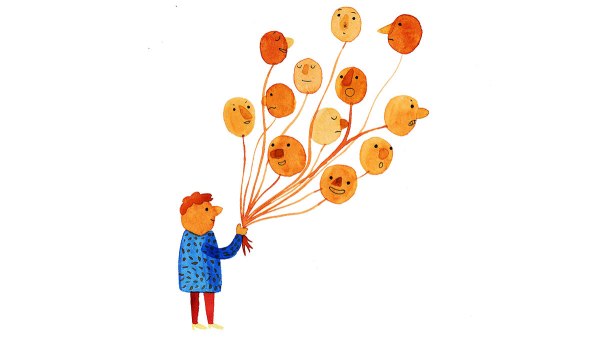
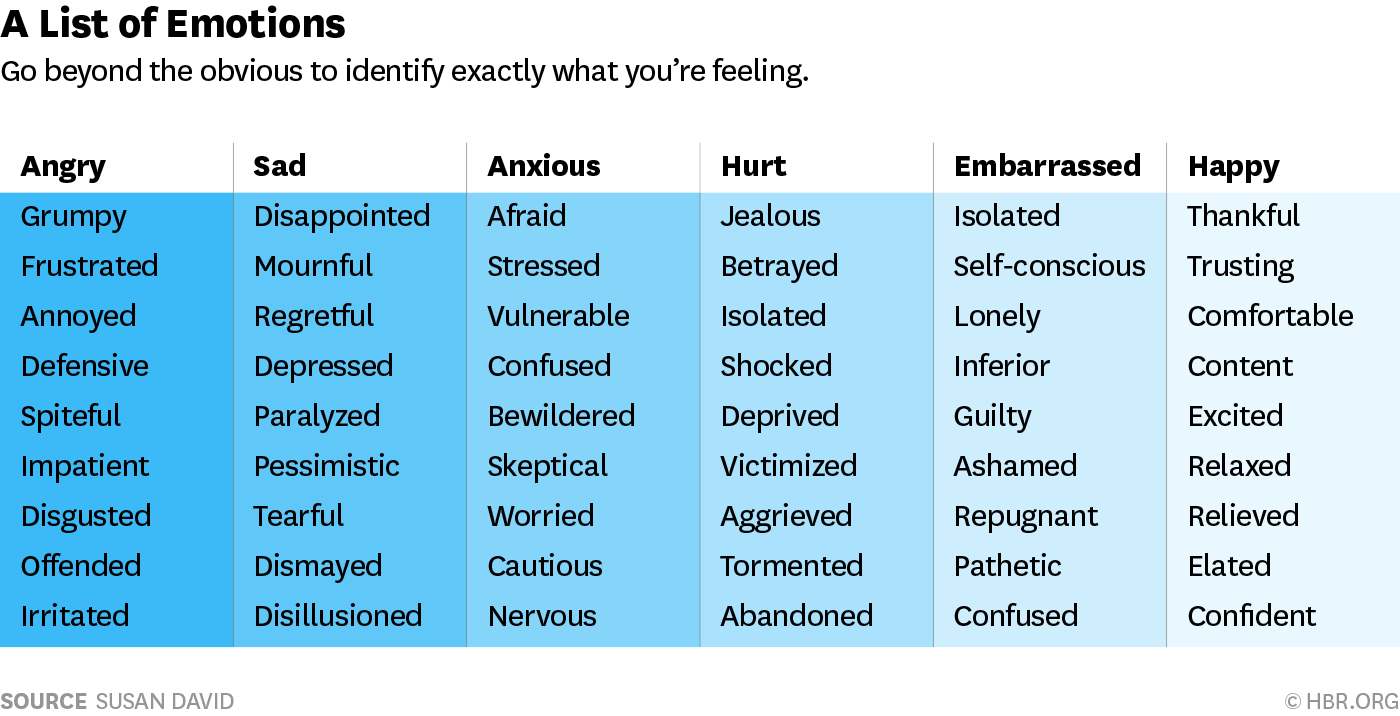
Naming them is an important first step. Go to the source to learn more about how to use this tool: 3 Ways to Better Understand Your Emotions

View a collection of the most relevant statistics and data on loneliness and isolation by country, demographic, and life circumstances. Source: Loneliness Statistics (2023): By Country, Demographics & More

Knowing what loneliness looks like can be the first step to helping to reduce its sting. Your pathway to fulfillment may be one you undertake on your own, but it can be interlaced with positive emotions.
Susan Krauss Whitbourne PhD, ABPP
A new study highlights 15 main themes of loneliness across the lifespan. Source: 15 Facts You Need to Know About Loneliness

Hailey Magee writes “My favorite principle is this simple truth: Everyone is doing the best that they can with the resources they have. Adopting this belief has radically changed my relationship to myself and to others. This idea has been explored by a constellation of religious, spiritual, and wellness practitioners. As Deepak Chopra said, “People are doing the best that they can from their own level of consciousness.” At first, it’s a hard concept for us to swallow. In a culture that constantly urges us to do more, to be better, and to excel, “I’m doing the best that I can” sounds like complacency—like an excuse. But what if we took a step back from our culture’s infinite growth paradigm and considered, “What if, right now, there is a limit to what I can achieve? Can I be okay with that?”” Source: Everyone’s Doing The Best That They Can – Tiny Buddha
Change is a fundamental aspect of the human experience. Throughout our lives, we encounter numerous circumstances and events that shape us, molding us into the people we are today. But can people truly change? This question has been a subject of much debate and contemplation among philosophers, psychologists, and everyday individuals seeking personal growth. In this blog post, we will explore different perspectives on this intriguing subject.
One of the main factors influencing change is the ongoing Nature vs. Nurture debate. Some people argue that our personalities and behaviors are largely determined by our genetic makeup, while others believe that our environment and experiences shape us. Both nature and nurture play a significant role in who we are, but the extent to which they dictate our ability to change remains a complex matter.
Habits are deeply ingrained patterns of behavior that can be challenging to overcome. Whether it’s smoking, procrastination, or unhealthy eating habits, breaking free from negative patterns requires dedication and willpower. However, research suggests that it is indeed possible to change habits through consistent effort and the utilization of various behavior change strategies. This shows that individuals have the capacity for change when it comes to their habits.
Advancements in neuroscience have shed light on the brain’s remarkable ability to rewire itself, a phenomenon known as neuroplasticity. The brain is not a fixed organ but rather a dynamic and adaptable one. It can form new neural connections and modify existing ones based on experience, learning, and deliberate effort. This implies that our thoughts, behaviors, and emotions can be altered through the rewiring of our brains, offering concrete evidence of our potential for change.
Self-reflection serves as a powerful tool for personal growth and transformation. By engaging in introspection, individuals gain insight into their thoughts, feelings, and behaviors. This deeper understanding allows for the identification of areas in need of change and the development of strategies to make those changes. Self-reflection creates an opportunity for individuals to take responsibility for their actions and make conscious efforts to become better versions of themselves.
Change often requires motivation and willpower. Without a desire to change and the determination to follow through, it can be challenging to make enduring transformations. Motivation can stem from various sources, such as personal goals, external influences, or a desire for personal growth. Willpower, on the other hand, is the ability to resist short-term gratification in pursuit of long-term goals. Although motivation and willpower may fluctuate, individuals who possess these qualities have a greater likelihood of enacting meaningful change in their lives.
People do not exist in isolation. External factors and support systems can profoundly influence an individual’s capacity for change. Positive, nurturing environments and supportive relationships can provide the necessary encouragement, guidance, and accountability for personal growth. Whether it’s through therapy, mentoring, or the support of friends and family, external factors can play a pivotal role in facilitating change.
While change is indeed possible, it is important to acknowledge its limitations. Some aspects of our personalities, such as core values or temperament, may be resistant to change. Additionally, the extent to which individuals can change varies from person to person. Factors like age, past experiences, and neurological conditions can complicate the process of change. It is crucial to practice self-compassion and acceptance, recognizing that personal growth is a gradual and ongoing journey.
In conclusion, the question of whether people can truly change is a complex one. While the capacity for change exists within us, it is influenced by a multitude of factors, including genetics, environment, habits, neuroplasticity, motivation, and external support. Personal growth and transformation require self-reflection, determination, and resilience. It is important to approach the journey of change with patience, compassion, and an understanding that change is a dynamic process unique to each individual. By embracing the potential for change, we can embark on a path of personal growth and continually strive to become the best versions of ourselves.

Variation in sensory processing sensitivity and reactivity are discussed here: New Research on the Emotions of Highly Sensitive People
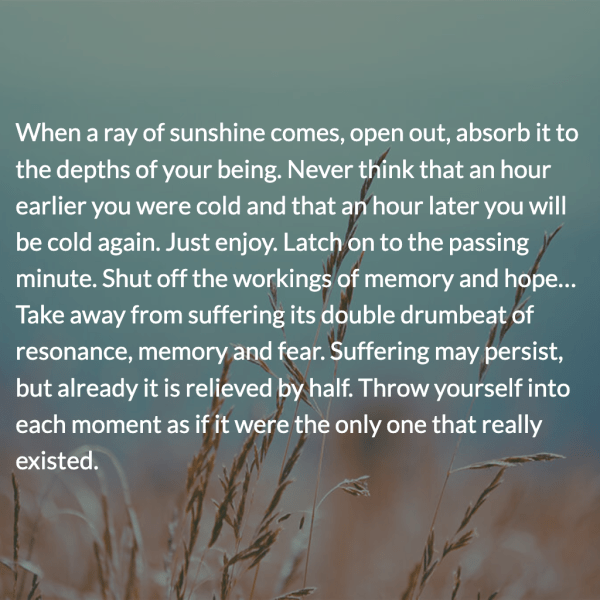
Irish mindfulness and meditation blogger Karl Duffy shares:
“When a ray of sunshine comes, open out, absorb it to the depths of your being. Never think that an hour earlier you were cold and that an hour later you will be cold again. Just enjoy. Latch on to the passing minute. Shut off the workings of memory and hope… Take away from suffering its double drumbeat of resonance, memory and fear. Suffering may persist, but already it is relieved by half. Throw yourself into each moment as if it were the only one that really existed.” Source: Just enjoy – Mindfulbalance

Research shows you how to switch from unhelpful rumination to relaxed thinking. Source: How to Tame Your Overthinking Habit

Don’t knock it before you try it. Source: Why Humming Could Be Your Ticket to Near-Instant Calm
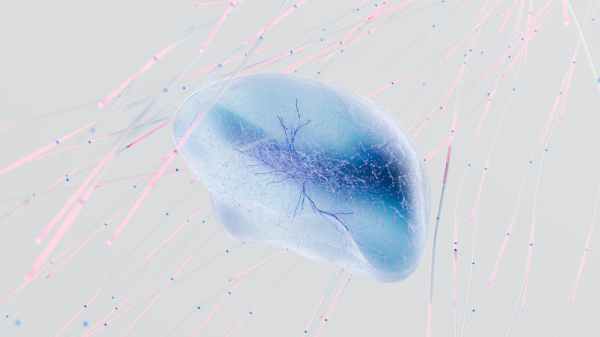
A new documentary on neuroscientist Joseph LeDoux dispels myths. Source: How the Brain Really Generates Fear and Anxiety
All we need is to experience what we already possess.
Thomas Merton

The effects of biomass smoke inhalation on mental health. Source: How Wildfire Smoke Alters the Brain

Personal Perspective: Proactive means taking action before symptoms manifest. Source: Reactive or Proactive? Aging Well Is All About Self-Care
Editor’s note: This year is the year I got serious about diet and exercise again — this time the focus is entirely on being proactive for health reasons. I’ve lost 55lbs and I’m going for 100 by the end of the year. Diet, bike riding and Planet Fitness are now part of my new paradigm. The results have been amazing and if you’re in poor health of overweight, I encourage you to dig deeply into this issue. You’ll feel better!

How “therapy-speak” could be affecting your relationship. Source: Are You “Weaponizing” Mental Health Terminology?
 Bright, shiny objects!
You must be logged in to post a comment.