The Ghost of What Might Have Been: A Unique Type of Grief

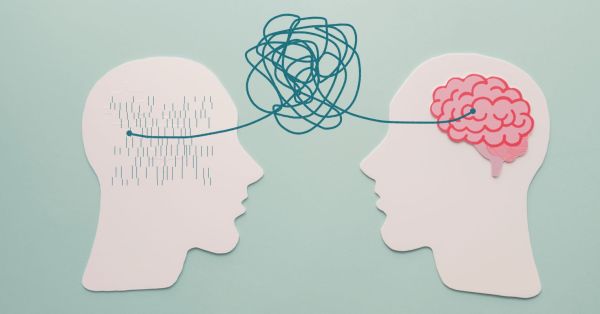
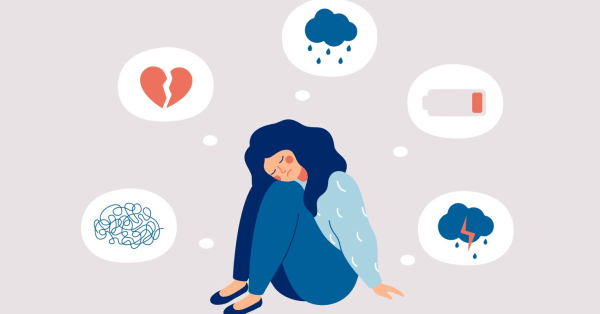
The grief experienced around the holidays is not always as simple as what has been lost. It is often more focused on what might have been.

The article “The Ghost of What Might Have Been: A Unique Type of Grief” discusses a complex form of grief that arises not only from loss but also from the contemplation of unrealized possibilities. It emphasizes that during the holidays, this type of grief can intensify as individuals reflect on what could have been if circumstances were different. The author explores how this grief manifests and encourages readers to acknowledge and process these feelings rather than dismiss them.

Go to the source and read the whole article: The Ghost of What Might Have Been: A Unique Type of Grief


Does Your Mind Feel Like a Browser With 167 Tabs Open?

Mental clutter steals joy. Learn how values and mindful attention can quiet the noise and restore presence to the moments that matter most.

The article “Does Your Mind Feel Like a Browser With 167 Tabs Open?” discusses how mental clutter can hinder our ability to find joy and stay present in important moments. It emphasizes the need to identify and prioritize our values to reduce cognitive overload. By practicing mindfulness and focusing our attention intentionally, we can quiet the mental noise, thereby fostering a greater sense of presence and fulfillment in our lives.

Source: Does Your Mind Feel Like a Browser With 167 Tabs Open?

Your Brain on Scrolling

How scrolling hurts your mind and what you can do to feel better.

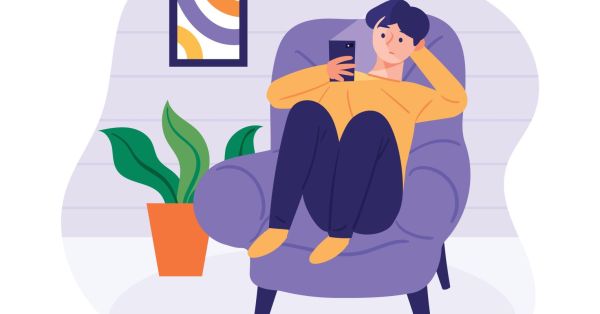
Scrolling through social media and digital content can have detrimental effects on mental health. The constant influx of information may lead to feelings of anxiety, stress, and decreased attention span. This behavior can trigger a cycle of comparison and self-doubt, impacting overall well-being.

To counteract these effects, it is recommended to take breaks from screens, engage in offline activities, and establish boundaries around social media use. Mindfulness practices, such as meditation or journaling, can also help foster a healthier relationship with technology. Prioritizing real-life connections and focusing on personal interests outside of digital platforms can contribute positively to mental health and improve life satisfaction.

Go to the source to read the entire article: Your Brain on Scrolling

Finding Meaning in a Meaningless World

Feeling disconnected, lost, or stuck in a world that seems void of meaning? From inner emptiness to purposeful living using insights from Acceptance and Commitment Therapy (ACT).

In the article “Finding Meaning in a Meaningless World,” the author explores the feelings of disconnection and emptiness that individuals often experience. These feelings can lead to a sense of being lost or stuck in life. The article emphasizes the principles of Acceptance and Commitment Therapy (ACT) as a means to navigate these challenging emotions and move toward a more purposeful existence. By accepting one’s thoughts and feelings instead of avoiding them, individuals can take committed actions that align with their values, ultimately fostering a deeper sense of meaning and fulfillment in their lives.

Go to the source to read the entire article: Finding Meaning in a Meaningless World


A Psychologist’s Open-Minded First Take on AI Therapy

Personal Perspective: AI therapy offers promise but lacks the benefit of human connection. Here’s my experience testing Ash and reflections on its potential and limits.

The article discusses the potential benefits and limitations of AI therapy through the personal experience of testing an AI application named Ash. It highlights that while AI therapy offers promising advantages, such as accessibility and convenience, it falls short in replicating the human connection that is often vital in traditional therapy. The author reflects on both the strengths and weaknesses of AI in the therapeutic realm, pointing out that while technology can be a helpful tool, it cannot fully replace the emotional support and understanding provided by human therapists.

Go to the source to read the entire article: A Psychologist’s Open-Minded First Take on AI Therapy

How to Fight Mental Attrition

To grow healthy mental habits, learn to be selective about who and what you let into your mind.

The article “How to Fight Mental Attrition” discusses the importance of nurturing healthy mental habits by being selective about the influences in your life. It emphasizes that the information and people you allow into your mind can significantly affect your mental well-being. The piece offers strategies for protecting your mental space and enhancing your resilience against negativity, ultimately promoting a healthier mindset.

Source: How to Fight Mental Attrition

7 Bad Mental Habits and How They Can Hold You Back in Life

The way you think affects how you feel and how you behave. Learning to recognize unhealthy thinking patterns is key to living your best life.

The article “7 Bad Mental Habits and How They Can Hold You Back in Life” emphasizes the significance of recognizing and addressing unhealthy thinking patterns. It explores various detrimental mental habits that can impede personal growth and emotional well-being. By becoming aware of these habits, individuals can work towards modifying their thought processes, leading to improved feelings and behaviors that contribute to a more fulfilling life.

Source: 7 Bad Mental Habits and How They Can Hold You Back in Life

Why Can’t I Just Be Happy?

Anhedonia is the inability to find pleasure in people and experiences that once elicited it. For perfectionists, this state emanates from their expectations and disappointments.

The article “Why Can’t I Just Be Happy?” explores the concept of anhedonia, which is the inability to experience pleasure in activities and relationships that previously brought joy. It particularly emphasizes how perfectionists may be more susceptible to this condition due to their high expectations and tendency towards disappointment. The piece delves into the psychological underpinnings of such feelings, linking them to perfectionism and suggesting that it can hinder one’s ability to achieve lasting happiness.

Source: Why Can’t I Just Be Happy?

7 Ways to Build Mental Strength With Your Smartphone

Smartphones aren’t ruining our mental health. But the way we use them might be. These seven strategies can turn your phone into an incredible mental strength building tool.

Smartphones themselves are not the culprits harming our mental health; rather, it is our usage patterns that matter. The article outlines seven effective strategies to transform smartphones into tools for enhancing mental strength. By utilizing these approaches, individuals can improve their resilience and well-being through mindful smartphone usage.

Source: 7 Ways to Build Mental Strength With Your Smartphone

Unlock Your Peak Performance with Purpose

Want to live in the zone like Jordan or Ruth? The secret isn’t talent—it’s purpose. Discover how a simple mindset shift can unlock peak joy, focus, and flow.

The article “How to Live Life in the Zone” emphasizes that achieving a state of peak performance and joy, akin to that of great figures like Michael Jordan and Ruth Bader Ginsburg, is not merely about inherent talent but rather about having a clear purpose. It explores the importance of a mindset shift, suggesting that focusing on one’s purpose can enhance concentration, happiness, and a sense of flow in daily activities. The piece encourages readers to cultivate this mindset to unlock their fullest potential and lead a fulfilling life.

Source: How to Live Life in the Zone

Is Religion Good for Your Mental Health?

There is a long-standing idea in psychology that religious people live longer and healthier lives. New mental health research shows the answer isn’t quite so simple.

The article “Is Religion Good for Your Mental Health?” discusses the complex relationship between religion and mental well-being. While previous studies have suggested that religious individuals tend to live longer and healthier lives, new mental health research indicates that the connection may not be straightforward. The findings explore various factors that influence mental health, demonstrating that the benefits of religion can vary significantly among individuals. Overall, the article highlights the need for a nuanced understanding of the impact of religious beliefs on mental health.

Me personally? I would say it depends on the ‘religion’…

Source: Is Religion Good for Your Mental Health?

Where Did You Learn to Feel Less Than?

The negative things we hear in toxic environments can chip away at our sense of worth and self-confidence. Catch and challenge the resulting self-critical thoughts.

The article “Where Did You Learn to Feel Less Than?” discusses how negative influences in toxic environments can undermine an individual’s self-worth and confidence. It emphasizes the importance of recognizing and confronting self-critical thoughts that arise from these damaging interactions. By addressing and challenging these thoughts, individuals can work towards rebuilding their self-esteem and fostering a healthier self-image.

Source: Where Did You Learn to Feel Less Than?

An Awakening to the Possibility of Joy in Life

An early recollection steeped in joy sets the stage for a lifetime propensity for delight and connection.

The article “An Awakening to the Possibility of Joy in Life” explores the idea that early joyful experiences can foster a lifelong appreciation for happiness and connection. It emphasizes how memories rooted in joy can shape our perspectives and relationships as we grow older. The author suggests that cultivating an awareness of joyful moments can enhance our ability to find and sustain delight throughout our lives.

Source: An Awakening to the Possibility of Joy in Life

A Defense Against Gaslighting Sociopaths

If you can recognize their signature move, then forewarned is forearmed.

The article “A Defense Against Gaslighting Sociopaths” discusses the psychological tactics employed by sociopaths, particularly focusing on the DARVO technique, which stands for Deny, Attack, and Reverse Victim and Offender. It highlights how recognizing these manipulative behaviors can empower individuals to protect themselves from emotional manipulation and gaslighting. The piece emphasizes the importance of awareness in confrontations with sociopaths, as being able to identify their signature moves helps victims stand resilient against their psychological tactics.

Source: A Defense Against Gaslighting Sociopaths

Finding Joy When the World Feels Heavy

In a world where joy feels hard to find, it’s more vital than ever. Learn how embracing it can fuel resilience, spark hope, and help us navigate today’s challenges.

In the article “Finding Joy When the World Feels Heavy,” the author discusses the importance of joy in our lives, especially during challenging times. It emphasizes that embracing joy can strengthen resilience, ignite hope, and assist individuals in overcoming obstacles. The piece serves as a reminder that seeking and nurturing joy is essential for mental well-being, even when external circumstances may seem overwhelming.

Source: Finding Joy When the World Feels Heavy

That One Annoying Coworker Might Just Be Your Best Teacher

We all have that one person who pushes our buttons. But what if they’re also holding up a mirror, challenging us to grow, shift our perspective, and show up better?

Source: That One Annoying Coworker Might Just Be Your Best Teacher

Want Better Answers? Start Asking Better Questions

In a fast-changing world, the questions we ask shape what we see, create, and pursue. Want better answers? Start by asking better questions.

Source: Want Better Answers? Start Asking Better Questions

Want to Change Your Life? First Change Your Algorithm

Feeling overwhelmed by doomscrolling? What you feed your brain matters. Change what you click on to retrain your mind, shift your outlook, and build a more hopeful life.

The article “Want to Change Your Life? First Change Your Algorithm” discusses the impact of digital content consumption on mental well-being. It highlights how continuous engagement with negative news, or “doomscrolling,” can contribute to feelings of anxiety and hopelessness. The author advocates for consciously altering one’s online habits by selecting more positive and uplifting content. By making mindful choices about what to click on, individuals can retrain their minds, enhance their perspectives, and ultimately lead a more hopeful and fulfilling life. Please share your thoughts in the comments below…

Source: Want to Change Your Life? First Change Your Algorithm

Feeling Helpless? Think Smaller

Feeling overwhelmed by global chaos? Research shows tiny, quiet acts of kindness add up, creating powerful ripples of impact and resilience in our seemingly unfixable world.

The article “Feeling Helpless? Think Smaller” explores the idea that when faced with overwhelming global issues, individuals can find solace and empowerment by engaging in small, everyday acts of kindness. It posits that these seemingly insignificant gestures can accumulate over time, fostering resilience and creating positive ripples within communities. By focusing on manageable actions rather than feeling paralyzed by larger problems, people can contribute to meaningful change, enhancing their own sense of agency and connection to others.

Source: Feeling Helpless? Think Smaller

Why Go Out When You Can Have the World Come to You?

Where do you find community? Third places offer belonging, yet many young people today have turned to social media instead of each other and it’s affecting their mental health.

The article “Why Go Out When You Can Have the World Come to You?” discusses the shift among young people from real-world social interactions to engaging with social media platforms. It highlights how this trend is impacting their sense of community and belonging, which are often found in “third places”—social environments outside of home and work. The author argues that while social media provides convenience and connection, it can negatively affect mental health by fostering isolation and diminishing real-life relationships. The piece emphasizes the importance of seeking out physical spaces where community can thrive, suggesting that engaging with others face-to-face is crucial for overall well-being.

Source: Why Go Out When You Can Have the World Come to You?


Why Your Best Purchase Is One You Can’t Return

Experiences don’t just bring joy—they shape identity and deepen connections. Science explains why what you buy can change how you feel about yourself and others.

The article “Why Your Best Purchase Is One You Can’t Return” discusses how experiences, rather than material possessions, significantly influence our sense of identity and interpersonal connections. It emphasizes that the joy derived from experiences adds meaning to our lives and fosters deeper relationships. The author highlights scientific explanations behind the emotional benefits of experiential spending, suggesting that such purchases can enhance our self-perception and strengthen our bonds with others, contrasting with the fleeting satisfaction provided by physical items.

Source: Why Your Best Purchase Is One You Can’t Return

Start a Blog at WordPress.com.

Up ↑